Public Steam disclosure research25,497 disclosures tracked
Where do games disclose AI use?
Search developers’ Steam disclosures, compare classified AI use across
games, and follow recorded changes.
This index adds cross-game classifications and statistics to
statements published on individual store pages.
Groups reflect automatic analysis of public disclosures; mature records are excluded. These counts do not measure AI use across all of Steam.
Missing or unclear statements cannot establish whether a game uses AI.
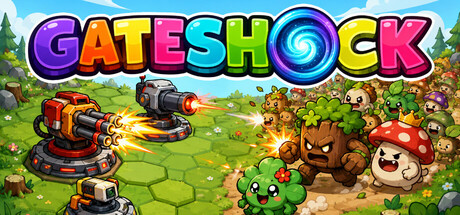
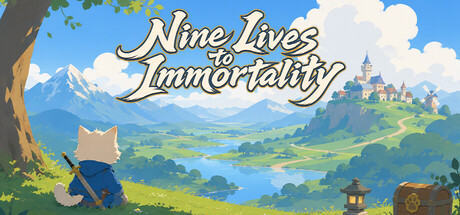
This game's development made partial use of generative AI tools. Generative AI (ChatGPT and ElevenLabs' image generation features) was used to create some artwork, including the title screen and field background images, the title logo, and some of the special clover and UI icons. ElevenLabs' audio generation features were used for the BGM and sound effects. Generative AI was also used to help localize the game into languages other than Japanese (English, Simplified Chinese, Traditional Chinese, Korean, Russian, Spanish, Brazilian Portuguese, German, and French). All AI-generated assets and translations were reviewed and adjusted by the developer before being incorporated into the game.
Generative AI was used during development to assist with portions of the game's artwork, Steam store assets, sound effects, and voice narration. All AI-assisted content has been reviewed, edited, and/or refined by the developer. No generative AI is used during gameplay.
This game's art and music were created during development using generative AI tools. Specifically: the painted 2D illustrations — card art, event illustrations, and background images — were generated with AI image tools, and the background music tracks were produced with AI music tools. In every case the developer reviewed, selected, edited, and finalized the results, which ship as fixed image and audio files.
This game was developed with the assistance of generative AI. AI was used to help create code, written content, and some visual assets under the developer's direction. All AI-generated content is reviewed and integrated by the developer. The game does not use live generative AI during gameplay.
Lumenfall is built by a small studio using AI-assisted development tools. Some pre-generated content — including portions of the game's code, the store page text, and the 2D promotional/capsule artwork and achievement icons — was created with the help of AI tools, always under human direction and review. The game does not generate any content with AI at runtime; everything you play is fixed, hand-tuned content.
Some 2D art assets (e.g. icons, store capsules, background art) were created with the help of generative AI image tools and then curated and edited by the developer. No AI-generated content is produced live during gameplay.
AI writing tools were used to assist in drafting store page descriptions and marketing copy. All game content, code, artwork, and audio were created without generative AI.
Generative AI was used in creating the fictional high schools, nicknames, and logos. I encourage all users to utilize the editing abilities in this game to create your very own universe. Generative AI is a great way to do this, so pick your favorite AI and build away!
Generative AI was used to:
- Create some of 3D models
- Create some of textures
- Create some of 2D background arts
Also, some parts of the programming code was written with AI help.
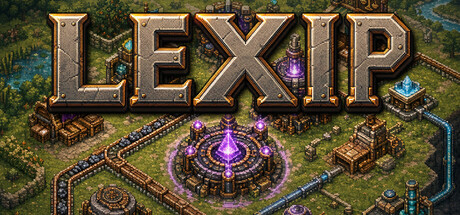
Generative AI tools were used in the development of Lexip to create initial drafts and source material for parts of the project, including code, visual assets, sounds, writing, and marketing materials. These outputs were not used unchanged; they were reviewed, selected, adapted, edited, and integrated by the developer. The final implementation, design decisions, and overall tuning were done manually. The game does not generate new AI content during gameplay.
Some store page visuals and marketing materials
were created with the assistance of AI image
generation tools. All in-game assets are
human-made or licensed from asset stores.
Some in-game art assets were created or assisted using generative AI tools, then reviewed, edited, and integrated by the developer. AI tools were also used as development assistance for parts of the code. The game does not generate AI content during gameplay.
This game utilizes artificial intelligence (AI) tools to assist in generating some of the promotional materials on
the store page, as well as certain in-game visual assets
I don't know how to code, and I only speak two languages (both badly, if I'm being honest). To actually get this game running properly and make it playable, I had to use AI as a technical assistant.
I wrestled with the ethics of this because I care deeply about the line between tools and art. If this game makes any money, it will go straight into hiring professional programmers, artists, and translators.
Thank you.
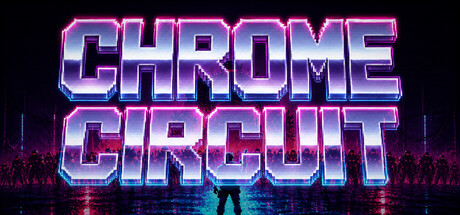
Chrome Circuit is developed by a solo developer who uses generative AI as part of the production pipeline. Character and environment sprite art was created using AI image generation, then processed, edited, and integrated by hand. Portions of the game's code were written with AI assistance under the developer's direction, with all systems designed, reviewed, and tested by the developer. All AI-generated content is created during development ("pre-generated") — the game does not generate any content while you play, and no AI runs on your machine. Game design, writing, and all creative decisions are the work of the developer.
Some 2D art (sprites, icons, key art) was generated with a locally run image model, then hand-curated and edited by the developer. Sound effects and music were generated with local audio models and hand-picked. Everything shipped was reviewed by a human; the game performs no AI generation at runtime.
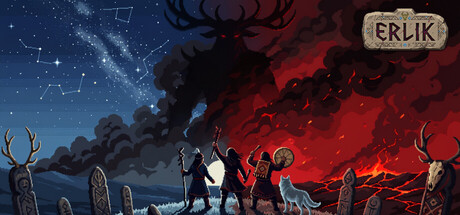
ERLIK is a solo-developed game: all game design, code, writing, balance and feel are handmade. Generative AI tools were used as part of the art production pipeline; every asset was then manually edited, curated and polished by the developer before entering the game. No content is generated while you play, everything is fixed at build time.
This game was created with the assistance of generative AI tools for visual assets, music, and coding. All generated material was extensively edited, arranged, curated, and directed by the developer. The gameplay design, UI layout, visual style, and overall creative vision are the result of significant human authorship.
Generative AI was used as an assistive tool for creating some visual assets. All AI-assisted assets were manually edited and refined by a human designer before being included in the game.
Suho's background music was produced with the help of a generative AI music tool, and some store-page text was drafted with AI assistance and edited by a human. We intend to replace the AI-generated music with commissioned, original music. All gameplay, game design, code, and in-game visual art are human-authored or rendered programmatically (not AI-generated), and no AI content is generated live during play - the soundtrack ships as fixed, pre-made audio files.
This game includes some pre-generated visual assets and music created with the help of AI tools during development. No AI content is generated live during gameplay.
Several of the original tracks included with the base game were created with the help of AI tooling as was some of the initial iconography and translations.
Some visual assets in this game, including certain character and background art, were created with the assistance of generative AI tools and then reviewed and edited by the developer. All gameplay, code, and design are human-directed. This game does not use AI to generate any content during gameplay.
Some visual assets in this game — including dice textures, character portraits, scene backgrounds, and select UI decorative elements — were created with the assistance of generative AI, then manually curated, retouched, and color-graded before integration. All AI-generated content is pre-rendered static art; the game does not use real-time generation.
Some visual assets used in VoidFall, including promotional artwork and store materials, were created with the assistance of generative AI tools and further edited and integrated during development.
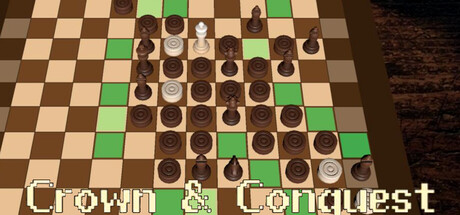
Some store-page and marketing imagery for Crown & Conquest (capsule art, icons) was created with the assistance of generative AI image tools. All gameplay, rules, audio, and in-game art are hand-authored, and the game does not use generative AI during gameplay.
Generative AI assisted with: English localization (AI-translated, developer-reviewed),
some store-page capsule art (generated programmatically), and store-page description text.
No AI runs live/at runtime in the game. Core code, game design and original in-game
sprite art were made by the developer.
Some visual assets used in this game were created or assisted by generative AI tools during development. All AI-generated content was reviewed, edited, and integrated by the developer before being included in the final game. No AI-generated content is created during gameplay.
This game does not contain any real-time generative AI features. Some game assets, including but not limited to animation effects, videos, and similar materials, were created with the assistance of AI.
This game uses generative AI for the translation of in-game text.
AI-generated translations are reviewed using translation services and human editing, and are revised or expanded as needed.
Generative AI is also used as a production aid for some UI images. Generated materials are manually edited and adjusted by humans.
Generative AI is not used to generate content while the game is running.
The in-game music and soundtrack are created using Suno (generative AI). All visual art is produced procedurally through code. Development used an AI coding assistant (Claude), which is a development-efficiency tool; it does not generate any content live at runtime. No generative AI runs during gameplay.
We used a Gen AI powered tool to localize the following:
- (in some languages) In-game text
- (in some languages) Steam store descriptions
We plan to replace these with human translation and LQA when we can afford it.
Until then, we are using Gen AI temporarily.
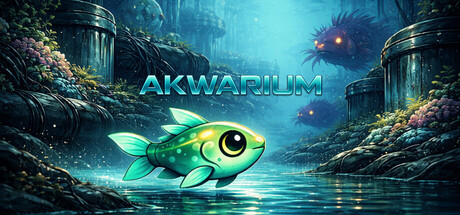
Some 2D artwork in Akwarium (characters, UI, environments, and store images) was created with generative AI tools, then reviewed and refined by the developer. No gameplay content is generated by AI in real time.
The background music was created with Suno and the intro narration with ElevenLabs. This content was generated during development, reviewed by the developer, and baked into the build. All sound effects are synthesized in code at runtime and all art is generated procedurally in code — neither is AI.
Generative AI was used during development to create selected pre-generated audio assets used in the game, including background music and sound effects. Generative AI was also used to create selected studio logos and promotional artwork used on the Steam store page and in marketing materials.
No content is generated by AI during gameplay, and the game does not connect to any external AI services.
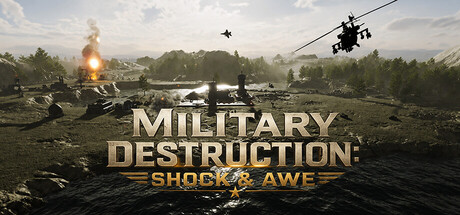
Some art assets, textures, and sound effects are created with the assistance of AI tools, then curated and edited by the developer. All game design, gameplay systems, code architecture, physics simulation, and mission design are human-made. No AI-generated content is created at runtime.
As a solo developer with a limited budget, I use AI tools to help produce some assets and sounds. This lets me keep my time focused where a solo dev's hours matter most — the core gameplay, the physics simulation, and mission design — while still delivering production quality that would normally require an extended team. Every AI-assisted asset is curated, edited, and integrated by hand.
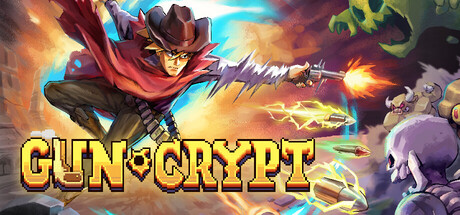
AI tools were used to assist with localization for some of the supported languages in Guncrypt. Many translations were reviewed by native speakers at Halfbrick, although not every supported language received a full review.
If you notice anything that seems incorrect in your language, please let us know. We’d appreciate your help improving it.
This game's development made partial use of generative AI tools. Generative AI (ChatGPT and ElevenLabs' image generation features) was used to create some artwork, including the title screen and field background images, the title logo, and some of the special clover and UI icons. ElevenLabs' audio generation features were used for the BGM and sound effects. Generative AI was also used to help localize the game into languages other than Japanese (English, Simplified Chinese, Traditional Chinese, Korean, Russian, Spanish, Brazilian Portuguese, German, and French). All AI-generated assets and translations were reviewed and adjusted by the developer before being incorporated into the game.
Generative AI was used during development to assist with portions of the game's artwork, Steam store assets, sound effects, and voice narration. All AI-assisted content has been reviewed, edited, and/or refined by the developer. No generative AI is used during gameplay.
This game's art and music were created during development using generative AI tools. Specifically: the painted 2D illustrations — card art, event illustrations, and background images — were generated with AI image tools, and the background music tracks were produced with AI music tools. In every case the developer reviewed, selected, edited, and finalized the results, which ship as fixed image and audio files.
This game was developed with the assistance of generative AI. AI was used to help create code, written content, and some visual assets under the developer's direction. All AI-generated content is reviewed and integrated by the developer. The game does not use live generative AI during gameplay.
Lumenfall is built by a small studio using AI-assisted development tools. Some pre-generated content — including portions of the game's code, the store page text, and the 2D promotional/capsule artwork and achievement icons — was created with the help of AI tools, always under human direction and review. The game does not generate any content with AI at runtime; everything you play is fixed, hand-tuned content.
Some 2D art assets (e.g. icons, store capsules, background art) were created with the help of generative AI image tools and then curated and edited by the developer. No AI-generated content is produced live during gameplay.
AI writing tools were used to assist in drafting store page descriptions and marketing copy. All game content, code, artwork, and audio were created without generative AI.
Generative AI was used in creating the fictional high schools, nicknames, and logos. I encourage all users to utilize the editing abilities in this game to create your very own universe. Generative AI is a great way to do this, so pick your favorite AI and build away!
Generative AI was used to:
- Create some of 3D models
- Create some of textures
- Create some of 2D background arts
Also, some parts of the programming code was written with AI help.
Generative AI tools were used in the development of Lexip to create initial drafts and source material for parts of the project, including code, visual assets, sounds, writing, and marketing materials. These outputs were not used unchanged; they were reviewed, selected, adapted, edited, and integrated by the developer. The final implementation, design decisions, and overall tuning were done manually. The game does not generate new AI content during gameplay.
Some store page visuals and marketing materials
were created with the assistance of AI image
generation tools. All in-game assets are
human-made or licensed from asset stores.
Some in-game art assets were created or assisted using generative AI tools, then reviewed, edited, and integrated by the developer. AI tools were also used as development assistance for parts of the code. The game does not generate AI content during gameplay.
This game utilizes artificial intelligence (AI) tools to assist in generating some of the promotional materials on
the store page, as well as certain in-game visual assets
I don't know how to code, and I only speak two languages (both badly, if I'm being honest). To actually get this game running properly and make it playable, I had to use AI as a technical assistant.
I wrestled with the ethics of this because I care deeply about the line between tools and art. If this game makes any money, it will go straight into hiring professional programmers, artists, and translators.
Thank you.
Chrome Circuit is developed by a solo developer who uses generative AI as part of the production pipeline. Character and environment sprite art was created using AI image generation, then processed, edited, and integrated by hand. Portions of the game's code were written with AI assistance under the developer's direction, with all systems designed, reviewed, and tested by the developer. All AI-generated content is created during development ("pre-generated") — the game does not generate any content while you play, and no AI runs on your machine. Game design, writing, and all creative decisions are the work of the developer.
Some 2D art (sprites, icons, key art) was generated with a locally run image model, then hand-curated and edited by the developer. Sound effects and music were generated with local audio models and hand-picked. Everything shipped was reviewed by a human; the game performs no AI generation at runtime.
ERLIK is a solo-developed game: all game design, code, writing, balance and feel are handmade. Generative AI tools were used as part of the art production pipeline; every asset was then manually edited, curated and polished by the developer before entering the game. No content is generated while you play, everything is fixed at build time.
This game was created with the assistance of generative AI tools for visual assets, music, and coding. All generated material was extensively edited, arranged, curated, and directed by the developer. The gameplay design, UI layout, visual style, and overall creative vision are the result of significant human authorship.
Generative AI was used as an assistive tool for creating some visual assets. All AI-assisted assets were manually edited and refined by a human designer before being included in the game.
Suho's background music was produced with the help of a generative AI music tool, and some store-page text was drafted with AI assistance and edited by a human. We intend to replace the AI-generated music with commissioned, original music. All gameplay, game design, code, and in-game visual art are human-authored or rendered programmatically (not AI-generated), and no AI content is generated live during play - the soundtrack ships as fixed, pre-made audio files.
This game includes some pre-generated visual assets and music created with the help of AI tools during development. No AI content is generated live during gameplay.
Several of the original tracks included with the base game were created with the help of AI tooling as was some of the initial iconography and translations.
Some visual assets in this game, including certain character and background art, were created with the assistance of generative AI tools and then reviewed and edited by the developer. All gameplay, code, and design are human-directed. This game does not use AI to generate any content during gameplay.
Some visual assets in this game — including dice textures, character portraits, scene backgrounds, and select UI decorative elements — were created with the assistance of generative AI, then manually curated, retouched, and color-graded before integration. All AI-generated content is pre-rendered static art; the game does not use real-time generation.
Some visual assets used in VoidFall, including promotional artwork and store materials, were created with the assistance of generative AI tools and further edited and integrated during development.
Some store-page and marketing imagery for Crown & Conquest (capsule art, icons) was created with the assistance of generative AI image tools. All gameplay, rules, audio, and in-game art are hand-authored, and the game does not use generative AI during gameplay.
Generative AI assisted with: English localization (AI-translated, developer-reviewed),
some store-page capsule art (generated programmatically), and store-page description text.
No AI runs live/at runtime in the game. Core code, game design and original in-game
sprite art were made by the developer.
Some visual assets used in this game were created or assisted by generative AI tools during development. All AI-generated content was reviewed, edited, and integrated by the developer before being included in the final game. No AI-generated content is created during gameplay.
This game does not contain any real-time generative AI features. Some game assets, including but not limited to animation effects, videos, and similar materials, were created with the assistance of AI.
This game uses generative AI for the translation of in-game text.
AI-generated translations are reviewed using translation services and human editing, and are revised or expanded as needed.
Generative AI is also used as a production aid for some UI images. Generated materials are manually edited and adjusted by humans.
Generative AI is not used to generate content while the game is running.
The in-game music and soundtrack are created using Suno (generative AI). All visual art is produced procedurally through code. Development used an AI coding assistant (Claude), which is a development-efficiency tool; it does not generate any content live at runtime. No generative AI runs during gameplay.
We used a Gen AI powered tool to localize the following:
- (in some languages) In-game text
- (in some languages) Steam store descriptions
We plan to replace these with human translation and LQA when we can afford it.
Until then, we are using Gen AI temporarily.
Some 2D artwork in Akwarium (characters, UI, environments, and store images) was created with generative AI tools, then reviewed and refined by the developer. No gameplay content is generated by AI in real time.
The background music was created with Suno and the intro narration with ElevenLabs. This content was generated during development, reviewed by the developer, and baked into the build. All sound effects are synthesized in code at runtime and all art is generated procedurally in code — neither is AI.
Generative AI was used during development to create selected pre-generated audio assets used in the game, including background music and sound effects. Generative AI was also used to create selected studio logos and promotional artwork used on the Steam store page and in marketing materials.
No content is generated by AI during gameplay, and the game does not connect to any external AI services.
Some art assets, textures, and sound effects are created with the assistance of AI tools, then curated and edited by the developer. All game design, gameplay systems, code architecture, physics simulation, and mission design are human-made. No AI-generated content is created at runtime.
As a solo developer with a limited budget, I use AI tools to help produce some assets and sounds. This lets me keep my time focused where a solo dev's hours matter most — the core gameplay, the physics simulation, and mission design — while still delivering production quality that would normally require an extended team. Every AI-assisted asset is curated, edited, and integrated by hand.
AI tools were used to assist with localization for some of the supported languages in Guncrypt. Many translations were reviewed by native speakers at Halfbrick, although not every supported language received a full review.
If you notice anything that seems incorrect in your language, please let us know. We’d appreciate your help improving it.