








Disclosure
This is a project that uses AI to make an old RTS program run in a web browser. The images were generated using GPT image generation.
- Creator
- saizwong
- Reviews
- -
- Added
- Aug 22, 2026
Public Steam disclosure research 25,376 disclosures tracked
Search developers’ Steam disclosures, compare classified AI use across games, and follow recorded changes. This index adds cross-game classifications and statistics to statements published on individual store pages.
Code help, debugging and other development work.
Capsule art, trailers and promotional material.
Pre-made art, audio, writing and other game assets.
Interactive or runtime AI features disclosed by the developer.
Groups reflect automatic analysis of public disclosures; mature records are excluded. These counts do not measure AI use across all of Steam. Missing or unclear statements cannot establish whether a game uses AI.
This is a project that uses AI to make an old RTS program run in a web browser. The images were generated using GPT image generation.
Terran Dawn is a solo-developed game, and generative AI tools were used during its production. Everything AI-assisted is created ahead of time and shipped as fixed files inside the build: the game generates nothing while you play, contacts no AI service at runtime, and sends no player data anywhere. Where these tools were used: - 3D assets: ship, station and building meshes were produced with AI text-to-3D generation, then rescaled, re-oriented, re-textured and hand-corrected to fit the engine. - 2D art and textures: interface illustrations, encyclopedia art and some surface textures were generated from hand-written prompts and edited afterwards. - Sound effects: a portion of the weapon, interface and explosion sounds were generated with AI audio tools, then trimmed and mixed by hand. - Music: the soundtrack was created with AI music generation. - Voice-over: mission briefings and in-mission radio lines are AI text-to-speech, performed from scripts written by the developer. - Video transmissions: the in-game character broadcasts use a licensed synthetic presenter and synthetic voice to deliver dialogue written by the developer. - Translation: the game's text was translated into its supported languages with the help of an AI language model. - Some of the game's source code was written with AI coding assistants. The game's design, story, missions, rules and balance are written by the developer. No generative AI runs while the game is playing.
Modelling, coding
Some graphical assets and sounds.
Generative AI was used to create a small number of 3D models and art assets. All game code, design, and gameplay systems were created without the use of Generative AI.
AI generates a few images and icons, reviewed manually.
We used coding assistance as well as music generation
Storefront art/capsules created with assistance from AI generation tools.
AI is used to support code generation. It is also used to generate a limited portion of the 3D assets, accounting for less than 5% of the total.
The 2D art in OBOLUS is made with image generation models running locally on my own machine — Stable Diffusion XL through ComfyUI, including a style model I trained myself on 1930s cartoon references. None of it is a raw output: every sprite, backdrop, card frame and icon was directed through many passes, then cut out, colour-corrected, upscaled and assembled frame by frame into animation sheets. Everything else is not AI: the rules, every card and every number on it, the balance, the 22 heroes, the six lands, the writing and the interface. The sound effects are synthesised by code written for this game. Nothing is generated while you play. The game makes no network calls and ships with no model — nothing runs on your machine, and none of your data goes anywhere.
Generative AI tools were used during development to assist with the creation and iteration of some game assets and development code. AI-assisted content included in the final game is pre-generated and reviewed by the developer. The game does not generate AI content during gameplay.
During Early Access, AI placeholders might be used in lieu of handcrafted assets to speed up development and to improve the game’s visual fidelity. It is currently our plan to gradually replace all AI-generated assets by the final release.
The visual art, music, sound effects, pilot voice lines and written text in Starhand were created using generative AI tools — Recraft for illustration, Suno for music, and ElevenLabs for voice and sound effects — and were then selected, edited and assembled by the developer. All of it is generated ahead of time and ships as fixed assets: the game does not generate any content while you play, and it does not connect to any AI service at runtime.
Used a few AI generated sound SFX
The character voices used in the game were generated by artificial intelligence.
I'm not a professional game developer or artist. Making my own game had been a dream for years, but I never knew how to turn that dream into reality. Generative AI became the tool that finally made it possible. With its help, I created many of the game's visual and audio assets, including item, UI, skill, and module icons, character portraits, ships, space stations, backgrounds, the game icon, the Steam store artwork, and some of the sound effects. It also assisted me with programming. But Star Corsairs is not a game that AI simply generated. Every asset was reviewed, rejected, refined, or replaced until it matched the vision I had in mind. Every gameplay system was designed, tested, and reworked repeatedly until it felt right. The economy, ship balance, pirate AI, combat, and progression were all shaped through countless hours of playtesting and manual iteration. The story, world, and all of the writing were created by me. Without generative AI, this game would probably never have existed. But without the countless creative decisions, revisions, and work behind every part of it, Star Corsairs wouldn't exist either.
The images on the store page are created using AI
Generative AI was used for deep game simulation to assist with designing difficulty curves and testing in game mathmatical calculations. It was also used for designing alternative UI Models for cosmetic changes. Game Design, layout, original creations, music, sound, story, plots, etc. were Designed entirely by the Creator.
Generative AI tools were used during development for limited coding assistance and as a starting point for some 3D assets. All AI-assisted content was reviewed, modified, and integrated by the developer. No generative AI is used during gameplay.
Generative tools were used during development to assist with portions of the game's source code and to create or refine some visual assets and promotional artwork. All included content was reviewed and edited by the developer. The game does not generate content during gameplay.
Some of the 2D pixel art assets in EndlessRain were created with the assistance of AI-based pixel art generation tools. This includes character and enemy sprites, item and ability icons, and environment art. All generated assets were reviewed, edited, and assembled by the developer before being included in the game. Code, game design, and game text were written by the developer without AI-generated content. No content is generated by AI while the game is running. All assets are pre-generated and ship as static files.
Some of this game's visual assets (key art, character and hero illustrations, narration video plates) were created with generative image tools under human direction, with manual curation, retouching and compositing. The narrator's voice lines are synthesized speech generated from scripts written and edited by the developer. Some music tracks were created with generative music tools from developer-written prompts. All gameplay systems, code and game design are human-made. The game contains no live AI-generated content: everything was generated during development and reviewed before inclusion.
Generative AI was used to assist in the creation of a small number of pre-generated sound effects. All AI-assisted audio was reviewed and curated by the developer. No generative AI is used during gameplay, and the game does not generate content in real time.
During development, we used generative AI tools to transform early sketches and visual concepts into functional 2D game assets and visual materials that help define Cosmic Clicker’s identity. This included selected in-game assets, Steam store capsules, library artwork, icons, and key art. The generated results were reviewed, selected, refined, and integrated to maintain consistency with the game’s established art direction.
AI Generation Disclosure Abduction uses generative AI in limited, supporting ways during development — for example, assisting with asset preparation such as converting custom font designs into usable game fonts. All core game design, systems, art direction, and content are created and reviewed by the developer. Generative AI is a tool in the pipeline, not a substitute for the creative work behind the game.
Rockinforged is a studio that develops games with an AI-assisted production pipeline. Generative AI tools are used across development — including 2D art, cinematic and video footage, sound, localization, store page text, and marketing materials — always under the developer's direct authorship, curation, and review. The game does not generate any content with AI at runtime.
Generative AI was used as an assistive tool during development and for localization support. All such content was reviewed and edited by the developer before inclusion. The game does not generate AI content live during gameplay.
During development, AI tools were used to help review and debug parts of the code
The game's main soundtrack was created using generative AI. The game's promotional capsule artwork was also created with the assistance of generative AI. All other gameplay, programming, game design, pixel art, animations, visual effects, sound effects, UI, and game content were created by the developer.
This whole game exists because I wondered whether, with these tools, I could actually make one. Generative AI tools were used to create assets that ship with the game. The 3D ship and enemy models were generated with Meshy AI from my own 2D concept art, and AI tools assisted with in-game text, audio, and parts of the store page and marketing materials. The design, code and balance are mine — the wave generation, the ship and weapon tuning, the modification link-set system, the campaign structure. Seventeen worlds' worth of hand-tuned numbers. I'm a solo developer with a full-time job and three kids. The answer to the question turned out to be yes, and this is it.
This game features background music generated with AI, used under a commercial license. Some of the supported-language translations were produced with AI assistance. All visual art and game code are hand-authored.
AI-assisted tools were used during development. All final content was reviewed and approved by the developer. No AI content is generated during gameplay.
I had a clear vision for my game but am just some guy trying to make games so I can spend more time with my kids. So I used Ai to assist me in turning my vision into art. I purchased assets from multiple artists as I fully believe in supporting the arts, however certain things I had to make myself and couldn't afford to commission an artist.
Generative AI tools assisted with parts of the development, iteration, and production process. The foundation of The Helios Accord—including its original concept, core ideas, world, systems, and narrative—was conceived, designed, and originally written by me. I direct, review, revise, and take responsibility for all AI-assisted material included in the game and its store presentation
Some placeholder assets in the current build were created with AI image tools.
this game is fully developed by AI, art is generated by AI as well
Nothing in GREATER FOOL is generated while you play. Every run is deterministic code with seeded randomness, all music and sound is synthesized live by the game itself, and no art comes from an image generator: the pixel art, the icons, and the store images are drawn in code, shape by shape. AI assistance was used while drafting some of the game's written text, which I edited and rewrote to fit the voice of the game.
Hedra began as a physical board game designed and refined by one human developer over ten years. Nearly all of the tabletop game was created without generative AI; AI had a limited role in balance analysis. For the digital edition, AI tools played a substantial role in programming and technical development, including the original web app and its conversion into a desktop game. Most of Hedra's visual artwork was created with generative AI tools, then selected, reviewed, and integrated by the developer. The game contains pre-generated AI-assisted content. It does not generate artwork, text, audio, or other content while you play.
AI was used to create images, text, and algorithms used in the game. This game was made by a solo-developer with the help of AI.
After the creation of assets by an artist, the team used gen AI to generate backdrops for assets, and general backgrounds. Gen AI was used to amalgamate artist created assets into grouped assets. E.g. the aliens which were created by the artist are then rendered together by AI for a promotional image. This means only the back scape mainly promotional artwork and character backgrounds were generated by AI.
During the game's development process, the Generative AI was used as a development aid. AI was used in some game image production and code review and improvement proposals, and all final images and codes included in the game were reviewed, modified, and quality checked by developers. The AI-generated results were not used without review, and verification procedures were performed to ensure that they did not infringe copyright and third-party rights. In addition, AI does not generate content or code in real time during gameplay.
Some artwork in this game was created with the assistance of AI tools.
Generative AI was used during development to assist with the creation of some pre-generated visual assets, promotional artwork, and localization text. All AI-assisted content was reviewed and edited by the developer before being included. The game does not use live generative AI during gameplay.
We used AI to generate images, as we don't have an artist on our team. The gameplay, design, and atmosphere are all human-created.
This game uses generative AI as a starting point for visual art and music. We then edited many of the assets by hand.
The game's graphics and software are powered by artificial intelligence.
Generative AI was used during the development of this game to assist with the creation of certain visual assets and to help with portions of the programming process. All gameplay mechanics, game design, story, progression, and creative direction were designed and implemented by the developer.
Selected background elements, tilesets, and player and boss character models used AI-generated source material that was manually reworked and adapted. Translations were created and edited with AI assistance. Part of the game's logic was developed with AI assistance. All design and gameplay decisions were made by the developer.
An AI assistant (Anthropic's Claude) helped write the game's code and draft store/marketing text, all reviewed by the developer. All art is hand-made and procedurally rendered; all music and sound effects are human-created or licensed (CC0 / commissioned). No AI-generated art, audio, or voice ships in the game, and no AI content is generated during play.
Store Page Description Please enter a message to players describing how this game uses generative artificial intelligence. Note: The Steam Store will display this message under the 'About This Game' section on the game's store page. You can return to this survey at any time to update this message or its localizations.
| Title⇅ | Disclosure | Creator⇅ | Src | Reviews⇅ | Added↓ |
|---|---|---|---|---|---|
 Nebula Blink In-game content art | This is a project that uses AI to make an old RTS program run in a web browser.
The images were generated using GPT image generation. | saizwong | - | Aug 22, 2026 | |
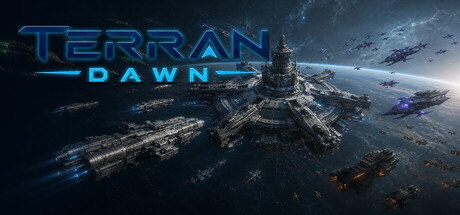 Terran Dawn In-game content artaudiotextcode | Terran Dawn is a solo-developed game, and generative AI tools were used
during its production. Everything AI-assisted is created ahead of time and
shipped as fixed files inside the build: the game generates nothing while
you play, contacts no AI service at runtime, and sends no player data
anywhere.
Where these tools were used:
- 3D assets: ship, station and building meshes were produced with AI
text-to-3D generation, then rescaled, re-oriented, re-textured and
hand-corrected to fit the engine.
- 2D art and textures: interface illustrations, encyclopedia art and some
surface textures were generated from hand-written prompts and edited
afterwards.
- Sound effects: a portion of the weapon, interface and explosion sounds
were generated with AI audio tools, then trimmed and mixed by hand.
- Music: the soundtrack was created with AI music generation.
- Voice-over: mission briefings and in-mission radio lines are AI
text-to-speech, performed from scripts written by the developer.
- Video transmissions: the in-game character broadcasts use a licensed
synthetic presenter and synthetic voice to deliver dialogue written by
the developer.
- Translation: the game's text was translated into its supported languages
with the help of an AI language model.
- Some of the game's source code was written with AI coding assistants.
The game's design, story, missions, rules and balance are written by the
developer. No generative AI runs while the game is playing. | Dengel Kálmán | - | Aug 22, 2026 | |
 UNLISTED Unclear artcode | Modelling, coding | rhtmdals04 | - | Aug 22, 2026 | |
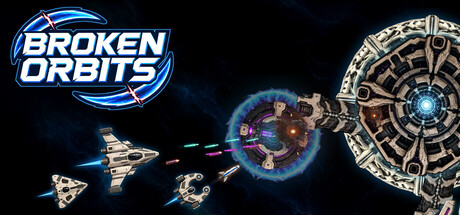 Broken Orbits Unclear artaudio | Some graphical assets and sounds. | Buder Games | - | Aug 22, 2026 | |
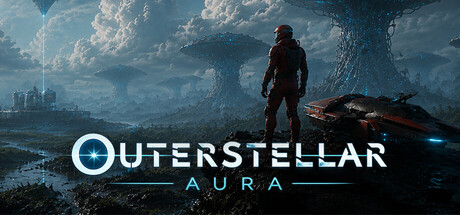 Outerstellar Aura In-game content art | Generative AI was used to create a small number of 3D models and art assets. All game code, design, and gameplay systems were created without the use of Generative AI. | Strange Horizons | - | Aug 22, 2026 | |
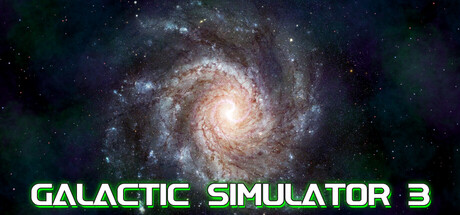 Galactic Simulator 3 In-game content art | AI generates a few images and icons, reviewed manually. | PcZ Games | - | Aug 22, 2026 | |
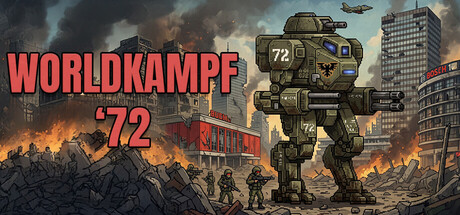 Worldkampf '72 In-game content codeaudio | We used coding assistance as well as music generation | Ubben Ubben Studios | - | Aug 22, 2026 | |
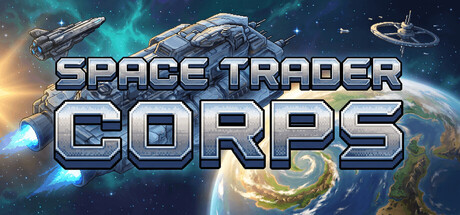 Space Trader Corps Store/marketing art | Storefront art/capsules created with assistance from AI generation tools. | D Squires | - | Aug 20, 2026 | |
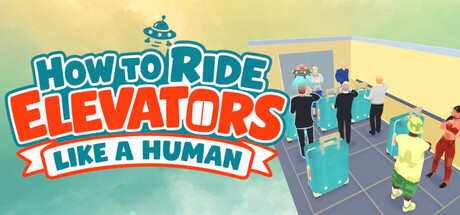 How To Ride Elevator Like A Human In-game content artcode | AI is used to support code generation. It is also used to generate a limited portion of the 3D assets, accounting for less than 5% of the total. | Nevele11 | - | Aug 20, 2026 | |
 Obolus In-game content art | The 2D art in OBOLUS is made with image generation models running locally on my own machine — Stable Diffusion XL through ComfyUI, including a style model I trained myself on 1930s cartoon references. None of it is a raw output: every sprite, backdrop, card frame and icon was directed through many passes, then cut out, colour-corrected, upscaled and assembled frame by frame into animation sheets.
Everything else is not AI: the rules, every card and every number on it, the balance, the 22 heroes, the six lands, the writing and the interface. The sound effects are synthesised by code written for this game.
Nothing is generated while you play. The game makes no network calls and ships with no model — nothing runs on your machine, and none of your data goes anywhere. | briciagames | - | Aug 19, 2026 | |
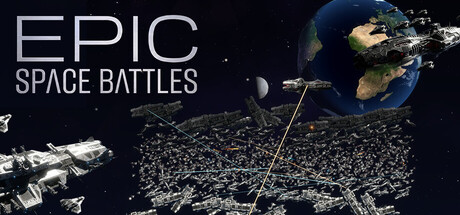 Epic Space Battles In-game content artcode | Generative AI tools were used during development to assist with the creation and iteration of some game assets and development code. AI-assisted content included in the final game is pre-generated and reviewed by the developer. The game does not generate AI content during gameplay. | BlueGamer Productions | - | Aug 19, 2026 | |
 METEORITE In-game content art | During Early Access, AI placeholders might be used in lieu of handcrafted assets to speed up development and to improve the game’s visual fidelity. It is currently our plan to gradually replace all AI-generated assets by the final release. | Astrogation | - | Aug 19, 2026 | |
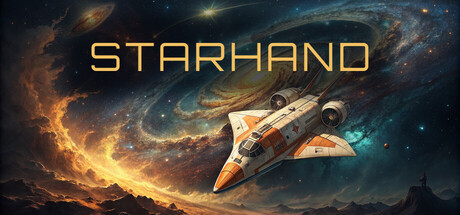 Starhand In-game content artaudiotext | The visual art, music, sound effects, pilot voice lines and written text in Starhand were created using generative AI tools — Recraft for illustration, Suno for music, and ElevenLabs for voice and sound effects — and were then selected, edited and assembled by the developer. All of it is generated ahead of time and ships as fixed assets: the game does not generate any content while you play, and it does not connect to any AI service at runtime. | Christopher Hinckley | - | Aug 17, 2026 | |
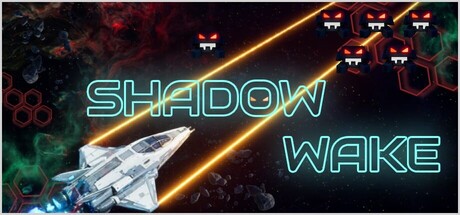 Shadow Wake In-game content audio | Used a few AI generated sound SFX | Binary Omen | - | Aug 17, 2026 | |
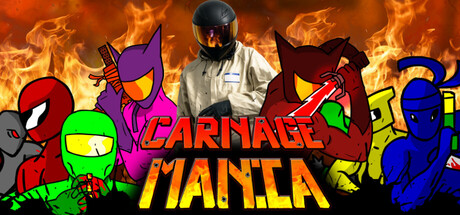 Carnage Mania In-game content audio | The character voices used in the game were generated by artificial intelligence. | Gensart | - | Aug 16, 2026 | |
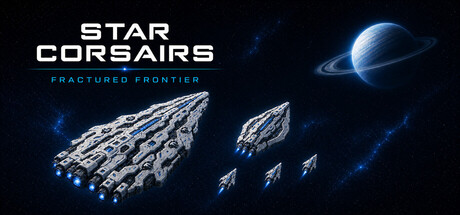 Star Corsairs: Fractured Frontier In-game content artaudiocode | I'm not a professional game developer or artist. Making my own game had been a dream for years, but I never knew how to turn that dream into reality. Generative AI became the tool that finally made it possible.
With its help, I created many of the game's visual and audio assets, including item, UI, skill, and module icons, character portraits, ships, space stations, backgrounds, the game icon, the Steam store artwork, and some of the sound effects. It also assisted me with programming.
But Star Corsairs is not a game that AI simply generated. Every asset was reviewed, rejected, refined, or replaced until it matched the vision I had in mind. Every gameplay system was designed, tested, and reworked repeatedly until it felt right. The economy, ship balance, pirate AI, combat, and progression were all shaped through countless hours of playtesting and manual iteration. The story, world, and all of the writing were created by me.
Without generative AI, this game would probably never have existed. But without the countless creative decisions, revisions, and work behind every part of it, Star Corsairs wouldn't exist either. | Tagir Nabiullin | - | Aug 16, 2026 | |
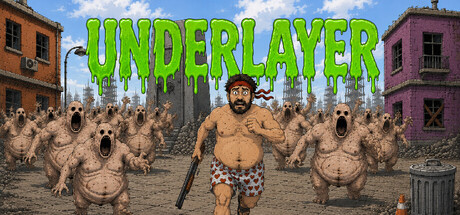 The Underlayer Store/marketing art | The images on the store page are created using AI | Real Pixel Game | - | Aug 16, 2026 | |
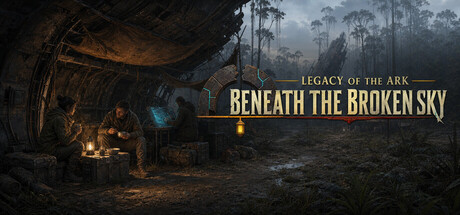 Legacy of the Ark: Beneath the Broken Sky In-game content codeart | Generative AI was used for deep game simulation to assist with designing difficulty curves and testing in game mathmatical calculations. It was also used for designing alternative UI Models for cosmetic changes.
Game Design, layout, original creations, music, sound, story, plots, etc. were Designed entirely by the Creator. | Broken Ark Studios | - | Aug 16, 2026 | |
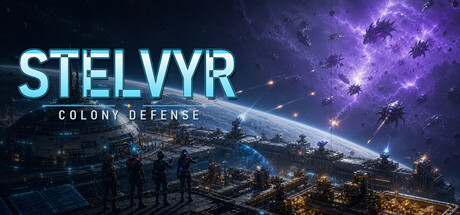 Stelvyr: Colony Defense In-game content codeart | Generative AI tools were used during development for limited coding assistance and as a starting point for some 3D assets. All AI-assisted content was reviewed, modified, and integrated by the developer. No generative AI is used during gameplay. | CannyEdge Interactive | - | Aug 16, 2026 | |
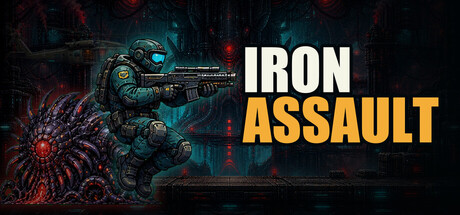 Iron Assault Store/marketing codeart | Generative tools were used during development to assist with portions of the game's source code and to create or refine some visual assets and promotional artwork. All included content was reviewed and edited by the developer. The game does not generate content during gameplay. | Jinfeng Cai | - | Aug 16, 2026 | |
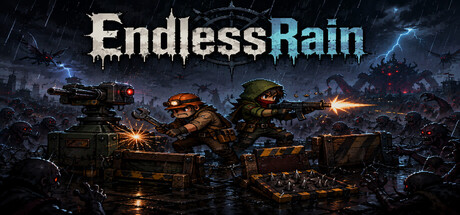 EndlessRain In-game content art | Some of the 2D pixel art assets in EndlessRain were created with the assistance of AI-based pixel art generation tools. This includes character and enemy sprites, item and ability icons, and environment art.
All generated assets were reviewed, edited, and assembled by the developer before being included in the game. Code, game design, and game text were written by the developer without AI-generated content.
No content is generated by AI while the game is running. All assets are pre-generated and ship as static files. | airnuri | - | Aug 14, 2026 | |
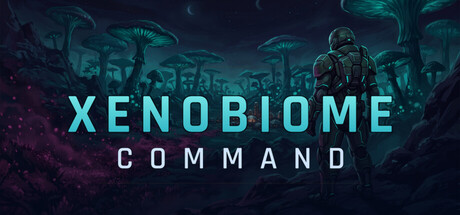 Xenobiome Command In-game content artaudiotext | Some of this game's visual assets (key art, character and hero illustrations, narration video plates) were created with generative image tools under human direction, with manual curation, retouching and compositing. The narrator's voice lines are synthesized speech generated from scripts written and edited by the developer. Some music tracks were created with generative music tools from developer-written prompts. All gameplay systems, code and game design are human-made. The game contains no live AI-generated content: everything was generated during development and reviewed before inclusion. | Gergo Nagy | - | Aug 14, 2026 | |
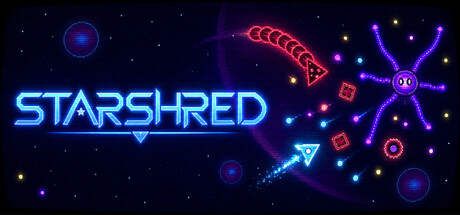 STARSHRED In-game content audio | Generative AI was used to assist in the creation of a small number of pre-generated sound effects. All AI-assisted audio was reviewed and curated by the developer. No generative AI is used during gameplay, and the game does not generate content in real time. | NEYSEGAMES | - | Aug 14, 2026 | |
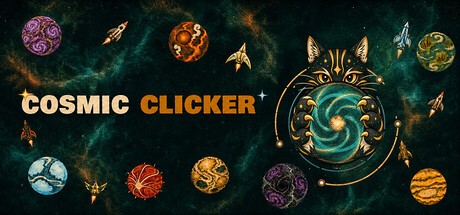 Cosmic Clicker In-game content art | During development, we used generative AI tools to transform early sketches and visual concepts into functional 2D game assets and visual materials that help define Cosmic Clicker’s identity. This included selected in-game assets, Steam store capsules, library artwork, icons, and key art.
The generated results were reviewed, selected, refined, and integrated to maintain consistency with the game’s established art direction. | Gladino | - | Aug 14, 2026 | |
 Abduction Dev only art | AI Generation Disclosure
Abduction uses generative AI in limited, supporting ways during development — for example, assisting with asset preparation such as converting custom font designs into usable game fonts. All core game design, systems, art direction, and content are created and reviewed by the developer. Generative AI is a tool in the pipeline, not a substitute for the creative work behind the game. | Buzzed Greys Studios | - | Aug 14, 2026 | |
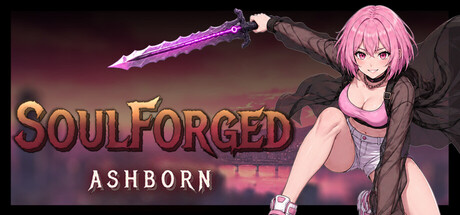 SoulForged: Ashborn In-game content artaudiotext | Rockinforged is a studio that develops games with an AI-assisted production pipeline. Generative AI tools are used across development — including 2D art, cinematic and video footage, sound, localization, store page text, and marketing materials — always under the developer's direct authorship, curation, and review. The game does not generate any content with AI at runtime. | Rockinforged | - | Aug 13, 2026 | |
 Star Seed Protocol In-game content text | Generative AI was used as an assistive tool during development and for localization support. All such content was reviewed and edited by the developer before inclusion. The game does not generate AI content live during gameplay. | No end of Space | - | Aug 13, 2026 | |
 Alive as a Service Dev only code | During development, AI tools were used to help review and debug parts of the code | koby | - | Aug 12, 2026 | |
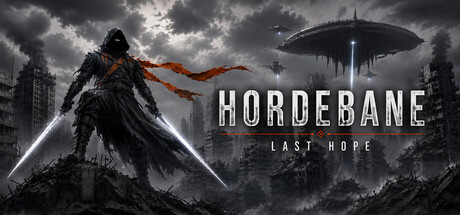 Hordebane: Last Hope In-game content audioart | The game's main soundtrack was created using generative AI. The game's promotional capsule artwork was also created with the assistance of generative AI. All other gameplay, programming, game design, pixel art, animations, visual effects, sound effects, UI, and game content were created by the developer. | Luparc Games | - | Aug 11, 2026 | |
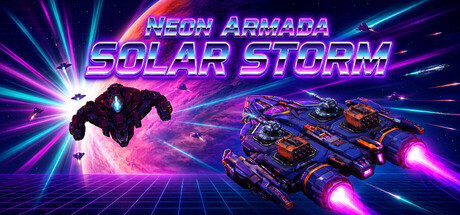 Neon Armada - Solar Storm In-game content arttextaudio | This whole game exists because I wondered whether, with these tools, I could actually make one.
Generative AI tools were used to create assets that ship with the game. The 3D ship and enemy models were generated with Meshy AI from my own 2D concept art, and AI tools assisted with in-game text, audio, and parts of the store page and marketing materials.
The design, code and balance are mine — the wave generation, the ship and weapon tuning, the modification link-set system, the campaign structure. Seventeen worlds' worth of hand-tuned numbers.
I'm a solo developer with a full-time job and three kids. The answer to the question turned out to be yes, and this is it. | Faint Signal | - | Aug 10, 2026 | |
 Nova Survivors In-game content audiotext | This game features background music generated with AI, used under a commercial license. Some of the supported-language translations were produced with AI assistance. All visual art and game code are hand-authored. | PandaRojas Studios | - | Aug 7, 2026 | |
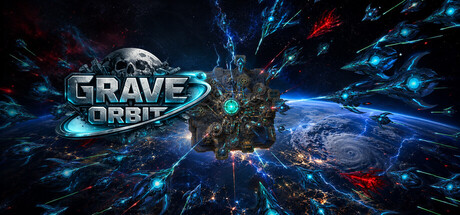 Grave Orbit Dev only | AI-assisted tools were used during development. All final content was reviewed and approved by the developer. No AI content is generated during gameplay. | Polarity Games | - | Aug 5, 2026 | |
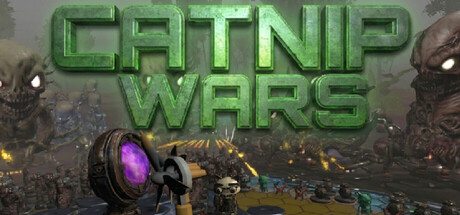 Catnip Wars In-game content art | I had a clear vision for my game but am just some guy trying to make games so I can spend more time with my kids. So I used Ai to assist me in turning my vision into art. I purchased assets from multiple artists as I fully believe in supporting the arts, however certain things I had to make myself and couldn't afford to commission an artist. | Ender Knight | - | Aug 5, 2026 | |
 The Helios Accord In-game content text | Generative AI tools assisted with parts of the development, iteration, and production process. The foundation of The Helios Accord—including its original concept, core ideas, world, systems, and narrative—was conceived, designed, and originally written by me. I direct, review, revise, and take responsibility for all AI-assisted material included in the game and its store presentation | ZOA LLC | - | Aug 5, 2026 | |
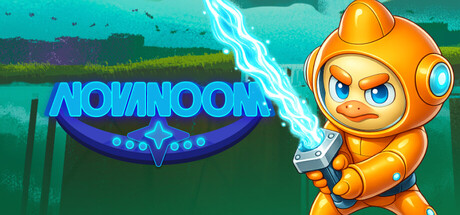 Novanoom art | Some placeholder assets in the current build were
created with AI image tools. | Wavemyth | - | Aug 5, 2026 | |
 100+ Bored Games In-game content art | this game is fully developed by AI, art is generated by AI as well | AQ | - | Aug 4, 2026 | |
 Greater Fool In-game content text | Nothing in GREATER FOOL is generated while you play. Every run is
deterministic code with seeded randomness, all music and sound is
synthesized live by the game itself, and no art comes from an image
generator: the pixel art, the icons, and the store images are drawn
in code, shape by shape.
AI assistance was used while drafting some of the game's written text,
which I edited and rewrote to fit the voice of the game. | Frog Labs LLC | - | Aug 1, 2026 | |
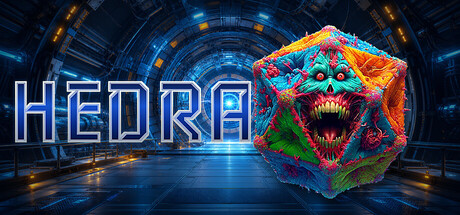 Hedra In-game content artcode | Hedra began as a physical board game designed and refined by one human developer over ten years. Nearly all of the tabletop game was created without generative AI; AI had a limited role in balance analysis. For the digital edition, AI tools played a substantial role in programming and technical development, including the original web app and its conversion into a desktop game. Most of Hedra's visual artwork was created with generative AI tools, then selected, reviewed, and integrated by the developer. The game contains pre-generated AI-assisted content. It does not generate artwork, text, audio, or other content while you play. | Hedra Games | - | Jul 29, 2026 | |
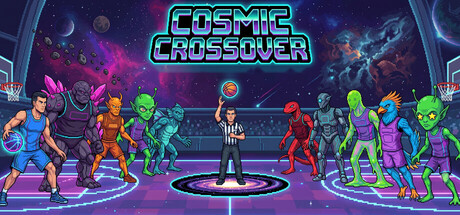 Cosmic Crossover: Roguelike Basketball In-game content arttextcode | AI was used to create images, text, and algorithms used in the game.
This game was made by a solo-developer with the help of AI. | EJ Applications | - | Jul 29, 2026 | |
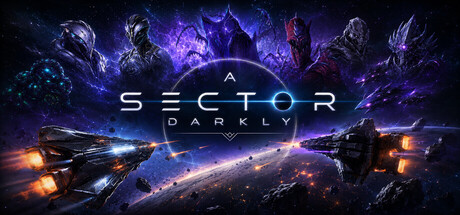 A Sector Darkly Store/marketing art | After the creation of assets by an artist, the team used gen AI to generate backdrops for assets, and general backgrounds.
Gen AI was used to amalgamate artist created assets into grouped assets. E.g. the aliens which were created by the artist are then rendered together by AI for a promotional image.
This means only the back scape mainly promotional artwork and character backgrounds were generated by AI. | A Paradise Lost Studios | - | Jul 29, 2026 | |
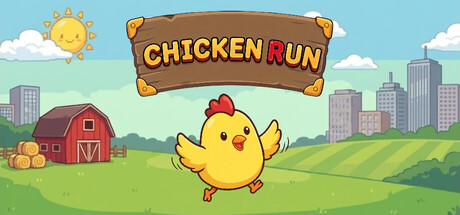 Chicken_Run In-game content artcode | During the game's development process, the Generative AI was used as a development aid. AI was used in some game image production and code review and improvement proposals, and all final images and codes included in the game were reviewed, modified, and quality checked by developers. The AI-generated results were not used without review, and verification procedures were performed to ensure that they did not infringe copyright and third-party rights. In addition, AI does not generate content or code in real time during gameplay. | My Pitiful Life | - | Jul 29, 2026 | |
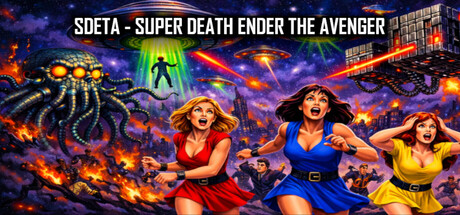 SDETA - SUPER DEATH ENDER THE AVENGER In-game content art | Some artwork in this game was created with the assistance of AI tools. | Stephen Lloyd Weightman | - | Jul 27, 2026 | |
 BLUE SHIP In-game content arttext | Generative AI was used during development to assist with the creation of some pre-generated visual assets, promotional artwork, and localization text. All AI-assisted content was reviewed and edited by the developer before being included. The game does not use live generative AI during gameplay. | HAE GAME STUDIO | - | Jul 25, 2026 | |
 N.E.O.N. HORIZON In-game content art | We used AI to generate images, as we don't have an artist on our team.
The gameplay, design, and atmosphere are all human-created. | NeonGameStudio | - | Jul 23, 2026 | |
 Alien Siege: Earth In-game content artaudio | This game uses generative AI as a starting point for visual art and music. We then edited many of the assets by hand. | Don'tSayGame | - | Jul 23, 2026 | |
 Alamet: Interstellar Wars Unclear | The game's graphics and software are powered by artificial intelligence. | ACA Games | - | Jul 23, 2026 | |
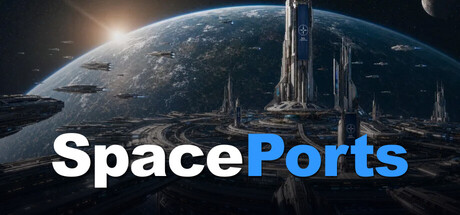 SpacePorts In-game content artcode | Generative AI was used during the development of this game to assist with the creation of certain visual assets and to help with portions of the programming process. All gameplay mechanics, game design, story, progression, and creative direction were designed and implemented by the developer. | Jørgen S. Eide | - | Jul 23, 2026 | |
 Astral Bounty In-game content arttextcode | Selected background elements, tilesets, and player and boss character models used AI-generated source material that was manually reworked and adapted. Translations were created and edited with AI assistance. Part of the game's logic was developed with AI assistance. All design and gameplay decisions were made by the developer. | Weepel Games | - | Jul 22, 2026 | |
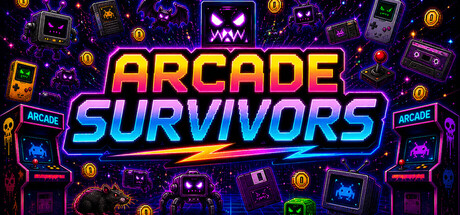 Arcade Survivors Dev only codetext | An AI assistant (Anthropic's Claude) helped write the game's code and draft store/marketing text, all reviewed by the developer. All art is hand-made and procedurally rendered; all music and sound effects are human-created or licensed (CC0 / commissioned). No AI-generated art, audio, or voice ships in the game, and no AI content is generated during play. | Martin Szerment | - | Jul 22, 2026 | |
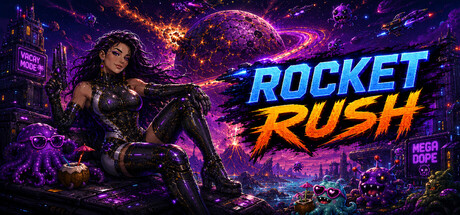 Rocket Rush general | Store Page Description
Please enter a message to players describing how this game uses generative artificial intelligence.
Note: The Steam Store will display this message under the 'About This Game' section on the game's store page. You can return to this survey at any time to update this message or its localizations. | Eternium Forge Studios | - | Jul 18, 2026 |


