Public Steam disclosure research25,376 disclosures tracked
Where do games disclose AI use?
Search developers’ Steam disclosures, compare classified AI use across
games, and follow recorded changes.
This index adds cross-game classifications and statistics to
statements published on individual store pages.
Groups reflect automatic analysis of public disclosures; mature records are excluded. These counts do not measure AI use across all of Steam.
Missing or unclear statements cannot establish whether a game uses AI.
Game Arena X uses AI-generated content only to a very limited extent. A small number of UI elements were initially created with the assistance of AI, after which they were extensively refined, adjusted, and customized by our in-house design team.
All other aspects of Game Arena X — including the platform’s concept, visual design, competitive systems, gameplay features, user experience, and overall development — are entirely original and created by our team.
Some store copy, localization, and in-game Field Guide text were drafted with generative AI and then edited. No AI content is generated live in the game. Character/environment art and audio are not AI-generated unless noted.
Generative AI was used as an auxiliary tool during development and to make minor edits and compositions to graphical assets, including logos. No generative AI is used to generate content dynamically during gameplay.
The game's core visual presentation is built around human-created playable character sprite sheets and map artwork, while the level layouts and game design are created by the developer. Generative AI was used for selected pre-generated audio, localization, and supporting visual content such as the logo and key art. No generative AI content is generated during gameplay.
The game does not generate AI content during play.
Generative AI tools assisted development and contributed to some pre-generated content used in the game or its marketing. All shipped content was selected, edited, reviewed, and integrated by the development team, and the final product reflects our own creative direction.
Generative AI was used as an assistance tool during development, including assistance with programming/code, visual assets, artwork, and game content. Generative AI was also used to assist with some promotional and Steam Store artwork. All AI-assisted content was reviewed and integrated by the developer. The game does not generate AI content during gameplay.
Generative AI tools were used during development to assist with portions of the game’s code, environmental design, visual assets, and promotional artwork. All AI-assisted content was reviewed, edited, and integrated by the developer. Splatastrophe does not generate AI content during gameplay and does not send player data to generative AI services.
Some of the 2D images in SplatStick were created with the help of generative AI tools and then edited by hand. Parts of the source code and the in-game interface text were written with the help of an AI coding assistant.
Everything else is made by people: sound effects, particle effects and fonts come from licensed third-party asset packs.
The game does not use generative AI while you play. Nothing is generated at runtime.
Some of this game's assets were produced with the help of generative AI tools: the 2D key art and cinematic stills used in the trailer, capsule art and main menu; the base meshes for the twelve zodiac fighters, generated with Meshy and then rigged, retextured and reworked by hand; and part of the music and sound effects. Every AI-generated asset was reviewed, edited and integrated manually before shipping. No generative AI runs at runtime — nothing is generated while you play.
RingOut uses generative AI to create part of its content. Some 2D artwork (character illustrations, key art and store/marketing images) and some audio (music and/or sound effects) were created with generative AI tools during development, then reviewed, edited and integrated by the developer. All 3D models are hand-made. No content is generated by AI in real time during gameplay.
AI generated content is used for store page and for meshes in game, I am a solo developer can't really afford the time to make custom meshes nor to pay and buy it.
Generative AI tools were used to assist with translations of user interface text and game descriptions into some supported languages. All localization content is pre-generated and included in the game files. The game does not generate any content using AI at runtime.
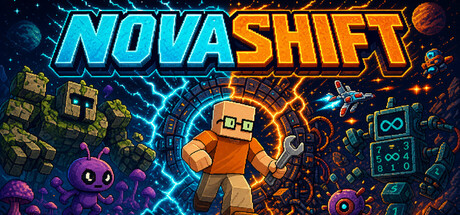
NovaShift: Universe uses AI-generated art. Some 2D artwork — enemy, boss and item sprites for several game universes, boss projectile sprites, and store/marketing images (capsules, key art, logo) — was created with the assistance of AI image-generation tools, then curated, edited, transparency-cleaned and integrated by the developer. All gameplay code, procedural art, audio and game design are human-made. No content is generated by AI at runtime; players never interact with a live AI system.
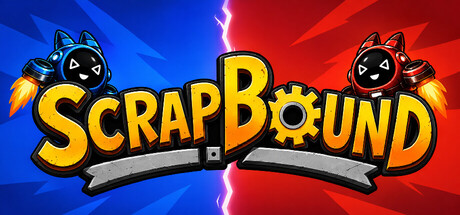
Generative AI tools were used during the development of ScrapBound to assist with the creation of some visual and audio assets. AI-generated imagery was used as a starting point for various game assets, which were then modified, edited, and integrated to fit the game's visual style. Many of these assets will over time be replaced as the development of the game continues.
Some visual assets and promotional artwork were created with the assistance of generative AI tools and subsequently selected, edited, composited, and integrated by the developer.
We intend to use AI to help for translating and localizing the game.
The Last Color was created with the assistance of AI-powered software in several areas of production, including technical development, early-stage ideation, visual experimentation, and selected artwork. These tools were used only as part of the development process. All content available to players is pre-made, and no artificial intelligence is used to create or modify content while the game is running.
AI Generation Disclosure
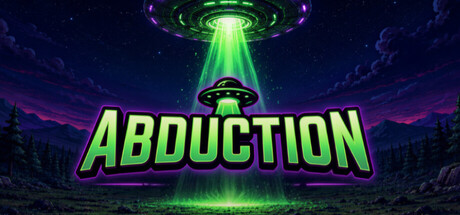
Abduction uses generative AI in limited, supporting ways during development — for example, assisting with asset preparation such as converting custom font designs into usable game fonts. All core game design, systems, art direction, and content are created and reviewed by the developer. Generative AI is a tool in the pipeline, not a substitute for the creative work behind the game.
Generative AI tools were used during development to assist with portions of debugging and gameplay balancing. All AI-assisted output was reviewed, modified, tested, and integrated by the developer. The game does not connect to generative AI services or generate AI content during gameplay.
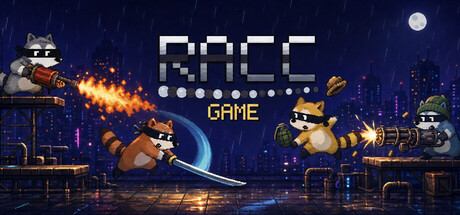
Pre-generated AI was used for store text and five original rank-emblem images (Bronze, Silver, Gold, Diamond, and Grand Racc) shown in the ranked hub and marketing. The emblems were made from our own prompts with OpenAI Codex ImageGen, reviewed and processed by us, and use no third-party source art. The game generates no AI content during play.
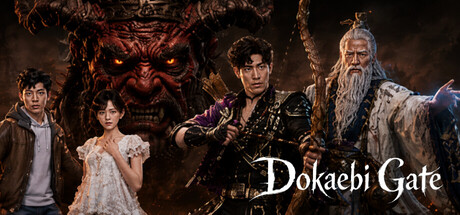
Some of the art and audio assets in Dokaebi Gate were created using generative AI tools, then processed and edited by hand before shipping. This covers equipment and item icons, some VFX textures, sound effects and background music, and a portion of the 3D enemy and environment models. Artwork used on this store page is included as well.
No AI runs while you play. Nothing is generated live during gameplay, and no player input or data is sent to any AI service. Game design, code, balance, and all writing are human-authored.
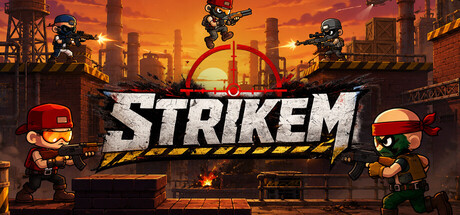
STRIKEM uses generative AI for some illustrated background art only. All gameplay sprites — characters, enemies, and tilesets — were hand-created without AI. All assets are pre-generated; nothing is AI-generated at runtime.
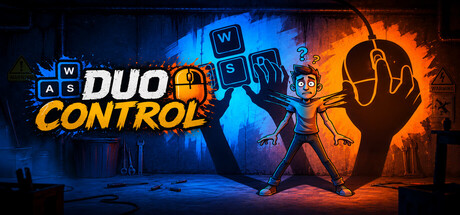
Some visual assets and promotional artwork used in DuoControl were created or assisted using generative AI and were further refined by our development team. No generative AI is used during gameplay, and players cannot generate AI content within the game.
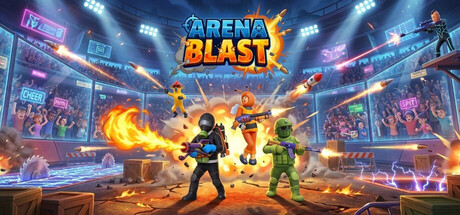
Blast Arena does not use AI to generate gameplay, code, or real-time content. Artificial intelligence was only used during development to help create certain promotional and marketing assets, such as concept art and store visuals. All in-game content and player experiences are fully handcrafted and not AI-generated.
Generative AI tools were used during development to create and refine some pre-generated visual assets, including concept art, character and environment models, textures, animations, UI artwork, icons, visual effects, and selected store or marketing images. All such assets were reviewed and edited by the developer. The game does not generate AI content during gameplay and does not connect to external AI services while running.
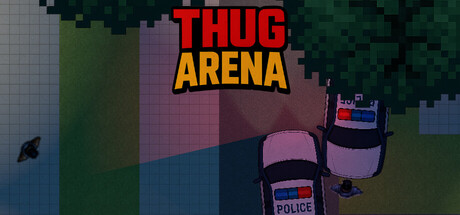
Thug Arena was made with the use of AI and LLMs to generate many of the graphical assets. The game was made by two brothers in our spare time, and none of us are artists or can afford to pay artists for this game. We have used AI creatively to get to a style we liked for the game including most but not all assets, such as trees, buildings, pedestrians and weapons.
Generative AI was used to assist in creating certain promotional and store page artwork. All AI-generated content was reviewed, edited, and refined by the developer. No generative AI is used during gameplay.
Johnny Jagung uses generative AI across much of its content. The visual art (character, enemy, boss, and UI artwork), music, sound effects, in-game text, and Indonesian translation were all created with the help of generative AI tools, then reviewed, curated, and assembled into the game by the developer — for instance, character art is hand-edited, composited, and animated from generated source images. All AI-generated content is created during development; the game does not generate anything live while you play.
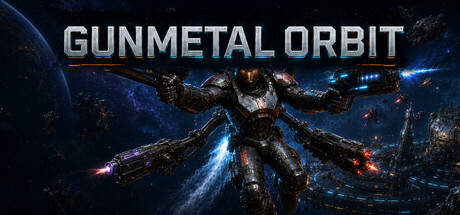
Some of Gunmetal Orbit's art and audio assets - including concept art used to build 3D models, UI icons, sound effects, and the store page key art - were created during development with the help of generative AI tools, then curated, edited, and integrated by the developers. All gameplay code and game design are human-made, and the game does not generate any AI content while you play.
This game uses AI-generated music (Suno) and AI-generated voice acting (ElevenLabs). All AI-generated content has been reviewed and curated by the developer before inclusion in the game.
Generative AI was used to create selected voice performances (including the in-game commentator) as well as concept artwork and promotional illustrations. All AI-generated assets were reviewed, edited, and integrated by the developer.
Generative AI was used in preparing the store page materials: the text description and the screenshots. The screenshots are not AI-generated - they are captured from the actual game, with AI tools used for color correction. All materials have been reviewed and approved by the developer.
No generative AI runs during gameplay: all content is fixed and nothing is generated live
Game Arena X uses AI-generated content only to a very limited extent. A small number of UI elements were initially created with the assistance of AI, after which they were extensively refined, adjusted, and customized by our in-house design team.
All other aspects of Game Arena X — including the platform’s concept, visual design, competitive systems, gameplay features, user experience, and overall development — are entirely original and created by our team.
Some store copy, localization, and in-game Field Guide text were drafted with generative AI and then edited. No AI content is generated live in the game. Character/environment art and audio are not AI-generated unless noted.
Generative AI was used as an auxiliary tool during development and to make minor edits and compositions to graphical assets, including logos. No generative AI is used to generate content dynamically during gameplay.
The game's core visual presentation is built around human-created playable character sprite sheets and map artwork, while the level layouts and game design are created by the developer. Generative AI was used for selected pre-generated audio, localization, and supporting visual content such as the logo and key art. No generative AI content is generated during gameplay.
The game does not generate AI content during play.
Generative AI tools assisted development and contributed to some pre-generated content used in the game or its marketing. All shipped content was selected, edited, reviewed, and integrated by the development team, and the final product reflects our own creative direction.
Generative AI was used as an assistance tool during development, including assistance with programming/code, visual assets, artwork, and game content. Generative AI was also used to assist with some promotional and Steam Store artwork. All AI-assisted content was reviewed and integrated by the developer. The game does not generate AI content during gameplay.
Generative AI tools were used during development to assist with portions of the game’s code, environmental design, visual assets, and promotional artwork. All AI-assisted content was reviewed, edited, and integrated by the developer. Splatastrophe does not generate AI content during gameplay and does not send player data to generative AI services.
Some of the 2D images in SplatStick were created with the help of generative AI tools and then edited by hand. Parts of the source code and the in-game interface text were written with the help of an AI coding assistant.
Everything else is made by people: sound effects, particle effects and fonts come from licensed third-party asset packs.
The game does not use generative AI while you play. Nothing is generated at runtime.
Some of this game's assets were produced with the help of generative AI tools: the 2D key art and cinematic stills used in the trailer, capsule art and main menu; the base meshes for the twelve zodiac fighters, generated with Meshy and then rigged, retextured and reworked by hand; and part of the music and sound effects. Every AI-generated asset was reviewed, edited and integrated manually before shipping. No generative AI runs at runtime — nothing is generated while you play.
RingOut uses generative AI to create part of its content. Some 2D artwork (character illustrations, key art and store/marketing images) and some audio (music and/or sound effects) were created with generative AI tools during development, then reviewed, edited and integrated by the developer. All 3D models are hand-made. No content is generated by AI in real time during gameplay.
AI generated content is used for store page and for meshes in game, I am a solo developer can't really afford the time to make custom meshes nor to pay and buy it.
Generative AI tools were used to assist with translations of user interface text and game descriptions into some supported languages. All localization content is pre-generated and included in the game files. The game does not generate any content using AI at runtime.
NovaShift: Universe uses AI-generated art. Some 2D artwork — enemy, boss and item sprites for several game universes, boss projectile sprites, and store/marketing images (capsules, key art, logo) — was created with the assistance of AI image-generation tools, then curated, edited, transparency-cleaned and integrated by the developer. All gameplay code, procedural art, audio and game design are human-made. No content is generated by AI at runtime; players never interact with a live AI system.
Generative AI tools were used during the development of ScrapBound to assist with the creation of some visual and audio assets. AI-generated imagery was used as a starting point for various game assets, which were then modified, edited, and integrated to fit the game's visual style. Many of these assets will over time be replaced as the development of the game continues.
Some visual assets and promotional artwork were created with the assistance of generative AI tools and subsequently selected, edited, composited, and integrated by the developer.
We intend to use AI to help for translating and localizing the game.
The Last Color was created with the assistance of AI-powered software in several areas of production, including technical development, early-stage ideation, visual experimentation, and selected artwork. These tools were used only as part of the development process. All content available to players is pre-made, and no artificial intelligence is used to create or modify content while the game is running.
AI Generation Disclosure
Abduction uses generative AI in limited, supporting ways during development — for example, assisting with asset preparation such as converting custom font designs into usable game fonts. All core game design, systems, art direction, and content are created and reviewed by the developer. Generative AI is a tool in the pipeline, not a substitute for the creative work behind the game.
Generative AI tools were used during development to assist with portions of debugging and gameplay balancing. All AI-assisted output was reviewed, modified, tested, and integrated by the developer. The game does not connect to generative AI services or generate AI content during gameplay.
Pre-generated AI was used for store text and five original rank-emblem images (Bronze, Silver, Gold, Diamond, and Grand Racc) shown in the ranked hub and marketing. The emblems were made from our own prompts with OpenAI Codex ImageGen, reviewed and processed by us, and use no third-party source art. The game generates no AI content during play.
Some of the art and audio assets in Dokaebi Gate were created using generative AI tools, then processed and edited by hand before shipping. This covers equipment and item icons, some VFX textures, sound effects and background music, and a portion of the 3D enemy and environment models. Artwork used on this store page is included as well.
No AI runs while you play. Nothing is generated live during gameplay, and no player input or data is sent to any AI service. Game design, code, balance, and all writing are human-authored.
STRIKEM uses generative AI for some illustrated background art only. All gameplay sprites — characters, enemies, and tilesets — were hand-created without AI. All assets are pre-generated; nothing is AI-generated at runtime.
Some visual assets and promotional artwork used in DuoControl were created or assisted using generative AI and were further refined by our development team. No generative AI is used during gameplay, and players cannot generate AI content within the game.
Blast Arena does not use AI to generate gameplay, code, or real-time content. Artificial intelligence was only used during development to help create certain promotional and marketing assets, such as concept art and store visuals. All in-game content and player experiences are fully handcrafted and not AI-generated.
Generative AI tools were used during development to create and refine some pre-generated visual assets, including concept art, character and environment models, textures, animations, UI artwork, icons, visual effects, and selected store or marketing images. All such assets were reviewed and edited by the developer. The game does not generate AI content during gameplay and does not connect to external AI services while running.
Thug Arena was made with the use of AI and LLMs to generate many of the graphical assets. The game was made by two brothers in our spare time, and none of us are artists or can afford to pay artists for this game. We have used AI creatively to get to a style we liked for the game including most but not all assets, such as trees, buildings, pedestrians and weapons.
Generative AI was used to assist in creating certain promotional and store page artwork. All AI-generated content was reviewed, edited, and refined by the developer. No generative AI is used during gameplay.
Johnny Jagung uses generative AI across much of its content. The visual art (character, enemy, boss, and UI artwork), music, sound effects, in-game text, and Indonesian translation were all created with the help of generative AI tools, then reviewed, curated, and assembled into the game by the developer — for instance, character art is hand-edited, composited, and animated from generated source images. All AI-generated content is created during development; the game does not generate anything live while you play.
Some of Gunmetal Orbit's art and audio assets - including concept art used to build 3D models, UI icons, sound effects, and the store page key art - were created during development with the help of generative AI tools, then curated, edited, and integrated by the developers. All gameplay code and game design are human-made, and the game does not generate any AI content while you play.
This game uses AI-generated music (Suno) and AI-generated voice acting (ElevenLabs). All AI-generated content has been reviewed and curated by the developer before inclusion in the game.
Generative AI was used to create selected voice performances (including the in-game commentator) as well as concept artwork and promotional illustrations. All AI-generated assets were reviewed, edited, and integrated by the developer.
Generative AI was used in preparing the store page materials: the text description and the screenshots. The screenshots are not AI-generated - they are captured from the actual game, with AI tools used for color correction. All materials have been reviewed and approved by the developer.
No generative AI runs during gameplay: all content is fixed and nothing is generated live