Public Steam disclosure research25,376 disclosures tracked
Where do games disclose AI use?
Search developers’ Steam disclosures, compare classified AI use across
games, and follow recorded changes.
This index adds cross-game classifications and statistics to
statements published on individual store pages.
Groups reflect automatic analysis of public disclosures; mature records are excluded. These counts do not measure AI use across all of Steam.
Missing or unclear statements cannot establish whether a game uses AI.
This game started with my own ideas. Its development, design, sound, and graphics were all created using AI. AI-generated content was created during development. The game does not generate AI content during gameplay or connect to external AI services.
We use AI to generate combat simulation tests, placeholder artwork, and agentic workflows for game logic. AI is a tool and not something to replace humans with. A lot of human hours have been put into the game too.
Some of the artwork and text in this game and on its store page, including the translations, were created with the assistance of AI tools and reviewed by the developer.
Generative AI technology is used in a supplementary capacity during the creation of some user interface assets.
Any such assets are replaced through our production pipeline by our art and development teams, ensuring they meet our quality standards and creative direction.
Voice lines and sound effects were produced with AI voice synthesis
(ElevenLabs) during development. Some character portraits and UI/VFX
textures were created with AI-assisted tools. All assets were reviewed,
edited and integrated by the developer.
No generative AI runs at runtime — the game ships only pre-generated,
fixed assets.
Spellchainer is made by a solo developer. I used generative AI sporadically to help fill gaps in artwork and textures, including selected in-game and marketing visuals. These assets were reviewed and edited before inclusion. No content is generated by AI during gameplay.
Generative AI tools were used during development to create some artwork, music, text and translations, including promotional material. This content is prepared in advance. The game does not generate AI content or connect to AI services while you play.
I use generative technologies strictly in a supporting role, including: brain-storming; editing text; altering images; research; transcription…
Generated assets are never the first seed nor the last product of any content in my games.
Pre-generated AI-assisted content: portions of the game's 2D art, music, sound effects, NPC voice lines, and promotional artwork were created with AI generation tools during development, then reviewed and finalized by the developer. No AI content is generated at runtime.
Generative AI tools were used during development to assist in creating some pre-generated 2D game artwork, promotional artwork, and Steam store and community assets. All AI-assisted outputs were reviewed and edited by the developer. The game does not generate content using AI while it is running.
We use AI to assist with ideation for some art assets, music, and programming, as well as to support asset creation during the prototyping stage. All final assets are manually recreated, arranged, refined, and exported by our team.
The game includes pre-generated AI-assisted content, including some character and card illustrations, boss videos, and portions of localized text. These assets are produced during development and included with the game. The game does not request new images, text, or voices from generative AI services during play.
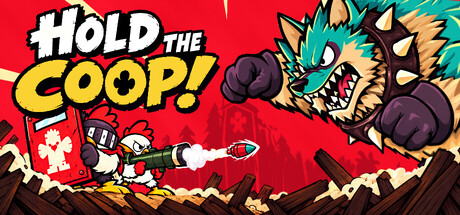
We used AI tools to speed up parts of our creative workflow, including artwork, music, text, and translations. Our creative vision guided the process, and we selected and refined the visuals to match Hold the Coop!’s cartoon style.
Game illustrations and some sound effects, as well as part of the text and localization, are created using generative AI tools, then manually refined and validated. No content is generated by AI in real time, and the game design is human-made.
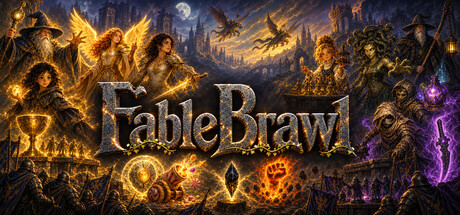
FableBrawl uses pre-generated AI content for Storybook artwork, store artwork, some music and sound effects, and translations. These assets are created during development and shipped as finished files. No content or code is generated by AI during gameplay, and the game does not call an external generative AI service while you play.
Storybook mode art is AI-generated; if you prefer no AI art, you can use Rough Draft mode art. Community Mode is a work-in-progress version supported by the generous donations of our community.
As a solo developer several of the art assets used during the development of the game are generated using AI models with art references. Should the game be successful it is my hope to slowly start using commissioned art.
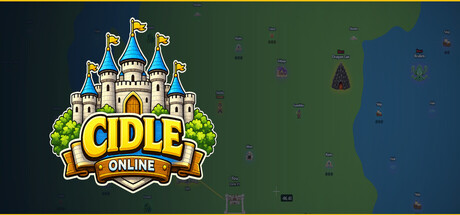
Some of the 2D art in Cidle Online was created with the help of generative AI
image tools. This includes parts of the sprite work for buildings, points of
interest and item icons, as well as some store page artwork. Every generated
image was reviewed, edited and adjusted by hand before it went into the game,
and assets are checked so they do not reproduce existing works.
All of this art is produced during development. Nothing is generated by AI
while you play, and the game does not send any of your data to an AI service.
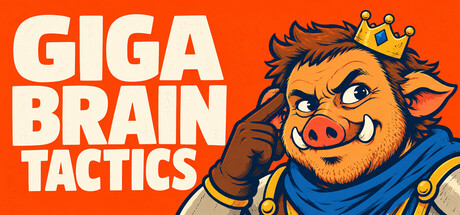
Generative AI tools were used during the development of GIGA BRAIN TACTICS to assist with the creation of certain visual and audio assets, as well as during the game development process.
All AI-assisted content is reviewed, refined, and integrated by the developers to ensure consistency with the game's visual style and quality standards.
Cosmo Arena uses generative AI tools during development to assist with the creation and refinement of certain visual assets, concept art, UI elements, textures, and other game content. All AI-assisted content is reviewed, edited, and integrated by the developer. Generative AI is not used to create content dynamically during gameplay.
We are using AI to help write, structure, and/or review written code by the team. Some of the artwork in this game was produced with the help of generative AI tools.
Generative AI tools were used in a limited capacity to assist with the creation and enhancement of certain 2D images and audio assets. No 3D models, animations, gameplay systems, or other game content were generated using AI.
Some of the content in Abyss Floors was created with the help of generative AI tools, always under the developer's direction and review:
Text — Portions of the game's descriptive and flavor text (item and ability descriptions, interface copy, and atmospheric lore lines) were drafted with AI assistance and edited by the developer.
Store & branding art — The store-page capsules, library images, and other branding graphics were produced with AI-assisted tools.
Abyss Floors is a text- and table-driven simulation, so there is no AI-generated illustrated art in actual gameplay, and all screenshots on this page are captured directly from the live game. The game's design, balance, systems, and code are the developer's own, with AI used as a development aid rather than to generate gameplay content.
AI tools were used in a limited capacity to support coding, early prototyping, and the creation of a small number of icons. All AI-assisted elements were reviewed and refined by us.
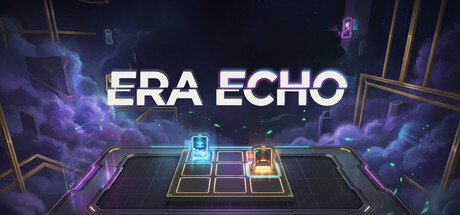
Era Echo is developed by a solo developer. Generative AI tools are used to assist with development and production (for example concepting, drafts, and iteration), which has helped make shipping a solo project practical. All shipped content is reviewed and directed by the developer.
Generative AI was used to assist in creating promotional artwork for the Steam store and library assets. The game itself does not use live-generated AI content.
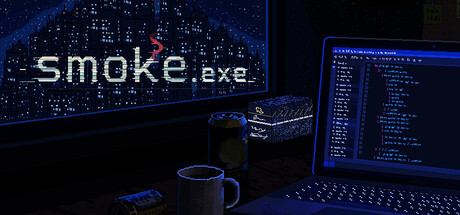
This game uses generative AI in the following ways:
Music — tracks were built from AI-generated material, then edited and arranged by hand.
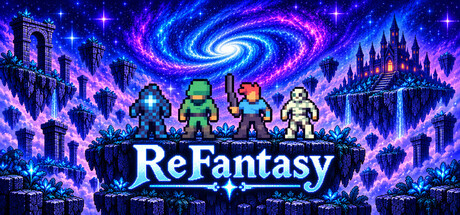
Title artwork — an AI-generated rough was used as reference and redrawn by hand as pixel art.
English localization — the English text was machine-translated and then reviewed and corrected by the developer.
Code — parts of the game's code were written with AI assistance.
Everything else is made by the developer by hand: all 145 in-game icons, every UI image, the cigarette package illustrations, and the achievement icons.
The following content was created with the help of AI tools:
- Store capsule images and banners
- Stage map images
- Translations into localized languages
- Steam achievement icons
All AI-generated content was reviewed by our development team before being added to the game and store page.
This game started with my own ideas. Its development, design, sound, and graphics were all created using AI. AI-generated content was created during development. The game does not generate AI content during gameplay or connect to external AI services.
We use AI to generate combat simulation tests, placeholder artwork, and agentic workflows for game logic. AI is a tool and not something to replace humans with. A lot of human hours have been put into the game too.
Some of the artwork and text in this game and on its store page, including the translations, were created with the assistance of AI tools and reviewed by the developer.
Generative AI technology is used in a supplementary capacity during the creation of some user interface assets.
Any such assets are replaced through our production pipeline by our art and development teams, ensuring they meet our quality standards and creative direction.
Voice lines and sound effects were produced with AI voice synthesis
(ElevenLabs) during development. Some character portraits and UI/VFX
textures were created with AI-assisted tools. All assets were reviewed,
edited and integrated by the developer.
No generative AI runs at runtime — the game ships only pre-generated,
fixed assets.
Spellchainer is made by a solo developer. I used generative AI sporadically to help fill gaps in artwork and textures, including selected in-game and marketing visuals. These assets were reviewed and edited before inclusion. No content is generated by AI during gameplay.
Generative AI tools were used during development to create some artwork, music, text and translations, including promotional material. This content is prepared in advance. The game does not generate AI content or connect to AI services while you play.
I use generative technologies strictly in a supporting role, including: brain-storming; editing text; altering images; research; transcription…
Generated assets are never the first seed nor the last product of any content in my games.
Pre-generated AI-assisted content: portions of the game's 2D art, music, sound effects, NPC voice lines, and promotional artwork were created with AI generation tools during development, then reviewed and finalized by the developer. No AI content is generated at runtime.
Generative AI tools were used during development to assist in creating some pre-generated 2D game artwork, promotional artwork, and Steam store and community assets. All AI-assisted outputs were reviewed and edited by the developer. The game does not generate content using AI while it is running.
We use AI to assist with ideation for some art assets, music, and programming, as well as to support asset creation during the prototyping stage. All final assets are manually recreated, arranged, refined, and exported by our team.
The game includes pre-generated AI-assisted content, including some character and card illustrations, boss videos, and portions of localized text. These assets are produced during development and included with the game. The game does not request new images, text, or voices from generative AI services during play.
We used AI tools to speed up parts of our creative workflow, including artwork, music, text, and translations. Our creative vision guided the process, and we selected and refined the visuals to match Hold the Coop!’s cartoon style.
Game illustrations and some sound effects, as well as part of the text and localization, are created using generative AI tools, then manually refined and validated. No content is generated by AI in real time, and the game design is human-made.
FableBrawl uses pre-generated AI content for Storybook artwork, store artwork, some music and sound effects, and translations. These assets are created during development and shipped as finished files. No content or code is generated by AI during gameplay, and the game does not call an external generative AI service while you play.
Storybook mode art is AI-generated; if you prefer no AI art, you can use Rough Draft mode art. Community Mode is a work-in-progress version supported by the generous donations of our community.
As a solo developer several of the art assets used during the development of the game are generated using AI models with art references. Should the game be successful it is my hope to slowly start using commissioned art.
Some of the 2D art in Cidle Online was created with the help of generative AI
image tools. This includes parts of the sprite work for buildings, points of
interest and item icons, as well as some store page artwork. Every generated
image was reviewed, edited and adjusted by hand before it went into the game,
and assets are checked so they do not reproduce existing works.
All of this art is produced during development. Nothing is generated by AI
while you play, and the game does not send any of your data to an AI service.
Generative AI tools were used during the development of GIGA BRAIN TACTICS to assist with the creation of certain visual and audio assets, as well as during the game development process.
All AI-assisted content is reviewed, refined, and integrated by the developers to ensure consistency with the game's visual style and quality standards.
Cosmo Arena uses generative AI tools during development to assist with the creation and refinement of certain visual assets, concept art, UI elements, textures, and other game content. All AI-assisted content is reviewed, edited, and integrated by the developer. Generative AI is not used to create content dynamically during gameplay.
We are using AI to help write, structure, and/or review written code by the team. Some of the artwork in this game was produced with the help of generative AI tools.
Generative AI tools were used in a limited capacity to assist with the creation and enhancement of certain 2D images and audio assets. No 3D models, animations, gameplay systems, or other game content were generated using AI.
Some of the content in Abyss Floors was created with the help of generative AI tools, always under the developer's direction and review:
Text — Portions of the game's descriptive and flavor text (item and ability descriptions, interface copy, and atmospheric lore lines) were drafted with AI assistance and edited by the developer.
Store & branding art — The store-page capsules, library images, and other branding graphics were produced with AI-assisted tools.
Abyss Floors is a text- and table-driven simulation, so there is no AI-generated illustrated art in actual gameplay, and all screenshots on this page are captured directly from the live game. The game's design, balance, systems, and code are the developer's own, with AI used as a development aid rather than to generate gameplay content.
AI tools were used in a limited capacity to support coding, early prototyping, and the creation of a small number of icons. All AI-assisted elements were reviewed and refined by us.
Era Echo is developed by a solo developer. Generative AI tools are used to assist with development and production (for example concepting, drafts, and iteration), which has helped make shipping a solo project practical. All shipped content is reviewed and directed by the developer.
Generative AI was used to assist in creating promotional artwork for the Steam store and library assets. The game itself does not use live-generated AI content.
This game uses generative AI in the following ways:
Music — tracks were built from AI-generated material, then edited and arranged by hand.
Title artwork — an AI-generated rough was used as reference and redrawn by hand as pixel art.
English localization — the English text was machine-translated and then reviewed and corrected by the developer.
Code — parts of the game's code were written with AI assistance.
Everything else is made by the developer by hand: all 145 in-game icons, every UI image, the cigarette package illustrations, and the achievement icons.
The following content was created with the help of AI tools:
- Store capsule images and banners
- Stage map images
- Translations into localized languages
- Steam achievement icons
All AI-generated content was reviewed by our development team before being added to the game and store page.