Public Steam disclosure research25,376 disclosures tracked
Where do games disclose AI use?
Search developers’ Steam disclosures, compare classified AI use across
games, and follow recorded changes.
This index adds cross-game classifications and statistics to
statements published on individual store pages.
Groups reflect automatic analysis of public disclosures; mature records are excluded. These counts do not measure AI use across all of Steam.
Missing or unclear statements cannot establish whether a game uses AI.
Some character, enemy, and environment sprites in this game were created with the assistance of AI image generation tools during development. All AI-generated content was reviewed and edited by the developers before inclusion.
The key art was developed by hand by our art team but some AI generated content may have been included via store asses. A coding agent was used to help write features.
Pre-generated AI artwork was used for characters, enemies, bosses, environments, interface icons, and store and promotional artwork. These assets were selected, edited, and integrated during development. The game does not generate AI content during play or connect to external AI services.
Pre-generated content only. No AI runs while the game is played.
Some monster and boss sprites were generated with PixelLab (an AI pixel-art tool) and then hand-edited, cut into animation strips and cleaned up by the developer. A few background art pieces, such as arcade machine sheets and map-card thumbnails, were generated with Google Gemini and then reworked by hand. The music soundtrack was generated with Suno on a paid licence. Some store page art may be based on these assets.
All gameplay code, the level design, the rest of the sprite art, UI, sound effects and all text were made by the developer without generative AI. The game does not generate any content at runtime.
We used generative AI tools during development to assist with some pre-rendered content: drafting store page text, producing UI layout mockups and some UI sprite assets, and generating base meshes for a portion of 3D props (which were then reviewed and edited by the team). All gameplay, code logic, and final art direction were created and approved by the developers. The game does not generate any content with AI at runtime.
Generative AI tools were used to assist with some store marketing assets including capsule artwork, as well as a small number of in-game item icons and a loading screen. All AI-assisted assets were reviewed, edited and polished by hand before use and will be replaced at a later date.
Generative AI was used during development to assist with drafting and refining some localization text and selected promotional artwork. All AI-assisted material is pre-generated, reviewed, and edited by the developer before inclusion. The game does not generate AI content during gameplay and does not connect to external AI services.
Almost all of the game’s content has been handmade by our art team. A small number of textures were generated with generative AI tools, then edited and integrated into the final assets by the development team.
During our creative processes, we may use modern digital tools that include AI-based features to assist with content creation, such as language translation or voice acting. This helps us stay innovative without losing sight of what makes our games truly unique, while ensuring the final product preserves the distinctive style and quality our development team strives for.
Generative AI tools assisted with portions of the game’s code and written material, and with the creation of pre-generated promotional key art and derivative marketing graphics. All final content was selected, edited, tested, and reviewed by the developer. Gameplay screenshots and trailers show the actual game.
Generative AI tools were used in the development of this game to assist with creating select artwork, writing promotional/store page descriptions, and localization.
Generative AI tools were used during development to assist with pre-generated visual and audio assets. Final content was reviewed and integrated under the developer’s direction. NO content is generated by AI during gameplay.
Generative AI was used during development to assist in creating some pre-generated content, including certain visual assets, music and sound assets, as well as some text and localization content. All such content was generated during development and was reviewed, selected, edited, adjusted, and integrated by the developer before being included in the game.
The game does not use generative AI at runtime and does not generate new text, images, audio, or other game content dynamically in response to player input.
We used generative AI tools (such as Claude) during development to assist with creating certain in-game assets, textures, or text elements. All AI-generated content has been reviewed, selected, and integrated by human creators into the final game.
This game was developed by a single developer. Generative AI was used in the creation of character animation, UI icons, music, and sound effects, and for coding assistance during development. The story, writing, character design direction, and all creative decisions were made entirely by the developer. No content is generated by AI during gameplay.
The game does not generate any content with AI at runtime. Some illustrations and some in-game artwork were pre-generated using generative AI image tools, then curated, edited and integrated by our team. All game design, code, writing and final art direction are human-made.
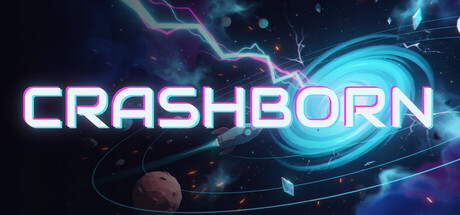
Some of Crashborn's art, audio and base 3D models were created with generative AI tools and edited by hand. They are placeholders being replaced with work from dedicated artists ahead of the 1.0 release. The game does not generate content at runtime.
Artificial intelligence has been used solely to generate certain 2D icons used in the game's menus, such as icons for weapon upgrades, artifacts, and similar elements.
AI has not been used under any circumstances to generate 3D models, user interfaces, in-game menus, weapons, enemies, environments, animations, VFX, or any other playable content or assets.
The use of AI is strictly limited to specific 2D icons of a visual and informational nature within the interface.
Some 2D visual assets were created with assistance from generative AI, then manually edited and polished by the developer. No AI-generated content is created during gameplay.
Generative AI was used during development to create or refine pre-generated visual assets, music and audio, and localization drafts included in the game and its marketing materials. All such content was reviewed and curated by the developer before release. The game does not generate AI content during play and does not send player data to external AI services.
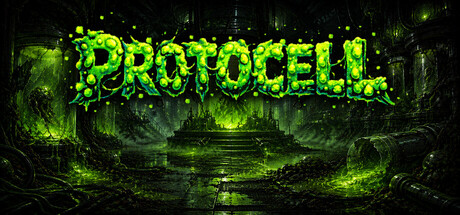
Protocell's soundtrack was generated with an AI music tool, and a few interface layouts were explored with the help of AI image tool. Everything else — the code, the design, the pixel art and the procedurally generated creatures — is hand-crafted or produced by the game's own engine. No generative AI runs in real time while you play.
We used AI-assisted tools during development to help create and iterate on internal game code, UI sprites, and some 3D model assets. All AI-assisted outputs were reviewed, edited, and approved by the development team before being included in the game. The game does not allow players to generate AI content during gameplay.
Generative AI has been used during the early stages of development to create temporary placeholder content, primarily to support production and prototyping. This content is intended to be temporary and is planned to be replaced with final assets specifically created for the game as development progresses.
Generative AI tools were used to assist in creating some game assets, including visual and audio content. All AI-assisted content was reviewed and refined by the development team before being included in the game.
Generative AI was used to create some pre-generated artwork and music included in the game and its promotional materials. AI-generated content was reviewed and selected by the developer before being included. The game does not use generative AI to generate content live during gameplay.
As indie developers we use generative AI to power our creativity and build this game faster and according our community desires and our own vision for the game.
Generative AI is used to assist with the translation and localization of in-game text and Steam store page content from the original Japanese into other supported languages.
I am a solo developer balancing this project with another job. To make this game a reality, I have used generative AI tools as an assistant during development, as well as to generate various pre-rendered assets: 2D visual elements (such as item icons, textures, and interface art) and the composition of the orchestral soundtrack.
We used AI tools in two places during development, and in neither of them to replace creative work.
Our French, Spanish, Italian, Japanese and Korean localisations are made using AI. We also used AI assistance while writing and restructuring parts of our codebase.
Everything players see and hear — art, animation, sound, music, game design and all original writing — was made by people.
There is usage of generative AI in two places and everything it produced has been reviewed. The soundtrack was created with the assistance of AI, and some of the writing was drafted with an AI assistant and then edited afterwards: card, UI and help text, the Simplified Chinese translation, and the store page and marketing copy. Nothing else is model output — the logo, the app icon and every visual in the game are drawn by the game's own code from geometry in the source, and the sound effects are synthesized as you play.
Artificial Intelligence Usage Notice:
We have used some generative models to prototype new ideas, and some of them have been made into production. However, AI-generated content is no more than 1% of the total game assets and arts.
All 2D artwork in this game (characters, monsters, environments, icons) and the store/marketing images were pre-generated using AI image tools, then curated, edited, and integrated by the developer. Music was pre-generated with AI music tools; sound effects were pre-generated locally with an open-source AI audio model. Localization into some languages was produced with AI assistance and reviewed by the developer. The game does not generate any content with AI at runtime — all AI-generated content is pre-rendered and ships as fixed assets.
Some pre-rendered assets were created with generative AI tools and then curated, edited and integrated by hand: music tracks and their cover art, some sound effects and portions of 2d artwork (weapon, prop, and enemy sprites.) All generated content was reviewed by the developer before inclusion. No content is AI-generated at runtime.
Pixel art assets (characters, monsters, bosses, projectiles, spirits, tiles) were created with PixelLab, an AI pixel-art tool, and then edited by hand to fit the game. No AI is used at runtime. All code, game design, sound effects and music are human-authored (audio is synthesized in code).
All artwork (characters, monsters, environments, visual effects) and much of the game's code were created with generative AI tools. No content is AI-generated while the game runs.
Some artwork and visual assets in this game were created with the assistance of generative AI tools during development. All such content was reviewed, edited, and integrated into the game by the developer.
Some character, enemy, and environment sprites in this game were created with the assistance of AI image generation tools during development. All AI-generated content was reviewed and edited by the developers before inclusion.
The key art was developed by hand by our art team but some AI generated content may have been included via store asses. A coding agent was used to help write features.
Pre-generated AI artwork was used for characters, enemies, bosses, environments, interface icons, and store and promotional artwork. These assets were selected, edited, and integrated during development. The game does not generate AI content during play or connect to external AI services.
Pre-generated content only. No AI runs while the game is played.
Some monster and boss sprites were generated with PixelLab (an AI pixel-art tool) and then hand-edited, cut into animation strips and cleaned up by the developer. A few background art pieces, such as arcade machine sheets and map-card thumbnails, were generated with Google Gemini and then reworked by hand. The music soundtrack was generated with Suno on a paid licence. Some store page art may be based on these assets.
All gameplay code, the level design, the rest of the sprite art, UI, sound effects and all text were made by the developer without generative AI. The game does not generate any content at runtime.
We used generative AI tools during development to assist with some pre-rendered content: drafting store page text, producing UI layout mockups and some UI sprite assets, and generating base meshes for a portion of 3D props (which were then reviewed and edited by the team). All gameplay, code logic, and final art direction were created and approved by the developers. The game does not generate any content with AI at runtime.
Generative AI tools were used to assist with some store marketing assets including capsule artwork, as well as a small number of in-game item icons and a loading screen. All AI-assisted assets were reviewed, edited and polished by hand before use and will be replaced at a later date.
Generative AI was used during development to assist with drafting and refining some localization text and selected promotional artwork. All AI-assisted material is pre-generated, reviewed, and edited by the developer before inclusion. The game does not generate AI content during gameplay and does not connect to external AI services.
Almost all of the game’s content has been handmade by our art team. A small number of textures were generated with generative AI tools, then edited and integrated into the final assets by the development team.
During our creative processes, we may use modern digital tools that include AI-based features to assist with content creation, such as language translation or voice acting. This helps us stay innovative without losing sight of what makes our games truly unique, while ensuring the final product preserves the distinctive style and quality our development team strives for.
Generative AI tools assisted with portions of the game’s code and written material, and with the creation of pre-generated promotional key art and derivative marketing graphics. All final content was selected, edited, tested, and reviewed by the developer. Gameplay screenshots and trailers show the actual game.
Generative AI tools were used in the development of this game to assist with creating select artwork, writing promotional/store page descriptions, and localization.
Generative AI tools were used during development to assist with pre-generated visual and audio assets. Final content was reviewed and integrated under the developer’s direction. NO content is generated by AI during gameplay.
Generative AI was used during development to assist in creating some pre-generated content, including certain visual assets, music and sound assets, as well as some text and localization content. All such content was generated during development and was reviewed, selected, edited, adjusted, and integrated by the developer before being included in the game.
The game does not use generative AI at runtime and does not generate new text, images, audio, or other game content dynamically in response to player input.
We used generative AI tools (such as Claude) during development to assist with creating certain in-game assets, textures, or text elements. All AI-generated content has been reviewed, selected, and integrated by human creators into the final game.
This game was developed by a single developer. Generative AI was used in the creation of character animation, UI icons, music, and sound effects, and for coding assistance during development. The story, writing, character design direction, and all creative decisions were made entirely by the developer. No content is generated by AI during gameplay.
The game does not generate any content with AI at runtime. Some illustrations and some in-game artwork were pre-generated using generative AI image tools, then curated, edited and integrated by our team. All game design, code, writing and final art direction are human-made.
Some of Crashborn's art, audio and base 3D models were created with generative AI tools and edited by hand. They are placeholders being replaced with work from dedicated artists ahead of the 1.0 release. The game does not generate content at runtime.
Artificial intelligence has been used solely to generate certain 2D icons used in the game's menus, such as icons for weapon upgrades, artifacts, and similar elements.
AI has not been used under any circumstances to generate 3D models, user interfaces, in-game menus, weapons, enemies, environments, animations, VFX, or any other playable content or assets.
The use of AI is strictly limited to specific 2D icons of a visual and informational nature within the interface.
Some 2D visual assets were created with assistance from generative AI, then manually edited and polished by the developer. No AI-generated content is created during gameplay.
Generative AI was used during development to create or refine pre-generated visual assets, music and audio, and localization drafts included in the game and its marketing materials. All such content was reviewed and curated by the developer before release. The game does not generate AI content during play and does not send player data to external AI services.
Protocell's soundtrack was generated with an AI music tool, and a few interface layouts were explored with the help of AI image tool. Everything else — the code, the design, the pixel art and the procedurally generated creatures — is hand-crafted or produced by the game's own engine. No generative AI runs in real time while you play.
We used AI-assisted tools during development to help create and iterate on internal game code, UI sprites, and some 3D model assets. All AI-assisted outputs were reviewed, edited, and approved by the development team before being included in the game. The game does not allow players to generate AI content during gameplay.
Generative AI has been used during the early stages of development to create temporary placeholder content, primarily to support production and prototyping. This content is intended to be temporary and is planned to be replaced with final assets specifically created for the game as development progresses.
Generative AI tools were used to assist in creating some game assets, including visual and audio content. All AI-assisted content was reviewed and refined by the development team before being included in the game.
Generative AI was used to create some pre-generated artwork and music included in the game and its promotional materials. AI-generated content was reviewed and selected by the developer before being included. The game does not use generative AI to generate content live during gameplay.
As indie developers we use generative AI to power our creativity and build this game faster and according our community desires and our own vision for the game.
Generative AI is used to assist with the translation and localization of in-game text and Steam store page content from the original Japanese into other supported languages.
I am a solo developer balancing this project with another job. To make this game a reality, I have used generative AI tools as an assistant during development, as well as to generate various pre-rendered assets: 2D visual elements (such as item icons, textures, and interface art) and the composition of the orchestral soundtrack.
We used AI tools in two places during development, and in neither of them to replace creative work.
Our French, Spanish, Italian, Japanese and Korean localisations are made using AI. We also used AI assistance while writing and restructuring parts of our codebase.
Everything players see and hear — art, animation, sound, music, game design and all original writing — was made by people.
There is usage of generative AI in two places and everything it produced has been reviewed. The soundtrack was created with the assistance of AI, and some of the writing was drafted with an AI assistant and then edited afterwards: card, UI and help text, the Simplified Chinese translation, and the store page and marketing copy. Nothing else is model output — the logo, the app icon and every visual in the game are drawn by the game's own code from geometry in the source, and the sound effects are synthesized as you play.
Artificial Intelligence Usage Notice:
We have used some generative models to prototype new ideas, and some of them have been made into production. However, AI-generated content is no more than 1% of the total game assets and arts.
All 2D artwork in this game (characters, monsters, environments, icons) and the store/marketing images were pre-generated using AI image tools, then curated, edited, and integrated by the developer. Music was pre-generated with AI music tools; sound effects were pre-generated locally with an open-source AI audio model. Localization into some languages was produced with AI assistance and reviewed by the developer. The game does not generate any content with AI at runtime — all AI-generated content is pre-rendered and ships as fixed assets.
Some pre-rendered assets were created with generative AI tools and then curated, edited and integrated by hand: music tracks and their cover art, some sound effects and portions of 2d artwork (weapon, prop, and enemy sprites.) All generated content was reviewed by the developer before inclusion. No content is AI-generated at runtime.
Pixel art assets (characters, monsters, bosses, projectiles, spirits, tiles) were created with PixelLab, an AI pixel-art tool, and then edited by hand to fit the game. No AI is used at runtime. All code, game design, sound effects and music are human-authored (audio is synthesized in code).
All artwork (characters, monsters, environments, visual effects) and much of the game's code were created with generative AI tools. No content is AI-generated while the game runs.
Some artwork and visual assets in this game were created with the assistance of generative AI tools during development. All such content was reviewed, edited, and integrated into the game by the developer.