Public Steam disclosure research25,376 disclosures tracked
Where do games disclose AI use?
Search developers’ Steam disclosures, compare classified AI use across
games, and follow recorded changes.
This index adds cross-game classifications and statistics to
statements published on individual store pages.
Groups reflect automatic analysis of public disclosures; mature records are excluded. These counts do not measure AI use across all of Steam.
Missing or unclear statements cannot establish whether a game uses AI.
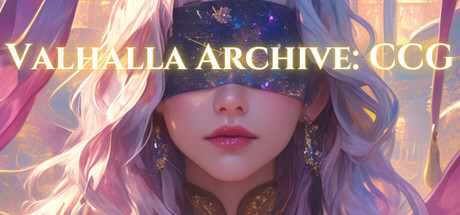
Generative AI was used to generate in-game card illustrations, graphical assets, and all programming code. The game design, world-building, and lore were created directly by the developer.
(게임 내 카드 일러스트와 그래픽 에셋 제작, 그리고 프로그래밍 코딩 전반에 생성형 AI를 활용했습니다. 게임 기획 및 배경 세계관 설정은 직접 작성했습니다.)
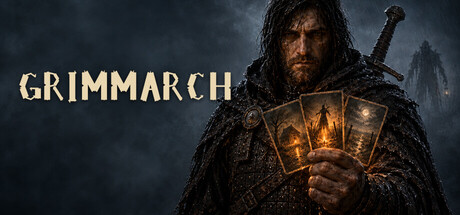
Grimmarch's art, music, voice and sound effects are created or edited with generative AI tools, then selected, edited and approved by a human before shipping. That covers card and interface art, character portraits, map and scene art, the cinematic, music, character voice lines and sound effects.
Nothing is generated while you play: the game contacts no AI service at runtime, and nothing you do is sent to one.
Generative AI was used to assist in creating certain visual assets for this game, including artwork used for promotional and marketing purposes. The game does not use generative AI to generate content during gameplay.
This game uses pre-generated AI-assisted artwork for character portraits, store images, and some illustrations. No AI content is generated during gameplay.
Pre-generated content only, nothing is generated while you play. All image motifs (130 modifier cards, 44 enemy portraits, 24 dice, 5 items, 7 set emblems, the title logo) were generated with Google's Gemini image model from written prompts and then hand-reduced to the game's palette and pixel size. Music: the fight track was generated with Suno, the title, boss and shop tracks with Eleven Music (ElevenLabs). Thirteen sound effects (boss entrance, curse, win, loss, dice shaking, dice landing, clicks, coins) were generated with ElevenLabs Sound Generation; all remaining sounds are synthesized in code. Rules, code, texts and translations were written by the developer, with AI assistance during development.
I use generative technologies strictly in a supporting role, including: brain-storming; editing text; altering images; research; transcription…
Generated assets are never the first seed nor the last product of any content in my games.
This game uses generative AI as part of the development process. ChatGPT was used for planning, specification review, and the creation of some base visual assets, while Codex was used to assist with code generation, implementation, and testing.
Some visual assets were generated as base material and then edited and refined in tools such as Photoshop. SOUNDRAW was used for some background music, and ElevenLabs was used for some sound effects.
All AI-generated content was created during development. The game does not use generative AI to create content in real time during gameplay. Final design, editing, implementation, and selection decisions were made by the developer.
Card Monarchy was made using AI tools.
PRE-GENERATED CONTENT
- Artwork. The card art, character portraits, backgrounds and store images are AI-generated from hand-written prompts, then selected, cropped, composited and corrected by hand against a written art bible. Curation and prompt iteration are entirely at the hands of the producer until the style and output matches the vision.
- Music, voice and sound. Generated with ElevenLabs under a commercial license. Every generation is logged with its ID and date. Many of the sound effects were hand created. Some of the music has been sourced from free for commercial use sources.
NOTHING IS GENERATED WHILE YOU PLAY
The game makes no network calls of any kind and creates no content at runtime. Your opponent is not a machine-learning model. The play engine was generated by AI with extensive prompting and tuning by actual an actual programmer. The developer authored and tuned against millions of simulated battles and test harnesses to make the card battle combat feel challenging and fair.
Card illustrations, some environment backgrounds and promotional assets in this game were created with AI-assisted generation tools, then hand-picked, edited and post-processed by the team. No AI-generated content is produced at runtime; the game does not connect to any external AI service during gameplay.
Generative AI was used during development to create some visual artwork and background music. The generated content was reviewed by the development team before being included in the game. The game does not generate AI content during gameplay.
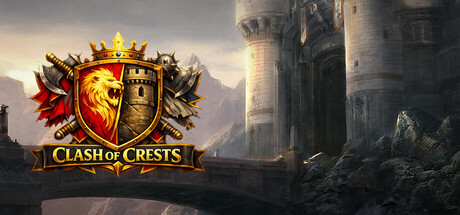
Some of the artwork in Clash of Crests was produced with generative AI image tools and then cropped, composited, retouched and finished by the developer. This includes unit and character portraits, faction crests, campaign banners and key art, and some environment and prop art. Parts of the in-game lore and flavour text were drafted with AI assistance and then edited by the developer. Nothing is generated by AI while you play: all content ships with the game as fixed, pre-made assets.
The game includes pre-generated AI-assisted content, including some character and card illustrations, boss videos, and portions of localized text. These assets are produced during development and included with the game. The game does not request new images, text, or voices from generative AI services during play.
Game illustrations and some sound effects, as well as part of the text and localization, are created using generative AI tools, then manually refined and validated. No content is generated by AI in real time, and the game design is human-made.
This game uses artwork, audio, and other assets created with generative AI during development. These assets are generated in advance and included in the game installation. Generative AI is also used to create Steam store artwork. The game does not generate AI content during gameplay or connect to external AI services.
Generative AI tools were used during development to assist with the creation of some pre-generated 2D visual assets, illustrations, and written content drafts. All AI-assisted content is reviewed, edited, and curated by the development team before being included in the game or promotional materials. The game does not use generative AI to create content in real time during gameplay.
Artificial Intelligence was used to assist for the art, music, and development as this was built by a single person working a full time job. Your support is appreciated and we understand if this does not align with your values.
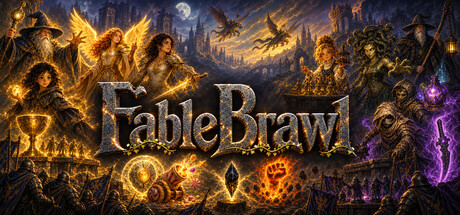
FableBrawl uses pre-generated AI content for Storybook artwork, store artwork, some music and sound effects, and translations. These assets are created during development and shipped as finished files. No content or code is generated by AI during gameplay, and the game does not call an external generative AI service while you play.
Storybook mode art is AI-generated; if you prefer no AI art, you can use Rough Draft mode art. Community Mode is a work-in-progress version supported by the generous donations of our community.
Some of the game's artwork — item and skill icons, character portraits, and the store capsule illustrations — was created with the help of generative AI tools, then reviewed, selected, and edited by hand. Localization drafts were machine-translated and then reviewed and corrected. No AI content is generated while you play: all content ships with the game.
Visual assets and translations were created with the assistance of generative AI tools.
All assets and translations were reviewed, edited, and incorporated by the developer to align with the game’s established art direction.
During the development of this game, generative AI was used to assist in the creation of some 2D art assets and pre-generated sound effects. All AI-assisted content underwent manual review, modification, and integration by the developers. No content will be generated by generative AI during gameplay.
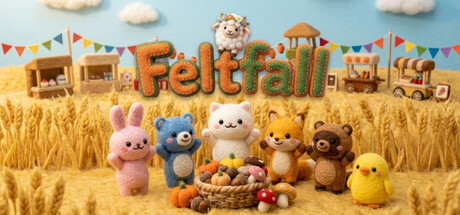
Feltfall uses pre-generated AI content. The felt-style illustrations (characters, animals, cards, backgrounds and key visuals), enemy sprite animations, the logo and parts of the promotional videos were generated with generative AI image and video tools, then selected, retouched and composited by the developer. Some of the source code was written with the help of AI coding assistants and reviewed by the developer. No content is generated by AI while you play, and the game does not connect to any external AI service.
This game uses generative AI tools during development to assist with art assets, soundtrack production, code drafting and text localization. All in-game content is pre-generated, manually reviewed, refined and finalized by the development team. No content is generated in real time during gameplay.
This game and its store page use generative AI-assisted content, including artwork, music, sound, and other creative assets. Assets are created or assisted with AI tools, then curated and implemented by the developer. No live AI-generated player content is used during gameplay.
SignalLost uses generative AI only during development to create and refine selected 2D artwork, promotional images, and trailer assets. No AI content is generated during gameplay, and the game does not connect to external AI services. All shipped assets are reviewed, edited, and integrated by the developer before release.
Generative AI was used during development for some card artwork, textures, sound effects, text, and translations. These are fixed, pre-generated assets. No generative AI runs during gameplay.
Generative AI tools were used during development to assist with the creation and refinement of some pre-generated 2D artwork, UI illustrations, icons, promotional images, and selected audio assets. All AI-assisted outputs were reviewed, edited, and integrated by the developer. The game does not generate content with AI at runtime, and no player input is sent to an AI service.
This demo uses generative AI tools to create most of the character art, illustrations, and visual assets. All AI-generated content has been reviewed and edited by the development team to ensure quality and compliance with Steam policies. No illegal or infringing material is included.
Card illustrations, portraits, faction banners and store capsule artwork were created with generative AI image tools, then curated, edited and integrated by the developer. All game design, rules, card text, writing and music selection are human-made. No AI-generated content is produced at runtime.
Generative AI tools are used during development to write and revise game code, create artwork, music and sound effects, and assist with writing and localization. This includes content in the game and its store and promotional materials. The developer directs and reviews the work before inclusion. No content is generated using generative AI during gameplay.
In the process of creating some 2D prop assets, generative AI technology was used in an assistive capacity. Any such assets are subject to our production pipeline, where they will be reviewed and replaced by our art and development teams to ensure they meet our quality standards and creative direction.
Generative AI was used to generate in-game card illustrations, graphical assets, and all programming code. The game design, world-building, and lore were created directly by the developer.
(게임 내 카드 일러스트와 그래픽 에셋 제작, 그리고 프로그래밍 코딩 전반에 생성형 AI를 활용했습니다. 게임 기획 및 배경 세계관 설정은 직접 작성했습니다.)
Grimmarch's art, music, voice and sound effects are created or edited with generative AI tools, then selected, edited and approved by a human before shipping. That covers card and interface art, character portraits, map and scene art, the cinematic, music, character voice lines and sound effects.
Nothing is generated while you play: the game contacts no AI service at runtime, and nothing you do is sent to one.
Generative AI was used to assist in creating certain visual assets for this game, including artwork used for promotional and marketing purposes. The game does not use generative AI to generate content during gameplay.
This game uses pre-generated AI-assisted artwork for character portraits, store images, and some illustrations. No AI content is generated during gameplay.
Pre-generated content only, nothing is generated while you play. All image motifs (130 modifier cards, 44 enemy portraits, 24 dice, 5 items, 7 set emblems, the title logo) were generated with Google's Gemini image model from written prompts and then hand-reduced to the game's palette and pixel size. Music: the fight track was generated with Suno, the title, boss and shop tracks with Eleven Music (ElevenLabs). Thirteen sound effects (boss entrance, curse, win, loss, dice shaking, dice landing, clicks, coins) were generated with ElevenLabs Sound Generation; all remaining sounds are synthesized in code. Rules, code, texts and translations were written by the developer, with AI assistance during development.
I use generative technologies strictly in a supporting role, including: brain-storming; editing text; altering images; research; transcription…
Generated assets are never the first seed nor the last product of any content in my games.
This game uses generative AI as part of the development process. ChatGPT was used for planning, specification review, and the creation of some base visual assets, while Codex was used to assist with code generation, implementation, and testing.
Some visual assets were generated as base material and then edited and refined in tools such as Photoshop. SOUNDRAW was used for some background music, and ElevenLabs was used for some sound effects.
All AI-generated content was created during development. The game does not use generative AI to create content in real time during gameplay. Final design, editing, implementation, and selection decisions were made by the developer.
Card Monarchy was made using AI tools.
PRE-GENERATED CONTENT
- Artwork. The card art, character portraits, backgrounds and store images are AI-generated from hand-written prompts, then selected, cropped, composited and corrected by hand against a written art bible. Curation and prompt iteration are entirely at the hands of the producer until the style and output matches the vision.
- Music, voice and sound. Generated with ElevenLabs under a commercial license. Every generation is logged with its ID and date. Many of the sound effects were hand created. Some of the music has been sourced from free for commercial use sources.
NOTHING IS GENERATED WHILE YOU PLAY
The game makes no network calls of any kind and creates no content at runtime. Your opponent is not a machine-learning model. The play engine was generated by AI with extensive prompting and tuning by actual an actual programmer. The developer authored and tuned against millions of simulated battles and test harnesses to make the card battle combat feel challenging and fair.
Card illustrations, some environment backgrounds and promotional assets in this game were created with AI-assisted generation tools, then hand-picked, edited and post-processed by the team. No AI-generated content is produced at runtime; the game does not connect to any external AI service during gameplay.
Generative AI was used during development to create some visual artwork and background music. The generated content was reviewed by the development team before being included in the game. The game does not generate AI content during gameplay.
Some of the artwork in Clash of Crests was produced with generative AI image tools and then cropped, composited, retouched and finished by the developer. This includes unit and character portraits, faction crests, campaign banners and key art, and some environment and prop art. Parts of the in-game lore and flavour text were drafted with AI assistance and then edited by the developer. Nothing is generated by AI while you play: all content ships with the game as fixed, pre-made assets.
The game includes pre-generated AI-assisted content, including some character and card illustrations, boss videos, and portions of localized text. These assets are produced during development and included with the game. The game does not request new images, text, or voices from generative AI services during play.
Game illustrations and some sound effects, as well as part of the text and localization, are created using generative AI tools, then manually refined and validated. No content is generated by AI in real time, and the game design is human-made.
This game uses artwork, audio, and other assets created with generative AI during development. These assets are generated in advance and included in the game installation. Generative AI is also used to create Steam store artwork. The game does not generate AI content during gameplay or connect to external AI services.
Generative AI tools were used during development to assist with the creation of some pre-generated 2D visual assets, illustrations, and written content drafts. All AI-assisted content is reviewed, edited, and curated by the development team before being included in the game or promotional materials. The game does not use generative AI to create content in real time during gameplay.
Artificial Intelligence was used to assist for the art, music, and development as this was built by a single person working a full time job. Your support is appreciated and we understand if this does not align with your values.
FableBrawl uses pre-generated AI content for Storybook artwork, store artwork, some music and sound effects, and translations. These assets are created during development and shipped as finished files. No content or code is generated by AI during gameplay, and the game does not call an external generative AI service while you play.
Storybook mode art is AI-generated; if you prefer no AI art, you can use Rough Draft mode art. Community Mode is a work-in-progress version supported by the generous donations of our community.
Some of the game's artwork — item and skill icons, character portraits, and the store capsule illustrations — was created with the help of generative AI tools, then reviewed, selected, and edited by hand. Localization drafts were machine-translated and then reviewed and corrected. No AI content is generated while you play: all content ships with the game.
Visual assets and translations were created with the assistance of generative AI tools.
All assets and translations were reviewed, edited, and incorporated by the developer to align with the game’s established art direction.
During the development of this game, generative AI was used to assist in the creation of some 2D art assets and pre-generated sound effects. All AI-assisted content underwent manual review, modification, and integration by the developers. No content will be generated by generative AI during gameplay.
Feltfall uses pre-generated AI content. The felt-style illustrations (characters, animals, cards, backgrounds and key visuals), enemy sprite animations, the logo and parts of the promotional videos were generated with generative AI image and video tools, then selected, retouched and composited by the developer. Some of the source code was written with the help of AI coding assistants and reviewed by the developer. No content is generated by AI while you play, and the game does not connect to any external AI service.
This game uses generative AI tools during development to assist with art assets, soundtrack production, code drafting and text localization. All in-game content is pre-generated, manually reviewed, refined and finalized by the development team. No content is generated in real time during gameplay.
This game and its store page use generative AI-assisted content, including artwork, music, sound, and other creative assets. Assets are created or assisted with AI tools, then curated and implemented by the developer. No live AI-generated player content is used during gameplay.
SignalLost uses generative AI only during development to create and refine selected 2D artwork, promotional images, and trailer assets. No AI content is generated during gameplay, and the game does not connect to external AI services. All shipped assets are reviewed, edited, and integrated by the developer before release.
Generative AI was used during development for some card artwork, textures, sound effects, text, and translations. These are fixed, pre-generated assets. No generative AI runs during gameplay.
Generative AI tools were used during development to assist with the creation and refinement of some pre-generated 2D artwork, UI illustrations, icons, promotional images, and selected audio assets. All AI-assisted outputs were reviewed, edited, and integrated by the developer. The game does not generate content with AI at runtime, and no player input is sent to an AI service.
This demo uses generative AI tools to create most of the character art, illustrations, and visual assets. All AI-generated content has been reviewed and edited by the development team to ensure quality and compliance with Steam policies. No illegal or infringing material is included.
Card illustrations, portraits, faction banners and store capsule artwork were created with generative AI image tools, then curated, edited and integrated by the developer. All game design, rules, card text, writing and music selection are human-made. No AI-generated content is produced at runtime.
Generative AI tools are used during development to write and revise game code, create artwork, music and sound effects, and assist with writing and localization. This includes content in the game and its store and promotional materials. The developer directs and reviews the work before inclusion. No content is generated using generative AI during gameplay.
In the process of creating some 2D prop assets, generative AI technology was used in an assistive capacity. Any such assets are subject to our production pipeline, where they will be reviewed and replaced by our art and development teams to ensure they meet our quality standards and creative direction.