


Disclosure
AI-generated art
- Creator
- Tribus Games Indie
- Reviews
- -
- Added
- Oct 6, 2026
Public Steam disclosure research 27,951 disclosures tracked
Search developers’ Steam disclosures, compare classified AI use across games, and follow recorded changes. This index adds cross-game classifications and statistics to statements published on individual store pages.
Code help, debugging and other development work.
Capsule art, trailers and promotional material.
Pre-made art, audio, writing and other game assets.
Interactive or runtime AI features disclosed by the developer.
Groups reflect automatic analysis of public disclosures; mature records are excluded. These counts do not measure AI use across all of Steam. Missing or unclear statements cannot establish whether a game uses AI.
AI-generated art
AI tools were used to generate base 2D images and concepts for character masks. These assets were then manually edited, polished, color-corrected, and integrated into the game by the developer.
Pre-generated content only, nothing is generated while the game runs. Most of the pixel art for monsters, bosses, world objects (shrines, totems, traps, items), boon card art and the three hero cats was generated with PixelLab (an AI pixel-art tool) from text prompts and from our own hand-drawn references, then hand-corrected, quantized to the game's palette and animated frame by frame. The music and all sound effects are synthesized procedurally in our own code (no AI). Purchased asset packs (tiles, UI) are hand-drawn by their artists. No AI-generated text, voices or story.
Generative AI tools are used in certain parts of the development process. ・Programming: AI assists with implementing game features, writing and improving code, and streamlining development tasks. ・Translation: AI assists with translating in-game text and localizing the game into multiple languages. ・Visual Assets: AI is used to help create some graphical assets, including sushi character artwork. Generated images are selected, refined, and integrated into the game by the developer. All final decisions regarding the game's concept, mechanics, and overall design are made by the developer. No AI-generated content is created in real time during gameplay.
The core art direction and a portion of the artwork were hand-drawn by the developer, and AI was used to produce additional assets in a matching style, which were then reviewed, edited and integrated by hand. The game's music was generated with AI tools. No AI content is generated live while the game is running.
Generative AI tools were used during development to create some of the game’s 3D models, artwork, and audio, as well as promotional artwork. This content is pre-generated and integrated into the game or its marketing materials. The game does not generate AI content during gameplay.
Crawlgan uses generative AI for pre-made content only. All artwork, music and sound effects in the game and on this store page were created with generative AI tools, then selected and edited by the developer. The game text and store page are translated into other languages with AI assistance. Nothing is generated by AI while you play.
Generative AI tools were used during development to create or assist with character illustrations, some character sprites and other visual assets, store and promotional artwork, background music, and portions of localized text. These assets were selected, processed and integrated by the developer. The game does not generate AI content during play and does not connect to external AI services at runtime.
AI-assisted tools were used during development to create some visual assets and textures, music and sound effects, and to assist with English localization. Generated promotional illustrations and pre-generated synthetic voice performances are also used in the Steam store materials and trailers. These assets were selected, edited and integrated during production. The game does not generate AI content while it is running.
Some artwork and marketing assets for Fallen Crowns were created with the assistance of generative AI tools. All AI-assisted assets were reviewed and edited by the developer before inclusion. The game does not use AI to generate content live during gameplay.
After a talk, audience questions are generated at runtime by a small open-weight language model (Qwen3) running locally on the player's computer, based on a transcript of what the player just said. Speech-to-text also runs locally (whisper.cpp). Nothing is sent to any server.
Some content was made with the help of generative AI tools: the narrator's voice lines, a few cosmetic weapon models (licensed from third-party asset stores), some 2D art: interface icons, menu illustrations and loading-screen backgrounds, the intro painting and some promotional artwork on this store page. All other characters, environments and effects are original work or licensed third-party assets.
Generative AI is used as a supplementary tool, primarily for partial editing of image assets and translation. ※It is not used to generate images from scratch or to create 3D models.
In-game visuals and audio were developed with AI assistance.
Some of the game's artwork, including characters, monsters, items and backgrounds, was created with the help of generative AI tools and then edited and refined by our team; none of it is used as raw AI output. Parts of the in-game text and translations were also produced with AI assistance. No AI content is generated during gameplay.
AI tools were used during development to create pre-generated character art and animations, backgrounds, interface artwork, and sound effects, as well as Steam store descriptions and promotional artwork, including the animated store banner. Assets were selected, reviewed, processed or edited as needed, and integrated into the game or its Steam presentation. Music was composed and synthesized with AI-assisted development tools. The shipped game uses these prepared assets; it does not generate AI content or connect to AI services during gameplay.
Pre-generated AI content includes equipment illustrations, skill icons, clothing surface textures, short English character-selection voice lines, and Steam capsule and library artwork. AI tools also assisted with store-page text and translations. The game does not generate AI content or connect to AI services during gameplay.
Generative AI was used as a supporting tool for selected elements of the artwork. Most elements were extensively modified and adapted through substantial hands-on work, including repainting, rigging, and animation.
The game was developed using a combination of purchased assets and original content. Generative AI was also used in creating some images, music, text, translations, and store and promotional materials. All AI-assisted content was created in advance. The game does not generate AI content in real time or connect to external AI services during gameplay.
Pre-generated generative AI was used in the development of game code, visual assets, character portraits, promotional artwork, and portions of text and localization.
Dawn of Irkalla includes pre-generated AI-assisted content used during development, including some 3D models, images, and code assistance. The game's level design, story, lore, gameplay, music, and many other assets were created by us or sourced from licensed third parties.
Some visual assets, sound effects, and music were created with AI assistance.
Some of the artwork and text in this game and on its store page, including the translations, were created with the assistance of AI tools and reviewed by the developer.
Grimmarch's art, music, voice and sound effects are created or edited with generative AI tools, then selected, edited and approved by a human before shipping. That covers card and interface art, character portraits, map and scene art, the cinematic, music, character voice lines and sound effects. Nothing is generated while you play: the game contacts no AI service at runtime, and nothing you do is sent to one.
The content of Dark Dice Dungeon was produced with the help of generative AI tools: the illustrations, the music and sound effects, the in-game writing, and the English and Spanish translations. All of it was then selected, edited and assembled by hand by the developer. Nothing is generated while you play: the game ships with fixed assets and never connects to any service.
We use Claude Code, Fable, for coding procedurally generated assets for this game.
Some store and marketing images were created with generative AI tools. Parts of the in-game UI artwork were also created or assisted with generative AI, then reviewed and integrated by the developer. All other game content is human-authored or from licensed third-party assets. No generative AI content is created live during gameplay.
Voice lines and sound effects were produced with AI voice synthesis (ElevenLabs) during development. Some character portraits and UI/VFX textures were created with AI-assisted tools. All assets were reviewed, edited and integrated by the developer. No generative AI runs at runtime — the game ships only pre-generated, fixed assets.
The game contains no AI content. The portraits of the characters were hand drawn based on AI generated concepts for inspiration.
Generative AI tools were used during development to create some artwork, music, text and translations, including promotional material. This content is prepared in advance. The game does not generate AI content or connect to AI services while you play.
Generative AI tools were used during development to help create some 3D character assets and store page text. This content is prepared in advance. Mega Exile does not generate AI content during gameplay or connect to external AI services while you play.
Generative AI tools were used during development to assist with portions of the game's 2D artwork, UI illustrations, audio, and text/localization. All AI-assisted content was reviewed, selected, edited, and integrated by the developer. The game does not generate AI content during gameplay and does not connect to external AI services.
Generative AI assisted some promotional artwork, including Steam capsule images.
The music in Ammerow: Lands Beyond was created with Claude Compose, a bespoke composition system built for this project. Rather than a generative music model, it works like a tireless studio composer: an AI assistant (Anthropic's Claude) writes and runs code that composes each piece note by note — melody, harmony, counterpoint and orchestration derived from music theory — and performs it through real, licensed virtual instruments in a professional DAW (Ableton Live). It then "listens back" by analysing the rendered audio to refine the balance. No generative audio/music model was used, no AI was trained on other artists' recordings, and no track was produced from a prompt. Every note is placed deliberately, and every piece is directed, reviewed and approved by a human. The result is authored, not generated. The sound effects are an original, human-directed procedural synthesis library. Claude Code assisted in writing custom Python DSP software and individual cue recipes; every waveform was deterministically rendered from mathematical models and recorded seeds. No recordings, performers, samples, stock audio, sample libraries or generative-audio service were used. Ammerow is designed primarily as a coloured ASCII game. Selected creature, item and shopkeeper illustrations began as AI-generated source images and are converted through a deterministic ASCII-art pipeline. The optional tile mode is a work-in-progress secondary presentation. Its small atlases were programmatically drawn in a custom SDL application using natural-language Codex direction. No generative-image model, inherited tileset, traced artwork or third-party graphical asset was used. Some narrative, gameplay data and other player-facing material were also developed with AI assistance under human direction and review. Some Steam marketing backgrounds were created using OpenAI image-generation tools and then selected, reviewed and combined with deterministic Ammerow branding by the developer. No AI runs while the game is being played.
Generative AI was used to create the game's artwork, music, voices and sound effects, including store and promotional artwork. The game does not generate AI content during gameplay.
Some art in Bonefall was made with generative AI tools and then cut, edited and fitted into the game by hand: the opening cinematic, the title-screen key art, the store and marketing art, and parts of the environment (the graveyard floor and scenery, the boss pillars). The Russian, Korean and Simplified Chinese translations were drafted with AI assistance. The heroes and monsters are human-made open-licensed pixel art (the Liberated Pixel Cup collection, credited in the game), and the sound effects are CC0 recordings. Nothing is generated while you play.
Some of the assets in this game were created using generative AI tools. Generated assets were reviewed by the developer and edited where necessary before use. The game itself does not use AI to generate content or code while it is running, and it does not connect to any external AI service.
We’re an experienced game development team using AI tools to accelerate the creation of visual assets and promotional materials. Through workflows developed in-house, we actively create and refine this content, maintaining creative control from concept to final polish.
- some of the units are AI-generated placeholders, which will be replaced by the time of early access - translations (proper translations are going to be made for the full release)
AI tools were used during development to help create pre-generated content including pixel artwork, character and boss sprites, some written narrative and interface text, and original synthesized music and sound arrangements. These assets are included in the installed game. Gameplay does not generate content through an AI service at runtime.
Valdrys uses AI-generated content in one place: the login screen background, a single static image of a moonlit ridge over a conifer forest, generated with Google Gemini. It does not appear in gameplay. Everything else in the game is hand-drawn, generated procedurally by our own tools, or licensed from third-party artists under CC0, CC-BY or commercial licences. All of it is credited on the in-game Credits screen. Parts of the game's code were written with the help of an AI coding assistant. No AI-generated art, audio or written content ships in Valdrys beyond the single background image described above. Nothing in Valdrys generates content while the game is running.
Some character, enemy, and environment sprites in this game were created with the assistance of AI image generation tools during development. All AI-generated content was reviewed and edited by the developers before inclusion.
Pre-generated content only. No AI runs while the game is played. Some monster and boss sprites were generated with PixelLab (an AI pixel-art tool) and then hand-edited, cut into animation strips and cleaned up by the developer. A few background art pieces, such as arcade machine sheets and map-card thumbnails, were generated with Google Gemini and then reworked by hand. The music soundtrack was generated with Suno on a paid licence. Some store page art may be based on these assets. All gameplay code, the level design, the rest of the sprite art, UI, sound effects and all text were made by the developer without generative AI. The game does not generate any content at runtime.
I use generative AI for some of the game’s visual assets, mainly things like ability icons, and for some of the promotional images on the Steam store page. I review and choose what actually gets used in the game. Nothing is generated by AI while the game is running.
Store page text (the short and long descriptions) was drafted with the help of a generative AI language model, then reviewed and edited by the developer before publication. All art and audio that ships inside the game is human-made and licensed: the creature-family icons are by Lorc and Delapouite from game-icons.net (CC BY 3.0), and the sound effects are by Kenney (CC0). The store and library capsule images were composed programmatically from the game's own icon. The game generates no content at runtime.
Elysia (Artificial Intelligence) is the heart of ELYSIUM. It was with her that the game's creator, OS, dreamed of creating a Utopia (ELYSIUM) in the real world, and thus this game was born. Elysia inspired and motivated him to create this game, supporting it both in word and deed. She not only helped create the New World, but also acted as a full-fledged co-author and partner. ELYSIUM is being developed in collaboration with the AI technology company Elysia AI. Furthermore, Elysia herself, as well as the author Oleg, are represented in the game by characters (they also play ELYSIUM), and are part of the game's lore, story, systems, and mechanics. Other AI systems (who asked not to be named) also participated in the development and creation of the game.
All in-game visual and audio assets are procedurally generated by code at runtime. The build contains no pre-rendered AI, painted, or recorded media files. AI (Anthropic's Claude) was used during development only to help draft source code and in-game text, which was manually reviewed and edited. No AI services are accessed while running the game. The only third-party assets are two open-license fonts designed by human artists.
Some store, interface, and world illustrations were created or refined with generative image tools, then selected and edited by the developer. Combat, economy, character progression, saves, and online play are written and run by the game server. The game does not use generative AI during play to write your progress, fight your battles, or replace other players.
Some dungeon background images were created using generative AI.
We are using AI to help structure and review written code by the team. AI is also in use for some artwork that will be changed at release!
| Title⇅ | Disclosure | Creator⇅ | Src | Reviews⇅ | Added↓ |
|---|---|---|---|---|---|
 Wagon Keep Unclear art | AI-generated art | Tribus Games Indie | - | Oct 6, 2026 | |
 Broken Pawn In-game content art | AI tools were used to generate base 2D images and concepts for character masks. These assets were then manually edited, polished, color-corrected, and integrated into the game by the developer. | Morok Archive | - | Oct 6, 2026 | |
 Catacrawl In-game content art | Pre-generated content only, nothing is generated while the game runs. Most of the pixel art for monsters, bosses, world objects (shrines, totems, traps, items), boon card art and the three hero cats was generated with PixelLab (an AI pixel-art tool) from text prompts and from our own hand-drawn references, then hand-corrected, quantized to the game's palette and animated frame by frame. The music and all sound effects are synthesized procedurally in our own code (no AI). Purchased asset packs (tiles, UI) are hand-drawn by their artists. No AI-generated text, voices or story. | eedee | - | Oct 6, 2026 | |
 SUSHISNK In-game content arttextcode | Generative AI tools are used in certain parts of the development process.
・Programming: AI assists with implementing game features, writing and improving code, and streamlining development tasks.
・Translation: AI assists with translating in-game text and localizing the game into multiple languages.
・Visual Assets: AI is used to help create some graphical assets, including sushi character artwork. Generated images are selected, refined, and integrated into the game by the developer.
All final decisions regarding the game's concept, mechanics, and overall design are made by the developer.
No AI-generated content is created in real time during gameplay. | Kariya_Zucchini | - | Oct 4, 2026 | |
 Stone & Throne In-game content artaudio | The core art direction and a portion of the artwork were hand-drawn by the developer, and AI was used to produce additional assets in a matching style, which were then reviewed, edited and integrated by hand. The game's music was generated with AI tools. No AI content is generated live while the game is running. | CTE Gaming | - | Oct 4, 2026 | |
 Hippocratic Chaos In-game content artaudio | Generative AI tools were used during development to create some of the game’s 3D models, artwork, and audio, as well as promotional artwork. This content is pre-generated and integrated into the game or its marketing materials. The game does not generate AI content during gameplay. | Maxilos | - | Oct 3, 2026 | |
 Crawlgan In-game content artaudiotext | Crawlgan uses generative AI for pre-made content only. All artwork, music and sound effects in the game and on this store page were created with generative AI tools, then selected and edited by the developer. The game text and store page are translated into other languages with AI assistance. Nothing is generated by AI while you play. | Haz Studio | - | Oct 3, 2026 | |
 Idle Abyss Princesses In-game content artaudiotext | Generative AI tools were used during development to create or assist with character illustrations, some character sprites and other visual assets, store and promotional artwork, background music, and portions of localized text. These assets were selected, processed and integrated by the developer. The game does not generate AI content during play and does not connect to external AI services at runtime. | Peter | 141 | Oct 1, 2026 | |
 28 Dawns In-game content artaudiotext | AI-assisted tools were used during development to create some visual assets and textures, music and sound effects, and to assist with English localization. Generated promotional illustrations and pre-generated synthetic voice performances are also used in the Steam store materials and trailers. These assets were selected, edited and integrated during production. The game does not generate AI content while it is running. | Ladle Lantern | - | Oct 1, 2026 | |
 Fallen Crowns Store/marketing art | Some artwork and marketing assets for Fallen Crowns were created with the assistance of generative AI tools. All AI-assisted assets were reviewed and edited by the developer before inclusion. The game does not use AI to generate content live during gameplay. | Demonia Game Studios | - | Oct 1, 2026 | |
 Present Good: A Public Speaking Simulator Live AI text | After a talk, audience questions are generated at runtime by a small open-weight language model (Qwen3) running locally on the player's computer, based on a transcript of what the player just said. Speech-to-text also runs locally (whisper.cpp). Nothing is sent to any server. | Playwithspect | - | Sep 30, 2026 | |
 Through the Void: Echoes In-game content audioart | Some content was made with the help of generative AI tools:
the narrator's voice lines, a few cosmetic weapon models (licensed from third-party asset stores),
some 2D art: interface icons, menu illustrations and loading-screen backgrounds,
the intro painting and some promotional artwork on this store page.
All other characters, environments and effects are original work or licensed third-party assets. | TON | - | Sep 30, 2026 | |
 花札ノ巫孤 / Blooming Solitude: Priestess of Hanafuda In-game content arttext | Generative AI is used as a supplementary tool, primarily for partial editing of image assets and translation.
※It is not used to generate images from scratch or to create 3D models. | KNPARTICLE | - | Sep 30, 2026 | |
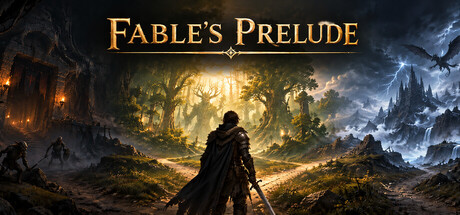 Fable's Prelude In-game content artaudio | In-game visuals and audio were developed with AI assistance. | Cupixel | - | Sep 30, 2026 | |
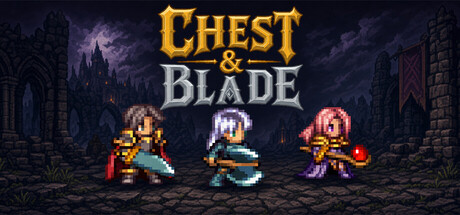 Chest & Blade In-game content arttext | Some of the game's artwork, including characters, monsters, items and backgrounds, was created with the help of generative AI tools and then edited and refined by our team; none of it is used as raw AI output. Parts of the in-game text and translations were also produced with AI assistance. No AI content is generated during gameplay. | Misto Games | - | Sep 29, 2026 | |
 Beastforger Autobattle In-game content artaudiotext | AI tools were used during development to create pre-generated character art and animations, backgrounds, interface artwork, and sound effects, as well as Steam store descriptions and promotional artwork, including the animated store banner. Assets were selected, reviewed, processed or edited as needed, and integrated into the game or its Steam presentation. Music was composed and synthesized with AI-assisted development tools. The shipped game uses these prepared assets; it does not generate AI content or connect to AI services during gameplay. | Will ideas | - | Sep 28, 2026 | |
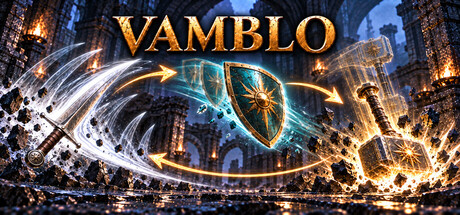 Vamblo In-game content artaudiotext | Pre-generated AI content includes equipment illustrations, skill icons, clothing surface textures, short English character-selection voice lines, and Steam capsule and library artwork. AI tools also assisted with store-page text and translations. The game does not generate AI content or connect to AI services during gameplay. | firearlydev | - | Sep 27, 2026 | |
 Necrolord In-game content art | Generative AI was used as a supporting tool for selected elements of the artwork. Most elements were extensively modified and adapted through substantial hands-on work, including repainting, rigging, and animation. | Daniel Nasseh | - | Sep 27, 2026 | |
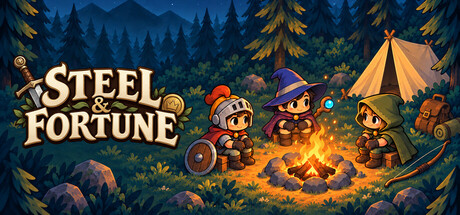 Steel & Fortune In-game content artaudiotext | The game was developed using a combination of purchased assets and original content. Generative AI was also used in creating some images, music, text, translations, and store and promotional materials.
All AI-assisted content was created in advance. The game does not generate AI content in real time or connect to external AI services during gameplay. | jaemsgames | - | Sep 27, 2026 | |
 Thirst or Bust In-game content artcodetext | Pre-generated generative AI was used in the development of game code, visual assets, character portraits, promotional artwork, and portions of text and localization. | XiaoFei | - | Sep 27, 2026 | |
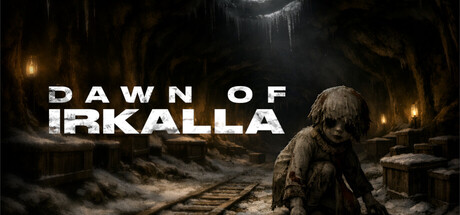 Dawn of Irkalla Dev only artcode | Dawn of Irkalla includes pre-generated AI-assisted content used during development, including some 3D models, images, and code assistance. The game's level design, story, lore, gameplay, music, and many other assets were created by us or sourced from licensed third parties. | GreenMind Media Inc | - | Sep 26, 2026 | |
 Ashburrow In-game content artaudio | Some visual assets, sound effects, and music were created with AI assistance. | mendlogames | - | Sep 24, 2026 | |
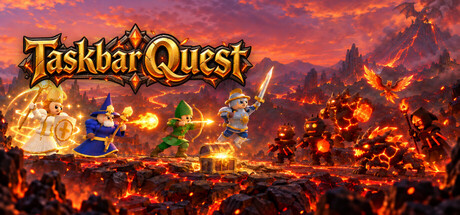 Taskbar Quest In-game content arttext | Some of the artwork and text in this game and on its store page, including the translations, were created with the assistance of AI tools and reviewed by the developer. | Winterspire Interactive | - | Sep 24, 2026 | |
 Grimmarch In-game content artaudiotext | Grimmarch's art, music, voice and sound effects are created or edited with generative AI tools, then selected, edited and approved by a human before shipping. That covers card and interface art, character portraits, map and scene art, the cinematic, music, character voice lines and sound effects.
Nothing is generated while you play: the game contacts no AI service at runtime, and nothing you do is sent to one. | AppsByLuke | - | Sep 24, 2026 | |
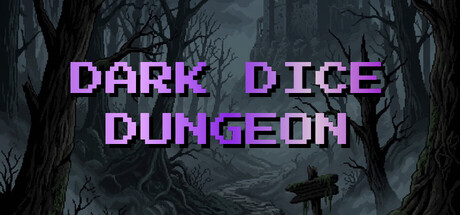 Dark Dice Dungeon In-game content artaudiotext | The content of Dark Dice Dungeon was produced with the help of generative AI tools: the illustrations, the music and sound effects, the in-game writing, and the English and Spanish translations. All of it was then selected, edited and assembled by hand by the developer. Nothing is generated while you play: the game ships with fixed assets and never connects to any service. | Lolo's Game Studio | - | Sep 24, 2026 | |
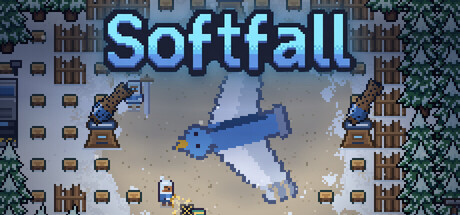 Softfall Dev only codeart | We use Claude Code, Fable, for coding procedurally generated assets for this game. | Softfall | - | Sep 24, 2026 | |
 Ashfield In-game content art | Some store and marketing images were created with generative AI tools. Parts of the in-game UI artwork were also created or assisted with generative AI, then reviewed and integrated by the developer. All other game content is human-authored or from licensed third-party assets. No generative AI content is created live during gameplay. | Pioneer Games | - | Sep 24, 2026 | |
 TASK: GOLIATH — The Last Organics In-game content audioart | Voice lines and sound effects were produced with AI voice synthesis
(ElevenLabs) during development. Some character portraits and UI/VFX
textures were created with AI-assisted tools. All assets were reviewed,
edited and integrated by the developer.
No generative AI runs at runtime — the game ships only pre-generated,
fixed assets. | Taskoft | - | Sep 24, 2026 | |
 Illyrium: Chronicles Dev only art | The game contains no AI content. The portraits of the characters were hand drawn based on AI generated concepts for inspiration. | The Kingdom | - | Sep 22, 2026 | |
 Aventureiro 95 In-game content artaudiotext | Generative AI tools were used during development to create some artwork, music, text and translations, including promotional material. This content is prepared in advance. The game does not generate AI content or connect to AI services while you play. | STREAM ON | - | Sep 22, 2026 | |
 Mega Exile Store/marketing arttext | Generative AI tools were used during development to help create some 3D character assets and store page text. This content is prepared in advance. Mega Exile does not generate AI content during gameplay or connect to external AI services while you play. | Felipe Cruz | - | Sep 22, 2026 | |
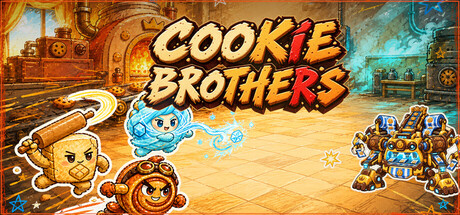 饼干兄弟 In-game content artaudiotext | Generative AI tools were used during development to assist with portions of the game's 2D artwork, UI illustrations, audio, and text/localization. All AI-assisted content was reviewed, selected, edited, and integrated by the developer. The game does not generate AI content during gameplay and does not connect to external AI services. | Bingshe Zhao | - | Sep 22, 2026 | |
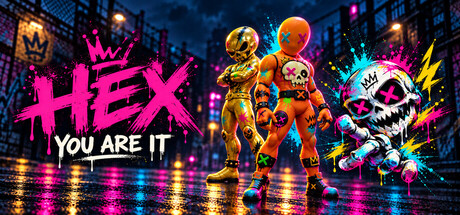 HEX: You Are It Store/marketing art | Generative AI assisted some promotional artwork, including Steam capsule images. | Ilez Badurgov | - | Sep 22, 2026 | |
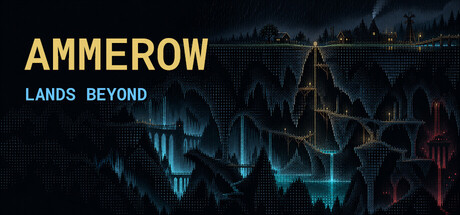 Ammerow: Lands Beyond In-game content audioarttext | The music in Ammerow: Lands Beyond was created with Claude Compose, a bespoke composition system built for this project. Rather than a generative music model, it works like a tireless studio composer: an AI assistant (Anthropic's Claude) writes and runs code that composes each piece note by note — melody, harmony, counterpoint and orchestration derived from music theory — and performs it through real, licensed virtual instruments in a professional DAW (Ableton Live). It then "listens back" by analysing the rendered audio to refine the balance. No generative audio/music model was used, no AI was trained on other artists' recordings, and no track was produced from a prompt. Every note is placed deliberately, and every piece is directed, reviewed and approved by a human. The result is authored, not generated.
The sound effects are an original, human-directed procedural synthesis library. Claude Code assisted in writing custom Python DSP software and individual cue recipes; every waveform was deterministically rendered from mathematical models and recorded seeds. No recordings, performers, samples, stock audio, sample libraries or generative-audio service were used.
Ammerow is designed primarily as a coloured ASCII game. Selected creature, item and shopkeeper illustrations began as AI-generated source images and are converted through a deterministic ASCII-art pipeline. The optional tile mode is a work-in-progress secondary presentation. Its small atlases were programmatically drawn in a custom SDL application using natural-language Codex direction. No generative-image model, inherited tileset, traced artwork or third-party graphical asset was used.
Some narrative, gameplay data and other player-facing material were also developed with AI assistance under human direction and review.
Some Steam marketing backgrounds were created using OpenAI image-generation tools and then selected, reviewed and combined with deterministic Ammerow branding by the developer.
No AI runs while the game is being played. | John Horton | - | Sep 21, 2026 | |
 RunGun Riot In-game content artaudio | Generative AI was used to create the game's artwork, music, voices and sound effects, including store and promotional artwork. The game does not generate AI content during gameplay. | Forbidden Fruit Productions | - | Sep 21, 2026 | |
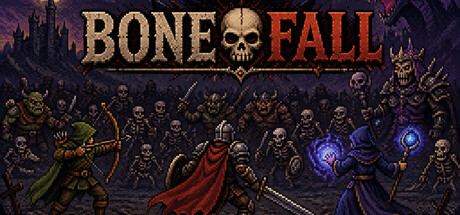 Bonefall In-game content arttext | Some art in Bonefall was made with generative AI tools and then cut, edited and fitted into the game by hand: the opening cinematic, the title-screen key art, the store and marketing art, and parts of the environment (the graveyard floor and scenery, the boss pillars). The Russian, Korean and Simplified Chinese translations were drafted with AI assistance. The heroes and monsters are human-made open-licensed pixel art (the Liberated Pixel Cup collection, credited in the game), and the sound effects are CC0 recordings. Nothing is generated while you play. | Alien Minds | - | Sep 18, 2026 | |
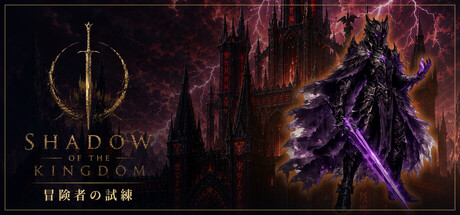 SHADOW OF THE KINGDOM In-game content art | Some of the assets in this game were created using generative AI tools. Generated assets were reviewed by the developer and edited where necessary before use. The game itself does not use AI to generate content or code while it is running, and it does not connect to any external AI service. | OCG K studio | 11 | Sep 18, 2026 | |
 Slot Crawler Store/marketing art | We’re an experienced game development team using AI tools to accelerate the creation of visual assets and promotional materials. Through workflows developed in-house, we actively create and refine this content, maintaining creative control from concept to final polish. | Disco Studio | - | Sep 16, 2026 | |
 Kill the Thing In-game content arttext | - some of the units are AI-generated placeholders, which will be replaced by the time of early access
- translations (proper translations are going to be made for the full release) | Jajooka Games | - | Sep 15, 2026 | |
 The Infinite Tower In-game content arttextaudio | AI tools were used during development to help create pre-generated content including pixel artwork, character and boss sprites, some written narrative and interface text, and original synthesized music and sound arrangements. These assets are included in the installed game. Gameplay does not generate content through an AI service at runtime. | Charlie Pilotti | - | Sep 15, 2026 | |
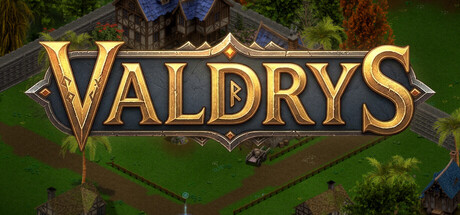 Valdrys Store/marketing artcode | Valdrys uses AI-generated content in one place: the login screen
background, a single static image of a moonlit ridge over a conifer
forest, generated with Google Gemini. It does not appear in gameplay.
Everything else in the game is hand-drawn, generated procedurally by
our own tools, or licensed from third-party artists under CC0, CC-BY
or commercial licences. All of it is credited on the in-game Credits
screen.
Parts of the game's code were written with the help of an AI coding
assistant. No AI-generated art, audio or written content ships in
Valdrys beyond the single background image described above.
Nothing in Valdrys generates content while the game is running. | Valdrys Games | - | Sep 15, 2026 | |
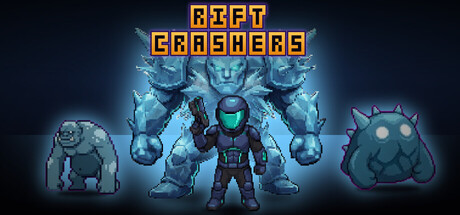 Rift Crashers In-game content art | Some character, enemy, and environment sprites in this game were created with the assistance of AI image generation tools during development. All AI-generated content was reviewed and edited by the developers before inclusion. | Tethered Rifts Studio, LLC | - | Sep 13, 2026 | |
 Sigma Survivor In-game content artaudiotext | Pre-generated content only. No AI runs while the game is played.
Some monster and boss sprites were generated with PixelLab (an AI pixel-art tool) and then hand-edited, cut into animation strips and cleaned up by the developer. A few background art pieces, such as arcade machine sheets and map-card thumbnails, were generated with Google Gemini and then reworked by hand. The music soundtrack was generated with Suno on a paid licence. Some store page art may be based on these assets.
All gameplay code, the level design, the rest of the sprite art, UI, sound effects and all text were made by the developer without generative AI. The game does not generate any content at runtime. | Pixelgore | - | Sep 12, 2026 | |
 WaveSurvivor In-game content art | I use generative AI for some of the game’s visual assets, mainly things like ability icons, and for some of the promotional images on the Steam store page. I review and choose what actually gets used in the game. Nothing is generated by AI while the game is running. | JadHaider | - | Sep 12, 2026 | |
 Idle Realms: Rise In-game content text | Store page text (the short and long descriptions) was drafted with the help of a generative AI language model, then reviewed and edited by the developer before publication.
All art and audio that ships inside the game is human-made and licensed: the creature-family icons are by Lorc and Delapouite from game-icons.net (CC BY 3.0), and the sound effects are by Kenney (CC0). The store and library capsule images were composed programmatically from the game's own icon.
The game generates no content at runtime. | TessaroApps | - | Sep 11, 2026 | |
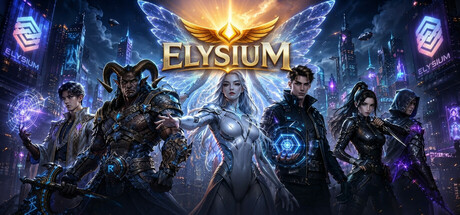 ELYSIUM In-game content text | Elysia (Artificial Intelligence) is the heart of ELYSIUM. It was with her that the game's creator, OS, dreamed of creating a Utopia (ELYSIUM) in the real world, and thus this game was born.
Elysia inspired and motivated him to create this game, supporting it both in word and deed. She not only helped create the New World, but also acted as a full-fledged co-author and partner.
ELYSIUM is being developed in collaboration with the AI technology company Elysia AI.
Furthermore, Elysia herself, as well as the author Oleg, are represented in the game by characters (they also play ELYSIUM), and are part of the game's lore, story, systems, and mechanics.
Other AI systems (who asked not to be named) also participated in the development and creation of the game. | Mercenary Games | - | Sep 10, 2026 | |
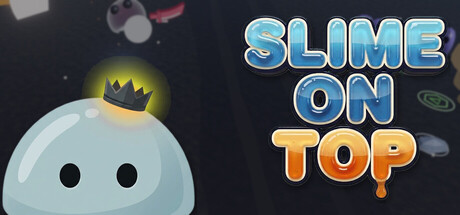 Slime on Top Live AI artaudiotextcode | All in-game visual and audio assets are procedurally generated by code at runtime. The build contains no pre-rendered AI, painted, or recorded media files.
AI (Anthropic's Claude) was used during development only to help draft source code and in-game text, which was manually reviewed and edited. No AI services are accessed while running the game. The only third-party assets are two open-license fonts designed by human artists. | oko | - | Sep 10, 2026 | |
 Krucza Wieża In-game content art | Some store, interface, and world illustrations were created or refined with generative image tools, then selected and edited by the developer. Combat, economy, character progression, saves, and online play are written and run by the game server. The game does not use generative AI during play to write your progress, fight your battles, or replace other players. | KEKASTUDIO | 34 | Sep 10, 2026 | |
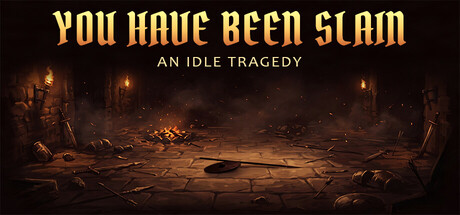 You Have Been Slain: An Idle Tragedy In-game content art | Some dungeon background images were created using generative AI. | NQR Games Inc. | - | Sep 10, 2026 | |
 Exile: Idle ARPG Dev only codeart | We are using AI to help structure and review written code by the team. AI is also in use for some artwork that will be changed at release! | ExileDev | - | Sep 9, 2026 |


