Public Steam disclosure research25,376 disclosures tracked
Where do games disclose AI use?
Search developers’ Steam disclosures, compare classified AI use across
games, and follow recorded changes.
This index adds cross-game classifications and statistics to
statements published on individual store pages.
Groups reflect automatic analysis of public disclosures; mature records are excluded. These counts do not measure AI use across all of Steam.
Missing or unclear statements cannot establish whether a game uses AI.
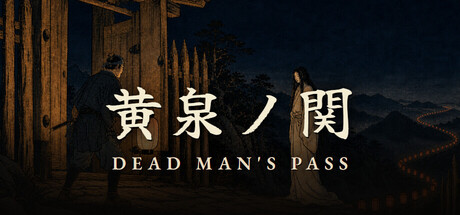
Generative AI-assisted tools were used during production to create and refine pre-generated visual artwork, synthesized voice-over, and elements of the narrative and English localization. All materials were reviewed and edited by the development team before inclusion. The game does not generate content during gameplay and does not connect to third-party AI services.
Some of the textures and images in this game were created with the help of generative AI tools, and AI tools also assisted with the game's localization and store page text. All of this content was reviewed and edited by the developer before release.
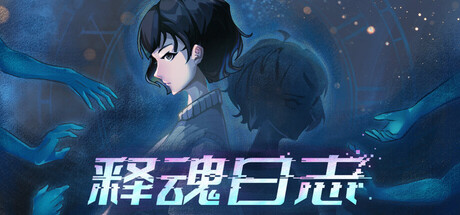
THE LAST LOGIN uses pre-generated AI-assisted content in selected visual assets, character voice-over, music, and sound effects. All AI-assisted content was created during development and is included as fixed game content. No AI content is generated during gameplay.
Generative AI was used during development to assist with the creation of selected UI graphics, localization, and text content. All AI-assisted content was reviewed and edited by the developer before being included in the final product. The game does not generate AI content during gameplay.
Some of the game's art assets were generated with the assistance of AI. All such assets have been carefully reviewed to ensure they do not infringe on third-party rights or violate Steam's policies.
We do not use AI generated images in the game. However, it's possible some images in the game could be interpreted as AI generated images. If you suspect some of images looks like AI generated images, please contact us through e-mail so we can make necessary adjustments.
Our workflow involves using store bought and legally acquired free 3D assets to render those assets into 2D images. We also use a few free photographs to serve as background images for certain scenes. Those 2D images are then touch-up using free image editing software. We also bought a few 2D art assets from reputable creators. We provide a list of most of 3D and 2D assets we used in the game in credits section in the game.
AI was used on this game: to assist with the programming, and to produce the translations. If a line reads wrong in your language, report it on the Steam community hub.
The game uses static images and UI elements (including a cryptocurrency exchange chart) generated with AI tools. These assets were manually post-processed and integrated into the game. All game code, mechanics, audio, and original level design were created by the studio without AI generation.
This game uses generative AI to create the following content:
- Images (backgrounds, character portraits, item art, UI, and store capsule art): image generation models
- Music: Suno
- Sound effects: procedural synthesis, plus OpenMOSS MOSS-SoundEffect v2 (Apache-2.0)
- Text and code: created with the assistance of generative AI
All of the above were pre-generated during development. No AI runs at runtime.
Some of this game's dialogue was refined with the help of a generative AI tool during revision. Every line in the finished game was reviewed and edited by the developer.
No generative AI was used to create the artwork, sound, or music, and no content is generated during gameplay.
Generative AI was used during development to assist with some image assets and written or localized text for the game and its store page, as well as three in-game background music tracks. All AI-assisted content is pre-generated and fixed. The game does not generate content at runtime or send player input or data to AI services.
Pre-generated AI content: Generative AI tools were used extensively during development to create and assist with artwork, game assets, music, written content, and promotional materials. AI-assisted development tools were also used. All content in the final game was reviewed and curated by the development team. The game does not generate AI content during gameplay.
Some of the 2D art and textures in this game were created with the help of generative AI tools. Generative AI was also used to assist with writing and translating parts of the in-game text. All AI-assisted content was reviewed and edited by the developer before release. No content is generated by AI while you play.
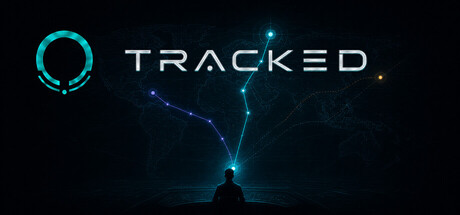
Selected pre-generated visual and audio assets used in Tracked and its store materials were created with the assistance of generative AI tools during development. Every AI-assisted asset was selected, reviewed, and edited by the development team before use. No content is generated during gameplay, and the game does not connect to external AI services.
Assistance with the development of:
- Custom procedural 2D animation rig.
- Reinforcement learning (RL) layer for player and NPC animations in hand-authored 2D environments.
- Base designs for sprites and backgrounds (further iterated by hand using digital editing software like photoshop)
No ai tools were used in any capacity for writing or story elements, voice acting, music, or anywhere else.
Generative AI tools were used during development to assist with creating promotional images for the Steam store page, early concept art, and voiceovers for character dialogues. No AI content is generated in real-time during gameplay. All in-game models, code, and environments were manually created, processed, and integrated by the developer.
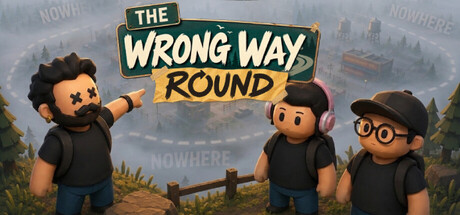
We’d like to be transparent about the localization of THE WRONG WAY ROUND.
Some of the game’s translations have been created with the assistance of AI and then reviewed and adjusted by us. This allows us to make the game available to more players and support more languages than we could otherwise manage.
We’re continuously improving the translations and really appreciate any feedback from native speakers.
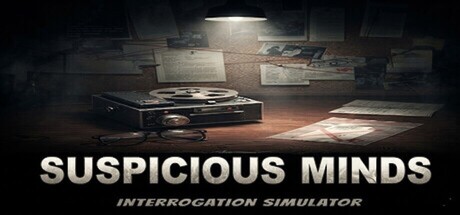
Dynamic Interrogation Dialogue: Suspicious Minds features an unscripted interrogation engine powered by local Large Language Models (LLMs). Suspect and detective responses, emotional shifts, and conversational directions are generated dynamically in real time based on user inputs, crime scene evidence, and player choices.
Voice Recognition & Speech Synthesis: The game utilizes localized speech-to-text engines to analyze spoken player input and real-time text-to-speech models to synthesize natural, expressive character voice outputs during gameplay.
Some of the music in this game was created using Suno AI. Generative image tools were also used in the creation of certain in-game visual assets and marketing images. The generated content was reviewed, selected, and modified during the development process. Generative AI is not used in real time during gameplay, nor does the game generate any new content while being played.
In a particularly fitting twist for a game about artificial intelligence whose protagonist is herself an artificial intelligence, generative AI tools were used during development to assist with some pre-generated visual assets, music, and portions of the text and localization. All AI-assisted content was reviewed, edited, and curated by the developer. No generative AI is used during gameplay.
Generative AI was used to create some pre-generated character artwork, 2D images, and illustrations included in the game and related visual promotional materials. All generated images are reviewed and selected by the developer before inclusion. No AI-generated content is created during gameplay.
Generative AI tools were used in creating and refining promotional artwork and marketing assets for this game's Steam store page. The game does not use live-generated AI during gameplay.
Some art, the 3D models, the music beds, the sound effects and all character voice lines were produced with generative AI tools during development, then hand-reviewed, edited and shipped as fixed assets. Nothing is generated while you play: the game ships every asset on disc, runs no model, and makes no network call.
Generative AI tools are used to assist with porting the game text into additional languages. All AI-assisted translations are reviewed and edited by the developer before release. No generative AI is used during gameplay.
The key art used for this game's store capsules and Steam library images was produced with the help of a generative AI image tool, then composed and finished by hand. In the game itself, all visuals are drawn procedurally at runtime and all tap sounds are synthesised in code; no AI content is generated while you play.
Generative AI tools were used to create the Steam capsule artwork and other promotional images, and to assist with drafting and editing portions of the Steam store page text. All final text was reviewed and revised by the developer, and all promotional artwork was reviewed and selected by the developer. The game does not use generative AI at runtime, and no AI content is generated during gameplay.
I’m a solo developer. At this stage, generative AI is used only for some character artwork shown in the game’s trailer and promotional material. These assets are temporary and are not used in the game itself.
As a one-person studio, I’m using temporary AI-generated artwork to gauge interest in the game before committing significant time or money to producing the final character art. I plan to replace this artwork with original/non-AI assets before release and will update this disclosure when that happens.
Pre-generated AI tools were used to assist in creating portions of the game's music, narration, character assets, and localization. All resulting content was reviewed and edited before being included as fixed game content. The game does not generate content with AI during gameplay or connect to an external AI service while running.
AI tools were used as an aid in the English localization of this title. All
original narrative content, artwork, music, and game systems were created by
human authors.
The AI coworkers in this game are voiced by a machine (TTS), and their dialogue was really written by AI together with self portraits, on purpose and under human review. The slop is diegetic. The code was written with AI agents and reviewed by the last human in that loop, the developer. That is also the plot. No AI runs at runtime. Everything was baked and reviewed before shipping.
Generative AI was used during development to generate suspect mugshot photos, dossier case texts, and to assist with language localization. All generated assets are static and pre-packaged into the game.
Loop 9 uses generative AI to power text-only dialogue with Dragojlo, a fictional in-game coworker. Player-written messages and limited game-state context are sent through our backend to OpenAI to generate brief in-character replies. Some store marketing artwork was created with AI assistance and reviewed and edited by the developer. Player messages and generated replies are not shared with other players.
Pre-generated content only. This game does not run any AI at runtime.
Visual art: 444 image files were created with generative AI during development —
equipment sprites, ability icons, monster sheets, character portraits, building
art, terrain and UI textures, the title screen and the game icon. The tool was
ChatGPT (OpenAI), web interface, image generation, in sessions between 13 July
and 1 August 2026. The author recalls the model as GPT-5.5, but the interface did
not record the exact model version, so only the date range is documented.
Text: the in-game text — tutorial, mission and event wording, item and interface
strings — was drafted with generative AI assistance and then reviewed and edited
by the author. Spanish is the original language.
Translations: the English, German and Italian versions of the in-game text were
produced from the Spanish original with generative AI.
Not AI-generated: all remaining art comes from CC0, CC BY 3.0 and CC BY-SA 3.0
sources (Liberated Pixel Cup, 7Soul, Kenney), credited in full on the in-game
credits screen. All music and sound effects are CC0 or CC BY. No AI-generated
voice or music ships with the game.
AI-assisted tools were used during the development of DarkDice in the following ways:
Code development — AI coding assistants helped write and refactor portions of the game's codebase.
Text editing — AI tools were used to proofread, polish, and tighten narrative and UI copy.
Localization & Editing — AI is used to assist with the translation, text expansion, polishing, and style adjustment of game text between English and Chinese (Traditional/Simplified).
Image generation — Some visual assets (case artwork, promotional images) were created using AI image-generation tools.
No content is generated in real time during gameplay — every case is a fixed, pre-authored story; nothing changes between playthroughs.
AI-assisted translation tools are used to help localize this game's text for international audiences, including English and any additional languages added in the future.
No AI-generated content is used for graphics, sound, or narrative/story content.
Generative AI-assisted tools were used during production to create and refine pre-generated visual artwork, synthesized voice-over, and elements of the narrative and English localization. All materials were reviewed and edited by the development team before inclusion. The game does not generate content during gameplay and does not connect to third-party AI services.
Some of the textures and images in this game were created with the help of generative AI tools, and AI tools also assisted with the game's localization and store page text. All of this content was reviewed and edited by the developer before release.
THE LAST LOGIN uses pre-generated AI-assisted content in selected visual assets, character voice-over, music, and sound effects. All AI-assisted content was created during development and is included as fixed game content. No AI content is generated during gameplay.
Generative AI was used during development to assist with the creation of selected UI graphics, localization, and text content. All AI-assisted content was reviewed and edited by the developer before being included in the final product. The game does not generate AI content during gameplay.
Some of the game's art assets were generated with the assistance of AI. All such assets have been carefully reviewed to ensure they do not infringe on third-party rights or violate Steam's policies.
We do not use AI generated images in the game. However, it's possible some images in the game could be interpreted as AI generated images. If you suspect some of images looks like AI generated images, please contact us through e-mail so we can make necessary adjustments.
Our workflow involves using store bought and legally acquired free 3D assets to render those assets into 2D images. We also use a few free photographs to serve as background images for certain scenes. Those 2D images are then touch-up using free image editing software. We also bought a few 2D art assets from reputable creators. We provide a list of most of 3D and 2D assets we used in the game in credits section in the game.
AI was used on this game: to assist with the programming, and to produce the translations. If a line reads wrong in your language, report it on the Steam community hub.
The game uses static images and UI elements (including a cryptocurrency exchange chart) generated with AI tools. These assets were manually post-processed and integrated into the game. All game code, mechanics, audio, and original level design were created by the studio without AI generation.
This game uses generative AI to create the following content:
- Images (backgrounds, character portraits, item art, UI, and store capsule art): image generation models
- Music: Suno
- Sound effects: procedural synthesis, plus OpenMOSS MOSS-SoundEffect v2 (Apache-2.0)
- Text and code: created with the assistance of generative AI
All of the above were pre-generated during development. No AI runs at runtime.
Some of this game's dialogue was refined with the help of a generative AI tool during revision. Every line in the finished game was reviewed and edited by the developer.
No generative AI was used to create the artwork, sound, or music, and no content is generated during gameplay.
Generative AI was used during development to assist with some image assets and written or localized text for the game and its store page, as well as three in-game background music tracks. All AI-assisted content is pre-generated and fixed. The game does not generate content at runtime or send player input or data to AI services.
Pre-generated AI content: Generative AI tools were used extensively during development to create and assist with artwork, game assets, music, written content, and promotional materials. AI-assisted development tools were also used. All content in the final game was reviewed and curated by the development team. The game does not generate AI content during gameplay.
Some of the 2D art and textures in this game were created with the help of generative AI tools. Generative AI was also used to assist with writing and translating parts of the in-game text. All AI-assisted content was reviewed and edited by the developer before release. No content is generated by AI while you play.
Selected pre-generated visual and audio assets used in Tracked and its store materials were created with the assistance of generative AI tools during development. Every AI-assisted asset was selected, reviewed, and edited by the development team before use. No content is generated during gameplay, and the game does not connect to external AI services.
Assistance with the development of:
- Custom procedural 2D animation rig.
- Reinforcement learning (RL) layer for player and NPC animations in hand-authored 2D environments.
- Base designs for sprites and backgrounds (further iterated by hand using digital editing software like photoshop)
No ai tools were used in any capacity for writing or story elements, voice acting, music, or anywhere else.
Generative AI tools were used during development to assist with creating promotional images for the Steam store page, early concept art, and voiceovers for character dialogues. No AI content is generated in real-time during gameplay. All in-game models, code, and environments were manually created, processed, and integrated by the developer.
We’d like to be transparent about the localization of THE WRONG WAY ROUND.
Some of the game’s translations have been created with the assistance of AI and then reviewed and adjusted by us. This allows us to make the game available to more players and support more languages than we could otherwise manage.
We’re continuously improving the translations and really appreciate any feedback from native speakers.
Dynamic Interrogation Dialogue: Suspicious Minds features an unscripted interrogation engine powered by local Large Language Models (LLMs). Suspect and detective responses, emotional shifts, and conversational directions are generated dynamically in real time based on user inputs, crime scene evidence, and player choices.
Voice Recognition & Speech Synthesis: The game utilizes localized speech-to-text engines to analyze spoken player input and real-time text-to-speech models to synthesize natural, expressive character voice outputs during gameplay.
Some of the music in this game was created using Suno AI. Generative image tools were also used in the creation of certain in-game visual assets and marketing images. The generated content was reviewed, selected, and modified during the development process. Generative AI is not used in real time during gameplay, nor does the game generate any new content while being played.
In a particularly fitting twist for a game about artificial intelligence whose protagonist is herself an artificial intelligence, generative AI tools were used during development to assist with some pre-generated visual assets, music, and portions of the text and localization. All AI-assisted content was reviewed, edited, and curated by the developer. No generative AI is used during gameplay.
Generative AI was used to create some pre-generated character artwork, 2D images, and illustrations included in the game and related visual promotional materials. All generated images are reviewed and selected by the developer before inclusion. No AI-generated content is created during gameplay.
Generative AI tools were used in creating and refining promotional artwork and marketing assets for this game's Steam store page. The game does not use live-generated AI during gameplay.
Some art, the 3D models, the music beds, the sound effects and all character voice lines were produced with generative AI tools during development, then hand-reviewed, edited and shipped as fixed assets. Nothing is generated while you play: the game ships every asset on disc, runs no model, and makes no network call.
Generative AI tools are used to assist with porting the game text into additional languages. All AI-assisted translations are reviewed and edited by the developer before release. No generative AI is used during gameplay.
The key art used for this game's store capsules and Steam library images was produced with the help of a generative AI image tool, then composed and finished by hand. In the game itself, all visuals are drawn procedurally at runtime and all tap sounds are synthesised in code; no AI content is generated while you play.
Generative AI tools were used to create the Steam capsule artwork and other promotional images, and to assist with drafting and editing portions of the Steam store page text. All final text was reviewed and revised by the developer, and all promotional artwork was reviewed and selected by the developer. The game does not use generative AI at runtime, and no AI content is generated during gameplay.
I’m a solo developer. At this stage, generative AI is used only for some character artwork shown in the game’s trailer and promotional material. These assets are temporary and are not used in the game itself.
As a one-person studio, I’m using temporary AI-generated artwork to gauge interest in the game before committing significant time or money to producing the final character art. I plan to replace this artwork with original/non-AI assets before release and will update this disclosure when that happens.
Pre-generated AI tools were used to assist in creating portions of the game's music, narration, character assets, and localization. All resulting content was reviewed and edited before being included as fixed game content. The game does not generate content with AI during gameplay or connect to an external AI service while running.
AI tools were used as an aid in the English localization of this title. All
original narrative content, artwork, music, and game systems were created by
human authors.
The AI coworkers in this game are voiced by a machine (TTS), and their dialogue was really written by AI together with self portraits, on purpose and under human review. The slop is diegetic. The code was written with AI agents and reviewed by the last human in that loop, the developer. That is also the plot. No AI runs at runtime. Everything was baked and reviewed before shipping.
Generative AI was used during development to generate suspect mugshot photos, dossier case texts, and to assist with language localization. All generated assets are static and pre-packaged into the game.
Loop 9 uses generative AI to power text-only dialogue with Dragojlo, a fictional in-game coworker. Player-written messages and limited game-state context are sent through our backend to OpenAI to generate brief in-character replies. Some store marketing artwork was created with AI assistance and reviewed and edited by the developer. Player messages and generated replies are not shared with other players.
Pre-generated content only. This game does not run any AI at runtime.
Visual art: 444 image files were created with generative AI during development —
equipment sprites, ability icons, monster sheets, character portraits, building
art, terrain and UI textures, the title screen and the game icon. The tool was
ChatGPT (OpenAI), web interface, image generation, in sessions between 13 July
and 1 August 2026. The author recalls the model as GPT-5.5, but the interface did
not record the exact model version, so only the date range is documented.
Text: the in-game text — tutorial, mission and event wording, item and interface
strings — was drafted with generative AI assistance and then reviewed and edited
by the author. Spanish is the original language.
Translations: the English, German and Italian versions of the in-game text were
produced from the Spanish original with generative AI.
Not AI-generated: all remaining art comes from CC0, CC BY 3.0 and CC BY-SA 3.0
sources (Liberated Pixel Cup, 7Soul, Kenney), credited in full on the in-game
credits screen. All music and sound effects are CC0 or CC BY. No AI-generated
voice or music ships with the game.
AI-assisted tools were used during the development of DarkDice in the following ways:
Code development — AI coding assistants helped write and refactor portions of the game's codebase.
Text editing — AI tools were used to proofread, polish, and tighten narrative and UI copy.
Localization & Editing — AI is used to assist with the translation, text expansion, polishing, and style adjustment of game text between English and Chinese (Traditional/Simplified).
Image generation — Some visual assets (case artwork, promotional images) were created using AI image-generation tools.
No content is generated in real time during gameplay — every case is a fixed, pre-authored story; nothing changes between playthroughs.
AI-assisted translation tools are used to help localize this game's text for international audiences, including English and any additional languages added in the future.
No AI-generated content is used for graphics, sound, or narrative/story content.