Public Steam disclosure research25,376 disclosures tracked
Where do games disclose AI use?
Search developers’ Steam disclosures, compare classified AI use across
games, and follow recorded changes.
This index adds cross-game classifications and statistics to
statements published on individual store pages.
Groups reflect automatic analysis of public disclosures; mature records are excluded. These counts do not measure AI use across all of Steam.
Missing or unclear statements cannot establish whether a game uses AI.
Parts of this game were made with the help of generative AI tools. The music and sound effects were created using AI audio generation, then selected, edited, and mixed by us — they ship as fixed assets, not content generated live while you play.
We also used AI-assisted coding tools (such as code autocomplete and programming assistants) during development. Every line that ships was reviewed, tested, and integrated by us; the AI sped up routine work while the design, architecture, and final decisions remained human-led.
The game does not run any AI or collect player data during gameplay.
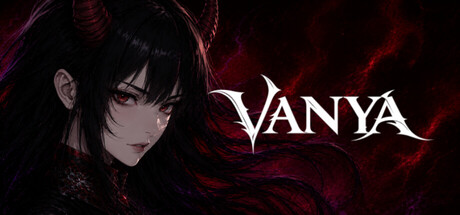
Some store page text, promotional materials, localization support, and selected visual assets may be created or assisted by generative AI tools. All AI-assisted content is reviewed and edited by Demona Vosz before publication. Vanya Online does not use generative AI to create live content during gameplay.
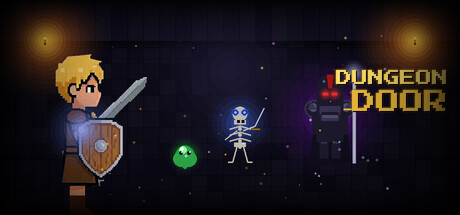
Dungeon Door utilizes generative AI to enhance creative expression and development efficiency as follows:
Artwork and Visual Assets: Generative AI was used in the conceptualization of character designs and the creation of marketing assets for the Steam store page. Every asset has been carefully reviewed and manually refined to ensure it adheres to the intended classic pixel art aesthetic.
Text and Narrative: AI tools assisted in drafting store descriptions, synopses, and localizing in-game text to provide a consistent experience across different languages.
Some store page promotional artworks and trailer footage materials are assisted and initially generated by AI tools. All AI-generated content has been deeply manually revised, adjusted and optimized by our development team to ensure originality and compliance. No runtime AI dynamic content will be generated during the game running process.
Some Library images are AI generated. Some (small amount) of in-game images are AI generated. 95% of all assets are created by real artists and in future going for the 100%.
Generative AI is used for a single feature: to allow players to create a custom illustration of their character reflecting their personalized appearance and equipped items for in-game use. There is no other use of Generative AI assets in MapleStory.
This game uses generative AI tools during development to assist with concept exploration, reference image creation, asset iteration, text drafting, localization, and promotional material preparation.
All final in-game content is reviewed, edited, and selected by the developer before being included in the game. AI-generated outputs are not used directly without human review.
Generative AI was used to create some initial concept imagery during development and marketing. All AI generated content is reviewed, heavily modified, edited and incorporated into final artwork by our art team before use. No AI generated content is produced during gameplay.
This game makes use of AI-assisted tools in the creation of certain visual assets. All AI-generated content has been manually reviewed, edited, and adapted by the developer to fit the artistic vision of the game.
Finesse uses generative AI tools for select pre-generated content created during development:
- Meshy — 3D model generation for some character and environment assets
- ElevenLabs — voice line generation for in-game audio
- Suno — music track generation for soundtrack and ambient audio
- Anthropic Claude — assistance with in-game text content (descriptions, narrative copy)
All AI-generated content is pre-rendered during development and shipped as static assets. No generative AI runs at runtime; nothing is generated live or unique per player. All AI outputs are reviewed, edited, and curated by the developer before being included in the final game.
Some visual assets in OMNICORIUM were generated using AI tools, either directly during development or sourced from third-party creators who used AI-assisted generation.
AI is used exclusively for selected visual assets. It is not used for gameplay systems, player interactions, procedural mechanics, or dynamic content generation.
Some assets used on the store page (including promotional images and background art) were created with the assistance of generative AI tools. All AI-generated materials have been reviewed and edited by our team to meet quality and content standards.
Some store-page and marketing visual assets may be created or assisted with generative AI. The game itself does not generate AI content during gameplay.
Hey, I'm Isaac, the developer of Idlemoor. The actual game itself does not use any A.I. generated art. The logo images on the store are A.I. generated. This lets me focus on making the actual game, as I am not an artist. A.I. art will not appear in the game itself when you are playing.
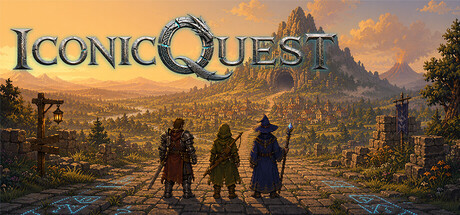
Some music tracks in IconicQuest are generated using AI based on the developer's creative direction and prompts, then curated and edited for in-game use. Some sound effects are generated using AI.
Promotional artwork on the Steam store page (capsule images) was generated with AI image tools as a creative starting point, then edited, composited with hand-crafted typography, and color-corrected by the developer in post-production.
All in-game artwork, character sprites, tiles, environments, UI
elements, and animations, is created entirely by the developer in Aseprite or sourced from art professionals. No AI is used for in-game pixel art.
All in-game text content (quest dialogue, item names, NPC scripts, lore, and tutorials) is written by the developer and AI.
No live AI generation occurs during gameplay. All AI-assisted content is finalized and shipped as static assets.
- Pre-generated: "3D character/monster models generated via Tripo3D from concept art, textures via Ludo AI. All assets reviewed and integrated by developer. No live AI generation at runtime."
- Guardrails: Human review of all generated assets before shipping.
I believe in being fully transparent with my players regarding the tools used to bring this project to life. As a solo developer and non-native English speaker, I have utilized AI as a supportive tool to enhance the experience, though the core vision and logic of the game remain my own.
Art & Visuals: To ensure the game has a polished aesthetic, I used AI to refine my hand-drawn concepts into final assets. This allowed me to translate my original sketches into high-quality visuals that I otherwise could not have afforded as an independent creator.
Language & Localization: With over 1,500 unique glyphs and numerous Rune combinations, I used AI to assist with naming and linguistic consistency. This ensures that the English translation is natural and clear for all players.
Real-Time Community Chat: To foster an inclusive community, the game features an integrated translation tool. This allows players to chat in their native languages while providing instant translations for others, ensuring everyone can participate in the conversation.
Development & Optimization: AI assisted in proofing my original combat code and expanding on my base mechanics to create more diverse gameplay options. It also serves as a diagnostic tool to help me identify and patch bugs quickly, ensuring a stable and fair experience for everyone.
AI is a tool to empower my creativity, not a replacement for it. My goal is to use these technologies to deliver a deeper, more polished game than a solo project would typically allow.
Guilds of Mountgate currently uses AI-generated visual assets during Early Access, primarily for environmental backgrounds and UI-related imagery.
All assets are individually selected and refined to ensure visual consistency within the game world.
This approach allows development to focus on the core systems that define the game — including progression, economy and world simulation.
As development continues, many of these assets — especially location backgrounds — are planned to be replaced with handcrafted, pre-rendered 3D scenes created in Blender for the full release (v1.0).
We believe in being transparent about how we build Hollowed Oath including where we use AI, and why. For a thoughtful look at how AI is used in Hollowed Oath, please visit: https://hollowedoath.com/ai-use
Exonie Online uses pre-generated AI content to provide a high-quality multiplayer experience.
Gameplay Code: Generative AI was used as a primary collaborative tool to develop the game's networking logic, hybrid asset-loading systems, and core mechanics.
Visual Assets: AI tools were used to generate environmental maps, character sprites, and UI elements.
Audio: The game’s soundtrack was generated using Suno AI (Pro Tier), ensuring the developer holds full commercial rights.
All AI-assisted content was manually reviewed and integrated by the developer. No AI content is generated live during gameplay
During development, we may utilize procedural and AI-driven tools to support content creation/ However, the final product will ultimately showcase the creativity and artistic vision of our own development team
"This game utilizes generative AI to create temporary placeholders for art assets, which will be replaced by final, custom artwork as development progresses.
During the development process, we may use procedural- and AI-based tools to assist with content creation. In all such cases, the final product reflects the creativity and expression of our own development team.
During the development and live service of the game, AI-based tools may be utilized to support in game visual content creation, marketing materials, live chat translation features, and partial in-game dialogue and script localization.
In all such cases and regardless of the workflow, the final product is a reflection of our own development team's creativity and artistic expression.
Parts of this game were made with the help of generative AI tools. The music and sound effects were created using AI audio generation, then selected, edited, and mixed by us — they ship as fixed assets, not content generated live while you play.
We also used AI-assisted coding tools (such as code autocomplete and programming assistants) during development. Every line that ships was reviewed, tested, and integrated by us; the AI sped up routine work while the design, architecture, and final decisions remained human-led.
The game does not run any AI or collect player data during gameplay.
Some store page text, promotional materials, localization support, and selected visual assets may be created or assisted by generative AI tools. All AI-assisted content is reviewed and edited by Demona Vosz before publication. Vanya Online does not use generative AI to create live content during gameplay.
Dungeon Door utilizes generative AI to enhance creative expression and development efficiency as follows:
Artwork and Visual Assets: Generative AI was used in the conceptualization of character designs and the creation of marketing assets for the Steam store page. Every asset has been carefully reviewed and manually refined to ensure it adheres to the intended classic pixel art aesthetic.
Text and Narrative: AI tools assisted in drafting store descriptions, synopses, and localizing in-game text to provide a consistent experience across different languages.
Some store page promotional artworks and trailer footage materials are assisted and initially generated by AI tools. All AI-generated content has been deeply manually revised, adjusted and optimized by our development team to ensure originality and compliance. No runtime AI dynamic content will be generated during the game running process.
Some Library images are AI generated. Some (small amount) of in-game images are AI generated. 95% of all assets are created by real artists and in future going for the 100%.
Generative AI is used for a single feature: to allow players to create a custom illustration of their character reflecting their personalized appearance and equipped items for in-game use. There is no other use of Generative AI assets in MapleStory.
This game uses generative AI tools during development to assist with concept exploration, reference image creation, asset iteration, text drafting, localization, and promotional material preparation.
All final in-game content is reviewed, edited, and selected by the developer before being included in the game. AI-generated outputs are not used directly without human review.
Generative AI was used to create some initial concept imagery during development and marketing. All AI generated content is reviewed, heavily modified, edited and incorporated into final artwork by our art team before use. No AI generated content is produced during gameplay.
This game makes use of AI-assisted tools in the creation of certain visual assets. All AI-generated content has been manually reviewed, edited, and adapted by the developer to fit the artistic vision of the game.
Finesse uses generative AI tools for select pre-generated content created during development:
- Meshy — 3D model generation for some character and environment assets
- ElevenLabs — voice line generation for in-game audio
- Suno — music track generation for soundtrack and ambient audio
- Anthropic Claude — assistance with in-game text content (descriptions, narrative copy)
All AI-generated content is pre-rendered during development and shipped as static assets. No generative AI runs at runtime; nothing is generated live or unique per player. All AI outputs are reviewed, edited, and curated by the developer before being included in the final game.
Some visual assets in OMNICORIUM were generated using AI tools, either directly during development or sourced from third-party creators who used AI-assisted generation.
AI is used exclusively for selected visual assets. It is not used for gameplay systems, player interactions, procedural mechanics, or dynamic content generation.
Some assets used on the store page (including promotional images and background art) were created with the assistance of generative AI tools. All AI-generated materials have been reviewed and edited by our team to meet quality and content standards.
Some store-page and marketing visual assets may be created or assisted with generative AI. The game itself does not generate AI content during gameplay.
Hey, I'm Isaac, the developer of Idlemoor. The actual game itself does not use any A.I. generated art. The logo images on the store are A.I. generated. This lets me focus on making the actual game, as I am not an artist. A.I. art will not appear in the game itself when you are playing.
Some music tracks in IconicQuest are generated using AI based on the developer's creative direction and prompts, then curated and edited for in-game use. Some sound effects are generated using AI.
Promotional artwork on the Steam store page (capsule images) was generated with AI image tools as a creative starting point, then edited, composited with hand-crafted typography, and color-corrected by the developer in post-production.
All in-game artwork, character sprites, tiles, environments, UI
elements, and animations, is created entirely by the developer in Aseprite or sourced from art professionals. No AI is used for in-game pixel art.
All in-game text content (quest dialogue, item names, NPC scripts, lore, and tutorials) is written by the developer and AI.
No live AI generation occurs during gameplay. All AI-assisted content is finalized and shipped as static assets.
- Pre-generated: "3D character/monster models generated via Tripo3D from concept art, textures via Ludo AI. All assets reviewed and integrated by developer. No live AI generation at runtime."
- Guardrails: Human review of all generated assets before shipping.
I believe in being fully transparent with my players regarding the tools used to bring this project to life. As a solo developer and non-native English speaker, I have utilized AI as a supportive tool to enhance the experience, though the core vision and logic of the game remain my own.
Art & Visuals: To ensure the game has a polished aesthetic, I used AI to refine my hand-drawn concepts into final assets. This allowed me to translate my original sketches into high-quality visuals that I otherwise could not have afforded as an independent creator.
Language & Localization: With over 1,500 unique glyphs and numerous Rune combinations, I used AI to assist with naming and linguistic consistency. This ensures that the English translation is natural and clear for all players.
Real-Time Community Chat: To foster an inclusive community, the game features an integrated translation tool. This allows players to chat in their native languages while providing instant translations for others, ensuring everyone can participate in the conversation.
Development & Optimization: AI assisted in proofing my original combat code and expanding on my base mechanics to create more diverse gameplay options. It also serves as a diagnostic tool to help me identify and patch bugs quickly, ensuring a stable and fair experience for everyone.
AI is a tool to empower my creativity, not a replacement for it. My goal is to use these technologies to deliver a deeper, more polished game than a solo project would typically allow.
Guilds of Mountgate currently uses AI-generated visual assets during Early Access, primarily for environmental backgrounds and UI-related imagery.
All assets are individually selected and refined to ensure visual consistency within the game world.
This approach allows development to focus on the core systems that define the game — including progression, economy and world simulation.
As development continues, many of these assets — especially location backgrounds — are planned to be replaced with handcrafted, pre-rendered 3D scenes created in Blender for the full release (v1.0).
We believe in being transparent about how we build Hollowed Oath including where we use AI, and why. For a thoughtful look at how AI is used in Hollowed Oath, please visit: https://hollowedoath.com/ai-use
Exonie Online uses pre-generated AI content to provide a high-quality multiplayer experience.
Gameplay Code: Generative AI was used as a primary collaborative tool to develop the game's networking logic, hybrid asset-loading systems, and core mechanics.
Visual Assets: AI tools were used to generate environmental maps, character sprites, and UI elements.
Audio: The game’s soundtrack was generated using Suno AI (Pro Tier), ensuring the developer holds full commercial rights.
All AI-assisted content was manually reviewed and integrated by the developer. No AI content is generated live during gameplay
During development, we may utilize procedural and AI-driven tools to support content creation/ However, the final product will ultimately showcase the creativity and artistic vision of our own development team
"This game utilizes generative AI to create temporary placeholders for art assets, which will be replaced by final, custom artwork as development progresses.
During the development process, we may use procedural- and AI-based tools to assist with content creation. In all such cases, the final product reflects the creativity and expression of our own development team.
During the development and live service of the game, AI-based tools may be utilized to support in game visual content creation, marketing materials, live chat translation features, and partial in-game dialogue and script localization.
In all such cases and regardless of the workflow, the final product is a reflection of our own development team's creativity and artistic expression.