Public Steam disclosure research25,376 disclosures tracked
Where do games disclose AI use?
Search developers’ Steam disclosures, compare classified AI use across
games, and follow recorded changes.
This index adds cross-game classifications and statistics to
statements published on individual store pages.
Groups reflect automatic analysis of public disclosures; mature records are excluded. These counts do not measure AI use across all of Steam.
Missing or unclear statements cannot establish whether a game uses AI.
Game text and translations were created with the help of AI tools. The public build has no AI voices; it has no voice acting yet. The art is not made with generative AI: it comes from free CC0 asset packs plus shapes and textures built in code. Sound effects are synthesized by our own scripts. Nothing is generated by AI while you play.
A Light in the Gloam uses pre-generated AI content. Nothing is generated while the game is running, and the game makes no network calls of any kind.
Visual art: all in-game art was generated with OpenAI's image model (gpt-image-1) from prompts written by hand, then processed by our own scripts, which downscale it, quantise it to a fixed palette and trim it before it is placed in the game. This covers 14 character portraits, 43 enemy and boss sprites, 63 item icons, 27 wall, floor and ceiling textures, 10 dungeon props, 21 achievement emblems, and 14 town and title backdrops. The store capsules and the client icons are crops of the title-screen generation rather than new images.
Music and sound: all 14 music tracks were generated with ElevenLabs' music model and all 47 sound effects with ElevenLabs' sound-effects model, both from written prompts and both post-processed by our own scripts for level and length. There is no voice acting and no synthesised speech anywhere in the game.
Writing and translation: the game's text, meaning item and monster descriptions, dialogue, menus and the story, was written with the assistance of a large language model and then edited by hand. The Brazilian Portuguese translation was produced the same way and reviewed against the English.
Generative AI tools were used during development to create pre-generated visual assets, including 2D background artwork, environment graphics, character sprites, and promotional store imagery. All AI-generated content was created prior to release, and no generative AI runs in real-time during gameplay.
The game's story, design and text were created by the developer. Generative AI was used as an assistant when writing the text of this store page and of the game, and to translate it into 12 languages; all of it was reviewed and edited by the developer. One song on the car radio ("Broken Hearts and Blue Moons", licensed from Pixabay) was produced by its author with generative AI. No content is generated while you play.
Generative AI tools were used during development to create some character, environment, and object visuals, 3D assets, and promotional materials. All AI-generated content was created in advance during development. No new content is generated by AI during gameplay, and the game does not connect to any external AI services.
Generative AI tools were used during development to assist with localization, programming, and store/marketing text. All AI-assisted output was reviewed, edited, and integrated by the developer. The game does not use generative AI at runtime and does not generate live AI content.
Generative AI tools were used to assist with the creation and refinement of some pre-generated 3D assets and localization. All AI-assisted content was reviewed, edited, and integrated by the developer. The game does not use generative AI to create content during gameplay.
Generative AI tools were used during development to assist with the creation of some 2D visual assets and development-related content. All AI-assisted content is reviewed and integrated by the development team.
Some store and library capsule art was produced with image-generation tools
(SDXL and a chat assistant) using our own in-game screenshots as the input
image. The underlying game content -- models, textures, code, text -- is
authored by us without generative AI. All generated art was reviewed by us
before publication.
- AI is used to help write scripts that create or modify some 3D models. In addition to creating many, I also personally refine and finish all models in Blender.
All additional art is human-made:
- Artwork: Created by me and my niece, with some icons licensed from the Unity Asset Store.
- Steam capsule artwork is by @Camilieroart
- Sound effects were created by myself and Kris McNaney, with additional sounds licensed from Uppbeat’s human-made library.
- Original music by Kris McNaney, with additional tracks licensed from Uppbeat’s human-made library.
Generative AI was used during development to create certain pre-generated visual assets and character textures included in the game, as well as to assist with translation into certain languages (French, German, and Spanish). These assets are created during development and are integrated into the game; there is no real-time AI content generation during gameplay.
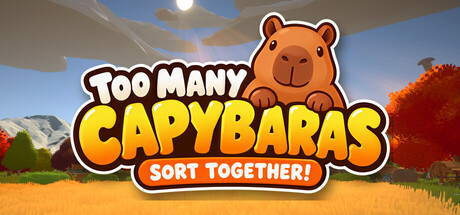
This game was made by a two-person team: a developer and a designer/artist. AI tools were used only as an aid during development. An AI 3D generator provided rough starting shapes for the capybara figurines, which the team then remodeled, textured and set up in the game engine. level design, gameplay, art direction, UI and text was designed and made by the team. The game does not generate any AI content while you play.
AI tools assisted in developing certain visual and audio elements, design references, and translations. The development team reviewed and finalized all published content.
Spellsanity is made by one person and uses generative AI as a tool, not as a substitute for design.
Art: Much of the pixel art (enemies, bosses, characters, portraits, story stills, environment details) was produced with AI image generators and then reworked by hand: reduced to the game's colour palette, corrected pixel by pixel, animated and fitted into the game. Some of the art (surfaces, effects, UI frames) was drawn without AI or generated procedurally.
Text: Dialogue, descriptions and help texts were written with AI assistance and revised by the developer. The translations from English (German, Spanish, Portuguese, Russian, Chinese) were produced with AI and spot-checked; please report mistakes.
Code: AI assistants were used during programming.
Music and sound are not AI: the music is licensed work by Kevin MacLeod (incompetech.com), the sound effects are synthesized.
No AI runs inside the game. All content is shipped with the game and was reviewed before release; nothing is generated at runtime.
Character illustrations, backgrounds, and card artwork in this game were created with the help of generative AI tools and then selected and edited by the developer. AI tools were also used to assist with English translation and text. All music and sound effects are licensed works by human creators. The game does not generate any AI content during gameplay.
This game started with my own ideas. Its development, design, sound, and graphics were all created using AI. AI-generated content was created during development. The game does not generate AI content during gameplay or connect to external AI services.
We use generative AI for localization support. All AI assisted translations are reviewed and edited by human translators before being included in the game.
AI tools were used during development, including code assistance and design iteration. All creative direction, game design, and final decisions are the work of the developer. The game contains no live/runtime AI-generated content.
AI-assisted tools were used to assist with the creation of some in-game image assets and promotional materials. No AI-generated content is created during gameplay.
This game contains content created with the assistance of AI tools. AI was used during development to assist with programming, visual assets, and other creative elements. All generated content was reviewed, edited, and integrated by the dev.
Generative AI was used during development to help create some character illustrations, artwork and animations, music and sound effects, drafts of in-game text, localization, and store-page materials. This content is prepared in advance and incorporated into the game or its store page. The game does not generate content using generative AI during gameplay.
AI tools were used to assist with writing and reviewing game code during development. No AI-generated art, audio, or narrative content ships in the final game.
The protagonist was entirely hand-drawn. Some of the in-game tilesets, objects, background music, and sound effects were created using generative AI, and all AI-generated assets were manually retouched and edited by me before being used in the game.No generative AI content is generated during gameplay.
Artwork, video and voice performances in this game were created with generative-AI tools and selected and edited by the author; the writing was drafted with AI assistance and reviewed by the author. Nothing is generated while you play.
Some visual assets and promotional artwork included in the game were created or assisted with generative AI tools during development. These assets were subsequently edited, adjusted, animated, and integrated by the developer. The game does not use generative AI to create content during gameplay.
Generative AI tools assisted in producing content for the game and its store materials, including some images, music and character voices. Starlit Hall Studio designs, selects, revises, integrates and reviews the final content. All content is prepared before release; the game does not generate content or connect to generative AI services during play.
Some pre-rendered visual and audio assets were created with the assistance of generative AI tools during development. All such content was reviewed, edited, and finalized by the developer before shipping. The game does not use AI to generate content during gameplay.
This game uses generative AI in the creation of the following content:
- Parts of the ending animations and still illustrations
- Parts of the scenario text
- UI artwork
- Store page assets such as the logo and key visual
- Store page text in languages other than Japanese
All generated assets were reviewed, selected and edited by our team before being included in the final build. No content is generated by AI while the game is running.
Game text and translations were created with the help of AI tools. The public build has no AI voices; it has no voice acting yet. The art is not made with generative AI: it comes from free CC0 asset packs plus shapes and textures built in code. Sound effects are synthesized by our own scripts. Nothing is generated by AI while you play.
A Light in the Gloam uses pre-generated AI content. Nothing is generated while the game is running, and the game makes no network calls of any kind.
Visual art: all in-game art was generated with OpenAI's image model (gpt-image-1) from prompts written by hand, then processed by our own scripts, which downscale it, quantise it to a fixed palette and trim it before it is placed in the game. This covers 14 character portraits, 43 enemy and boss sprites, 63 item icons, 27 wall, floor and ceiling textures, 10 dungeon props, 21 achievement emblems, and 14 town and title backdrops. The store capsules and the client icons are crops of the title-screen generation rather than new images.
Music and sound: all 14 music tracks were generated with ElevenLabs' music model and all 47 sound effects with ElevenLabs' sound-effects model, both from written prompts and both post-processed by our own scripts for level and length. There is no voice acting and no synthesised speech anywhere in the game.
Writing and translation: the game's text, meaning item and monster descriptions, dialogue, menus and the story, was written with the assistance of a large language model and then edited by hand. The Brazilian Portuguese translation was produced the same way and reviewed against the English.
Generative AI tools were used during development to create pre-generated visual assets, including 2D background artwork, environment graphics, character sprites, and promotional store imagery. All AI-generated content was created prior to release, and no generative AI runs in real-time during gameplay.
The game's story, design and text were created by the developer. Generative AI was used as an assistant when writing the text of this store page and of the game, and to translate it into 12 languages; all of it was reviewed and edited by the developer. One song on the car radio ("Broken Hearts and Blue Moons", licensed from Pixabay) was produced by its author with generative AI. No content is generated while you play.
Generative AI tools were used during development to create some character, environment, and object visuals, 3D assets, and promotional materials. All AI-generated content was created in advance during development. No new content is generated by AI during gameplay, and the game does not connect to any external AI services.
Generative AI tools were used during development to assist with localization, programming, and store/marketing text. All AI-assisted output was reviewed, edited, and integrated by the developer. The game does not use generative AI at runtime and does not generate live AI content.
Generative AI tools were used to assist with the creation and refinement of some pre-generated 3D assets and localization. All AI-assisted content was reviewed, edited, and integrated by the developer. The game does not use generative AI to create content during gameplay.
Generative AI tools were used during development to assist with the creation of some 2D visual assets and development-related content. All AI-assisted content is reviewed and integrated by the development team.
Some store and library capsule art was produced with image-generation tools
(SDXL and a chat assistant) using our own in-game screenshots as the input
image. The underlying game content -- models, textures, code, text -- is
authored by us without generative AI. All generated art was reviewed by us
before publication.
- AI is used to help write scripts that create or modify some 3D models. In addition to creating many, I also personally refine and finish all models in Blender.
All additional art is human-made:
- Artwork: Created by me and my niece, with some icons licensed from the Unity Asset Store.
- Steam capsule artwork is by @Camilieroart
- Sound effects were created by myself and Kris McNaney, with additional sounds licensed from Uppbeat’s human-made library.
- Original music by Kris McNaney, with additional tracks licensed from Uppbeat’s human-made library.
Generative AI was used during development to create certain pre-generated visual assets and character textures included in the game, as well as to assist with translation into certain languages (French, German, and Spanish). These assets are created during development and are integrated into the game; there is no real-time AI content generation during gameplay.
This game was made by a two-person team: a developer and a designer/artist. AI tools were used only as an aid during development. An AI 3D generator provided rough starting shapes for the capybara figurines, which the team then remodeled, textured and set up in the game engine. level design, gameplay, art direction, UI and text was designed and made by the team. The game does not generate any AI content while you play.
AI tools assisted in developing certain visual and audio elements, design references, and translations. The development team reviewed and finalized all published content.
Spellsanity is made by one person and uses generative AI as a tool, not as a substitute for design.
Art: Much of the pixel art (enemies, bosses, characters, portraits, story stills, environment details) was produced with AI image generators and then reworked by hand: reduced to the game's colour palette, corrected pixel by pixel, animated and fitted into the game. Some of the art (surfaces, effects, UI frames) was drawn without AI or generated procedurally.
Text: Dialogue, descriptions and help texts were written with AI assistance and revised by the developer. The translations from English (German, Spanish, Portuguese, Russian, Chinese) were produced with AI and spot-checked; please report mistakes.
Code: AI assistants were used during programming.
Music and sound are not AI: the music is licensed work by Kevin MacLeod (incompetech.com), the sound effects are synthesized.
No AI runs inside the game. All content is shipped with the game and was reviewed before release; nothing is generated at runtime.
Character illustrations, backgrounds, and card artwork in this game were created with the help of generative AI tools and then selected and edited by the developer. AI tools were also used to assist with English translation and text. All music and sound effects are licensed works by human creators. The game does not generate any AI content during gameplay.
This game started with my own ideas. Its development, design, sound, and graphics were all created using AI. AI-generated content was created during development. The game does not generate AI content during gameplay or connect to external AI services.
We use generative AI for localization support. All AI assisted translations are reviewed and edited by human translators before being included in the game.
AI tools were used during development, including code assistance and design iteration. All creative direction, game design, and final decisions are the work of the developer. The game contains no live/runtime AI-generated content.
AI-assisted tools were used to assist with the creation of some in-game image assets and promotional materials. No AI-generated content is created during gameplay.
This game contains content created with the assistance of AI tools. AI was used during development to assist with programming, visual assets, and other creative elements. All generated content was reviewed, edited, and integrated by the dev.
Generative AI was used during development to help create some character illustrations, artwork and animations, music and sound effects, drafts of in-game text, localization, and store-page materials. This content is prepared in advance and incorporated into the game or its store page. The game does not generate content using generative AI during gameplay.
AI tools were used to assist with writing and reviewing game code during development. No AI-generated art, audio, or narrative content ships in the final game.
The protagonist was entirely hand-drawn. Some of the in-game tilesets, objects, background music, and sound effects were created using generative AI, and all AI-generated assets were manually retouched and edited by me before being used in the game.No generative AI content is generated during gameplay.
Artwork, video and voice performances in this game were created with generative-AI tools and selected and edited by the author; the writing was drafted with AI assistance and reviewed by the author. Nothing is generated while you play.
Some visual assets and promotional artwork included in the game were created or assisted with generative AI tools during development. These assets were subsequently edited, adjusted, animated, and integrated by the developer. The game does not use generative AI to create content during gameplay.
Generative AI tools assisted in producing content for the game and its store materials, including some images, music and character voices. Starlit Hall Studio designs, selects, revises, integrates and reviews the final content. All content is prepared before release; the game does not generate content or connect to generative AI services during play.
Some pre-rendered visual and audio assets were created with the assistance of generative AI tools during development. All such content was reviewed, edited, and finalized by the developer before shipping. The game does not use AI to generate content during gameplay.
This game uses generative AI in the creation of the following content:
- Parts of the ending animations and still illustrations
- Parts of the scenario text
- UI artwork
- Store page assets such as the logo and key visual
- Store page text in languages other than Japanese
All generated assets were reviewed, selected and edited by our team before being included in the final build. No content is generated by AI while the game is running.