Public Steam disclosure research25,376 disclosures tracked
Where do games disclose AI use?
Search developers’ Steam disclosures, compare classified AI use across
games, and follow recorded changes.
This index adds cross-game classifications and statistics to
statements published on individual store pages.
Groups reflect automatic analysis of public disclosures; mature records are excluded. These counts do not measure AI use across all of Steam.
Missing or unclear statements cannot establish whether a game uses AI.
This game utilizes generative AI tools to assist and enhance various aspects of our creative process. Specifically, AI technologies were employed to help design and refine visual artwork, generate dynamic variations of select musical tracks, assist in the editing of specific in-game assets, and support our localization efforts across multiple languages
My Music Label leverages generative artificial intelligence to enhance your gaming experience. All in-game images, music-related assets, and even parts of the code are generated using AI technology.
This game is an AI-driven virtual idol rhythm and stage performance music game, allowing AI to generate and create virtual idol characters, backgrounds, songs, and more in real time. Relevant content has been set with content filtering and review to ensure that all generated content complies with game design and community standards.
The game features a blend of meticulously handcrafted and AI-generated sprites, carefully selected through extensive and challenging AI prompting to create a unique and visually appealing art style.
Generative AI tools were used in the creation of player-facing audio and visual assets in this game. This includes AI-assisted music generation and AI-assisted image/animation processing used for in-game materials. The game does not generate content live during play.
ASCII-RIFT was developed using generative AI tools as part of the creative process. Music tracks were created using Suno and curated by the developer. Programming and system design were developed with AI-assisted tools under the developer’s direction. No live AI-generated content is used during gameplay.
During the development, AI assistance may be used in creating content used in the game.
All such content is rooted in the original art direction of the project, and shaped individually before reaching the final product.
This game uses Spotify's Basic Pitch, a machine learning model for audio-to-MIDI transcription. This technology assists in converting audio files into note data for gameplay purposes and is entirely optional—players can choose whether or not to use this feature. It does not generate music, artwork, or other creative content; all such elements are created by human artists and composers.
Several placeholder 2D art pieces are generated using Stable Diffusion. In the Early Access version these are marked with the word "Placeholder" in the bottom right corner of the image and will be replaced by artist drawings during the Early Access process.
We used AI tools to generate initial visual concepts and draft assets for characters and backgrounds. Afterward, all assets were heavily retouched, painted over, and finalized by our human artists to ensure quality and stylistic consistency. AI was used only as a starting point during the development process.
None of the music is AI generated.
The Bard's Kingdom was built by a solo developer using AI as a creative partner. Artwork was generated with AI tools and hand-edited to fit the game's vision. Programming was done collaboratively with AI assistance, guided by over a decade of software development experience. The story, design, and heart of the game are entirely human.
Some art work and visual assets in this game were created using AI-assisted tools. No AI is used during gameplay and no content is generated in real time.
This game was developed by a solo developer using AI-assisted tools to support parts of the creative and technical workflow, including marketing materials, store page assets, music, and portions of code. All AI-assisted outputs were reviewed, refined, and integrated by the developer.
No AI systems are used to generate content during gameplay.
We will be recording our own version of each song that was created by suno.com for placeholder music during early access. The game will remain in early access until all songs have been recorded by people.
For more information, watch https://youtu.be/GM5IOgDF1_c
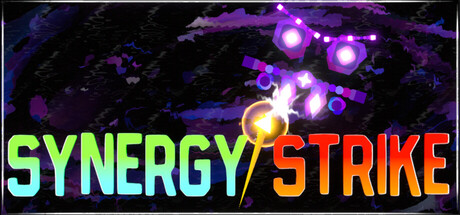
The developer of Synergy Strike used AI-assisted tools as part of a solo development workflow. Audio, visuals, and code assistance were crafted using a curated set of generative tools all directed, reviewed, and shaped by a single human creator. Synergy Strike is handmade at its core.
We sometimes use AI to kickstart ideas or test directions, but everything in Spell Beat is shaped, reworked, and hand-polished by real humans until it feels juicy. AI experiments mainly help us figure out what NOT to make. The final experience is crafted by actual people who care way too much about way too many details.
This game utilizes generative AI tools to assist and enhance various aspects of our creative process. Specifically, AI technologies were employed to help design and refine visual artwork, generate dynamic variations of select musical tracks, assist in the editing of specific in-game assets, and support our localization efforts across multiple languages
My Music Label leverages generative artificial intelligence to enhance your gaming experience. All in-game images, music-related assets, and even parts of the code are generated using AI technology.
This game is an AI-driven virtual idol rhythm and stage performance music game, allowing AI to generate and create virtual idol characters, backgrounds, songs, and more in real time. Relevant content has been set with content filtering and review to ensure that all generated content complies with game design and community standards.
The game features a blend of meticulously handcrafted and AI-generated sprites, carefully selected through extensive and challenging AI prompting to create a unique and visually appealing art style.
Generative AI tools were used in the creation of player-facing audio and visual assets in this game. This includes AI-assisted music generation and AI-assisted image/animation processing used for in-game materials. The game does not generate content live during play.
ASCII-RIFT was developed using generative AI tools as part of the creative process. Music tracks were created using Suno and curated by the developer. Programming and system design were developed with AI-assisted tools under the developer’s direction. No live AI-generated content is used during gameplay.
During the development, AI assistance may be used in creating content used in the game.
All such content is rooted in the original art direction of the project, and shaped individually before reaching the final product.
This game uses Spotify's Basic Pitch, a machine learning model for audio-to-MIDI transcription. This technology assists in converting audio files into note data for gameplay purposes and is entirely optional—players can choose whether or not to use this feature. It does not generate music, artwork, or other creative content; all such elements are created by human artists and composers.
Several placeholder 2D art pieces are generated using Stable Diffusion. In the Early Access version these are marked with the word "Placeholder" in the bottom right corner of the image and will be replaced by artist drawings during the Early Access process.
We used AI tools to generate initial visual concepts and draft assets for characters and backgrounds. Afterward, all assets were heavily retouched, painted over, and finalized by our human artists to ensure quality and stylistic consistency. AI was used only as a starting point during the development process.
None of the music is AI generated.
The Bard's Kingdom was built by a solo developer using AI as a creative partner. Artwork was generated with AI tools and hand-edited to fit the game's vision. Programming was done collaboratively with AI assistance, guided by over a decade of software development experience. The story, design, and heart of the game are entirely human.
Some art work and visual assets in this game were created using AI-assisted tools. No AI is used during gameplay and no content is generated in real time.
This game was developed by a solo developer using AI-assisted tools to support parts of the creative and technical workflow, including marketing materials, store page assets, music, and portions of code. All AI-assisted outputs were reviewed, refined, and integrated by the developer.
No AI systems are used to generate content during gameplay.
We will be recording our own version of each song that was created by suno.com for placeholder music during early access. The game will remain in early access until all songs have been recorded by people.
For more information, watch https://youtu.be/GM5IOgDF1_c
The developer of Synergy Strike used AI-assisted tools as part of a solo development workflow. Audio, visuals, and code assistance were crafted using a curated set of generative tools all directed, reviewed, and shaped by a single human creator. Synergy Strike is handmade at its core.
We sometimes use AI to kickstart ideas or test directions, but everything in Spell Beat is shaped, reworked, and hand-polished by real humans until it feels juicy. AI experiments mainly help us figure out what NOT to make. The final experience is crafted by actual people who care way too much about way too many details.