Public Steam disclosure research25,376 disclosures tracked
Where do games disclose AI use?
Search developers’ Steam disclosures, compare classified AI use across
games, and follow recorded changes.
This index adds cross-game classifications and statistics to
statements published on individual store pages.
Groups reflect automatic analysis of public disclosures; mature records are excluded. These counts do not measure AI use across all of Steam.
Missing or unclear statements cannot establish whether a game uses AI.
Some 3D character models and a few environment assets in this game were created with the help of generative AI tools, then manually edited, rigged and refined by the developer. Some promotional images were also produced with AI assistance. All AI-generated content was reviewed to ensure it does not infringe third-party rights.
I've used AI for a lot of things in this project. The code, 3D models, textures, 3D animations, music and more. I know a lot of people don't anything to do with AI so I want to be up front. This is a small pet project, I'm able to create a lot more of my vision than I could without AI. I do not dismiss the reasons people have for rejecting AI.
Some of this game's content was created with generative AI and then reworked and adjusted by hand by the developer. This applies in particular to code, the 3D models and textures, and the music and sound effects. Animations, game rules, simulation, balance and the structure of the game come entirely from the developer.
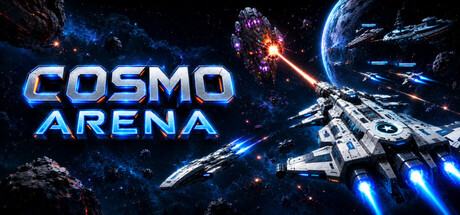
Cosmo Arena uses generative AI tools during development to assist with the creation and refinement of certain visual assets, concept art, UI elements, textures, and other game content. All AI-assisted content is reviewed, edited, and integrated by the developer. Generative AI is not used to create content dynamically during gameplay.
Generative AI tools are used during development to help create selected artwork, including ability icons, and to draft and edit text. This content is prepared before release. No content is generated by AI during gameplay, and the game does not connect to external AI services.
Some 2D sprites, sound effects, and music tracks were created with the assistance of generative AI tools during development and were manually reviewed and edited by the developer.
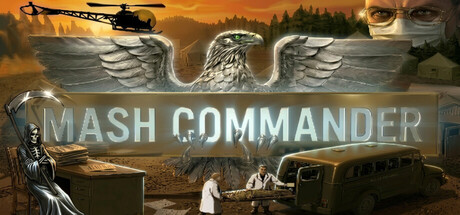
-- Store page capsule art was created in a comprehensive workflow with OpenArt.ai, using Blender and Windows Paint3D, and by employing painstakingly crafted text prompts over dozens of A.I. generations, while incorporating thousands of my own brushstrokes and adhering to my own artistic vision for composition and mood.
-- The game’s main logo texture was refined with OpenArt.ai.
-- 30+ characters may be heard with distinct voices speaking in the background, commenting generally about the situation at hand with any of dozens of phrases, or hundreds of snippets of phrases. The things they say are my creation, but as an early development budget consideration the voices were generated using OpenArt.ai. Clerk P.A. announcements are also an A.I.-generated voice.
-- Some vehicle sounds and background activity sound loops were generated using A.I. from OpenArt.ai or freesound.org.
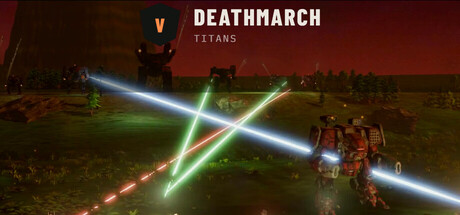
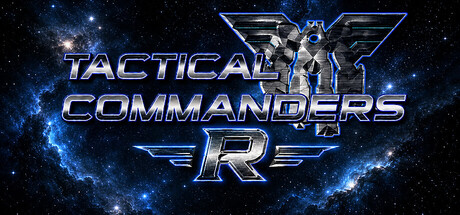
AI was used to create write parts of the game code and scripting, to refine mech textures, and for voiceover and audio content - to be used as placeholders while in playtests.
During development, generative AI was used to assist in creating selected game images and promotional artwork, including library images, the game logo, and capsule art. All AI-generated images were manually reviewed, edited, and unified in style by the development team. All in-game code, gameplay systems, audio, and text were created by hand. The game itself does not generate, display, or depend on any AI content at runtime.
This game is handcrafted by indie developers. Generative tools were used only to support the creation of specific assets, while the final game reflects the developers’ own creative vision.
Some 2D artwork in this game (store artwork and in-game character portraits) was drafted with generative AI tools, then curated and edited by the developers. No AI content is generated during gameplay.
Generative AI was used to create musical compositions for fictional K-pop groups. All such content was created in advance; the AI does not generate new content during gameplay.
Some of this game's content was created with the assistance of generative AI tools during development: portions of the game's code, some text, and music tracks, and is reviewed by the developer before shipping. The game does not generate AI content at runtime.
Most of battle sounds come are authored but some voiceover is AI. I will provide option to disable all AI voices.
If game budged grows i will reinvest it to get it replaced and sounds recorded by actual people.
Generative AI assisted with selected static UI artwork, icons, promotional illustrations, text and localization during development. The game does not generate AI content or connect to generative AI services during play. Gameplay screenshots show actual in-game rendering.
This game uses generative AI tools in the creation of artwork. This includes store page capsule images and logos, some in-game image assets, and marketing and Steam Community materials. All AI-generated output is reviewed internally before use. No content is generated by AI during gameplay.
Some game assets — including weapon/UI icons, character voice lines, and key art — were created with the
assistance of generative AI tools. All AI-generated content was reviewed and edited by the development team.
Blitz Jong uses generative AI for part of its art and audio: the selectable player avatars, the home screen key art, the background music, animations, and some of the optional voice packs for call announcements.
Some of the artwork in this game — including character portraits, user
interface elements, map and battle backgrounds, unit sprites, and visual
effects — was created with the help of generative AI image tools, then
reviewed, corrected, and assembled by hand before being included in the
game. Some sound effects were produced with AI audio tools in the same way.
All of this content is generated ahead of time and is fixed in the shipped
build. The game does not generate any content while you play, and it does
not connect to any external AI service during gameplay.
Generative AI is used to help modernize multiple image assets, including enhancement, upscaling, cleanup, and visual refinement. All AI-assisted assets are reviewed and finalized by the development team before use in the game.
We use AI to aid the team with coding and refactoring more quickly, texturing assets and background faster, and creating highly detailed cinematics. We have both original and AI generated music & sound effects.
We DO NOT use AI for our story, narratives, dialog, 3D models, or character animations.
Generative AI tools were used during development to assist with drafts and revisions of some pre-generated in-game text, interface copy, localization, and store and library artwork. All resulting content is selected, edited, and reviewed by the developer before shipping. The game does not generate content with AI at runtime.
During the development of this game, generative artificial intelligence (AI) tools were used to assist with the creation and refinement of some visual assets, UI elements, and portions of the game code. AI-assisted content was reviewed, modified, and integrated by the developers before being included in the final game. The game does not use generative AI to create content during gameplay and does not connect to external AI services at runtime.
Some 2D art assets in this game — including UI textures, item icons, and the title and loading screens — were created with the help of generative AI tools and then hand-edited for use in the game. All game design, simulation systems, and gameplay logic are authored and directed by the developer. No content is generated by AI while the game is running.
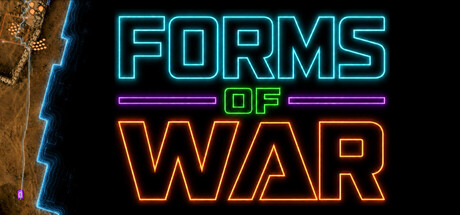
Some pre-generated visual assets currently used in Forms of War and its store materials were created with generative AI tools. Most in-game visuals are drawn procedurally in code using Phaser. AI-assisted coding tools were used during development. No generative AI is used while the game is running.
Some visual assets (character and environment art, store and marketing images) were created or assisted with generative AI tools, then selected and edited by the developer. The game does not use generative AI at runtime.
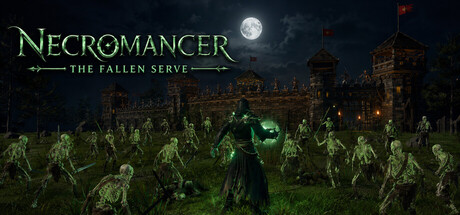
Necromancer: The Fallen Serve is primarily developed by me as a solo indie developer. I use generative AI as one of the tools in the project, including for some 3D assets, character voice lines, music, and promotional artwork. I've also worked with freelance artists and animators on parts of the game, including the skeleton army and animation work. I personally go through, refine and rework the assets until they fit the game the way I want them to. No generative AI content is created during gameplay.
During development, we may use procedural and AI-assisted tools to support content creation. The final product reflects the creative direction, authorship, and expression of the development team.
Generative AI tools were used during development to assist with the creation of some visual assets and development materials. All AI-assisted content was reviewed and integrated by the developer. No generative AI is used during gameplay.
The text used in the game and on the Steam store page has currently been translated primarily with the assistance of AI tools.
Most of the graphical assets used in the game are based on real photographs or renders of 3D objects. However, AI-generated imagery was used in cases where no suitable real-world source material was available, or where the available material was insufficient to complete or supplement the required assets.
Generative AI tools were used during development to assist with artwork refinement and programming. All character designs were originally hand-drawn by the developer, with AI used only for selected improvements and post-processing. AI was also used as a coding assistant. No AI-generated content is created live during gameplay.
All pre-rendered visual artwork was created using generative AI under developer direction. This includes environment backgrounds, interface and menu artwork, branding, icons, and promotional/title-card images.
Generative AI tools were used to support the creation and iteration of some visual assets and development-related content. All final assets are reviewed, edited, and selected by the developer before being included in the game or promotional materials. The game does not generate AI content live during gameplay.
NABERON uses generative AI tools in the creation of some of its assets.
3D models and textures were generated with Meshy, then reworked, retextured
and assembled by hand for the game. Music was generated with Suno, and part
of the sound effects with ElevenLabs. Some store page artwork, including the
logo, was created with AI image tools.
All generated content was reviewed, edited and approved by the developer
before it shipped. The game does not generate any content live while you
play — nothing is created at runtime.
As a solo developer, I utilize AI to amplify my outputs. Although I never rely on or depend on the AI to do the work, it is a tool much like this computer that I am typing on, the creativity is still up to us to use it correctly. No content is generated during play.
Some pre-generated artwork and audio were created with generative AI during development. These outputs are integrated as fixed assets; the game does not generate content live during gameplay or connect to a third-party AI service during gameplay.
Some 3D character models and a few environment assets in this game were created with the help of generative AI tools, then manually edited, rigged and refined by the developer. Some promotional images were also produced with AI assistance. All AI-generated content was reviewed to ensure it does not infringe third-party rights.
I've used AI for a lot of things in this project. The code, 3D models, textures, 3D animations, music and more. I know a lot of people don't anything to do with AI so I want to be up front. This is a small pet project, I'm able to create a lot more of my vision than I could without AI. I do not dismiss the reasons people have for rejecting AI.
Some of this game's content was created with generative AI and then reworked and adjusted by hand by the developer. This applies in particular to code, the 3D models and textures, and the music and sound effects. Animations, game rules, simulation, balance and the structure of the game come entirely from the developer.
Cosmo Arena uses generative AI tools during development to assist with the creation and refinement of certain visual assets, concept art, UI elements, textures, and other game content. All AI-assisted content is reviewed, edited, and integrated by the developer. Generative AI is not used to create content dynamically during gameplay.
Generative AI tools are used during development to help create selected artwork, including ability icons, and to draft and edit text. This content is prepared before release. No content is generated by AI during gameplay, and the game does not connect to external AI services.
Some 2D sprites, sound effects, and music tracks were created with the assistance of generative AI tools during development and were manually reviewed and edited by the developer.
-- Store page capsule art was created in a comprehensive workflow with OpenArt.ai, using Blender and Windows Paint3D, and by employing painstakingly crafted text prompts over dozens of A.I. generations, while incorporating thousands of my own brushstrokes and adhering to my own artistic vision for composition and mood.
-- The game’s main logo texture was refined with OpenArt.ai.
-- 30+ characters may be heard with distinct voices speaking in the background, commenting generally about the situation at hand with any of dozens of phrases, or hundreds of snippets of phrases. The things they say are my creation, but as an early development budget consideration the voices were generated using OpenArt.ai. Clerk P.A. announcements are also an A.I.-generated voice.
-- Some vehicle sounds and background activity sound loops were generated using A.I. from OpenArt.ai or freesound.org.
AI was used to create write parts of the game code and scripting, to refine mech textures, and for voiceover and audio content - to be used as placeholders while in playtests.
During development, generative AI was used to assist in creating selected game images and promotional artwork, including library images, the game logo, and capsule art. All AI-generated images were manually reviewed, edited, and unified in style by the development team. All in-game code, gameplay systems, audio, and text were created by hand. The game itself does not generate, display, or depend on any AI content at runtime.
This game is handcrafted by indie developers. Generative tools were used only to support the creation of specific assets, while the final game reflects the developers’ own creative vision.
Some 2D artwork in this game (store artwork and in-game character portraits) was drafted with generative AI tools, then curated and edited by the developers. No AI content is generated during gameplay.
Generative AI was used to create musical compositions for fictional K-pop groups. All such content was created in advance; the AI does not generate new content during gameplay.
Some of this game's content was created with the assistance of generative AI tools during development: portions of the game's code, some text, and music tracks, and is reviewed by the developer before shipping. The game does not generate AI content at runtime.
Most of battle sounds come are authored but some voiceover is AI. I will provide option to disable all AI voices.
If game budged grows i will reinvest it to get it replaced and sounds recorded by actual people.
Generative AI assisted with selected static UI artwork, icons, promotional illustrations, text and localization during development. The game does not generate AI content or connect to generative AI services during play. Gameplay screenshots show actual in-game rendering.
This game uses generative AI tools in the creation of artwork. This includes store page capsule images and logos, some in-game image assets, and marketing and Steam Community materials. All AI-generated output is reviewed internally before use. No content is generated by AI during gameplay.
Some game assets — including weapon/UI icons, character voice lines, and key art — were created with the
assistance of generative AI tools. All AI-generated content was reviewed and edited by the development team.
Blitz Jong uses generative AI for part of its art and audio: the selectable player avatars, the home screen key art, the background music, animations, and some of the optional voice packs for call announcements.
Some of the artwork in this game — including character portraits, user
interface elements, map and battle backgrounds, unit sprites, and visual
effects — was created with the help of generative AI image tools, then
reviewed, corrected, and assembled by hand before being included in the
game. Some sound effects were produced with AI audio tools in the same way.
All of this content is generated ahead of time and is fixed in the shipped
build. The game does not generate any content while you play, and it does
not connect to any external AI service during gameplay.
Generative AI is used to help modernize multiple image assets, including enhancement, upscaling, cleanup, and visual refinement. All AI-assisted assets are reviewed and finalized by the development team before use in the game.
We use AI to aid the team with coding and refactoring more quickly, texturing assets and background faster, and creating highly detailed cinematics. We have both original and AI generated music & sound effects.
We DO NOT use AI for our story, narratives, dialog, 3D models, or character animations.
Generative AI tools were used during development to assist with drafts and revisions of some pre-generated in-game text, interface copy, localization, and store and library artwork. All resulting content is selected, edited, and reviewed by the developer before shipping. The game does not generate content with AI at runtime.
During the development of this game, generative artificial intelligence (AI) tools were used to assist with the creation and refinement of some visual assets, UI elements, and portions of the game code. AI-assisted content was reviewed, modified, and integrated by the developers before being included in the final game. The game does not use generative AI to create content during gameplay and does not connect to external AI services at runtime.
Some 2D art assets in this game — including UI textures, item icons, and the title and loading screens — were created with the help of generative AI tools and then hand-edited for use in the game. All game design, simulation systems, and gameplay logic are authored and directed by the developer. No content is generated by AI while the game is running.
Some pre-generated visual assets currently used in Forms of War and its store materials were created with generative AI tools. Most in-game visuals are drawn procedurally in code using Phaser. AI-assisted coding tools were used during development. No generative AI is used while the game is running.
Some visual assets (character and environment art, store and marketing images) were created or assisted with generative AI tools, then selected and edited by the developer. The game does not use generative AI at runtime.
Necromancer: The Fallen Serve is primarily developed by me as a solo indie developer. I use generative AI as one of the tools in the project, including for some 3D assets, character voice lines, music, and promotional artwork. I've also worked with freelance artists and animators on parts of the game, including the skeleton army and animation work. I personally go through, refine and rework the assets until they fit the game the way I want them to. No generative AI content is created during gameplay.
During development, we may use procedural and AI-assisted tools to support content creation. The final product reflects the creative direction, authorship, and expression of the development team.
Generative AI tools were used during development to assist with the creation of some visual assets and development materials. All AI-assisted content was reviewed and integrated by the developer. No generative AI is used during gameplay.
The text used in the game and on the Steam store page has currently been translated primarily with the assistance of AI tools.
Most of the graphical assets used in the game are based on real photographs or renders of 3D objects. However, AI-generated imagery was used in cases where no suitable real-world source material was available, or where the available material was insufficient to complete or supplement the required assets.
Generative AI tools were used during development to assist with artwork refinement and programming. All character designs were originally hand-drawn by the developer, with AI used only for selected improvements and post-processing. AI was also used as a coding assistant. No AI-generated content is created live during gameplay.
All pre-rendered visual artwork was created using generative AI under developer direction. This includes environment backgrounds, interface and menu artwork, branding, icons, and promotional/title-card images.
Generative AI tools were used to support the creation and iteration of some visual assets and development-related content. All final assets are reviewed, edited, and selected by the developer before being included in the game or promotional materials. The game does not generate AI content live during gameplay.
NABERON uses generative AI tools in the creation of some of its assets.
3D models and textures were generated with Meshy, then reworked, retextured
and assembled by hand for the game. Music was generated with Suno, and part
of the sound effects with ElevenLabs. Some store page artwork, including the
logo, was created with AI image tools.
All generated content was reviewed, edited and approved by the developer
before it shipped. The game does not generate any content live while you
play — nothing is created at runtime.
As a solo developer, I utilize AI to amplify my outputs. Although I never rely on or depend on the AI to do the work, it is a tool much like this computer that I am typing on, the creativity is still up to us to use it correctly. No content is generated during play.
Some pre-generated artwork and audio were created with generative AI during development. These outputs are integrated as fixed assets; the game does not generate content live during gameplay or connect to a third-party AI service during gameplay.