Public Steam disclosure research25,376 disclosures tracked
Where do games disclose AI use?
Search developers’ Steam disclosures, compare classified AI use across
games, and follow recorded changes.
This index adds cross-game classifications and statistics to
statements published on individual store pages.
Groups reflect automatic analysis of public disclosures; mature records are excluded. These counts do not measure AI use across all of Steam.
Missing or unclear statements cannot establish whether a game uses AI.
The developer utilized generative AI tools during the production phase to assist with coding and drafting marketing text. AI was also used to generate foundational 2D promotional artwork for the Steam store page, which was subsequently edited, refined, and polished manually in Photoshop.
This project incorporates the use of artificial intelligence tools to assist in development. AI was used to help generate portions of the C# codebase, streamlining implementation and problem-solving, as well as to create some textures used within the game. All AI-generated content was reviewed, adapted, and integrated to fit the overall design and functionality of the project
Certain visual and audio assets were created with the assistance of generative AI tools during development and were manually edited and refined by the developer. All gameplay content is handcrafted, and no generative AI is used during gameplay.
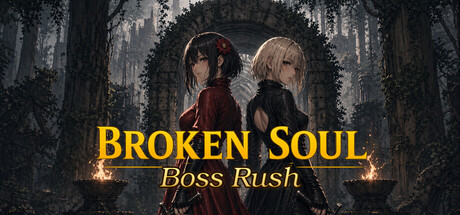
BROKEN SOUL : Boss Rush is a solo-developed game, and generative AI tools were used during development to assist with the creation of some visual assets and promotional materials. However, the game’s ideas, combat design, and system logic were all personally conceived and implemented, and every piece of content that appears in the final game was also directly selected, edited, and reviewed before completion. This is not a game that was made easily, but rather one that was brought to completion by making full use of every available tool and resource. If the game receives greater support in the future, there are plans to further expand and improve various elements, including the art assets, to an even higher level of quality. The game does not include any functionality that generates content with generative AI in real time during gameplay.
ome inventory icons, the in-game orientation map, and a few images used for signs and notes were created with AI assistance. The world itself, level design, gameplay systems, buildings, ruins, enemy placement, and environments are manually built, edited, and refined. Every mesh is placed by hand, and the world layout does not use procedural generation.
Generative AI was used during the development of Arcane Souls to create and iterate on visual assets, specifically the game's icon, logo elements, and UI concepts. All AI-generated content has been manually reviewed, curated, and edited to ensure it aligns with the game's artistic direction and does not violate any third-party rights or Steam’s community standards.
Generative AI technology is used in a supplementary capacity during the creation of some 2D prop assets.
Any such assets are replaced through our production pipeline by our art and development teams, ensuring they meet our quality standards and creative direction.
Some of the images in the game were created using neural networks, but were later significantly modified (or used only as inspiration). No image in Pocket Rogues is entirely AI generated.
This game uses generative artificial intelligence to power dynamic NPC dialogue during gameplay. NPCs can respond to player input using AI-generated text, creating unique conversations.
AI tools were also used during development to assist with creating certain assets such as character concepts and dialogue. All generated content is reviewed and integrated by the developer.
The game may connect to external AI services to generate dialogue responses during gameplay.
AI-generated responses are moderated and filtered to prevent inappropriate or harmful content.
Mystic Grove uses generative AI in a limited supporting role for certain pre-rendered content, including music and some 2D visual assets such as skill images, spec node images, and related artwork. The core game itself — including gameplay systems, programming, combat, level design, map creation, and overall development — is solely created by the developer. Mystic Grove does not use live-generated AI content during gameplay.
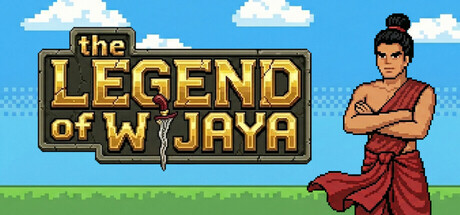
The Legend of Wijaya utilizes pre-generated AI tools strictly as an assistive foundation for a minor portion of background environmental assets and foundational music tracks. All AI-assisted content is heavily manually edited, polished, and arranged by the developer to ensure it strictly matches the handcrafted pixel-art aesthetic and historical tone of the game.
As a solo developer I did lean on a bit of AI for assisting me with the Title Screen and Steam Capsule Artwork though I did a lot of paint over in Photoshop. A few of the SFX are AI generated.
This game uses generative AI tools as part of the creative pipeline for concept exploration and early drafts of visual and narrative elements. All final in-game content, artwork, animations, and writing are curated, edited, and approved by human creators. No live AI-generated content is produced during gameplay.
Generative AI technology was utilized for certain art assets(Background and Item Images) and sound effects to enhance the overall production quality of this game.
Midnight Oil Prologue uses assets purchased from the Unreal FAB Marketplace. Therefore, we cannot guarantee that all assets in our game were produced without generative AI. We also plan on using generative AI to make promotional materials for marketing purposes.
Some marketing and promotional materials for this game were created or assisted using generative AI tools. These materials are used solely for marketing purposes and do not affect gameplay or in-game content.
This game used generative AI as a development aid in the following areas:
Store Capsule:
Generative AI tools were used to create or assist in the production of some visual assets. Final compositions, layout adjustments, cropping, and any post-processing were reviewed and approved by the developer.
Coding:
Used to generate and refine draft code and provide debugging suggestions. All final code is reviewed and integrated by the developer.
Audio (BGM & SFX):
Some background music and sound effects were generated using generative AI tools; other audio assets were created or sourced by the developer. AI-generated audio is generally used close to the original output, with light processing such as trimming, volume leveling, and format conversion when necessary.
Narrative:
Used to support drafting and iteration (for example, wording alternatives and structural adjustments). All in-game text is reviewed by the developer.
Localization:
Some language translations were generated with AI assistance and reviewed or edited where feasible.
No generative AI is used to create new content in real time during gameplay. All AI usage is limited to development and asset creation.
This game includes a small number of pre-generated visual assets created with the assistance of generative AI tools during development.
All gameplay systems, mechanics, balance, progression, and design decisions are fully human-designed and authored.
No generative AI is used during gameplay, and no content is generated dynamically or at runtime.
I used AI for spelling, organizing the story and my thoughts as well as helping fix errors in my code and to figure out how to do stuff I didn't know as well as some of the store descriptions as I am not the best at spelling.
Artificial intelligence was used to create some interface icons, all voice acting (English and Russian), as well as for text translation. All other content was created manually.
Generative AI tools were used during development for early prototyping only. No AI-generated content ships in the game or is consumed by players, and no content is generated at runtime.
The game was programmed by the developer. AI was used as a code-reviewer and suggested changes were implemented within individual functions.
Some sound effects were AI generated. Others were legally sourced or recorded by the developer. All sound effects were edited by the developer.
To the best of my knowledge, no AI generated images exist in this game. Every animation in the game was made by the developer. Some of the background objects, tile sprites, and fire sprites were sourced from legally purchased asset packs and then modified by the developer.
The game includes pre-generated AI-assisted assets.
These consist of HUD/UI elements, some static in-game images, and a limited number of 3D assets.
All AI-generated content is fixed and does not change during gameplay.
No AI systems are used for real-time content generation or player interaction.
The developer utilized generative AI tools during the production phase to assist with coding and drafting marketing text. AI was also used to generate foundational 2D promotional artwork for the Steam store page, which was subsequently edited, refined, and polished manually in Photoshop.
This project incorporates the use of artificial intelligence tools to assist in development. AI was used to help generate portions of the C# codebase, streamlining implementation and problem-solving, as well as to create some textures used within the game. All AI-generated content was reviewed, adapted, and integrated to fit the overall design and functionality of the project
Certain visual and audio assets were created with the assistance of generative AI tools during development and were manually edited and refined by the developer. All gameplay content is handcrafted, and no generative AI is used during gameplay.
BROKEN SOUL : Boss Rush is a solo-developed game, and generative AI tools were used during development to assist with the creation of some visual assets and promotional materials. However, the game’s ideas, combat design, and system logic were all personally conceived and implemented, and every piece of content that appears in the final game was also directly selected, edited, and reviewed before completion. This is not a game that was made easily, but rather one that was brought to completion by making full use of every available tool and resource. If the game receives greater support in the future, there are plans to further expand and improve various elements, including the art assets, to an even higher level of quality. The game does not include any functionality that generates content with generative AI in real time during gameplay.
ome inventory icons, the in-game orientation map, and a few images used for signs and notes were created with AI assistance. The world itself, level design, gameplay systems, buildings, ruins, enemy placement, and environments are manually built, edited, and refined. Every mesh is placed by hand, and the world layout does not use procedural generation.
Generative AI was used during the development of Arcane Souls to create and iterate on visual assets, specifically the game's icon, logo elements, and UI concepts. All AI-generated content has been manually reviewed, curated, and edited to ensure it aligns with the game's artistic direction and does not violate any third-party rights or Steam’s community standards.
Generative AI technology is used in a supplementary capacity during the creation of some 2D prop assets.
Any such assets are replaced through our production pipeline by our art and development teams, ensuring they meet our quality standards and creative direction.
Some of the images in the game were created using neural networks, but were later significantly modified (or used only as inspiration). No image in Pocket Rogues is entirely AI generated.
This game uses generative artificial intelligence to power dynamic NPC dialogue during gameplay. NPCs can respond to player input using AI-generated text, creating unique conversations.
AI tools were also used during development to assist with creating certain assets such as character concepts and dialogue. All generated content is reviewed and integrated by the developer.
The game may connect to external AI services to generate dialogue responses during gameplay.
AI-generated responses are moderated and filtered to prevent inappropriate or harmful content.
Mystic Grove uses generative AI in a limited supporting role for certain pre-rendered content, including music and some 2D visual assets such as skill images, spec node images, and related artwork. The core game itself — including gameplay systems, programming, combat, level design, map creation, and overall development — is solely created by the developer. Mystic Grove does not use live-generated AI content during gameplay.
The Legend of Wijaya utilizes pre-generated AI tools strictly as an assistive foundation for a minor portion of background environmental assets and foundational music tracks. All AI-assisted content is heavily manually edited, polished, and arranged by the developer to ensure it strictly matches the handcrafted pixel-art aesthetic and historical tone of the game.
As a solo developer I did lean on a bit of AI for assisting me with the Title Screen and Steam Capsule Artwork though I did a lot of paint over in Photoshop. A few of the SFX are AI generated.
This game uses generative AI tools as part of the creative pipeline for concept exploration and early drafts of visual and narrative elements. All final in-game content, artwork, animations, and writing are curated, edited, and approved by human creators. No live AI-generated content is produced during gameplay.
Generative AI technology was utilized for certain art assets(Background and Item Images) and sound effects to enhance the overall production quality of this game.
Midnight Oil Prologue uses assets purchased from the Unreal FAB Marketplace. Therefore, we cannot guarantee that all assets in our game were produced without generative AI. We also plan on using generative AI to make promotional materials for marketing purposes.
Some marketing and promotional materials for this game were created or assisted using generative AI tools. These materials are used solely for marketing purposes and do not affect gameplay or in-game content.
This game used generative AI as a development aid in the following areas:
Store Capsule:
Generative AI tools were used to create or assist in the production of some visual assets. Final compositions, layout adjustments, cropping, and any post-processing were reviewed and approved by the developer.
Coding:
Used to generate and refine draft code and provide debugging suggestions. All final code is reviewed and integrated by the developer.
Audio (BGM & SFX):
Some background music and sound effects were generated using generative AI tools; other audio assets were created or sourced by the developer. AI-generated audio is generally used close to the original output, with light processing such as trimming, volume leveling, and format conversion when necessary.
Narrative:
Used to support drafting and iteration (for example, wording alternatives and structural adjustments). All in-game text is reviewed by the developer.
Localization:
Some language translations were generated with AI assistance and reviewed or edited where feasible.
No generative AI is used to create new content in real time during gameplay. All AI usage is limited to development and asset creation.
This game includes a small number of pre-generated visual assets created with the assistance of generative AI tools during development.
All gameplay systems, mechanics, balance, progression, and design decisions are fully human-designed and authored.
No generative AI is used during gameplay, and no content is generated dynamically or at runtime.
I used AI for spelling, organizing the story and my thoughts as well as helping fix errors in my code and to figure out how to do stuff I didn't know as well as some of the store descriptions as I am not the best at spelling.
Artificial intelligence was used to create some interface icons, all voice acting (English and Russian), as well as for text translation. All other content was created manually.
Generative AI tools were used during development for early prototyping only. No AI-generated content ships in the game or is consumed by players, and no content is generated at runtime.
The game was programmed by the developer. AI was used as a code-reviewer and suggested changes were implemented within individual functions.
Some sound effects were AI generated. Others were legally sourced or recorded by the developer. All sound effects were edited by the developer.
To the best of my knowledge, no AI generated images exist in this game. Every animation in the game was made by the developer. Some of the background objects, tile sprites, and fire sprites were sourced from legally purchased asset packs and then modified by the developer.
The game includes pre-generated AI-assisted assets.
These consist of HUD/UI elements, some static in-game images, and a limited number of 3D assets.
All AI-generated content is fixed and does not change during gameplay.
No AI systems are used for real-time content generation or player interaction.