Public Steam disclosure research25,376 disclosures tracked
Where do games disclose AI use?
Search developers’ Steam disclosures, compare classified AI use across
games, and follow recorded changes.
This index adds cross-game classifications and statistics to
statements published on individual store pages.
Groups reflect automatic analysis of public disclosures; mature records are excluded. These counts do not measure AI use across all of Steam.
Missing or unclear statements cannot establish whether a game uses AI.
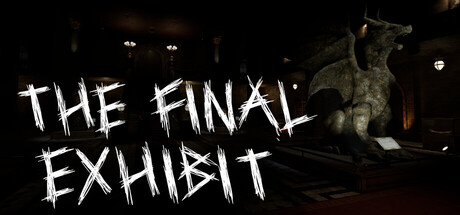
This game utilizes pre-rendered content assisted by generative AI tools exclusively for a few specific background songs, character voice acting, and minor conceptual art references.
The ambient sound design, audio effects, and liminal soundscapes were crafted by human artists. Certain 3D models and environmental props were acquired under license from creators on the Unreal Engine Marketplace. All narrative writing, game design, level composition, programming, story, and creative direction are original works created and directed entirely by the author.
This game contains content created with the assistance of AI tools. AI was used during development to assist with programming, visual assets, and other creative elements. All generated content was reviewed, edited, and integrated by the dev.
"Generative AI was used to create the game's cover art and the free scenario assets (such as character images). We plan to replace these art resources as soon as possible."
AI-Generated Content Disclosure – CONJURARIUN
CONJURARIUN uses AI-generated content in certain elements of the game. AI-generated images were used for some visual assets, including artwork featured in the game. Additionally, AI-generated music was used in the main menu.
All AI-generated content was reviewed, selected, and integrated by the development team as part of the game's creative process. The gameplay, programming, mechanics, and overall game development were created and implemented by the developer.
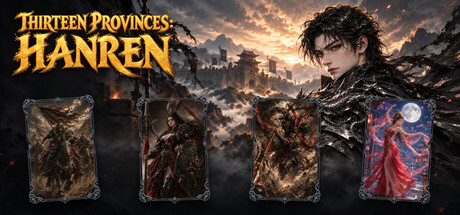
Generative AI assisted the creation of some card and character illustrations, environments, CG artwork, UI and marketing art, music and sound effects, written text and localization, and Mandarin and English voices for characters, tutorials, announcements and bond stories, including narration. These assets are pre-generated, selected, edited and integrated during development. The game does not generate content at runtime or connect to external generative AI services. AI opponents use local game rules and strategy code.
Generative AI is used during development to create visual and music assets for the game and its promotional materials. It is not used to create the scenario, written text, or voices. All AI-generated assets are pre-generated; the game does not generate content or connect to external AI services during gameplay.
Character illustrations, backgrounds, cutscene videos, voice acting and music were created with generative AI tools, then selected and edited by our team. The story, dialogue and game systems were written and designed by the developer with AI assistance. No content is generated by AI during gameplay.
Memory House is based on our original concept, characters, storylines, gameplay, and creative direction. During development, we used generative AI as a tool to help produce illustrations, visual assets, and written narrative content based on those ideas. We selected and refined the resulting content for the game and some promotional materials. No AI content is generated during gameplay.
This game uses generative AI to help create pre-rendered store artwork, chapter illustrations, background music, and the official trailer. Game logic was drafted with AI assistance and reviewed by the developer.
All level design, gameplay mechanics, and in-game text are hand-authored. No copyrighted third-party material was used in any AI output.
Pre-generated AI tools were used to create selected voice-over performances and selected promotional artwork. All AI-assisted materials are reviewed, edited, and finalized by the development team before use. The game does not generate AI content during gameplay.
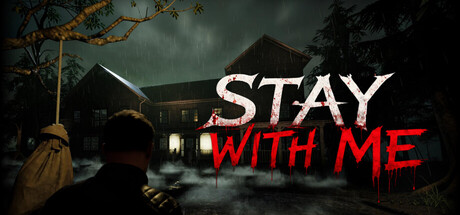
Stay With Me contains a limited amount of pre-generated content created with the assistance of generative AI.
Some visual assets, the loading screen artwork, and some voice lines for the characters Margaret and the child were created using AI tools.
The AI-generated content was further edited, processed and adapted by the developer before being integrated into the game.
All AI content is pre-generated during development. The game does not generate content using AI while running, and there is no live AI generation.
As a small indie team, we use generative AI to assist with coding and parts of our art workflow. All AI-assisted code is manually tested by our team before being included in the game. Our artists create the original concepts and visual direction, while AI is used as a supporting tool during the art process. All final artwork is manually refined and finished by our artists.
Some 2D artwork used in the game and on the store page was created with generative image tools and then selected, edited, composited, and integrated by the developer. This includes selected backgrounds, character or enemy illustrations, card-related artwork, logos, and promotional assets. The game does not generate new content from player input at runtime, and no generative AI system is used for gameplay decisions or player interactions.
We use generative AI tools during development to create some concept art and supporting images, as well as certain materials for the store page. All in-game content, including final assets, models, and text, is created and reviewed by hand.
Generative AI tools were used to assist in creating a limited number of pre-generated visual assets and localization text used in the game and its store materials. As an independent developer working with a limited production budget, I used these tools where commissioning additional original artwork was not financially feasible. All AI-assisted content was carefully selected, reviewed, and edited by the developer. The game does not generate AI content during gameplay.
A small language model (Google's Gemma 3 270M) runs entirely on the player's computer, with no network connection. It writes short lines of villager small talk, the ritual oracle's one- or two-sentence hint after a failed ritual, and routine filler records in the in-game archive, and it chooses which of our pre-written dialogue lines fits the moment.
Guardrails: the player never types to the model — there is no text input anywhere in the game. Every prompt is a fixed template we wrote, filled in from game state such as a character's name, the time of day and the current quest. Output is short by construction (hard token caps, and lines over a few words are cut or discarded); lines that read as narration, stage directions or an assistant speaking are rejected; dialogue choices are constrained to our own authored lines. Any failure falls back to written lines. Players can turn the model off in Settings, and the game plays identically on written lines alone.
Generative AI tools assisted the creation of character and environment artwork, item and UI art, store artwork, and parts of the story and localization. These are pre-created assets included with the game. The game does not generate content during play or connect to external AI services.
This game utilizes generative AI for a significant portion of its art assets. Many AI-assisted elements underwent manual editing and modification by the developer before being integrated into the final game.
The original story was written by a human author. AI was used to write AI speech in the game. It was also used in localization as a supportive tool. We gladly work with the community to bring the game to more languages.
This game contains content created with the assistance of AI tools. AI was used during development to assist with programming, visual assets, and other creative elements. All generated content was reviewed, edited, and integrated by the dev.
This game contains content created with the assistance of AI tools. AI was used during development to assist with programming, visual assets, and other creative elements. All generated content was reviewed, edited, and integrated by the dev.
Generative AI was used to create some art assets (the title screen background and the store capsule images). The game does not use AI to generate any content at runtime.
Parts of the store-page text and a few short interface lines were drafted with an AI writing assistant and reviewed and edited by the developer. The game's literary text, English narration, music, sound design and visual design are human-made.
Generative AI tools were used during development to create pre-generated character voices, music, and store artwork, and to assist with writing. These assets are prepared in advance. The game does not generate AI content or connect to third-party AI services during gameplay.
Generative AI-assisted tools were used during development to support the creation and refinement of some pre-generated visual assets. No AI content is generated during gameplay.
AI writing assistants were used to draft and refine in-game text during development; all text has been manually proofread, edited, and verified by the developers.
The audio in the game is not produced by machine learning models. The game images are divided into two categories: ① The vast majority are generated programmatically and not by machine learning models; ② The character illustrations are generated by machine learning and then selected, cropped, and post-processed by humans. The game text (environmental narration, entry descriptions, achievement descriptions) is drafted by AI with assistance and then revised by humans before being included; developers conduct fact and expression reviews of all game images and text before release. The game does not have an AI system for real-time generation of content, and player input will not be used for training or content generation.
This game includes content created with the assistance of generative AI tools. Some character and UI artwork was produced using AI image generation (ChatGPT) and then edited by the developer, and the background music was generated using Suno. All AI-assisted assets were reviewed by the developer to ensure they do not infringe the intellectual property of third parties. No AI is used at runtime—all generation occurred during development (pre-generated).
All characters are original adult fictional characters. Generative AI tools are used to create character imagery, video footage, and Japanese voice performances under the creator's direction; the results are reviewed, selected, and edited shot by shot. AI assistants also support parts of writing, translation, editing, and game implementation. The creator defines the story, characters, choices, performance, interaction, and quality requirements and makes the final decisions. No real performer is depicted, no real person's face or voice is intentionally used as a character reference, and nothing is generated while the game runs.
ChatGPT, Grok, Gemini, Suno, and Doubao TTS assisted with most of the pre-generated visual, music, and voice content. All such content was created before release and selected, edited, and integrated by the developer. More than 99% of the game’s text was written manually by the author; AI was used only to help check for errors. The game does not connect to generative AI services or generate content at runtime.
Some voice audio in EMPTYLAND was created using generative artificial intelligence tools. AI-generated voices are used as part of the game's narrative and in-game audio experience.
This game utilizes pre-rendered content assisted by generative AI tools exclusively for a few specific background songs, character voice acting, and minor conceptual art references.
The ambient sound design, audio effects, and liminal soundscapes were crafted by human artists. Certain 3D models and environmental props were acquired under license from creators on the Unreal Engine Marketplace. All narrative writing, game design, level composition, programming, story, and creative direction are original works created and directed entirely by the author.
This game contains content created with the assistance of AI tools. AI was used during development to assist with programming, visual assets, and other creative elements. All generated content was reviewed, edited, and integrated by the dev.
"Generative AI was used to create the game's cover art and the free scenario assets (such as character images). We plan to replace these art resources as soon as possible."
AI-Generated Content Disclosure – CONJURARIUN
CONJURARIUN uses AI-generated content in certain elements of the game. AI-generated images were used for some visual assets, including artwork featured in the game. Additionally, AI-generated music was used in the main menu.
All AI-generated content was reviewed, selected, and integrated by the development team as part of the game's creative process. The gameplay, programming, mechanics, and overall game development were created and implemented by the developer.
Generative AI assisted the creation of some card and character illustrations, environments, CG artwork, UI and marketing art, music and sound effects, written text and localization, and Mandarin and English voices for characters, tutorials, announcements and bond stories, including narration. These assets are pre-generated, selected, edited and integrated during development. The game does not generate content at runtime or connect to external generative AI services. AI opponents use local game rules and strategy code.
Generative AI is used during development to create visual and music assets for the game and its promotional materials. It is not used to create the scenario, written text, or voices. All AI-generated assets are pre-generated; the game does not generate content or connect to external AI services during gameplay.
Character illustrations, backgrounds, cutscene videos, voice acting and music were created with generative AI tools, then selected and edited by our team. The story, dialogue and game systems were written and designed by the developer with AI assistance. No content is generated by AI during gameplay.
Memory House is based on our original concept, characters, storylines, gameplay, and creative direction. During development, we used generative AI as a tool to help produce illustrations, visual assets, and written narrative content based on those ideas. We selected and refined the resulting content for the game and some promotional materials. No AI content is generated during gameplay.
This game uses generative AI to help create pre-rendered store artwork, chapter illustrations, background music, and the official trailer. Game logic was drafted with AI assistance and reviewed by the developer.
All level design, gameplay mechanics, and in-game text are hand-authored. No copyrighted third-party material was used in any AI output.
Pre-generated AI tools were used to create selected voice-over performances and selected promotional artwork. All AI-assisted materials are reviewed, edited, and finalized by the development team before use. The game does not generate AI content during gameplay.
Stay With Me contains a limited amount of pre-generated content created with the assistance of generative AI.
Some visual assets, the loading screen artwork, and some voice lines for the characters Margaret and the child were created using AI tools.
The AI-generated content was further edited, processed and adapted by the developer before being integrated into the game.
All AI content is pre-generated during development. The game does not generate content using AI while running, and there is no live AI generation.
As a small indie team, we use generative AI to assist with coding and parts of our art workflow. All AI-assisted code is manually tested by our team before being included in the game. Our artists create the original concepts and visual direction, while AI is used as a supporting tool during the art process. All final artwork is manually refined and finished by our artists.
Some 2D artwork used in the game and on the store page was created with generative image tools and then selected, edited, composited, and integrated by the developer. This includes selected backgrounds, character or enemy illustrations, card-related artwork, logos, and promotional assets. The game does not generate new content from player input at runtime, and no generative AI system is used for gameplay decisions or player interactions.
We use generative AI tools during development to create some concept art and supporting images, as well as certain materials for the store page. All in-game content, including final assets, models, and text, is created and reviewed by hand.
Generative AI tools were used to assist in creating a limited number of pre-generated visual assets and localization text used in the game and its store materials. As an independent developer working with a limited production budget, I used these tools where commissioning additional original artwork was not financially feasible. All AI-assisted content was carefully selected, reviewed, and edited by the developer. The game does not generate AI content during gameplay.
A small language model (Google's Gemma 3 270M) runs entirely on the player's computer, with no network connection. It writes short lines of villager small talk, the ritual oracle's one- or two-sentence hint after a failed ritual, and routine filler records in the in-game archive, and it chooses which of our pre-written dialogue lines fits the moment.
Guardrails: the player never types to the model — there is no text input anywhere in the game. Every prompt is a fixed template we wrote, filled in from game state such as a character's name, the time of day and the current quest. Output is short by construction (hard token caps, and lines over a few words are cut or discarded); lines that read as narration, stage directions or an assistant speaking are rejected; dialogue choices are constrained to our own authored lines. Any failure falls back to written lines. Players can turn the model off in Settings, and the game plays identically on written lines alone.
Generative AI tools assisted the creation of character and environment artwork, item and UI art, store artwork, and parts of the story and localization. These are pre-created assets included with the game. The game does not generate content during play or connect to external AI services.
This game utilizes generative AI for a significant portion of its art assets. Many AI-assisted elements underwent manual editing and modification by the developer before being integrated into the final game.
The original story was written by a human author. AI was used to write AI speech in the game. It was also used in localization as a supportive tool. We gladly work with the community to bring the game to more languages.
This game contains content created with the assistance of AI tools. AI was used during development to assist with programming, visual assets, and other creative elements. All generated content was reviewed, edited, and integrated by the dev.
This game contains content created with the assistance of AI tools. AI was used during development to assist with programming, visual assets, and other creative elements. All generated content was reviewed, edited, and integrated by the dev.
Generative AI was used to create some art assets (the title screen background and the store capsule images). The game does not use AI to generate any content at runtime.
Parts of the store-page text and a few short interface lines were drafted with an AI writing assistant and reviewed and edited by the developer. The game's literary text, English narration, music, sound design and visual design are human-made.
Generative AI tools were used during development to create pre-generated character voices, music, and store artwork, and to assist with writing. These assets are prepared in advance. The game does not generate AI content or connect to third-party AI services during gameplay.
Generative AI-assisted tools were used during development to support the creation and refinement of some pre-generated visual assets. No AI content is generated during gameplay.
AI writing assistants were used to draft and refine in-game text during development; all text has been manually proofread, edited, and verified by the developers.
The audio in the game is not produced by machine learning models. The game images are divided into two categories: ① The vast majority are generated programmatically and not by machine learning models; ② The character illustrations are generated by machine learning and then selected, cropped, and post-processed by humans. The game text (environmental narration, entry descriptions, achievement descriptions) is drafted by AI with assistance and then revised by humans before being included; developers conduct fact and expression reviews of all game images and text before release. The game does not have an AI system for real-time generation of content, and player input will not be used for training or content generation.
This game includes content created with the assistance of generative AI tools. Some character and UI artwork was produced using AI image generation (ChatGPT) and then edited by the developer, and the background music was generated using Suno. All AI-assisted assets were reviewed by the developer to ensure they do not infringe the intellectual property of third parties. No AI is used at runtime—all generation occurred during development (pre-generated).
All characters are original adult fictional characters. Generative AI tools are used to create character imagery, video footage, and Japanese voice performances under the creator's direction; the results are reviewed, selected, and edited shot by shot. AI assistants also support parts of writing, translation, editing, and game implementation. The creator defines the story, characters, choices, performance, interaction, and quality requirements and makes the final decisions. No real performer is depicted, no real person's face or voice is intentionally used as a character reference, and nothing is generated while the game runs.
ChatGPT, Grok, Gemini, Suno, and Doubao TTS assisted with most of the pre-generated visual, music, and voice content. All such content was created before release and selected, edited, and integrated by the developer. More than 99% of the game’s text was written manually by the author; AI was used only to help check for errors. The game does not connect to generative AI services or generate content at runtime.
Some voice audio in EMPTYLAND was created using generative artificial intelligence tools. AI-generated voices are used as part of the game's narrative and in-game audio experience.