Public Steam disclosure research25,376 disclosures tracked
Where do games disclose AI use?
Search developers’ Steam disclosures, compare classified AI use across
games, and follow recorded changes.
This index adds cross-game classifications and statistics to
statements published on individual store pages.
Groups reflect automatic analysis of public disclosures; mature records are excluded. These counts do not measure AI use across all of Steam.
Missing or unclear statements cannot establish whether a game uses AI.
AI is used only for text translation/localization (in-game and store page), with every line reviewed and edited by the developer.
No AI-generated graphics, music, audio, or live content generation are used in the game.
A small number of static meshes in this demo were generated using AI tools. This AI-generated content is temporary and will be fully replaced with original, non-AI assets in future updates. By the time the full game is released, it will contain no AI-generated content.
Generative AI tools were used during development for ideation and drafting/editing some marketing or descriptive text. All final content is reviewed and edited by the development team. The game does not use live-generated AI content during gameplay.
Generative AI tools have been used in a limited capacity to assist with pre-generated promotional content. All AI-assisted material is reviewed and curated by the developer. No generative AI is used during gameplay, and the game does not connect to external AI services.
PROCEDURE ZERO is made by one person.
Pre-generated AI tools were used for character voices, sound effects, the
opening scene, and translations into languages other than Polish. Every
line of it was chosen, edited and placed in the game by hand. The game
does not generate any content while you play.
This game uses Eleven Labs to generate certain sound effects. All other content — including art, models, music, writing, and gameplay — is entirely hand‑made and does not use AI.
Generative AI tools were used during development of this game.
2D art, including character illustrations and in-game documents and photographs, was created with image generation tools, then edited and composed by hand.
Some 3D props and environment models were created with a model generation service, then adjusted for the game.
Background music was created with a music generation service. Sound effects are not generated; they are openly licensed recordings that we processed ourselves.
AI coding tools assisted with writing and reviewing code. All final decisions and edits are made by the developer.
Every generated asset was selected and reworked by a person before it went into the game.
Generative AI tools were used during development to assist in creating and refining certain visual assets. All AI-assisted content was reviewed and edited by the developer before inclusion in the final product.
Generative AI was used during development to assist with some pre-generated visual assets, including selected 3D models, textures, and animations. All such content is reviewed and edited by the development team. No generative AI runs during gameplay, and no player input is sent to an AI service.
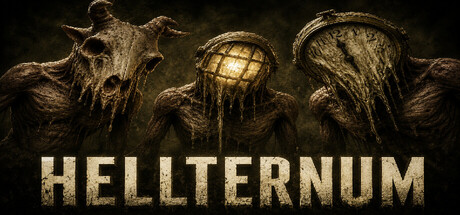
Hellternum is developed by a small independent studio. Some visual elements — certain in-game illustrations, textures and marketing images — were produced with the help of generative AI tools, always under direct human art direction and edited by hand to fit the game's visual identity.
Everything else is human-made: design, writing, level design, code and audio.
We think you should know this before you play.
This game uses AI to code some features of the game including, but not limited to, the actual game code itself and some of the store page art. However, none of this actually contributes to the actual gameplay itself as all the assets, game trailer and game scenes are still handmade, purchased, or free.
AI tools were used as an aid in the English localization of this title. All
original narrative content, artwork, music, and game systems were created by
human authors.
Este jogo foi desenvolvido por um único criador com o auxílio de Inteligência Artificial (IA) no processo de programação e na criação de alguns efeitos sonoros e áudios.
Todas as artes, imagens, sprites e frames dentro do jogo foram criados inteiramente à mão, sem qualquer uso de IA.
AI tools were used in a limited way during development to assist with certain aspects of the game's creation. AI was mainly used for occasional assistance and brainstorming, while the majority of the game's design, development, artwork, and content were created and directed by the developer.
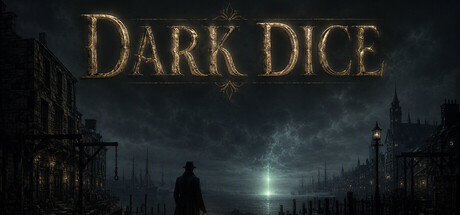
AI-assisted tools were used during the development of DarkDice in the following ways:
Code development — AI coding assistants helped write and refactor portions of the game's codebase.
Text editing — AI tools were used to proofread, polish, and tighten narrative and UI copy.
Localization & Editing — AI is used to assist with the translation, text expansion, polishing, and style adjustment of game text between English and Chinese (Traditional/Simplified).
Image generation — Some visual assets (case artwork, promotional images) were created using AI image-generation tools.
No content is generated in real time during gameplay — every case is a fixed, pre-authored story; nothing changes between playthroughs.
Artificial intelligence tools were used as part of the development process for selected visual and audio elements, design references, and text translations. All final content was reviewed and curated by the development team.
The text on this game's Steam store page was drafted with the help of generative AI and then edited by the developer. All in-game art, models, sounds and the game's logo are made by hand. No AI-generated content is produced while the game is running.
During the development of The Sin of Ritter, generative AI tools were used as support in the content creation process. These tools assisted with the production of voice acting in different languages, the translation and localization of the game's text, as well as the creation of some textures used in the composition of the environments.
AI tools were used as part of the game's visual production and post-production workflow.
The game's 3D assets, environments, characters, animations, and scenes are created and rendered by the developer. AI is primarily used to upscale lower-resolution renders to higher resolutions, helping reduce rendering time while maintaining the desired visual quality.
In some cinematic sequences, AI-assisted tools are also used as part of the production process. Additionally, AI may be used for certain visual corrections, modifications, or minor fixes to rendered images instead of re-rendering an entire scene.
AI is therefore used as a supporting tool in the development and post-production process, while the overall artistic direction, 3D production, scene creation, rendering, and final implementation are handled by the developer.
I use generative AI as a tool during development:
• Some 3D models (characters, creatures and props) were created with AI generation tools, then edited, rigged and animated by hand for use in the game.
• Some sound effects were generated with AI audio tools, then edited and mixed by hand.
• Some store page and marketing artwork was created with AI image generation.
Everything produced this way is reviewed and reworked by me before it ships. The game generates no content while you play and connects to no AI service at runtime.
Some store page and marketing artwork in this game was created with the help of generative AI tools. Game text localization into languages other than English and Korean was produced with AI-assisted translation and reviewed before shipping. All AI-generated content is pre-generated during development; the game does not generate any content live at runtime.
All photorealistic in-game assets and store promotional images are pre-generated via text-to-image AI tools during development. No existing copyrighted photographs, real-life reference images, or specific real-person portraits are used as the basis for generation.
All character visuals are created solely from broad, generic descriptive prompts such as "Chinese young man in the 1990s", and do not reference any real individual. All third-party brand logos, commercial trademarks and potentially infringing elements have been manually reviewed and removed from the generated content.
The developer holds full commercial rights to all AI-generated content in the game and promotional materials.
Generative AI was used to create in-game CCTV camera footage images and English voiceovers.
All AI-generated assets have been reviewed and edited to fit the game's atmosphere and quality standards.
Generative AI tools were used during development to assist with creating certain in-game visual assets, concept art, and UI elements. All AI-generated content has been reviewed, curated, and integrated manually by the developer.
AI is used only for text translation/localization (in-game and store page), with every line reviewed and edited by the developer.
No AI-generated graphics, music, audio, or live content generation are used in the game.
A small number of static meshes in this demo were generated using AI tools. This AI-generated content is temporary and will be fully replaced with original, non-AI assets in future updates. By the time the full game is released, it will contain no AI-generated content.
Generative AI tools were used during development for ideation and drafting/editing some marketing or descriptive text. All final content is reviewed and edited by the development team. The game does not use live-generated AI content during gameplay.
Generative AI tools have been used in a limited capacity to assist with pre-generated promotional content. All AI-assisted material is reviewed and curated by the developer. No generative AI is used during gameplay, and the game does not connect to external AI services.
PROCEDURE ZERO is made by one person.
Pre-generated AI tools were used for character voices, sound effects, the
opening scene, and translations into languages other than Polish. Every
line of it was chosen, edited and placed in the game by hand. The game
does not generate any content while you play.
This game uses Eleven Labs to generate certain sound effects. All other content — including art, models, music, writing, and gameplay — is entirely hand‑made and does not use AI.
Generative AI tools were used during development of this game.
2D art, including character illustrations and in-game documents and photographs, was created with image generation tools, then edited and composed by hand.
Some 3D props and environment models were created with a model generation service, then adjusted for the game.
Background music was created with a music generation service. Sound effects are not generated; they are openly licensed recordings that we processed ourselves.
AI coding tools assisted with writing and reviewing code. All final decisions and edits are made by the developer.
Every generated asset was selected and reworked by a person before it went into the game.
Generative AI tools were used during development to assist in creating and refining certain visual assets. All AI-assisted content was reviewed and edited by the developer before inclusion in the final product.
Generative AI was used during development to assist with some pre-generated visual assets, including selected 3D models, textures, and animations. All such content is reviewed and edited by the development team. No generative AI runs during gameplay, and no player input is sent to an AI service.
Hellternum is developed by a small independent studio. Some visual elements — certain in-game illustrations, textures and marketing images — were produced with the help of generative AI tools, always under direct human art direction and edited by hand to fit the game's visual identity.
Everything else is human-made: design, writing, level design, code and audio.
We think you should know this before you play.
This game uses AI to code some features of the game including, but not limited to, the actual game code itself and some of the store page art. However, none of this actually contributes to the actual gameplay itself as all the assets, game trailer and game scenes are still handmade, purchased, or free.
AI tools were used as an aid in the English localization of this title. All
original narrative content, artwork, music, and game systems were created by
human authors.
Este jogo foi desenvolvido por um único criador com o auxílio de Inteligência Artificial (IA) no processo de programação e na criação de alguns efeitos sonoros e áudios.
Todas as artes, imagens, sprites e frames dentro do jogo foram criados inteiramente à mão, sem qualquer uso de IA.
AI tools were used in a limited way during development to assist with certain aspects of the game's creation. AI was mainly used for occasional assistance and brainstorming, while the majority of the game's design, development, artwork, and content were created and directed by the developer.
AI-assisted tools were used during the development of DarkDice in the following ways:
Code development — AI coding assistants helped write and refactor portions of the game's codebase.
Text editing — AI tools were used to proofread, polish, and tighten narrative and UI copy.
Localization & Editing — AI is used to assist with the translation, text expansion, polishing, and style adjustment of game text between English and Chinese (Traditional/Simplified).
Image generation — Some visual assets (case artwork, promotional images) were created using AI image-generation tools.
No content is generated in real time during gameplay — every case is a fixed, pre-authored story; nothing changes between playthroughs.
Artificial intelligence tools were used as part of the development process for selected visual and audio elements, design references, and text translations. All final content was reviewed and curated by the development team.
The text on this game's Steam store page was drafted with the help of generative AI and then edited by the developer. All in-game art, models, sounds and the game's logo are made by hand. No AI-generated content is produced while the game is running.
During the development of The Sin of Ritter, generative AI tools were used as support in the content creation process. These tools assisted with the production of voice acting in different languages, the translation and localization of the game's text, as well as the creation of some textures used in the composition of the environments.
AI tools were used as part of the game's visual production and post-production workflow.
The game's 3D assets, environments, characters, animations, and scenes are created and rendered by the developer. AI is primarily used to upscale lower-resolution renders to higher resolutions, helping reduce rendering time while maintaining the desired visual quality.
In some cinematic sequences, AI-assisted tools are also used as part of the production process. Additionally, AI may be used for certain visual corrections, modifications, or minor fixes to rendered images instead of re-rendering an entire scene.
AI is therefore used as a supporting tool in the development and post-production process, while the overall artistic direction, 3D production, scene creation, rendering, and final implementation are handled by the developer.
I use generative AI as a tool during development:
• Some 3D models (characters, creatures and props) were created with AI generation tools, then edited, rigged and animated by hand for use in the game.
• Some sound effects were generated with AI audio tools, then edited and mixed by hand.
• Some store page and marketing artwork was created with AI image generation.
Everything produced this way is reviewed and reworked by me before it ships. The game generates no content while you play and connects to no AI service at runtime.
Some store page and marketing artwork in this game was created with the help of generative AI tools. Game text localization into languages other than English and Korean was produced with AI-assisted translation and reviewed before shipping. All AI-generated content is pre-generated during development; the game does not generate any content live at runtime.
All photorealistic in-game assets and store promotional images are pre-generated via text-to-image AI tools during development. No existing copyrighted photographs, real-life reference images, or specific real-person portraits are used as the basis for generation.
All character visuals are created solely from broad, generic descriptive prompts such as "Chinese young man in the 1990s", and do not reference any real individual. All third-party brand logos, commercial trademarks and potentially infringing elements have been manually reviewed and removed from the generated content.
The developer holds full commercial rights to all AI-generated content in the game and promotional materials.
Generative AI was used to create in-game CCTV camera footage images and English voiceovers.
All AI-generated assets have been reviewed and edited to fit the game's atmosphere and quality standards.
Generative AI tools were used during development to assist with creating certain in-game visual assets, concept art, and UI elements. All AI-generated content has been reviewed, curated, and integrated manually by the developer.