Public Steam disclosure research25,376 disclosures tracked
Where do games disclose AI use?
Search developers’ Steam disclosures, compare classified AI use across
games, and follow recorded changes.
This index adds cross-game classifications and statistics to
statements published on individual store pages.
Groups reflect automatic analysis of public disclosures; mature records are excluded. These counts do not measure AI use across all of Steam.
Missing or unclear statements cannot establish whether a game uses AI.
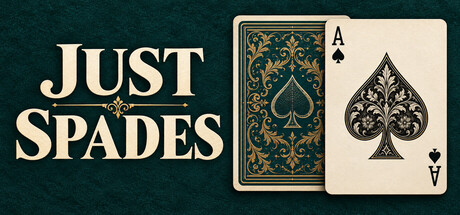
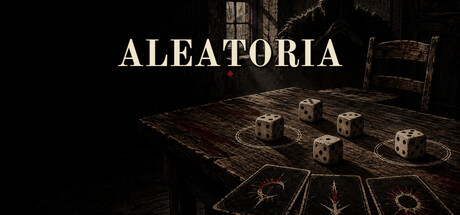
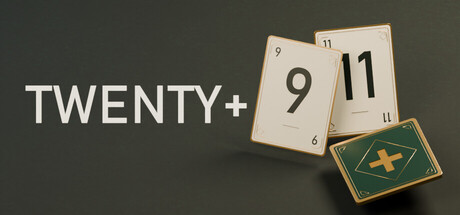
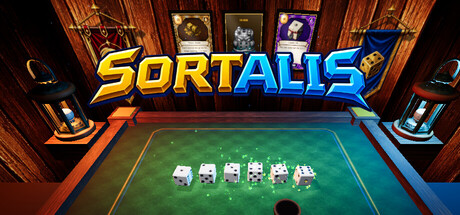
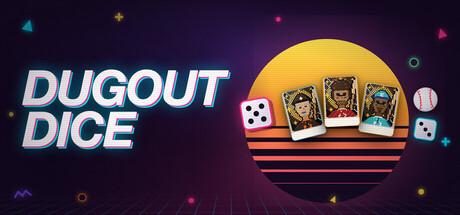
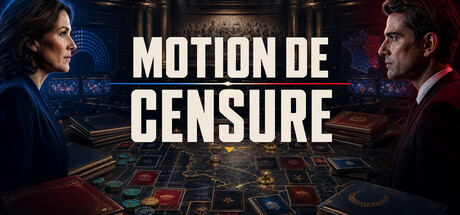
Generative AI was used during development to create playing-card court illustrations and promotional artwork, which were reviewed and adapted for the game. No AI content is generated during play.
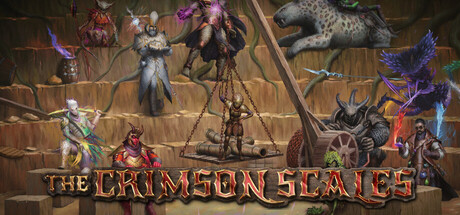
Generative AI tools were used during development to assist with parts of concept art, character drafts, draft store assets, localization drafts, and operational copy drafts. All AI-assisted content was manually reviewed, edited, integrated, and approved by the development team before being included in the game or store page.
The game does not use generative AI at runtime to create dialogue, story content, images, audio, or other player-facing content.
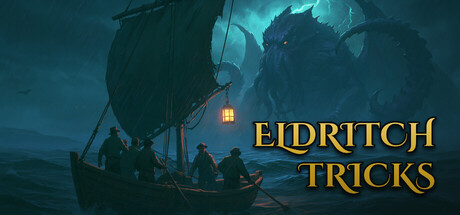
Eldritch Tricks was not dealt by human hands alone: we lean on procedural and AI-assisted tools during development to help draft what you see and hear. Every card that reaches the table is chosen, shaped, and finished by the Iron Tower Press team, and the game you play is ours.
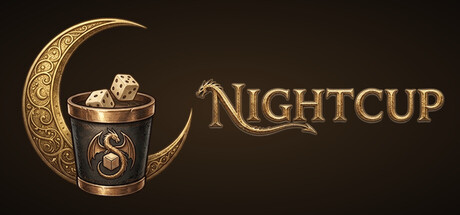
Pre-generated content only, nothing is generated while you play. All image motifs (130 modifier cards, 44 enemy portraits, 24 dice, 5 items, 7 set emblems, the title logo) were generated with Google's Gemini image model from written prompts and then hand-reduced to the game's palette and pixel size. Music: the fight track was generated with Suno, the title, boss and shop tracks with Eleven Music (ElevenLabs). Thirteen sound effects (boss entrance, curse, win, loss, dice shaking, dice landing, clicks, coins) were generated with ElevenLabs Sound Generation; all remaining sounds are synthesized in code. Rules, code, texts and translations were written by the developer, with AI assistance during development.
We use AI to assist with ideation for some art assets, music, and programming, as well as to support asset creation during the prototyping stage. All final assets are manually recreated, arranged, refined, and exported by our team.
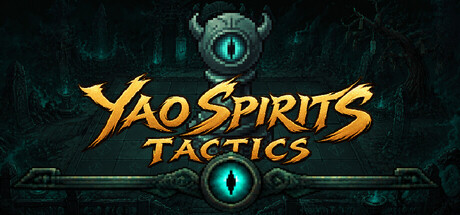
All 2D artwork (characters, board, keeper portraits, medals, and store assets) was created with generative AI tools under the developer's direction and curation. The pipa melody was performed and recorded live by a human musician (the developer's wife); the surrounding arrangement was AI-assisted. Game design, writing, and code are human-authored with AI assistance. Localization into 17 languages was AI-assisted with human review. The game contains no live/runtime AI generation.
Artificial Intelligence was used to assist for the art, music, and development as this was built by a single person working a full time job. Your support is appreciated and we understand if this does not align with your values.
The background music in this game was pre-generated with a generative AI tool. No AI-generated content is used for visuals, characters, environments, icons, store artwork, or text, and the game does not generate content at runtime or connect to external AI services.
Some of the game's music and sound effects were created with the help of generative AI tools. Generative AI was also used to assist with in-game text and its translations into other languages. All AI-assisted content was produced during development and reviewed by the team. The game does not generate any content with AI during gameplay.
We conducted game testing with AI bots and fine-tuned the balance.
TIC.EXE does not use AI while you play. The procedurally generated boards, runs and the chiptune soundtrack are all produced by hand-written algorithms, and no content is generated at runtime.
Pie Paw includes pre-generated, AI-assisted artwork used in the game and on the Steam store page. All such content is created before release, then reviewed, selected, and edited by the development team. The game does not use generative AI during gameplay and does not connect to external AI services.
This game uses AI-generated content for some background music, sound effects, and artwork/visual assets. All other content, including game design and code, was created by the developer.
While AI tools were used to assist with the creation of select assets for our game's store page, all featured assets are fully original designs developed by our internal team.
Graphics & Concepts: Generative AI was used to design and refine initial concept art, textures, and UI elements.
Texts & Dialogues: Portions of the lore, background stories, and dialogue scripts were conceptualized using AI language models and subsequently revised manually.
Code & Optimization: AI-assisted tools were utilized to optimize programming code and assist in debugging.
Note: All final assets in the game have been thoroughly reviewed, edited, and curated by the developer.
There is no active generative AI content when you play the game. Some of the still images to support the quests, fate and hope cards were originally AI generated.
Some store artwork (capsules, hero art, page background) was created with generative AI and then edited by hand. All in-game art, audio and text are hand-made or licensed. The game does not generate any content at runtime.
We use AI tools to assist with translations and to support our development process. Some graphics are currently AI-generated placeholders, which will be gradually replaced with original, human-made artwork.
Generative AI was used during development for some card artwork, textures, sound effects, text, and translations. These are fixed, pre-generated assets. No generative AI runs during gameplay.
Generative AI tools were used extensively during the development of this game. Some artwork, UI assets, written content, character voices, and localization were created with the assistance of generative AI and were subsequently selected, edited, integrated, and reviewed by the developer. All AI-generated content was created in advance during development; no AI content is generated live during gameplay.
Generative AI was used during development to assist in the creation of some pre-generated visual and audio assets, as well as portions of promotional and store-page materials. All AI-assisted content is generated and reviewed during development and included as fixed content. No generative AI content is created during gameplay.
Almost all of the art in the game has been created by Alexandr Elichev, the artist of the original Gloomhaven board game. A few missing art assets for summoned creatures for characters for this game were generated with AI. We hope to be able to replace these with official art as time progresses (and when I have a stable job to be able to pay for this).
Generative AI tools were used as development aids to help draft and iterate on portions of the game’s code, written content, and Steam store description. All AI-assisted material was reviewed, modified, and approved by the developer. The game does not use live-generated AI during gameplay.
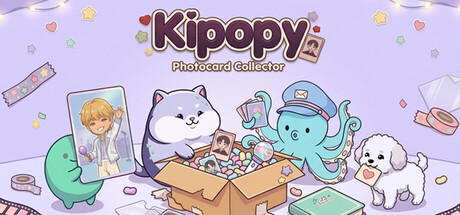
Generative AI was used to create musical compositions for fictional K-pop groups. All such content was created in advance; the AI does not generate new content during gameplay.
AI was used to assist with artwork as I am a solo dev with a very limited budget, however all final assets integrated into the game were manually refined and processed. All instances of AI will be removed as sales open up
Generative AI tools were used during development to create some decorative artwork and surface textures, including botanical table mats and room furnishings. These assets are reviewed and incorporated into the game by the developer. The game does not generate AI content during gameplay or connect to an external AI service.
Generative AI tools were used during development to help create character artwork, menu backgrounds, some 3D assets, and pre-rendered cinematic videos. AI-assisted tools were also used for programming and debugging. These assets are prepared before release and incorporated into the game.
About Generative AI Content
We want to be transparent with our players about how AI was used during the development of this game:
Visual Art: Certain visual assets and background elements in this game were created with the assistance of generative AI tools, then reviewed and integrated by our team.
Code & Development: We utilized AI-powered coding assistant and large language models to help prototype, write, and optimize parts of the game's code to speed up development efficiency.
All AI-generated outputs shipped to players have been curated to ensure they meet our quality standards for your experience.
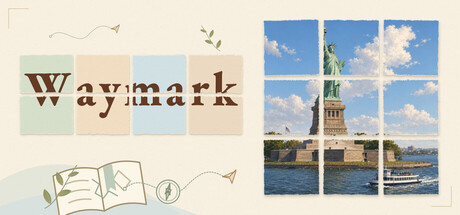
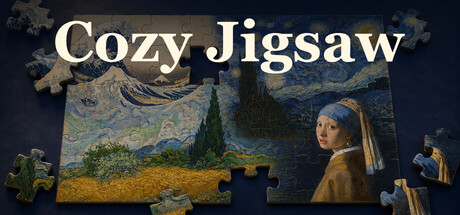
Generative AI was used to assist in creating store promotional artwork, drafting artwork descriptions, and translating interface and notebook text. The paintings used as puzzles are existing historical artworks, not AI-generated images. The game does not generate AI content during gameplay or connect to external AI services.
Some illustrations used in the game and on its Steam store page, including card artwork, interface backgrounds, and promotional materials, were created or enhanced using generative artificial intelligence tools. This content is generated in advance, then selected, edited, and manually integrated by the developer. The game does not use generative AI in real time and does not generate content during gameplay.
I use Bezi, an AI coding tool for Unity to help develop some of the more complicated algorithms used in pathfinding and enemy AI. I review all generated code used in the game and make modifications when necessary.
Some marketing artwork for the store page (the capsule's sky, city backdrop, rain and lettering layers) was produced with generative image tools (OpenAI image generation, Google Gemini) and then composited and edited by hand. A few placeholder textures currently in the build (the city seen through the office window and its signs, and the sample sheets in the customization menu) were AI-generated and are scheduled to be replaced with licensed or hand-made art before release. AI coding and writing assistants were used during development for parts of the source code, documentation and drafts of store text; all game rules, design decisions and final art direction are the developer's own. The game does not generate content with AI at runtime.
Generative AI was used during development to create playing-card court illustrations and promotional artwork, which were reviewed and adapted for the game. No AI content is generated during play.
Generative AI tools were used during development to assist with parts of concept art, character drafts, draft store assets, localization drafts, and operational copy drafts. All AI-assisted content was manually reviewed, edited, integrated, and approved by the development team before being included in the game or store page.
The game does not use generative AI at runtime to create dialogue, story content, images, audio, or other player-facing content.
Eldritch Tricks was not dealt by human hands alone: we lean on procedural and AI-assisted tools during development to help draft what you see and hear. Every card that reaches the table is chosen, shaped, and finished by the Iron Tower Press team, and the game you play is ours.
Pre-generated content only, nothing is generated while you play. All image motifs (130 modifier cards, 44 enemy portraits, 24 dice, 5 items, 7 set emblems, the title logo) were generated with Google's Gemini image model from written prompts and then hand-reduced to the game's palette and pixel size. Music: the fight track was generated with Suno, the title, boss and shop tracks with Eleven Music (ElevenLabs). Thirteen sound effects (boss entrance, curse, win, loss, dice shaking, dice landing, clicks, coins) were generated with ElevenLabs Sound Generation; all remaining sounds are synthesized in code. Rules, code, texts and translations were written by the developer, with AI assistance during development.
We use AI to assist with ideation for some art assets, music, and programming, as well as to support asset creation during the prototyping stage. All final assets are manually recreated, arranged, refined, and exported by our team.
All 2D artwork (characters, board, keeper portraits, medals, and store assets) was created with generative AI tools under the developer's direction and curation. The pipa melody was performed and recorded live by a human musician (the developer's wife); the surrounding arrangement was AI-assisted. Game design, writing, and code are human-authored with AI assistance. Localization into 17 languages was AI-assisted with human review. The game contains no live/runtime AI generation.
Artificial Intelligence was used to assist for the art, music, and development as this was built by a single person working a full time job. Your support is appreciated and we understand if this does not align with your values.
The background music in this game was pre-generated with a generative AI tool. No AI-generated content is used for visuals, characters, environments, icons, store artwork, or text, and the game does not generate content at runtime or connect to external AI services.
Some of the game's music and sound effects were created with the help of generative AI tools. Generative AI was also used to assist with in-game text and its translations into other languages. All AI-assisted content was produced during development and reviewed by the team. The game does not generate any content with AI during gameplay.
We conducted game testing with AI bots and fine-tuned the balance.
TIC.EXE does not use AI while you play. The procedurally generated boards, runs and the chiptune soundtrack are all produced by hand-written algorithms, and no content is generated at runtime.
Pie Paw includes pre-generated, AI-assisted artwork used in the game and on the Steam store page. All such content is created before release, then reviewed, selected, and edited by the development team. The game does not use generative AI during gameplay and does not connect to external AI services.
This game uses AI-generated content for some background music, sound effects, and artwork/visual assets. All other content, including game design and code, was created by the developer.
While AI tools were used to assist with the creation of select assets for our game's store page, all featured assets are fully original designs developed by our internal team.
Graphics & Concepts: Generative AI was used to design and refine initial concept art, textures, and UI elements.
Texts & Dialogues: Portions of the lore, background stories, and dialogue scripts were conceptualized using AI language models and subsequently revised manually.
Code & Optimization: AI-assisted tools were utilized to optimize programming code and assist in debugging.
Note: All final assets in the game have been thoroughly reviewed, edited, and curated by the developer.
There is no active generative AI content when you play the game. Some of the still images to support the quests, fate and hope cards were originally AI generated.
Some store artwork (capsules, hero art, page background) was created with generative AI and then edited by hand. All in-game art, audio and text are hand-made or licensed. The game does not generate any content at runtime.
We use AI tools to assist with translations and to support our development process. Some graphics are currently AI-generated placeholders, which will be gradually replaced with original, human-made artwork.
Generative AI was used during development for some card artwork, textures, sound effects, text, and translations. These are fixed, pre-generated assets. No generative AI runs during gameplay.
Generative AI tools were used extensively during the development of this game. Some artwork, UI assets, written content, character voices, and localization were created with the assistance of generative AI and were subsequently selected, edited, integrated, and reviewed by the developer. All AI-generated content was created in advance during development; no AI content is generated live during gameplay.
Generative AI was used during development to assist in the creation of some pre-generated visual and audio assets, as well as portions of promotional and store-page materials. All AI-assisted content is generated and reviewed during development and included as fixed content. No generative AI content is created during gameplay.
Almost all of the art in the game has been created by Alexandr Elichev, the artist of the original Gloomhaven board game. A few missing art assets for summoned creatures for characters for this game were generated with AI. We hope to be able to replace these with official art as time progresses (and when I have a stable job to be able to pay for this).
Generative AI tools were used as development aids to help draft and iterate on portions of the game’s code, written content, and Steam store description. All AI-assisted material was reviewed, modified, and approved by the developer. The game does not use live-generated AI during gameplay.
Generative AI was used to create musical compositions for fictional K-pop groups. All such content was created in advance; the AI does not generate new content during gameplay.
AI was used to assist with artwork as I am a solo dev with a very limited budget, however all final assets integrated into the game were manually refined and processed. All instances of AI will be removed as sales open up
Generative AI tools were used during development to create some decorative artwork and surface textures, including botanical table mats and room furnishings. These assets are reviewed and incorporated into the game by the developer. The game does not generate AI content during gameplay or connect to an external AI service.
Generative AI tools were used during development to help create character artwork, menu backgrounds, some 3D assets, and pre-rendered cinematic videos. AI-assisted tools were also used for programming and debugging. These assets are prepared before release and incorporated into the game.
About Generative AI Content
We want to be transparent with our players about how AI was used during the development of this game:
Visual Art: Certain visual assets and background elements in this game were created with the assistance of generative AI tools, then reviewed and integrated by our team.
Code & Development: We utilized AI-powered coding assistant and large language models to help prototype, write, and optimize parts of the game's code to speed up development efficiency.
All AI-generated outputs shipped to players have been curated to ensure they meet our quality standards for your experience.
Generative AI was used to assist in creating store promotional artwork, drafting artwork descriptions, and translating interface and notebook text. The paintings used as puzzles are existing historical artworks, not AI-generated images. The game does not generate AI content during gameplay or connect to external AI services.
Some illustrations used in the game and on its Steam store page, including card artwork, interface backgrounds, and promotional materials, were created or enhanced using generative artificial intelligence tools. This content is generated in advance, then selected, edited, and manually integrated by the developer. The game does not use generative AI in real time and does not generate content during gameplay.
I use Bezi, an AI coding tool for Unity to help develop some of the more complicated algorithms used in pathfinding and enemy AI. I review all generated code used in the game and make modifications when necessary.
Some marketing artwork for the store page (the capsule's sky, city backdrop, rain and lettering layers) was produced with generative image tools (OpenAI image generation, Google Gemini) and then composited and edited by hand. A few placeholder textures currently in the build (the city seen through the office window and its signs, and the sample sheets in the customization menu) were AI-generated and are scheduled to be replaced with licensed or hand-made art before release. AI coding and writing assistants were used during development for parts of the source code, documentation and drafts of store text; all game rules, design decisions and final art direction are the developer's own. The game does not generate content with AI at runtime.