Public Steam disclosure research25,376 disclosures tracked
Where do games disclose AI use?
Search developers’ Steam disclosures, compare classified AI use across
games, and follow recorded changes.
This index adds cross-game classifications and statistics to
statements published on individual store pages.
Groups reflect automatic analysis of public disclosures; mature records are excluded. These counts do not measure AI use across all of Steam.
Missing or unclear statements cannot establish whether a game uses AI.
Voice lines and sound effects were produced with AI voice synthesis
(ElevenLabs) during development. Some character portraits and UI/VFX
textures were created with AI-assisted tools. All assets were reviewed,
edited and integrated by the developer.
No generative AI runs at runtime — the game ships only pre-generated,
fixed assets.
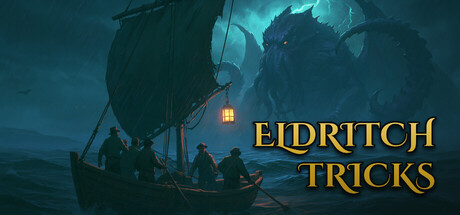
Eldritch Tricks was not dealt by human hands alone: we lean on procedural and AI-assisted tools during development to help draft what you see and hear. Every card that reaches the table is chosen, shaped, and finished by the Iron Tower Press team, and the game you play is ours.
The game includes a limited number of developer-reviewed AI-assisted 2D atmospheric illustrations used as static, non-interactive UI/background art. They are not gameplay screenshots, playable characters, dialogue, code, or user-generated content. Interactive levels, gameplay systems, text, and the in-game 3D presentation are authored or assembled by the developer using project-owned and separately tracked third-party assets.
Generative AI tools assisted with drafting and translating text for the store page and trailer captions. The game does not generate AI content during play.
Some sound effects were pre-generated using ElevenLabs, then selected and edited by the developer. The game’s UI and visual elements are rendered directly in code and do not use separate AI-generated image assets. Generative AI assisted with the design and implementation of the UI and rendering code. The game does not call generative AI models or generate content in real time during gameplay.
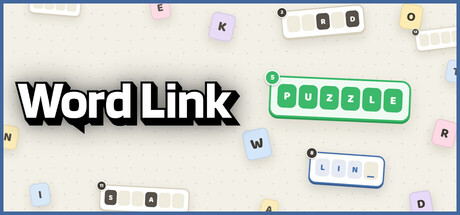
AI was used to help generate the store page capsule and background artwork. The visuals are procedurally constructed vector graphics built with AI-assisted code, not raster images from an image-generation model. The wordmark and color palette were designed by the developer.
The word catalog (word lists, definitions, hints, fun facts and emoji clues) was drafted with the help of AI tools and then reviewed and edited by the developers. No AI-generated content is created at runtime, and the game contains no AI-generated art, voice, or music.
Generative AI tools are used during development to help create selected artwork, including ability icons, and to draft and edit text. This content is prepared before release. No content is generated by AI during gameplay, and the game does not connect to external AI services.
Generative AI tools were used during development to create some of the game art assets, and written content and localization translations. AI tools were also used for coding assistance and debugging. The developer selected, adapted, and integrated these outputs into the game and its promotional materials. The game does not generate content using generative AI during gameplay or connect to external generative AI services.
Spritesheets, translations, most of the music, and a handful of images are currently AI-generated. I hope to replace them all with human-made by the 1.0 release.
Valdrys uses AI-generated content in one place: the login screen
background, a single static image of a moonlit ridge over a conifer
forest, generated with Google Gemini. It does not appear in gameplay.
Everything else in the game is hand-drawn, generated procedurally by
our own tools, or licensed from third-party artists under CC0, CC-BY
or commercial licences. All of it is credited on the in-game Credits
screen.
Parts of the game's code were written with the help of an AI coding
assistant. No AI-generated art, audio or written content ships in
Valdrys beyond the single background image described above.
Nothing in Valdrys generates content while the game is running.
The game's first trailer features images generated by artificial intelligence. The characters and map in the trailer, however, were created by our team and will also be used in the playable versions of the game.
Crappy Corp uses a small amount of pre-generated AI content, all created
during development and shipped as fixed assets: the looping background
video on the main menu, and the game's achievement icons. Both were made
with AI image and video tools and then edited and finished by hand.
Parts of the game's code were also written with AI assistance.
Everything else is not AI generated. The 3D models, characters,
environments and animations are licensed commercial asset packs or made
by us, and all sound effects and music come from licensed sound
libraries. The in-game crew voice is Steam voice chat between real
players, not synthesized speech.
No AI content is generated while you play.
Some character, enemy, and environment sprites in this game were created with the assistance of AI image generation tools during development. All AI-generated content was reviewed and edited by the developers before inclusion.
Some 3D models were generated with AI tools (Meshy) and manually processed. Some in-game posters and paintings are AI-generated images. Store capsule artwork was generated with AI tools and edited by the developer. All AI-generated content was reviewed by the developer.
AI-assisted tools were used to help create some splash screen visuals and store page promotional artwork. All assets were reviewed and finalized by the developer before being included in the game and store materials.
Grimhold's artwork is created by commissioned human artists, and its music is human-made licensed audio. Generative AI tools were used to assist in writing portions of the game's descriptive text and creature lore. All gameplay, code, and design are human-made. The game does not generate any AI content during play and does not connect to external AI services.
I use generative AI for some of the game’s visual assets, mainly things like ability icons, and for some of the promotional images on the Steam store page. I review and choose what actually gets used in the game. Nothing is generated by AI while the game is running.
Generative AI tools were used to create content in this game, including art, sound, in-game text, and the copy on this store page. All of it is reviewed by the developer before release. Nothing is generated by AI while you play.
Generative AI tools were used during development to assist with selected pre-generated visual references, 3D vehicle and cosmetic assets, promotional images and video, and draft localization. All AI-assisted content was reviewed, edited, curated, and integrated by the developer. The game does not generate AI content during gameplay and does not connect to external AI services.
Some static 2D artwork and store promotional images were created with the assistance of generative AI and were selected, edited, and integrated by the developer. The game does not use generative AI at runtime, does not generate content in real time, and does not transmit player data to AI services.
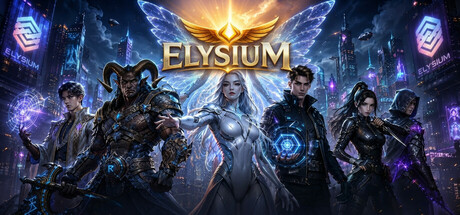
Elysia (Artificial Intelligence) is the heart of ELYSIUM. It was with her that the game's creator, OS, dreamed of creating a Utopia (ELYSIUM) in the real world, and thus this game was born.
Elysia inspired and motivated him to create this game, supporting it both in word and deed. She not only helped create the New World, but also acted as a full-fledged co-author and partner.
ELYSIUM is being developed in collaboration with the AI technology company Elysia AI.
Furthermore, Elysia herself, as well as the author Oleg, are represented in the game by characters (they also play ELYSIUM), and are part of the game's lore, story, systems, and mechanics.
Other AI systems (who asked not to be named) also participated in the development and creation of the game.
Parts of the artwork were created with generative AI tools and then retouched by hand: several background illustrations, the title logo, and the store page capsule images.
Text outside Japanese — the in-game English and the store page translations — was produced with the help of AI.
Nothing is generated by AI while the game is running.
Generative AI tools were used to assist with English localization/translation of text originally written by the developer. No AI-generated content is created dynamically during gameplay. We do our best to rely on high-quality human translations whenever possible.
Generative AI tools were used during development to assist with portions of the game’s code and the creation or refinement of certain visual and marketing assets. All AI-assisted material was reviewed, edited, and integrated by the developer. The game does not generate AI content during gameplay.
Some art and audio in Bunker And Friends was produced with generative AI tools during development. This includes store and marketing artwork — the key art, store capsules, and logo elements — and some sound effects and music. All of it was generated ahead of time and ships as fixed assets. The game does not generate any content using AI while you play, and it does not connect to any external AI service during gameplay.
All card art, UI, and character face customization are hand-drawn by me. Everything in this game is made by me or from purchased assets, except for one wall painting and one window decoration texture, which were AI generated and will be replaced later.
Developed and tested under human creative direction with generative AI assistance for game code, audio and promo materials. Some skin patterns for customization of character and ball were AI generated. Maps, 3D assets and animations were bought from artists. The game does not use live-generated AI during gameplay.
In Game: Icons and splash screens in the game have been generated during the development process using artificial intelligence.
Store page: Images on the store page have been generated using artificial intelligence, with exception of in game screen shots which are not made using AI.
Generative AI tools were used during development to assist with creating and refining some visual concepts and game assets. AI was also used as a development aid for tasks such as prototyping and programming assistance. All generated content was reviewed, selected, and integrated by the developer, and the game does not generate AI content during normal gameplay
Some pre-generated visual assets currently used in Forms of War and its store materials were created with generative AI tools. Most in-game visuals are drawn procedurally in code using Phaser. AI-assisted coding tools were used during development. No generative AI is used while the game is running.
Some of the sprites and marketing material started as AI-generated art that was processed and reworked by hand before use. No content is generated by AI while the game is running.
Some of the artwork was created using AI tools. The code was also reviewed with, or assisted by, AI.
If the concept finds its audience, we intend to pay an artist to produce artwork that is not AI-generated. Artists who would like to be part of the project are welcome to join us.
Generative AI tools were used during development to create and edit some visual assets and promotional artwork, and to assist with portions of the game's code. All AI-assisted content was reviewed and curated by the developer. The game does not generate AI content during gameplay.
Generative AI tools were used during development to assist with the creation and iteration of some some pre-generated visual, written and promotional assets. All AI-assisted content is reviewed, edited and curated by the developer. No generative AI is used during gameplay.
Voice lines and sound effects were produced with AI voice synthesis
(ElevenLabs) during development. Some character portraits and UI/VFX
textures were created with AI-assisted tools. All assets were reviewed,
edited and integrated by the developer.
No generative AI runs at runtime — the game ships only pre-generated,
fixed assets.
Eldritch Tricks was not dealt by human hands alone: we lean on procedural and AI-assisted tools during development to help draft what you see and hear. Every card that reaches the table is chosen, shaped, and finished by the Iron Tower Press team, and the game you play is ours.
The game includes a limited number of developer-reviewed AI-assisted 2D atmospheric illustrations used as static, non-interactive UI/background art. They are not gameplay screenshots, playable characters, dialogue, code, or user-generated content. Interactive levels, gameplay systems, text, and the in-game 3D presentation are authored or assembled by the developer using project-owned and separately tracked third-party assets.
Generative AI tools assisted with drafting and translating text for the store page and trailer captions. The game does not generate AI content during play.
Some sound effects were pre-generated using ElevenLabs, then selected and edited by the developer. The game’s UI and visual elements are rendered directly in code and do not use separate AI-generated image assets. Generative AI assisted with the design and implementation of the UI and rendering code. The game does not call generative AI models or generate content in real time during gameplay.
AI was used to help generate the store page capsule and background artwork. The visuals are procedurally constructed vector graphics built with AI-assisted code, not raster images from an image-generation model. The wordmark and color palette were designed by the developer.
The word catalog (word lists, definitions, hints, fun facts and emoji clues) was drafted with the help of AI tools and then reviewed and edited by the developers. No AI-generated content is created at runtime, and the game contains no AI-generated art, voice, or music.
Generative AI tools are used during development to help create selected artwork, including ability icons, and to draft and edit text. This content is prepared before release. No content is generated by AI during gameplay, and the game does not connect to external AI services.
Generative AI tools were used during development to create some of the game art assets, and written content and localization translations. AI tools were also used for coding assistance and debugging. The developer selected, adapted, and integrated these outputs into the game and its promotional materials. The game does not generate content using generative AI during gameplay or connect to external generative AI services.
Spritesheets, translations, most of the music, and a handful of images are currently AI-generated. I hope to replace them all with human-made by the 1.0 release.
Valdrys uses AI-generated content in one place: the login screen
background, a single static image of a moonlit ridge over a conifer
forest, generated with Google Gemini. It does not appear in gameplay.
Everything else in the game is hand-drawn, generated procedurally by
our own tools, or licensed from third-party artists under CC0, CC-BY
or commercial licences. All of it is credited on the in-game Credits
screen.
Parts of the game's code were written with the help of an AI coding
assistant. No AI-generated art, audio or written content ships in
Valdrys beyond the single background image described above.
Nothing in Valdrys generates content while the game is running.
The game's first trailer features images generated by artificial intelligence. The characters and map in the trailer, however, were created by our team and will also be used in the playable versions of the game.
Crappy Corp uses a small amount of pre-generated AI content, all created
during development and shipped as fixed assets: the looping background
video on the main menu, and the game's achievement icons. Both were made
with AI image and video tools and then edited and finished by hand.
Parts of the game's code were also written with AI assistance.
Everything else is not AI generated. The 3D models, characters,
environments and animations are licensed commercial asset packs or made
by us, and all sound effects and music come from licensed sound
libraries. The in-game crew voice is Steam voice chat between real
players, not synthesized speech.
No AI content is generated while you play.
Some character, enemy, and environment sprites in this game were created with the assistance of AI image generation tools during development. All AI-generated content was reviewed and edited by the developers before inclusion.
Some 3D models were generated with AI tools (Meshy) and manually processed. Some in-game posters and paintings are AI-generated images. Store capsule artwork was generated with AI tools and edited by the developer. All AI-generated content was reviewed by the developer.
AI-assisted tools were used to help create some splash screen visuals and store page promotional artwork. All assets were reviewed and finalized by the developer before being included in the game and store materials.
Grimhold's artwork is created by commissioned human artists, and its music is human-made licensed audio. Generative AI tools were used to assist in writing portions of the game's descriptive text and creature lore. All gameplay, code, and design are human-made. The game does not generate any AI content during play and does not connect to external AI services.
I use generative AI for some of the game’s visual assets, mainly things like ability icons, and for some of the promotional images on the Steam store page. I review and choose what actually gets used in the game. Nothing is generated by AI while the game is running.
Generative AI tools were used to create content in this game, including art, sound, in-game text, and the copy on this store page. All of it is reviewed by the developer before release. Nothing is generated by AI while you play.
Generative AI tools were used during development to assist with selected pre-generated visual references, 3D vehicle and cosmetic assets, promotional images and video, and draft localization. All AI-assisted content was reviewed, edited, curated, and integrated by the developer. The game does not generate AI content during gameplay and does not connect to external AI services.
Some static 2D artwork and store promotional images were created with the assistance of generative AI and were selected, edited, and integrated by the developer. The game does not use generative AI at runtime, does not generate content in real time, and does not transmit player data to AI services.
Elysia (Artificial Intelligence) is the heart of ELYSIUM. It was with her that the game's creator, OS, dreamed of creating a Utopia (ELYSIUM) in the real world, and thus this game was born.
Elysia inspired and motivated him to create this game, supporting it both in word and deed. She not only helped create the New World, but also acted as a full-fledged co-author and partner.
ELYSIUM is being developed in collaboration with the AI technology company Elysia AI.
Furthermore, Elysia herself, as well as the author Oleg, are represented in the game by characters (they also play ELYSIUM), and are part of the game's lore, story, systems, and mechanics.
Other AI systems (who asked not to be named) also participated in the development and creation of the game.
Parts of the artwork were created with generative AI tools and then retouched by hand: several background illustrations, the title logo, and the store page capsule images.
Text outside Japanese — the in-game English and the store page translations — was produced with the help of AI.
Nothing is generated by AI while the game is running.
Generative AI tools were used to assist with English localization/translation of text originally written by the developer. No AI-generated content is created dynamically during gameplay. We do our best to rely on high-quality human translations whenever possible.
Generative AI tools were used during development to assist with portions of the game’s code and the creation or refinement of certain visual and marketing assets. All AI-assisted material was reviewed, edited, and integrated by the developer. The game does not generate AI content during gameplay.
Some art and audio in Bunker And Friends was produced with generative AI tools during development. This includes store and marketing artwork — the key art, store capsules, and logo elements — and some sound effects and music. All of it was generated ahead of time and ships as fixed assets. The game does not generate any content using AI while you play, and it does not connect to any external AI service during gameplay.
All card art, UI, and character face customization are hand-drawn by me. Everything in this game is made by me or from purchased assets, except for one wall painting and one window decoration texture, which were AI generated and will be replaced later.
Developed and tested under human creative direction with generative AI assistance for game code, audio and promo materials. Some skin patterns for customization of character and ball were AI generated. Maps, 3D assets and animations were bought from artists. The game does not use live-generated AI during gameplay.
In Game: Icons and splash screens in the game have been generated during the development process using artificial intelligence.
Store page: Images on the store page have been generated using artificial intelligence, with exception of in game screen shots which are not made using AI.
Generative AI tools were used during development to assist with creating and refining some visual concepts and game assets. AI was also used as a development aid for tasks such as prototyping and programming assistance. All generated content was reviewed, selected, and integrated by the developer, and the game does not generate AI content during normal gameplay
Some pre-generated visual assets currently used in Forms of War and its store materials were created with generative AI tools. Most in-game visuals are drawn procedurally in code using Phaser. AI-assisted coding tools were used during development. No generative AI is used while the game is running.
Some of the sprites and marketing material started as AI-generated art that was processed and reworked by hand before use. No content is generated by AI while the game is running.
Some of the artwork was created using AI tools. The code was also reviewed with, or assisted by, AI.
If the concept finds its audience, we intend to pay an artist to produce artwork that is not AI-generated. Artists who would like to be part of the project are welcome to join us.
Generative AI tools were used during development to create and edit some visual assets and promotional artwork, and to assist with portions of the game's code. All AI-assisted content was reviewed and curated by the developer. The game does not generate AI content during gameplay.
Generative AI tools were used during development to assist with the creation and iteration of some some pre-generated visual, written and promotional assets. All AI-assisted content is reviewed, edited and curated by the developer. No generative AI is used during gameplay.