








Disclosure
Images, and some sounds are generated via ai.
- Creator
- Coppolo Studios
- Reviews
- -
- Added
- Sep 12, 2026
Public Steam disclosure research 25,376 disclosures tracked
Search developers’ Steam disclosures, compare classified AI use across games, and follow recorded changes. This index adds cross-game classifications and statistics to statements published on individual store pages.
Code help, debugging and other development work.
Capsule art, trailers and promotional material.
Pre-made art, audio, writing and other game assets.
Interactive or runtime AI features disclosed by the developer.
Groups reflect automatic analysis of public disclosures; mature records are excluded. These counts do not measure AI use across all of Steam. Missing or unclear statements cannot establish whether a game uses AI.
Images, and some sounds are generated via ai.
AI image generation tools were used to create store page artwork (capsule images, banners).
Development used generative AI tools to create pre-generated visual assets: seven battlefield and escalation backgrounds, twenty-six combat-art atlases, and one progression-card atlas (34 bitmap files total). AI tools also helped translate the store page and in-game text from the original, manually written English into eight languages. All generated content is pre-generated and curated; the game does not generate content while running. No third-party logos, characters, or source art were used as image-generation references.
Generative AI was used during development to assist with drafting and refining some localization text and selected promotional artwork. All AI-assisted material is pre-generated, reviewed, and edited by the developer before inclusion. The game does not generate AI content during gameplay and does not connect to external AI services.
Some images were created using existing game assets, which were then reworked with AI to enhance the sense of space and atmosphere.
AI translation tools were used to create first-pass localization drafts. All final text was reviewed and edited by human speakers before release.
During our creative processes, we may use modern digital tools that include AI-based features to assist with content creation, such as language translation or voice acting. This helps us stay innovative without losing sight of what makes our games truly unique, while ensuring the final product preserves the distinctive style and quality our development team strives for.
This game uses AI to assist in code generation
Generative AI tools were used during development to assist with portions of the game’s code and the creation or refinement of certain visual and marketing assets. All AI-assisted material was reviewed, edited, and integrated by the developer. The game does not generate AI content during gameplay.
Some pre-rendered art assets (enemy and background artwork) and localization were created with generative AI tools under human direction, then manually cleaned up and integrated by the developers. Development used AI-assisted coding tools. No content is AI-generated at runtime.
Used AI to over optimize the performance of the game as it is very painful to have thousands of enemies on your screen at the same time and 100 projectiles per seconds without turning your pc into an oven. Also used AI for localization. (Added different languages besides English)
This game uses generative AI in a limited capacity on the game server in real time. The AI is used solely to generate narrative text: mission names and descriptions, in-world news broadcasts, and some NPC dialogue. All game logic — including mission mechanics, rewards, and balance — is governed by deterministic code and is never decided by AI. If the AI service is unavailable, the game automatically falls back to pre-written text templates. Portions of imagery were produced with the assistance of generative AI.
This game was created by a real human, using the Codex development environment. Contains lots of generated artwork and descriptive text, as well as gameplay refinements gained through AI powered balance testing.
The game uses AI for generating the assets
The game's art and sound are drawn and synthesised in code at runtime rather than shipped as asset files, and that code was written with AI coding assistance under human direction. No AI runs while the game is playing. The soundtrack is licensed human-authored works.
Generative AI tools were used in the development of this game to assist with creating select artwork, writing promotional/store page descriptions, and localization.
Generative AI tools were used during development to assist with certain parts of the game, including code and game assets such as artwork, audio, and localization. All AI generated content has been reviewed before being included in the game.
"This game uses generative artificial intelligence (AI) in the development process to assist with creating certain visual and audio assets."
AI Disclosure WinterCore is a solo-developed game created over four years. Generative AI was used during development to create a small number of visual assets and selected promotional artwork. All AI-generated assets were subsequently edited, refined, and adapted by the developer to fit WinterCore’s art direction and overall visual style. The game’s core design, programming, story, gameplay, and final implementation were created by the developer. The project also includes licensed assets and creative works from independent artists and creators, who are credited accordingly.
Some user interface elements (including UI frames, buttons, panels, and HUD background art) were created with the assistance of generative AI image tools during development, then manually edited, composited, and integrated by the development team. Promotional artwork on the store page (capsule, library header/hero images) also used generative AI assistance and was human-reviewed before publication. No AI is used to generate content during gameplay.
Generative artificial intelligence was used to generate some marketing materials such as capsule art as well as some icons.
Some pre-generated visual assets were created with the assistance of generative AI during development. No generative AI is used during gameplay.
The game does not generate any content with AI at runtime. Some illustrations and some in-game artwork were pre-generated using generative AI image tools, then curated, edited and integrated by our team. All game design, code, writing and final art direction are human-made.
Our team uses AI tools to help develop some in-game and marketing content.
As a solo developer, AI has been used as a tool to get the game where it is today. Primary used as a tool to help with areas of development and certain text generations. No art or music was generated by AI. 95% of the artwork in the game is procedurally generated by code, while the rest is hand done by me. The music was also created by me specifically for the game. AI was used in places like name and description generations for items in the game as well as some text areas within the tutorial coach text to help guide players through the initial stages of the game.
Generative AI was used to assist in creating select background artwork and visual assets for the game. All assets were manually edited and refined before being integrated.
AI was used to help program the game. All art, assets, and game design decisions did not use any AI.
AI used for programmation
some images and sprites was generated with A.I.
Some visual assets and portions of the game’s code were created with the assistance of generative AI. All AI-assisted content was reviewed and edited by the developer before being included in the game. The game does not generate AI content during gameplay.
Store visuals created with the help of AI
ART AND AUDIO: no generative image or audio models were used. Every texture, sprite, visual effect and musical note in Mool: Chroma is generated at runtime by the game's own code. The build ships no audio files at all, and the only image files it ships are the bitmap font atlases used to draw text. The store page artwork is rendered by that same code. The code itself was written with AI assistance and reviewed by the developer. TEXT: AI tools were used to help write text. Some in-game narrative and flavor text was drafted with AI assistance, and the game's non-English translations (Korean, Japanese, Simplified Chinese, German, French, Spanish - Latin America, Portuguese - Brazil, Russian) were AI-generated. All of it was reviewed and edited by the developer before shipping. Nothing is generated live during gameplay.
Generative AI has been used during the early stages of development to create temporary placeholder content, primarily to support production and prototyping. This content is intended to be temporary and is planned to be replaced with final assets specifically created for the game as development progresses.
Generative AI was used during development to assist with some pre-generated visual assets, including selected 3D models, textures, and animations. All such content is reviewed and edited by the development team. No generative AI runs during gameplay, and no player input is sent to an AI service.
Generated Content: visual art — characters, environment art and store/marketing capsule images created using Google Gemini, then edited and composited by hand.
We use generative AI to assist in the development of the game, including for coding and visual assets.
Generative AI tools were used during development to assist with some visual assets, audio, and code. All content was reviewed, edited, and integrated by the developer. The game does not generate AI content during gameplay.
Part of the program code, art materials, and text content in this work were created using generative artificial intelligence and have been manually reviewed and adjusted to ensure a seamless gaming experience. During gameplay, AI does not generate content in real-time, all content is pre generated.
Generative AI tools were used during development as part of the early creative and production process, including generating mood boards, visual references, and some base meshes. These materials were used as starting points rather than finished game content. Any AI-assisted assets included in Nine Below were substantially reworked, modified, refined, and polished by hand before being included in the final game. AI was used to support iteration and production, while the final game was designed, built, and finished by the developer. No AI-generated content is created during gameplay.
Some graphics and artwork have been made using Ai
AI was used to write the code for the game, and for the sounds effect. Music and art was all done by a lovely, living human.
Generative AI was used to assist in creating select art assets, which were reviewed, edited, and integrated by the developer. All gameplay, programming, and overall design were created by the development team.
There is usage of generative AI in two places and everything it produced has been reviewed. The soundtrack was created with the assistance of AI, and some of the writing was drafted with an AI assistant and then edited afterwards: card, UI and help text, the Simplified Chinese translation, and the store page and marketing copy. Nothing else is model output — the logo, the app icon and every visual in the game are drawn by the game's own code from geometry in the source, and the sound effects are synthesized as you play.
Generative AI was used to assist with selected store artwork and localization. All generated content was reviewed and integrated by the developer.
AI was used to analyze and help with debugging of networking code, helped in improving artwork and voice lines.
I’m a solo developer doing my first-ever coding project. With no prior coding experience, I relied heavily on tons of tutorials to write the code and used AI to assist when troubleshooting some bugs. I also used AI to generate some of the project's visual content and images but mainly tried to use actual human work. It's been a massive learning experience, so thanks for your time, and I hope you can enjoy my project :)
Generative AI was used to help write portions of this game's text content, and parts of this store page. All game code, visuals, music, and sound design were created directly by the developer without generative AI. AI was used to help debug and troubleshoot code.
Artificial Intelligence Usage Notice: We have used some generative models to prototype new ideas, and some of them have been made into production. However, AI-generated content is no more than 1% of the total game assets and arts.
This game's music was created with the assistance of generative AI. The interface and Enemy Guide text were also translated into multiple languages with AI assistance, alongside human review. No AI-generated artwork or gameplay code ships in the final game.
Some pre-rendered assets were created with generative AI tools and then curated, edited and integrated by hand: music tracks and their cover art, some sound effects and portions of 2d artwork (weapon, prop, and enemy sprites.) All generated content was reviewed by the developer before inclusion. No content is AI-generated at runtime.
| Title⇅ | Disclosure | Creator⇅ | Src | Reviews⇅ | Added↓ |
|---|---|---|---|---|---|
 UFO Survival In-game content artaudio | Images, and some sounds are generated via ai. | Coppolo Studios | - | Sep 12, 2026 | |
 Oreia Store/marketing art | AI image generation tools were used to create store page artwork (capsule images, banners). | CRT Glow Studios | - | Sep 12, 2026 | |
 Neon Endstate In-game content arttext | Development used generative AI tools to create pre-generated visual assets: seven battlefield and escalation backgrounds, twenty-six combat-art atlases, and one progression-card atlas (34 bitmap files total). AI tools also helped translate the store page and in-game text from the original, manually written English into eight languages. All generated content is pre-generated and curated; the game does not generate content while running. No third-party logos, characters, or source art were used as image-generation references. | Kasperzack Games | - | Sep 12, 2026 | |
 NULL VECTOR In-game content textart | Generative AI was used during development to assist with drafting and refining some localization text and selected promotional artwork. All AI-assisted material is pre-generated, reviewed, and edited by the developer before inclusion. The game does not generate AI content during gameplay and does not connect to external AI services. | I9 | - | Sep 12, 2026 | |
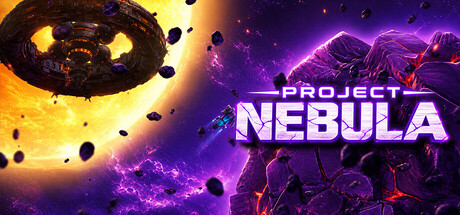 Project Nebula In-game content art | Some images were created using existing game assets, which were then reworked with AI to enhance the sense of space and atmosphere. | MK_Games | - | Sep 12, 2026 | |
 喂饭人 In-game content text | AI translation tools were used to create first-pass localization drafts. All final text was reviewed and edited by human speakers before release. | Nanyang Wancheng District Nadouzhong Game Development Co., Ltd. | - | Sep 12, 2026 | |
 Red Timewarp: Beyond Reality Unclear audiotext | During our creative processes, we may use modern digital tools that include AI-based features to assist with content creation, such as language translation or voice acting. This helps us stay innovative without losing sight of what makes our games truly unique, while ensuring the final product preserves the distinctive style and quality our development team strives for. | Magic Pixel Kft. | - | Sep 10, 2026 | |
 Echo Protocol Dev only code | This game uses AI to assist in code generation | Black Cat Games | - | Sep 10, 2026 | |
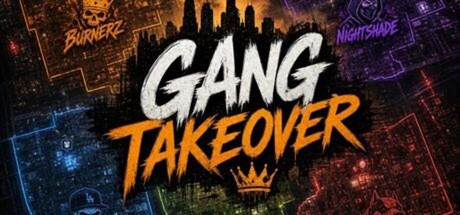 Gang Takeover Store/marketing artcode | Generative AI tools were used during development to assist with portions of the game’s code and the creation or refinement of certain visual and marketing assets. All AI-assisted material was reviewed, edited, and integrated by the developer. The game does not generate AI content during gameplay. | Dockdee Digital | - | Sep 9, 2026 | |
 Last Haul In-game content arttext | Some pre-rendered art assets (enemy and background artwork) and localization were created with generative AI tools under human direction, then manually cleaned up and integrated by the developers. Development used AI-assisted coding tools. No content is AI-generated at runtime. | Eryk Włoszczyński | - | Sep 9, 2026 | |
 Nicotine & Knives In-game content text | Used AI to over optimize the performance of the game as it is very painful to have thousands of enemies on your screen at the same time and 100 projectiles per seconds without turning your pc into an oven.
Also used AI for localization. (Added different languages besides English) | Nicotine & Knives | - | Sep 9, 2026 | |
 Astravek Live AI textart | This game uses generative AI in a limited capacity on the game server in real time. The AI is used solely to generate narrative text: mission names and descriptions, in-world news broadcasts, and some NPC dialogue. All game logic — including mission mechanics, rewards, and balance — is governed by deterministic code and is never decided by AI. If the AI service is unavailable, the game automatically falls back to pre-written text templates.
Portions of imagery were produced with the assistance of generative AI. | Moonpixelgames | - | Sep 7, 2026 | |
 10000 Rats: The Simulation In-game content arttext | This game was created by a real human, using the Codex development environment. Contains lots of generated artwork and descriptive text, as well as gameplay refinements gained through AI powered balance testing. | CleoTronix Software | - | Sep 7, 2026 | |
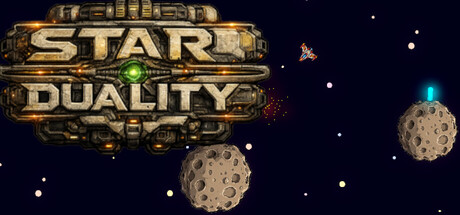 Star Duality In-game content art | The game uses AI for generating the assets | Sjerrul | - | Sep 7, 2026 | |
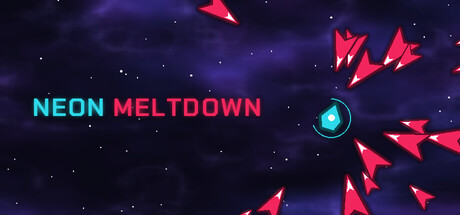 Neon Meltdown Dev only artaudiocode | The game's art and sound are drawn and synthesised in code at runtime rather than shipped as asset files, and that code was written with AI coding assistance under human direction. No AI runs while the game is playing. The soundtrack is licensed human-authored works. | Living Skies Interactive | - | Sep 6, 2026 | |
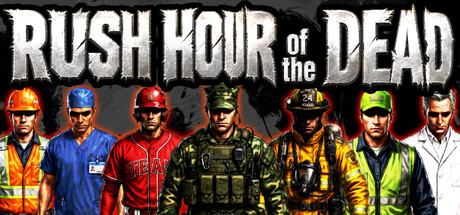 Rush Hour of the Dead In-game content arttext | Generative AI tools were used in the development of this game to assist with creating select artwork, writing promotional/store page descriptions, and localization. | One64 Games | - | Sep 6, 2026 | |
 The Last Roll In-game content artaudiotext | Generative AI tools were used during development to assist with certain parts of the game, including code and game assets such as artwork, audio, and localization. All AI generated content has been reviewed before being included in the game. | Aspiro Games | - | Sep 5, 2026 | |
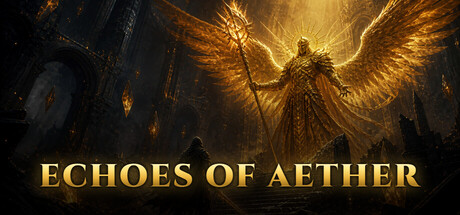 Echoes of Aether In-game content artaudio | "This game uses generative artificial intelligence (AI) in the development process to assist with creating certain visual and audio assets." | SiRang | - | Sep 4, 2026 | |
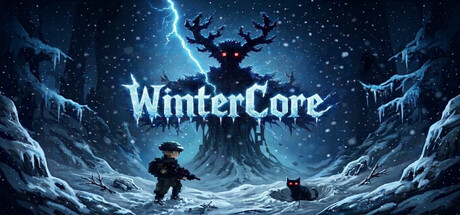 WinterCore Store/marketing art | AI Disclosure
WinterCore is a solo-developed game created over four years. Generative AI was used during development to create a small number of visual assets and selected promotional artwork. All AI-generated assets were subsequently edited, refined, and adapted by the developer to fit WinterCore’s art direction and overall visual style.
The game’s core design, programming, story, gameplay, and final implementation were created by the developer. The project also includes licensed assets and creative works from independent artists and creators, who are credited accordingly. | DARKDUST INTERACTIVE | - | Sep 4, 2026 | |
 CybercraftUas In-game content art | Some user interface elements (including UI frames, buttons, panels, and HUD background art) were created with the assistance of generative AI image tools during development, then manually edited, composited, and integrated by the development team. Promotional artwork on the store page (capsule, library header/hero images) also used generative AI assistance and was human-reviewed before publication. No AI is used to generate content during gameplay. | Byaero | - | Sep 4, 2026 | |
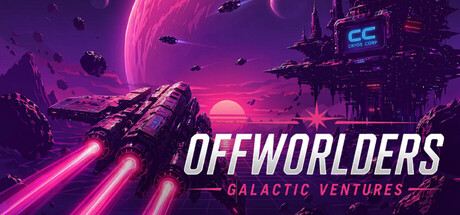 Offworlders: Galactic Ventures In-game content art | Generative artificial intelligence was used to generate some marketing materials such as capsule art as well as some icons. | Snowchimp Interactive | - | Sep 4, 2026 | |
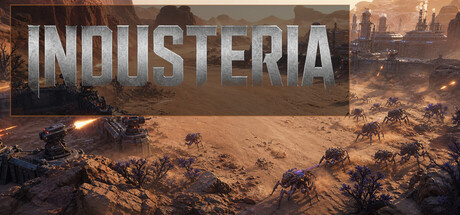 Industeria In-game content art | Some pre-generated visual assets were created with the assistance of generative AI during development. No generative AI is used during gameplay. | Arcane Labs | - | Sep 3, 2026 | |
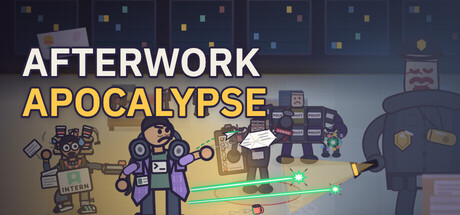 Afterwork Apocalypse In-game content art | The game does not generate any content with AI at runtime. Some illustrations and some in-game artwork were pre-generated using generative AI image tools, then curated, edited and integrated by our team. All game design, code, writing and final art direction are human-made. | Main Thread Games | - | Sep 3, 2026 | |
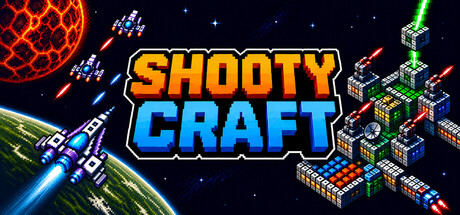 ShootyCraft Unclear | Our team uses AI tools to help develop some in-game and marketing content. | Main Tank Software | - | Sep 3, 2026 | |
 Vectorfall In-game content text | As a solo developer, AI has been used as a tool to get the game where it is today. Primary used as a tool to help with areas of development and certain text generations.
No art or music was generated by AI. 95% of the artwork in the game is procedurally generated by code, while the rest is hand done by me. The music was also created by me specifically for the game.
AI was used in places like name and description generations for items in the game as well as some text areas within the tutorial coach text to help guide players through the initial stages of the game. | Nubgamerz | - | Sep 3, 2026 | |
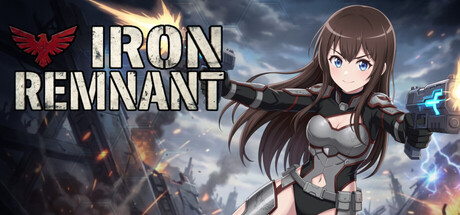 Iron Remnant In-game content art | Generative AI was used to assist in creating select background artwork and visual assets for the game. All assets were manually edited and refined before being integrated. | Kal Studios | - | Sep 1, 2026 | |
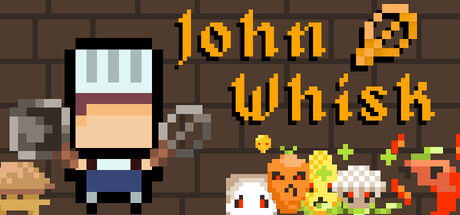 John Whisk Dev only code | AI was used to help program the game. All art, assets, and game design decisions did not use any AI. | Magirush | - | Sep 1, 2026 | |
 Out of Range Dev only code | AI used for programmation | Yoho Games | - | Sep 1, 2026 | |
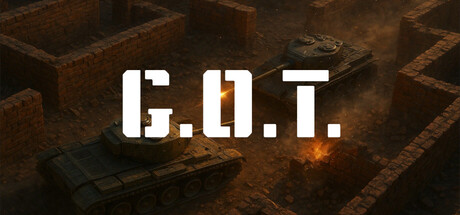 G.O.T. In-game content art | some images and sprites was generated with A.I. | Nexforge | - | Sep 1, 2026 | |
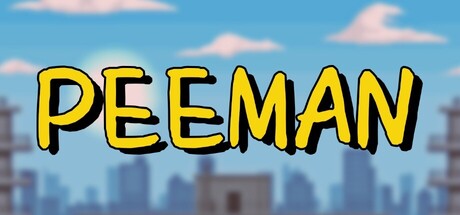 PEEMAN In-game content artcode | Some visual assets and portions of the game’s code were created with the assistance of generative AI. All AI-assisted content was reviewed and edited by the developer before being included in the game. The game does not generate AI content during gameplay. | TheFoolHead | - | Sep 1, 2026 | |
 Balls Armed Store/marketing art | Store visuals created with the help of AI | Indeed Games | - | Sep 1, 2026 | |
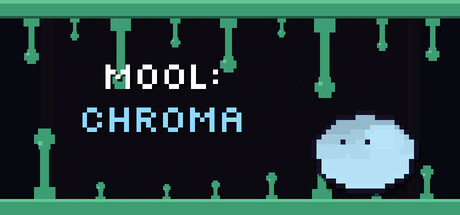 Mool: Chroma In-game content artaudiotext | ART AND AUDIO: no generative image or audio models were used. Every texture, sprite, visual effect and musical note in Mool: Chroma is generated at runtime by the game's own code. The build ships no audio files at all, and the only image files it ships are the bitmap font atlases used to draw text. The store page artwork is rendered by that same code. The code itself was written with AI assistance and reviewed by the developer.
TEXT: AI tools were used to help write text. Some in-game narrative and flavor text was drafted with AI assistance, and the game's non-English translations (Korean, Japanese, Simplified Chinese, German, French, Spanish - Latin America, Portuguese - Brazil, Russian) were AI-generated. All of it was reviewed and edited by the developer before shipping.
Nothing is generated live during gameplay. | jwl works | - | Aug 31, 2026 | |
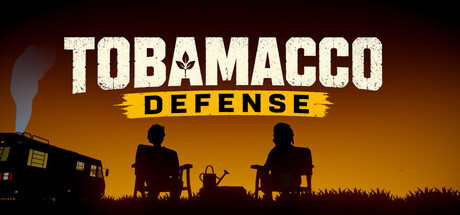 Tobamacco Defense Dev only | Generative AI has been used during the early stages of development to create temporary placeholder content, primarily to support production and prototyping. This content is intended to be temporary and is planned to be replaced with final assets specifically created for the game as development progresses. | Tarodev | - | Aug 31, 2026 | |
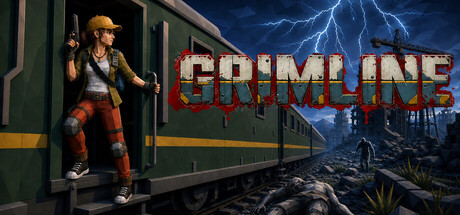 GRIMLINE In-game content art | Generative AI was used during development to assist with some pre-generated visual assets, including selected 3D models, textures, and animations. All such content is reviewed and edited by the development team. No generative AI runs during gameplay, and no player input is sent to an AI service. | Clewcat Games | - | Aug 31, 2026 | |
 Beset Store/marketing art | Generated Content: visual art — characters, environment art and store/marketing capsule images created using Google Gemini, then edited and composited by hand. | Joshua T | - | Aug 31, 2026 | |
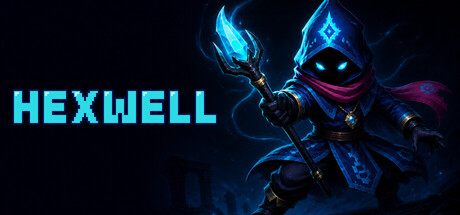 Hexwell Dev only artcode | We use generative AI to assist in the development of the game, including for coding and visual assets. | Torpedo Penguin | - | Aug 29, 2026 | |
 Bullet Debt In-game content artaudiocode | Generative AI tools were used during development to assist with some visual assets, audio, and code. All content was reviewed, edited, and integrated by the developer. The game does not generate AI content during gameplay. | David Gamble | - | Aug 29, 2026 | |
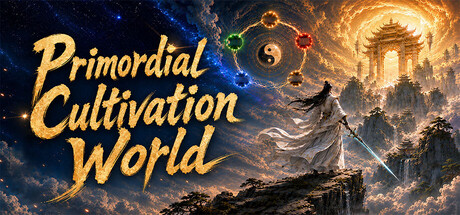 洪荒修仙界 In-game content arttextcode | Part of the program code, art materials, and text content in this work were created using generative artificial intelligence and have been manually reviewed and adjusted to ensure a seamless gaming experience. During gameplay, AI does not generate content in real-time, all content is pre generated. | Janyouth | - | Aug 29, 2026 | |
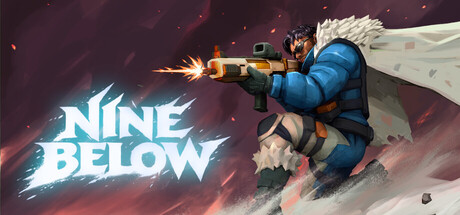 Nine Below In-game content art | Generative AI tools were used during development as part of the early creative and production process, including generating mood boards, visual references, and some base meshes.
These materials were used as starting points rather than finished game content. Any AI-assisted assets included in Nine Below were substantially reworked, modified, refined, and polished by hand before being included in the final game.
AI was used to support iteration and production, while the final game was designed, built, and finished by the developer. No AI-generated content is created during gameplay. | Griffe Studio | - | Aug 29, 2026 | |
 Endless Bonds In-game content art | Some graphics and artwork have been made using Ai | Brian710 | - | Aug 29, 2026 | |
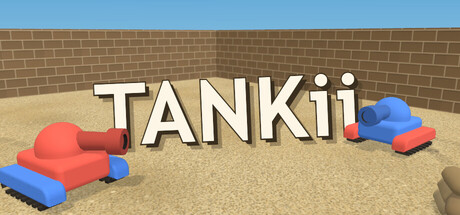 Tankii In-game content codeaudio | AI was used to write the code for the game, and for the sounds effect.
Music and art was all done by a lovely, living human. | Sterling Long | - | Aug 29, 2026 | |
 Ragtag Fleet In-game content art | Generative AI was used to assist in creating select art assets, which were reviewed, edited, and integrated by the developer. All gameplay, programming, and overall design were created by the development team. | ESDF Game | - | Aug 28, 2026 | |
 Scrapstorm In-game content audiotext | There is usage of generative AI in two places and everything it produced has been reviewed. The soundtrack was created with the assistance of AI, and some of the writing was drafted with an AI assistant and then edited afterwards: card, UI and help text, the Simplified Chinese translation, and the store page and marketing copy. Nothing else is model output — the logo, the app icon and every visual in the game are drawn by the game's own code from geometry in the source, and the sound effects are synthesized as you play. | Pixiliated | - | Aug 28, 2026 | |
 ALL EYES ON ME In-game content arttext | Generative AI was used to assist with selected store artwork and localization. All generated content was reviewed and integrated by the developer. | GRUND | - | Aug 28, 2026 | |
 SPOTREP In-game content codeartaudio | AI was used to analyze and help with debugging of networking code, helped in improving artwork and voice lines. | Kruger28 | - | Aug 28, 2026 | |
 SILENT TRACKS Dev only art | I’m a solo developer doing my first-ever coding project. With no prior coding experience, I relied heavily on tons of tutorials to write the code and used AI to assist when troubleshooting some bugs. I also used AI to generate some of the project's visual content and images but mainly tried to use actual human work. It's been a massive learning experience, so thanks for your time, and I hope you can enjoy my project :) | POLLO LABs | - | Aug 28, 2026 | |
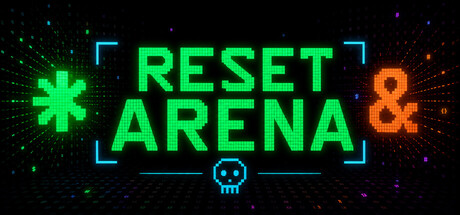 RESET ARENA In-game content textcode | Generative AI was used to help write portions of this game's text content, and parts of this store page. All game code, visuals, music, and sound design were created directly by the developer without generative AI. AI was used to help debug and troubleshoot code. | Goldfinch Games LLC | - | Aug 28, 2026 | |
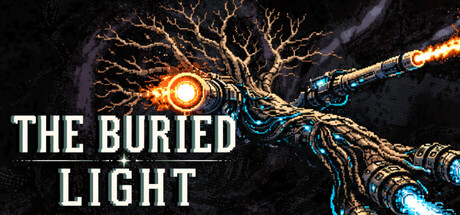 The Buried Light In-game content art | Artificial Intelligence Usage Notice:
We have used some generative models to prototype new ideas, and some of them have been made into production. However, AI-generated content is no more than 1% of the total game assets and arts. | Lupittus | - | Aug 28, 2026 | |
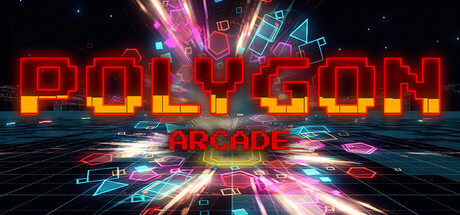 Polygon Arcade In-game content audiotext | This game's music was created with the assistance of generative AI. The interface and Enemy Guide text were also translated into multiple languages with AI assistance, alongside human review. No AI-generated artwork or gameplay code ships in the final game. | Daniel Korican | - | Aug 28, 2026 | |
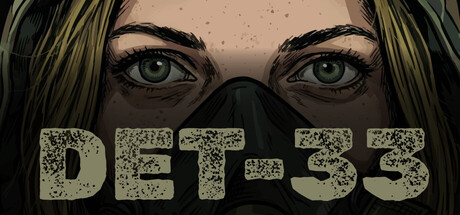 DET-33 In-game content artaudio | Some pre-rendered assets were created with generative AI tools and then curated, edited and integrated by hand: music tracks and their cover art, some sound effects and portions of 2d artwork (weapon, prop, and enemy sprites.) All generated content was reviewed by the developer before inclusion. No content is AI-generated at runtime. | Twinspear | - | Aug 28, 2026 |


