








Disclosure
Some images and character audio content were produced using AI.
- Creator
- AKD Studios LLC
- Reviews
- -
- Added
- Sep 21, 2026
Public Steam disclosure research 25,376 disclosures tracked
Search developers’ Steam disclosures, compare classified AI use across games, and follow recorded changes. This index adds cross-game classifications and statistics to statements published on individual store pages.
Code help, debugging and other development work.
Capsule art, trailers and promotional material.
Pre-made art, audio, writing and other game assets.
Interactive or runtime AI features disclosed by the developer.
Groups reflect automatic analysis of public disclosures; mature records are excluded. These counts do not measure AI use across all of Steam. Missing or unclear statements cannot establish whether a game uses AI.
Some images and character audio content were produced using AI.
FableBrawl uses pre-generated AI content for Storybook artwork, store artwork, some music and sound effects, and translations. These assets are created during development and shipped as finished files. No content or code is generated by AI during gameplay, and the game does not call an external generative AI service while you play. Storybook mode art is AI-generated; if you prefer no AI art, you can use Rough Draft mode art. Community Mode is a work-in-progress version supported by the generous donations of our community.
Some of the game's music and sound effects were created with the help of generative AI tools. Generative AI was also used to assist with in-game text and its translations into other languages. All AI-assisted content was produced during development and reviewed by the team. The game does not generate any content with AI during gameplay.
AI tools assist with programming, translation, and creating selected visual assets and marketing materials. All AI-assisted content is reviewed and edited by the developer before inclusion.
Some art was created with the help of AI tools
Most of Stackade's code was written with generative AI coding tools, working to the developer's direction. Everything you see on the board is drawn by that code; the game contains no AI-generated images. The ten translations besides English were produced with AI. Parts of this store page, its marketing images and its trailer were also made with AI assistance. The sound effects and music are recordings made by people and are credited in the game. Nothing is generated by AI while you play, and the game never connects to an AI service.
Generative AI was used to support and enhance the Soundtrack Production.
Generative AI was used during development to assist in the creation of some of the game's pre-generated illustrations and visual assets. No generative AI is used to create content during gameplay.
Generative AI was used only to assist with translation and localization of in-game text.
AI was used for some localizations.
Generative AI tools were used during development to assist with some visual assets and written content. All AI-assisted content was reviewed and edited.
Generative AI tools were used during development to assist with selected visual assets, written content, localization, and other parts of the production process. All AI-assisted content was reviewed, edited, and integrated by the developer. No generative AI content is created during gameplay.
Generative AI tools were used to assist in the production and refinement of selected promotional and marketing materials for United Football. AI-assisted outputs were reviewed and edited by the development team before use. Generative AI is not used to generate live gameplay content.
We occasionally used generative AI as an assistive tool to refine certain visual assets, enhance texture resolutions, and process minor audio elements. These tools were used sparingly to support our production workflow, and all final content has been manually reviewed and polished by our team to ensure it meets our quality and legal standards.
No Luck Left is developed by a solo developer. To help create the game's 3D character models within the scope of a one-person project, I used generative AI tools such as Meshy and TripoSR during development. The resulting pre-generated assets were selected, optimized and integrated into the game by me. No content is generated by AI during gameplay, and the game does not connect to an external AI service.
Usage of AI-assisted coding tools were used to help debug, and write some lengthy aspects of the game. But all creative work (art, animation, music, sound effects, and all writing and dialogue) is made by hand, without any generative AI whatsoever.
Some icons, UI elements and text were created with the help of AI tools during development, then reviewed and edited by hand. Nothing is generated while you play.
This game was developed solo by an independent developer. Some UI visuals and artwork used for the Steam store page were created with the help of generative AI. Original sound effects were also created with AI assistance to match the game's atmosphere. This content is fixed and built into the game. AI is not used to generate content in real time during gameplay.
Generative AI tools were used as development aids to help draft and iterate on portions of the game’s code, written content, and Steam store description. All AI-assisted material was reviewed, modified, and approved by the developer. The game does not use live-generated AI during gameplay.
Generative AI tools were used as development assistants, including assistance drafting and editing portions of store-page marketing text. All player-facing content is reviewed and edited by the developer. Main Street Operator does not use generative AI during gameplay and does not connect to external AI services while the game is running.
Generative AI tools were used during development to create some decorative artwork and surface textures, including botanical table mats and room furnishings. These assets are reviewed and incorporated into the game by the developer. The game does not generate AI content during gameplay or connect to an external AI service.
AI was used to generate the voices for cutscene. No other AI was used in the making of this product.
Deepworks was made with the help of AI tools. Some of the game's art and audio were generated with AI and then reviewed and edited by the developer, and AI assisted with writing code. Nothing in the game is generated by AI while you play. I'm an indie dev with a day job. Using AI made building this game possible. I built this game for the fun of it and have no interest in paying thousands or even hundreds of dollars to artists for a little side hobby.
Current music has been generated with AI with plans to replace.
Generative AI tools were used to assist in the creation of some 3D models and textures in this game. All such content was pre-generated during development, reviewed and adjusted as necessary by the developer before being included in the game. The game does not use generative AI to generate content during gameplay.
Generative AI was used during development to create and refine some 2D visual assets, Steam store artwork, trailer imagery, and localization drafts. All output was reviewed and edited by the developer before inclusion. The game does not generate AI content during play and does not connect to external AI services.
Store marketing images (Steam capsule art — header, main, small, and vertical capsules) were created with AI image generation tools and then edited/reviewed by the development team. In-game screenshots and gameplay footage represent the actual game.
AI helped me to solve complex math problem and manage the game save. some hints/tips
This game uses generative AI extensively during development to assist with programming and to create art, music, and some written materials. All content included in the final game is manually reviewed, edited, and integrated; no content is generated in real time while the game is running.
Pre-generated AI tools were used during development to assist with portions of source code and localization, and to create the store capsule/key artwork. All outputs were reviewed, edited, and curated by the developers. The game's playable visuals are rendered procedurally by the shipped code. The product contains no live-generative AI, does not accept AI prompts from players, and does not send player data to an AI service.
Since we’re a very small team, we use generative AI for a small part of the development process, for example, to create graphical placeholders like icons or background images, or to localize newly added text. The vast majority of the game was localized by humans; only new text is machine-translated in order to include as many players as possible. The voice in the game is text-to-speech, not AI.
This game's art and code are creatively directed by a human developer (me), directing, refining, reviewing, and quality-checking every part across hundreds of hours of iteration. I build it with Claude AI as my tool. The visuals are not pre-made image files or AI-generated images. They are drawn by code at runtime (procedural rendering) using standard 2D canvas drawing commands, and Claude AI writes and brings that code to life. The store page and marketing images come from that same in-game rendering. The game does not include third-party copyrighted material.
Generative AI was used in the development of this game. No generative AI runs during gameplay, and the game does not connect to any external AI service.
I’m developing this game alongside my job and family life. So yes, I’ve used AI: without these tools, I probably would never have been able to bring a project of this scale to completion. I remain the creative lead, the developer, and the person making all the decisions about the game. I see AI as an employee or assistant that helps me on a daily basis: it allows me to work faster, solve certain problems, and accomplish things that would otherwise have taken much more time. Try the demo and make up your own mind: it’s up to you to decide whether it affects your enjoyment of the game in any way.
Ai-assisted tools were used during development for programming support. Some visuals and audio were created through developer-directed, deterministic code and exported as fixed assets—not generated by image, video, or audio models. Screenshots and trailers show actual gameplay footage.
Pre-generated AI-assisted artwork is used for selected character portraits, property and location imagery, career and education illustrations, and promotional materials. All such content is reviewed and curated by the developer before inclusion. The game does not generate AI content during gameplay.
This game was developed with the help of generative AI tools in the following areas. ■ Illustrations and images 2D artwork such as backgrounds, character portraits, cut-in illustrations, character creator parts, achievement icons, and store artwork was produced using image generation AI. The developer designed and directed the composition, character design, colors, and intent, then selected, retouched, cropped, and composited the generated images before including them in the game. ■ Music The background music was produced using music generation AI. The developer designed the required mood for each scene, generated candidates, then selected and edited the tracks that are included in the game. ■ Program code AI coding assistance tools were used for part of the implementation work. ■ Assets that do not involve AI All sound effects and character voices are existing human-created audio assets (Soundeffect Lab, Kurage Kosho, T-Suta, DOVA-SYNDROME), used in accordance with each provider's terms of use. They are not AI generated. The font is "Zen Kaku Gothic New," provided under the SIL Open Font License. ■ Rights and legal care All AI-generated assets were reviewed by the developer to ensure they contain no illegal content and do not infringe the rights of third parties. No generation was performed with the intent of imitating any specific real person or existing work.
Pixel Metropolis is a human-designed, AI-implemented game. As its sole human creator, I am responsible for the game’s design, systems, architecture, quality assurance, extensive testing, art direction, and sound direction. Codex, primarily using OpenAI’s GPT-5.6 Sol model, has generated all of the game’s code and has been used to direct the creation and implementation of its visual and sound assets. The only non-generated assets are a small selection of CC0 sounds.
The games code is made by AI, but everything else is made by the creator (story, models, design, animations, some textures and other stuff) and some assets are made by real people NOT AI (credits are in the end of the game)
The game uses generative AI in a limited capacity to create small aesthetic UI elements (such as icons and the mouse cursor), to assist with game translations, and to generate voiceovers for promotional materials, such as the game's trailer and to make minor adjustments. We only consider AI to be a supportive tool. Every detail is meticulously crafted with human intent, as our creative process is still firmly anchored in manual craftsmanship.
During development, placeholder music has been created using AI. This music is being used temporarily during development and I plan on dedicating time into producing my own music when the games main mechanics are complete.
This game uses generative AI tools only to assist with text translations.
Some of the game’s visual assets were created with the assistance of AI tools. All music featured in the game was created by human artists and is not AI-generated.
Generative AI tools were used for pre-rendered character portraits, title/key artwork and other game illustrations, portions of promotional video and audio, marketing artwork, and assistance with localized text. These assets and text were reviewed and edited for the game. Orderfall does not generate AI content during gameplay or connect to an external AI service. The live-action-style Captain Cook teaser is dramatized promotional footage; the game itself uses pixel-art graphics.
The soundtrack is AI generated with human modifications. Art, text, localizations, and store assets were made with AI assistance and human modifications. Nothing is generated at runtime, and the game never connects to an AI service.
Elixonomy includes some pre-generated visual artwork created with the assistance of generative AI tools. These assets were reviewed, selected, edited, and integrated by the development team. The game does not generate AI content during gameplay and does not connect to external AI services.
THE LAST LOGIN uses pre-generated AI-assisted content in selected visual assets, character voice-over, music, and sound effects. All AI-assisted content was created during development and is included as fixed game content. No AI content is generated during gameplay.
Some current artworks are AI-generated as well as ingame assets, However before full relaase all AI Generated artwork will be replaced.
Localization - Translations
The character illustrations and their animation frames were created with the assistance of image-generation AI (Stable Diffusion), then manually layered, retouched and reviewed by the developer. All other content — game design, code, music, sound effects and text — is made by humans. No AI content is generated at runtime.
| Title⇅ | Disclosure | Creator⇅ | Src | Reviews⇅ | Added↓ |
|---|---|---|---|---|---|
 Casino Owner In-game content artaudio | Some images and character audio content were produced using AI. | AKD Studios LLC | - | Sep 21, 2026 | |
 FableBrawl In-game content artaudiotext | FableBrawl uses pre-generated AI content for Storybook artwork, store artwork, some music and sound effects, and translations. These assets are created during development and shipped as finished files. No content or code is generated by AI during gameplay, and the game does not call an external generative AI service while you play.
Storybook mode art is AI-generated; if you prefer no AI art, you can use Rough Draft mode art. Community Mode is a work-in-progress version supported by the generous donations of our community. | FableBrawl | - | Sep 19, 2026 | |
 LUPKAR - World of Billiards In-game content audiotext | Some of the game's music and sound effects were created with the help of generative AI tools. Generative AI was also used to assist with in-game text and its translations into other languages. All AI-assisted content was produced during development and reviewed by the team. The game does not generate any content with AI during gameplay. | New Emotion Game | - | Sep 19, 2026 | |
 Milling Machine Simulator 2: Machine Shop Store/marketing arttextcode | AI tools assist with programming, translation, and creating selected visual assets and marketing materials. All AI-assisted content is reviewed and edited by the developer before inclusion. | UI-NEXT | - | Sep 19, 2026 | |
 My Ramen Stand Unclear art | Some art was created with the help of AI tools | Adurmm | - | Sep 19, 2026 | |
 Stackade In-game content codetext | Most of Stackade's code was written with generative AI coding tools, working to the developer's direction. Everything you see on the board is drawn by that code; the game contains no AI-generated images. The ten translations besides English were produced with AI. Parts of this store page, its marketing images and its trailer were also made with AI assistance. The sound effects and music are recordings made by people and are credited in the game. Nothing is generated by AI while you play, and the game never connects to an AI service. | Game Bistro | - | Sep 19, 2026 | |
 Nullwatch In-game content audio | Generative AI was used to support and enhance the Soundtrack Production. | Grid North Games | - | Sep 18, 2026 | |
 PERSONAL COMPUTER SOCCER by David Minayo In-game content art | Generative AI was used during development to assist in the creation of some of the game's pre-generated illustrations and visual assets. No generative AI is used to create content during gameplay. | David Minayo | - | Sep 18, 2026 | |
 K-17 Solid Ground In-game content text | Generative AI was used only to assist with translation and localization of in-game text. | Skewsignal | - | Sep 18, 2026 | |
 River Runners In-game content text | AI was used for some localizations. | LogVenture | - | Sep 17, 2026 | |
 Oscilloscopia Unclear arttext | Generative AI tools were used during development to assist with some visual assets and written content. All AI-assisted content was reviewed and edited. | Imbölt | - | Sep 16, 2026 | |
 The Only Eye: Arcane Legacy In-game content arttext | Generative AI tools were used during development to assist with selected visual assets, written content, localization, and other parts of the production process. All AI-assisted content was reviewed, edited, and integrated by the developer. No generative AI content is created during gameplay. | Bitroot Studios | - | Sep 16, 2026 | |
 United Football In-game content arttext | Generative AI tools were used to assist in the production and refinement of selected promotional and marketing materials for United Football. AI-assisted outputs were reviewed and edited by the development team before use. Generative AI is not used to generate live gameplay content. | MetaverseME Ltd | - | Sep 16, 2026 | |
 Hot Meals Fast Wheels - Prologue In-game content artaudio | We occasionally used generative AI as an assistive tool to refine certain visual assets, enhance texture resolutions, and process minor audio elements. These tools were used sparingly to support our production workflow, and all final content has been manually reviewed and polished by our team to ensure it meets our quality and legal standards. | Misket Games | - | Sep 16, 2026 | |
 No Luck Left In-game content art | No Luck Left is developed by a solo developer. To help create the game's 3D character models within the scope of a one-person project, I used generative AI tools such as Meshy and TripoSR during development. The resulting pre-generated assets were selected, optimized and integrated into the game by me. No content is generated by AI during gameplay, and the game does not connect to an external AI service. | Jonas Funk | - | Sep 16, 2026 | |
 Doug's Playground Dev only code | Usage of AI-assisted coding tools were used to help debug, and write some lengthy aspects of the game. But all creative work (art, animation, music, sound effects, and all writing and dialogue) is made by hand, without any generative AI whatsoever. | Mercury Media | - | Sep 15, 2026 | |
 One Pixel In-game content arttext | Some icons, UI elements and text were created with the help of AI tools during development, then reviewed and edited by hand. Nothing is generated while you play. | Andret2344 | - | Sep 15, 2026 | |
 Hell Ascension In-game content artaudio | This game was developed solo by an independent developer. Some UI visuals and artwork used for the Steam store page were created with the help of generative AI. Original sound effects were also created with AI assistance to match the game's atmosphere. This content is fixed and built into the game.
AI is not used to generate content in real time during gameplay. | JehemStudio | - | Sep 15, 2026 | |
 Roulette Strategy Research Lab Dev only codetext | Generative AI tools were used as development aids to help draft and iterate on portions of the game’s code, written content, and Steam store description. All AI-assisted material was reviewed, modified, and approved by the developer. The game does not use live-generated AI during gameplay. | MadIrish Studios | - | Sep 15, 2026 | |
 Main Street Operator Store/marketing text | Generative AI tools were used as development assistants, including assistance drafting and editing portions of store-page marketing text. All player-facing content is reviewed and edited by the developer. Main Street Operator does not use generative AI during gameplay and does not connect to external AI services while the game is running. | Vitalis Interactive | - | Sep 15, 2026 | |
 American Mahjong In-game content art | Generative AI tools were used during development to create some decorative artwork and surface textures, including botanical table mats and room furnishings. These assets are reviewed and incorporated into the game by the developer. The game does not generate AI content during gameplay or connect to an external AI service. | Garner Solutions | - | Sep 15, 2026 | |
 Surf Academy In-game content audio | AI was used to generate the voices for cutscene. No other AI was used in the making of this product. | Hunter Kelly | - | Sep 14, 2026 | |
 Deepworks In-game content artaudiocode | Deepworks was made with the help of AI tools. Some of the game's art and audio were generated with AI and then reviewed and edited by the developer, and AI assisted with writing code. Nothing in the game is generated by AI while you play.
I'm an indie dev with a day job. Using AI made building this game possible. I built this game for the fun of it and have no interest in paying thousands or even hundreds of dollars to artists for a little side hobby. | EZDev Games | - | Sep 13, 2026 | |
 Everything Invades In-game content audio | Current music has been generated with AI with plans to replace. | CapCat | - | Sep 13, 2026 | |
 Ramen Shop in the Floating Slums In-game content art | Generative AI tools were used to assist in the creation of some 3D models and textures in this game. All such content was pre-generated during development, reviewed and adjusted as necessary by the developer before being included in the game. The game does not use generative AI to generate content during gameplay. | あるみど | - | Sep 12, 2026 | |
 Lead the Charge Store/marketing arttext | Generative AI was used during development to create and refine some 2D visual assets, Steam store artwork, trailer imagery, and localization drafts. All output was reviewed and edited by the developer before inclusion. The game does not generate AI content during play and does not connect to external AI services. | BT Studio | - | Sep 12, 2026 | |
 TileCity In-game content art | Store marketing images (Steam capsule art — header, main, small, and vertical capsules) were created with AI image generation tools and then edited/reviewed by the development team. In-game screenshots and gameplay footage represent the actual game. | KIDTAIN GAME | - | Sep 12, 2026 | |
 GEOMETRY NEXUS Dev only | AI helped me to solve complex math problem and manage the game save.
some hints/tips | SergioK | - | Sep 12, 2026 | |
 The Crooked Hand In-game content artaudiotextcode | This game uses generative AI extensively during development to assist with programming and to create art, music, and some written materials. All content included in the final game is manually reviewed, edited, and integrated; no content is generated in real time while the game is running. | chenjd | - | Sep 12, 2026 | |
 ShapePack In-game content codetextart | Pre-generated AI tools were used during development to assist with portions of source code and localization, and to create the store capsule/key artwork. All outputs were reviewed, edited, and curated by the developers. The game's playable visuals are rendered procedurally by the shipped code. The product contains no live-generative AI, does not accept AI prompts from players, and does not send player data to an AI service. | Robert & Dad | - | Sep 12, 2026 | |
 Professional Ship Simulator In-game content arttext | Since we’re a very small team, we use generative AI for a small part of the development process, for example, to create graphical placeholders like icons or background images, or to localize newly added text. The vast majority of the game was localized by humans; only new text is machine-translated in order to include as many players as possible.
The voice in the game is text-to-speech, not AI. | SWE Systems | - | Sep 11, 2026 | |
 Don't Die! You got 1 Life! In-game content artcode | This game's art and code are creatively directed by a human developer (me), directing, refining, reviewing, and quality-checking every part across hundreds of hours of iteration. I build it with Claude AI as my tool. The visuals are not pre-made image files or AI-generated images. They are drawn by code at runtime (procedural rendering) using standard 2D canvas drawing commands, and Claude AI writes and brings that code to life. The store page and marketing images come from that same in-game rendering. The game does not include third-party copyrighted material. | Mackenzie Taylor | - | Sep 10, 2026 | |
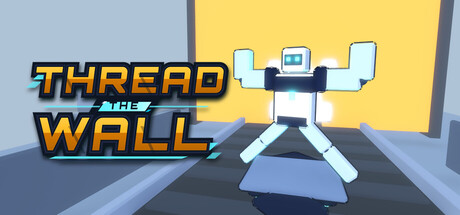 Thread the Wall Dev only | Generative AI was used in the development of this game.
No generative AI runs during gameplay, and the game does not connect to any
external AI service. | Plain Studio | - | Sep 10, 2026 | |
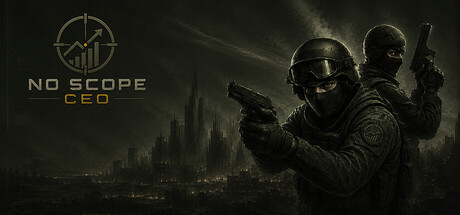 No Scope CEO Dev only codetext | I’m developing this game alongside my job and family life. So yes, I’ve used AI: without these tools, I probably would never have been able to bring a project of this scale to completion.
I remain the creative lead, the developer, and the person making all the decisions about the game. I see AI as an employee or assistant that helps me on a daily basis: it allows me to work faster, solve certain problems, and accomplish things that would otherwise have taken much more time.
Try the demo and make up your own mind: it’s up to you to decide whether it affects your enjoyment of the game in any way. | Schloppa Games | - | Sep 10, 2026 | |
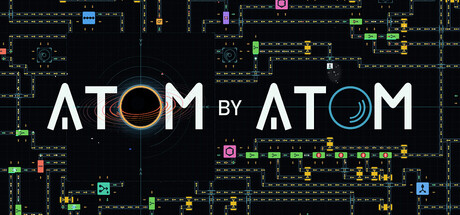 Atom By Atom Dev only artaudiocode | Ai-assisted tools were used during development for programming support. Some visuals and audio were created through developer-directed, deterministic code and exported as fixed assets—not generated by image, video, or audio models. Screenshots and trailers show actual gameplay footage. | FurkanFS | - | Sep 10, 2026 | |
 Your Legacy: Generations In-game content art | Pre-generated AI-assisted artwork is used for selected character portraits, property and location imagery, career and education illustrations, and promotional materials. All such content is reviewed and curated by the developer before inclusion. The game does not generate AI content during gameplay. | ICQ Gaming | - | Sep 10, 2026 | |
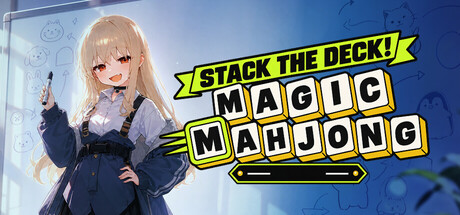 つみこめ!イカサマ魔法麻雀 In-game content artaudiocode | This game was developed with the help of generative AI tools in the following areas.
■ Illustrations and images
2D artwork such as backgrounds, character portraits, cut-in illustrations, character creator parts, achievement icons, and store artwork was produced using image generation AI. The developer designed and directed the composition, character design, colors, and intent, then selected, retouched, cropped, and composited the generated images before including them in the game.
■ Music
The background music was produced using music generation AI. The developer designed the required mood for each scene, generated candidates, then selected and edited the tracks that are included in the game.
■ Program code
AI coding assistance tools were used for part of the implementation work.
■ Assets that do not involve AI
All sound effects and character voices are existing human-created audio assets (Soundeffect Lab, Kurage Kosho, T-Suta, DOVA-SYNDROME), used in accordance with each provider's terms of use. They are not AI generated. The font is "Zen Kaku Gothic New," provided under the SIL Open Font License.
■ Rights and legal care
All AI-generated assets were reviewed by the developer to ensure they contain no illegal content and do not infringe the rights of third parties. No generation was performed with the intent of imitating any specific real person or existing work. | Miyadaiku | - | Sep 10, 2026 | |
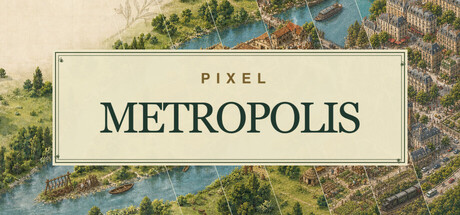 Pixel Metropolis In-game content artaudiocode | Pixel Metropolis is a human-designed, AI-implemented game. As its sole human creator, I am responsible for the game’s design, systems, architecture, quality assurance, extensive testing, art direction, and sound direction.
Codex, primarily using OpenAI’s GPT-5.6 Sol model, has generated all of the game’s code and has been used to direct the creation and implementation of its visual and sound assets. The only non-generated assets are a small selection of CC0 sounds. | Shamaan | - | Sep 10, 2026 | |
 MaskloZoophic Sessions Dev only code | The games code is made by AI, but everything else is made by the creator (story, models, design, animations, some textures and other stuff) and some assets are made by real people NOT AI (credits are in the end of the game) | Fabian Martinez | - | Sep 10, 2026 | |
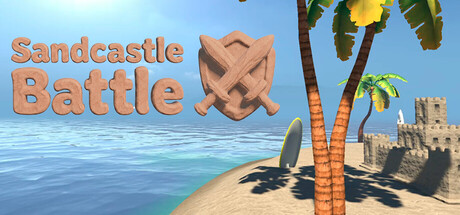 Sandcastle Battle In-game content arttextaudio | The game uses generative AI in a limited capacity to create small aesthetic UI elements (such as icons and the mouse cursor), to assist with game translations, and to generate voiceovers for promotional materials, such as the game's trailer and to make minor adjustments.
We only consider AI to be a supportive tool. Every detail is meticulously crafted with human intent, as our creative process is still firmly anchored in manual craftsmanship. | Eklo Studio | - | Sep 9, 2026 | |
 British Pub Simulator In-game content audio | During development, placeholder music has been created using AI. This music is being used temporarily during development and I plan on dedicating time into producing my own music when the games main mechanics are complete. | SimmyLate Games | - | Sep 9, 2026 | |
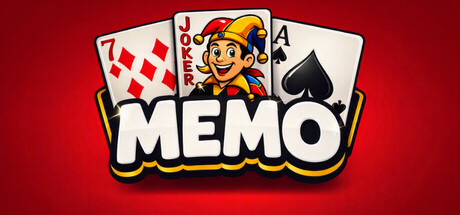 Memo In-game content text | This game uses generative AI tools only to assist with text translations. | Divine Magic Games | - | Sep 9, 2026 | |
 Starport Tycoon In-game content art | Some of the game’s visual assets were created with the assistance of AI tools.
All music featured in the game was created by human artists and is not AI-generated. | Michael Blum | - | Sep 9, 2026 | |
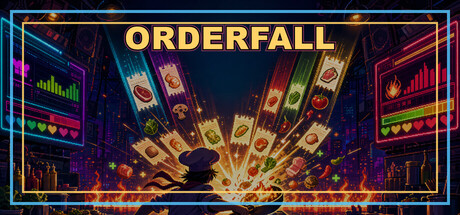 Orderfall In-game content arttextaudio | Generative AI tools were used for pre-rendered character portraits, title/key artwork and other game illustrations, portions of promotional video and audio, marketing artwork, and assistance with localized text. These assets and text were reviewed and edited for the game. Orderfall does not generate AI content during gameplay or connect to an external AI service. The live-action-style Captain Cook teaser is dramatized promotional footage; the game itself uses pixel-art graphics. | IHABAPLAN | - | Sep 9, 2026 | |
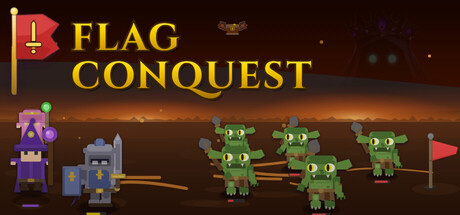 Flag Conquest In-game content audioarttext | The soundtrack is AI generated with human modifications. Art, text, localizations, and store assets were made with AI assistance and human modifications. Nothing is generated at runtime, and the game never connects to an AI service. | Karamilabs | - | Sep 9, 2026 | |
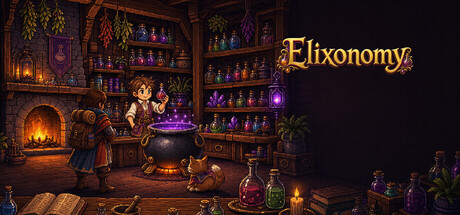 Elixonomy In-game content art | Elixonomy includes some pre-generated visual artwork created with the assistance of generative AI tools. These assets were reviewed, selected, edited, and integrated by the development team. The game does not generate AI content during gameplay and does not connect to external AI services. | Bramblewake Games | - | Sep 7, 2026 | |
 THE LAST LOGIN In-game content artaudio | THE LAST LOGIN uses pre-generated AI-assisted content in selected visual assets, character voice-over, music, and sound effects. All AI-assisted content was created during development and is included as fixed game content. No AI content is generated during gameplay. | IS-TL | - | Sep 7, 2026 | |
 Broadband Architect In-game content art | Some current artworks are AI-generated as well as ingame assets, However before full relaase all AI Generated artwork will be replaced. | Thomas Lee | - | Sep 6, 2026 | |
 Emo Lisa In-game content text | Localization - Translations | Playshare Ventures S.R.L. | - | Sep 6, 2026 | |
 星斩 In-game content art | The character illustrations and their animation frames were created with the assistance of image-generation AI (Stable Diffusion), then manually layered, retouched and reviewed by the developer. All other content — game design, code, music, sound effects and text — is made by humans. No AI content is generated at runtime. | NemoQ Studio | - | Sep 6, 2026 |


