Public Steam disclosure research25,497 disclosures tracked
Where do games disclose AI use?
Search developers’ Steam disclosures, compare classified AI use across
games, and follow recorded changes.
This index adds cross-game classifications and statistics to
statements published on individual store pages.
Groups reflect automatic analysis of public disclosures; mature records are excluded. These counts do not measure AI use across all of Steam.
Missing or unclear statements cannot establish whether a game uses AI.
This product uses pre-generated AI-assisted content created during development, including selected visual assets, localization support, store text support, and voice lines. All AI-assisted content is reviewed and edited by the developer before being included in the game.
Note: The game uses human-made digital artwork inspired by designs developed by AI including designs that have been made digitally and edited digitally using only inspiration from AI-created designs, and elements enhanced or developed by the help of AI ideas and input.
The usage of AI in the Game is purely for efficiency purposes; the Game is made with passion.
Some store page and in-game artwork (joker icons and event background scenes)
were created using AI image generation tools. All AI-generated content
is reviewed and curated by the developer. Game mechanics, story text, code,
character animations and audio are not
AI-generated.
Generative Artificial Intelligence was used to assist in the development of this game, including support with aspects of the game's code.
AI tools were also used to create some graphical assets, including selected images used for promotional material and the Steam store page.
Cover art and store page imagery and music were created with AI generation tools. AI coding assistants were used during development. All game design, writing, narrative content, and gameplay systems were designed by the developer.
Some visual and audio assets in this game were created with the assistance of generative AI tools, including artwork, cinematic sequences, and sound effects. No AI content is generated during gameplay.
We use generative AI tools to assist with the creation and refinement of some pre-generated content, including store page text, translations, marketing copy, and selected promotional/static visual assets. The game does not use generative AI to create content in real time during gameplay.
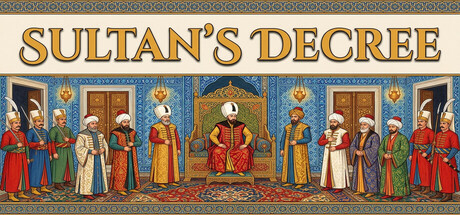
Some artwork in this game, including character portraits and background illustrations, was created using AI image generation tools. All AI-generated art was reviewed, curated, and integrated by the developer to match the game's Ottoman miniature painting visual style. All game design, narrative content, music, and gameplay were created by the developer.
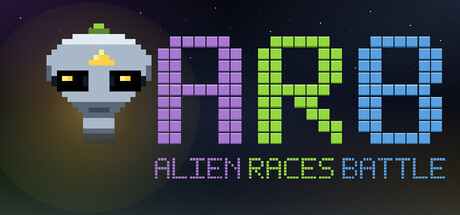
ARB: Alien Races Battle is developed by a solo human author (Raphael Tremblay) with assistance from Anthropic's Claude AI as a coding, art, and writing collaborator throughout production. Specifically:
- Some pixel-art unit sprites, ability icons, and UI elements were generated as SVG code with Claude's help, then reviewed, edited, and approved by the developer.
- In-game ability descriptions, Field Manual codex entries, and supplementary lore text were written with Claude as a writing collaborator, all building on the existing canon of The Alien Races Book (a separate, fully human-authored book by the same author that predates this game by years).
- Game code (gameplay engine, multiplayer infrastructure, UI logic) was developed with Claude as a coding-pair assistant.
Every piece of AI-assisted content was reviewed and edited by the human developer before shipping. The game's core IP — the 60+ documented alien races, their homeworlds, and their first-contact records — comes from The Alien Races Book and is entirely human-authored.
ARB does not use AI to generate content live during gameplay. All in-game content (units, sprites, abilities, sound, text, music) is finalized at build time and shipped as static assets.
Generative AI was used during the development process to assist with code training and performance optimization. This application was strictly internal and for development efficiency, and did not directly generate any final game assets (art, sound, or text) that are shipped to players. All player-facing content in the game is originally created by our team.
Generative AI tools were used to assist with selected static visual assets, such as artwork, store/library assets, and some icon-style graphics. These assets were reviewed, edited, and manually integrated by the developer. No generative AI is used during gameplay, and no content is generated by AI while the game is running.
Generative AI tools were used as part of the development workflow for programming assistance, debugging support, implementation planning, and visual refinement.
AI-assisted visual workflows were used to explore, refine, or produce some visual elements. All such content was reviewed and integrated manually by the developer.
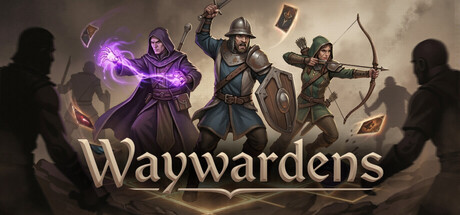
Waywardens does not use live generative AI during gameplay. The game does not generate AI content at runtime and does not send player input to AI services.
Billionaire MAX is an indie game where the core game design, mechanics, balance, and creative direction were authored by the developer, while the implementation work was assisted by AI tools.
The following content was created with AI assistance:
- Source code: Game logic, UI, networking, and other code was written with the help of AI coding assistants. All code was reviewed, tested, and integrated by the developer.
- Visual assets: Achievement icons, sector illustrations, and in-game card art were generated with AI image generation tools. The developer curated, edited, and selected every asset before inclusion.
- Sound effects: Created with AI audio generation tools. The developer curated and selected each sound effect before inclusion.
- Localization: Initial drafts of English, Korean, and Simplified Chinese translations were produced with AI assistance, then proofread and refined by the developer.
The following content was NOT created with AI:
- Game design and rules
- Music
- Final QA and gameplay tuning
No AI generation occurs at runtime. The game does not invoke any AI service during gameplay; players never see content produced live by AI.
We've harnessed the power of Generative AI technology to create several of our game's unique theme background artworks, enhancing your gaming experience with visually stunning designs.
AI tools were used as a support during development.
- Assistance with coding and English localization
- Some character artwork was initially sketched by the developer, then refined using AI tools and further manually adjusted
All final content was reviewed and edited by the developer.
AI image generation tools were used to create character artwork, background illustrations, and other visual assets in this game. AI coding assistance tools were used extensively throughout the development process for game logic and programming.
WinBolo's core engine and gameplay code was originally written by John Morrison between 1998 and 2008. The 2.0 modernization — including build system updates, the networking rewrite and platform ports — was developed with assistance from AI coding tools, with all architectural decisions, code review, and final integration handled by John Morrison.
Some non-gameplay marketing materials — including images and video elements used in trailers, social media, and the store page — were created using AI image generation as a starting point, with composition, editing, effects, and final selection done by hand. Gameplay screenshots and video footage are unedited captures from the actual game.
The game itself contains no generative AI content at runtime. Player-facing in-game assets (graphics, sound, music, text, UI) are human-created. The in-game AI opponents ("Brains," including NewAutopilot and future ML-trained agents) use traditional game AI techniques and trained reinforcement-learning models — they don't generate text, images, or audio during play.
Some visual assets and concept art were created or assisted using AI tools during development. Everything has been reviewed and refined by the developer to match the game’s style and quality.
In order to provide accessibility, AI was used to create the narration for the tutorial and encyclopaedia. Also some of the background and encyclopaedia images were generated using AI, but will be replaced for 1.0 launch.
As a solo developer, I used AI tools as a foundation to expand the game's scope, manually refining and finalizing every asset to ensure the final result is a high-quality, handcrafted experience.
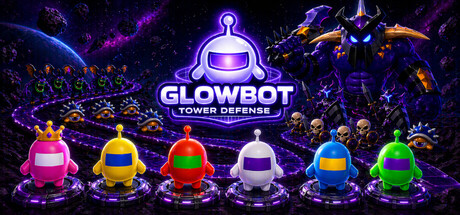
Some store assets (such as capsules and promotional images) were created with the assistance of AI tools due to limited resources during development. All gameplay, design, and core content of Glowbot Tower Defense are fully original and developed by me.
As future projects grow, I plan to collaborate with artists to further enhance the visual presentation.
During the game development process, we utilized artificial intelligence tools to assist with programming and created a variety of game assets, including images, icons, and localized content.
All assets generated or assisted by AI underwent thorough review and necessary adjustments before receiving official approval from our development team. This meticulous process ensured that the quality and style of all materials met the highest standards and remained consistent throughout the project.
AI disclosure: AI assistants were used during development to help write and refine the game's source code and to edit narrative text (board memos, news headlines, event copy). All AI-assisted output was reviewed, edited, and approved by a human before shipping.
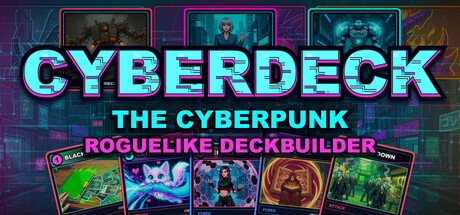
CyberDeck contains pre-generated visual art, animation frames, music, sound effects, voice audio, and written content created or assisted with generative AI tools, then curated and integrated by the development team. Generative AI also assists development, including code. No AI generates content during gameplay, and the game does not connect to external AI services while you play.
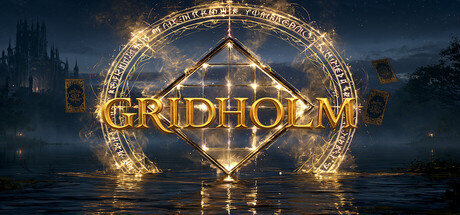
Gridholm uses AI-generated imagery for its card art, champion portraits, and 3D models. As the sole developer, it's how I bring a full 250+ card game to life with a cohesive, painterly dark-fantasy look.
Visual assets (hero portraits, card art backgrounds, dice imagery, booster pack illustrations) were generated using Midjourney and refined/composed in Photopea. Suit pip icons are by Lorc and Delapouite via game-icons.net (CC BY 3.0). Sound effects and music were generated using AI tools. All AI-generated content was directed, curated, and integrated by the developer. No AI is used to generate content live at runtime — all assets are pre-rendered and embedded in the build.
This game's development used generative AI in three specific areas:
1. Source code: Portions of the source code were authored with assistance from large language model (LLM) coding tools.
2. Localization: In-game text translations for 10 languages (English, Simplified Chinese, Traditional Chinese, Korean, Russian, German, French, Spanish, Brazilian Portuguese, and Italian) were generated
using LLM-based tools from the original Japanese source text.
3. Visual assets (UI graphics and logo): Generative AI was used in some cases to assist with creating certain in-game UI icons and the game logo. These AI-assisted assets are limited to generic UI elements
(icons, indicators) and abstract logo designs, and do not depict real-world characters, brands, or copyrighted materials.
Some visual assets (card art and character portraits) generated using Google Gemini image models. Some SFX partially generated via ElevenLabs where Unity Assets were not available. All licensed for commercial use. Game design, code, and text content are original.
All visual assets were generated in part using Nano Banana. Some code was generated using Gemini. This project was done by a Solo Dev and few eternal assets were used except where noted.
This product uses pre-generated AI-assisted content created during development, including selected visual assets, localization support, store text support, and voice lines. All AI-assisted content is reviewed and edited by the developer before being included in the game.
Note: The game uses human-made digital artwork inspired by designs developed by AI including designs that have been made digitally and edited digitally using only inspiration from AI-created designs, and elements enhanced or developed by the help of AI ideas and input.
The usage of AI in the Game is purely for efficiency purposes; the Game is made with passion.
Some store page and in-game artwork (joker icons and event background scenes)
were created using AI image generation tools. All AI-generated content
is reviewed and curated by the developer. Game mechanics, story text, code,
character animations and audio are not
AI-generated.
Generative Artificial Intelligence was used to assist in the development of this game, including support with aspects of the game's code.
AI tools were also used to create some graphical assets, including selected images used for promotional material and the Steam store page.
Cover art and store page imagery and music were created with AI generation tools. AI coding assistants were used during development. All game design, writing, narrative content, and gameplay systems were designed by the developer.
Some visual and audio assets in this game were created with the assistance of generative AI tools, including artwork, cinematic sequences, and sound effects. No AI content is generated during gameplay.
We use generative AI tools to assist with the creation and refinement of some pre-generated content, including store page text, translations, marketing copy, and selected promotional/static visual assets. The game does not use generative AI to create content in real time during gameplay.
Some artwork in this game, including character portraits and background illustrations, was created using AI image generation tools. All AI-generated art was reviewed, curated, and integrated by the developer to match the game's Ottoman miniature painting visual style. All game design, narrative content, music, and gameplay were created by the developer.
ARB: Alien Races Battle is developed by a solo human author (Raphael Tremblay) with assistance from Anthropic's Claude AI as a coding, art, and writing collaborator throughout production. Specifically:
- Some pixel-art unit sprites, ability icons, and UI elements were generated as SVG code with Claude's help, then reviewed, edited, and approved by the developer.
- In-game ability descriptions, Field Manual codex entries, and supplementary lore text were written with Claude as a writing collaborator, all building on the existing canon of The Alien Races Book (a separate, fully human-authored book by the same author that predates this game by years).
- Game code (gameplay engine, multiplayer infrastructure, UI logic) was developed with Claude as a coding-pair assistant.
Every piece of AI-assisted content was reviewed and edited by the human developer before shipping. The game's core IP — the 60+ documented alien races, their homeworlds, and their first-contact records — comes from The Alien Races Book and is entirely human-authored.
ARB does not use AI to generate content live during gameplay. All in-game content (units, sprites, abilities, sound, text, music) is finalized at build time and shipped as static assets.
Generative AI was used during the development process to assist with code training and performance optimization. This application was strictly internal and for development efficiency, and did not directly generate any final game assets (art, sound, or text) that are shipped to players. All player-facing content in the game is originally created by our team.
Generative AI tools were used to assist with selected static visual assets, such as artwork, store/library assets, and some icon-style graphics. These assets were reviewed, edited, and manually integrated by the developer. No generative AI is used during gameplay, and no content is generated by AI while the game is running.
Generative AI tools were used as part of the development workflow for programming assistance, debugging support, implementation planning, and visual refinement.
AI-assisted visual workflows were used to explore, refine, or produce some visual elements. All such content was reviewed and integrated manually by the developer.
Waywardens does not use live generative AI during gameplay. The game does not generate AI content at runtime and does not send player input to AI services.
Billionaire MAX is an indie game where the core game design, mechanics, balance, and creative direction were authored by the developer, while the implementation work was assisted by AI tools.
The following content was created with AI assistance:
- Source code: Game logic, UI, networking, and other code was written with the help of AI coding assistants. All code was reviewed, tested, and integrated by the developer.
- Visual assets: Achievement icons, sector illustrations, and in-game card art were generated with AI image generation tools. The developer curated, edited, and selected every asset before inclusion.
- Sound effects: Created with AI audio generation tools. The developer curated and selected each sound effect before inclusion.
- Localization: Initial drafts of English, Korean, and Simplified Chinese translations were produced with AI assistance, then proofread and refined by the developer.
The following content was NOT created with AI:
- Game design and rules
- Music
- Final QA and gameplay tuning
No AI generation occurs at runtime. The game does not invoke any AI service during gameplay; players never see content produced live by AI.
We've harnessed the power of Generative AI technology to create several of our game's unique theme background artworks, enhancing your gaming experience with visually stunning designs.
AI tools were used as a support during development.
- Assistance with coding and English localization
- Some character artwork was initially sketched by the developer, then refined using AI tools and further manually adjusted
All final content was reviewed and edited by the developer.
AI image generation tools were used to create character artwork, background illustrations, and other visual assets in this game. AI coding assistance tools were used extensively throughout the development process for game logic and programming.
WinBolo's core engine and gameplay code was originally written by John Morrison between 1998 and 2008. The 2.0 modernization — including build system updates, the networking rewrite and platform ports — was developed with assistance from AI coding tools, with all architectural decisions, code review, and final integration handled by John Morrison.
Some non-gameplay marketing materials — including images and video elements used in trailers, social media, and the store page — were created using AI image generation as a starting point, with composition, editing, effects, and final selection done by hand. Gameplay screenshots and video footage are unedited captures from the actual game.
The game itself contains no generative AI content at runtime. Player-facing in-game assets (graphics, sound, music, text, UI) are human-created. The in-game AI opponents ("Brains," including NewAutopilot and future ML-trained agents) use traditional game AI techniques and trained reinforcement-learning models — they don't generate text, images, or audio during play.
Some visual assets and concept art were created or assisted using AI tools during development. Everything has been reviewed and refined by the developer to match the game’s style and quality.
In order to provide accessibility, AI was used to create the narration for the tutorial and encyclopaedia. Also some of the background and encyclopaedia images were generated using AI, but will be replaced for 1.0 launch.
As a solo developer, I used AI tools as a foundation to expand the game's scope, manually refining and finalizing every asset to ensure the final result is a high-quality, handcrafted experience.
Some store assets (such as capsules and promotional images) were created with the assistance of AI tools due to limited resources during development. All gameplay, design, and core content of Glowbot Tower Defense are fully original and developed by me.
As future projects grow, I plan to collaborate with artists to further enhance the visual presentation.
During the game development process, we utilized artificial intelligence tools to assist with programming and created a variety of game assets, including images, icons, and localized content.
All assets generated or assisted by AI underwent thorough review and necessary adjustments before receiving official approval from our development team. This meticulous process ensured that the quality and style of all materials met the highest standards and remained consistent throughout the project.
AI disclosure: AI assistants were used during development to help write and refine the game's source code and to edit narrative text (board memos, news headlines, event copy). All AI-assisted output was reviewed, edited, and approved by a human before shipping.
CyberDeck contains pre-generated visual art, animation frames, music, sound effects, voice audio, and written content created or assisted with generative AI tools, then curated and integrated by the development team. Generative AI also assists development, including code. No AI generates content during gameplay, and the game does not connect to external AI services while you play.
Gridholm uses AI-generated imagery for its card art, champion portraits, and 3D models. As the sole developer, it's how I bring a full 250+ card game to life with a cohesive, painterly dark-fantasy look.
Visual assets (hero portraits, card art backgrounds, dice imagery, booster pack illustrations) were generated using Midjourney and refined/composed in Photopea. Suit pip icons are by Lorc and Delapouite via game-icons.net (CC BY 3.0). Sound effects and music were generated using AI tools. All AI-generated content was directed, curated, and integrated by the developer. No AI is used to generate content live at runtime — all assets are pre-rendered and embedded in the build.
This game's development used generative AI in three specific areas:
1. Source code: Portions of the source code were authored with assistance from large language model (LLM) coding tools.
2. Localization: In-game text translations for 10 languages (English, Simplified Chinese, Traditional Chinese, Korean, Russian, German, French, Spanish, Brazilian Portuguese, and Italian) were generated
using LLM-based tools from the original Japanese source text.
3. Visual assets (UI graphics and logo): Generative AI was used in some cases to assist with creating certain in-game UI icons and the game logo. These AI-assisted assets are limited to generic UI elements
(icons, indicators) and abstract logo designs, and do not depict real-world characters, brands, or copyrighted materials.
Some visual assets (card art and character portraits) generated using Google Gemini image models. Some SFX partially generated via ElevenLabs where Unity Assets were not available. All licensed for commercial use. Game design, code, and text content are original.
All visual assets were generated in part using Nano Banana. Some code was generated using Gemini. This project was done by a Solo Dev and few eternal assets were used except where noted.