


Disclosure
Music made with Suno Pro
- Creator
- Alexander Thurn
- Reviews
- -
- Added
- Mar 18, 2026
Public Steam disclosure research 26,888 disclosures tracked
Search developers’ Steam disclosures, compare classified AI use across games, and follow recorded changes. This index adds cross-game classifications and statistics to statements published on individual store pages.
Code help, debugging and other development work.
Capsule art, trailers and promotional material.
Pre-made art, audio, writing and other game assets.
Interactive or runtime AI features disclosed by the developer.
Groups reflect automatic analysis of public disclosures; mature records are excluded. These counts do not measure AI use across all of Steam. Missing or unclear statements cannot establish whether a game uses AI.
Music made with Suno Pro
We used AI assistance for multilingual translation of promotional texts, for visual style suggestions, and for the creation of capsule and library assets. We also used AI tools during development for in-game text localization, as well as for generating certain audio elements and textures/visual content.
all the pictures are generated by artificial intelligence.
Some music, portions of the trailer, and select store page images were created with the assistance of AI generation tools.
Some images in the game were generated using AI.
AI Disclosure Generative AI tools were used during development to assist in the creation of promotional materials, including the logo and some store images. All gameplay systems, AI opponents, mechanics, and core design were developed manually. The game does not use generative AI during gameplay or player interactions.
The game utilizes generative AI tools to assist in the creative process. This includes generating assets such as 2D artwork/textures, 3D model concepts, coding scripts assistance, and background music/audio elements. All AI-generated content has been manually reviewed and edited by the developer to ensure it fits the game's artistic vision and standards.
Some parts of development used AI-assisted workflows, including asset creation, image processing/background removal, voice work, and localization of in-game text into multiple languages.
The character portraits, certain 2D visual assets, and some of the underlying code in this game were created using generative AI tools as pre-generated content. These assets and scripts were manually reviewed, modified, and integrated by the developer to fit the game's style and mechanics. The game's narrative, core design, and choices are entirely human-created.
Some of the graphical elements contain AI-generated imagery
Physics engine, 3d modeling , image, video , icons, SFX, voice, music, historic research, translation, texture, motion, level design,
Generative AI was used to create some of the game's 2D artwork, decorative UI elements, 3D character models, and 3D environmental props, as well as promotional artwork used on the Steam store page.
The game uses an offline local LLM to dynamically generate NPC dialogue, parse player's text commands, and judge the player's actions in court. The game uses zero generative AI art or audio assets.
Some art assets (cargo icons, music tracks, marketing images) were created with assistance from AI generation tools and refined by the developer. All game code, design, and gameplay systems are human-created. No AI content is generated at runtime during gameplay.
This game utilizes generative AI during the development process. Some 3D props (such as marshmallows), game logos, and UI elements were initially created using AI tools. These assets were then manually refined and edited by the developer to fit the game's style.
Musics present in the game were composed with the help of generative AI
This game was developed with the help of generative artificial intelligence tools used during the development phase to assist in the creation of certain visual, technical, and content elements. All produced elements were selected, modified, and validated by the developer to ensure their consistency, quality, and integration into the final experience. No content is generated by artificial intelligence in real time during gameplay.
AI tools are used to assist in the creation of certain marketing and promotional visuals. During development, AI tools may also be used as a programming assistant to help with code structure, refactoring, and problem-solving. All gameplay systems, mechanics, design decisions, and final implementation are created, reviewed, and validated by the developer. AI does not autonomously generate gameplay content or operate within the released product.
Generative AI was used to create descriptions and weapon icons
Generative AI has only been used to create placeholder background music tracks, as a type of "elevator music", while I learn more about sound design and music producing. No AI has been used anywhere else, in art or development. Everything else has been done by one individual, and the hope is to have all the AI generated soundtracks replaced before launch. Sorry for any AI hate, and thanks for the understanding.
No AI was used in the development of Rage Rock. Only parts of the store page was made with the help of AI.
Some store page illustrations were created using generative AI tools. The content was reviewed and edited before publication. No copyrighted material was directly copied.
All conversations within AikoMate are generated by artificial intelligence.
CAI UWE uses generative AI technologies (Large Language Models) to generate the character's dialogues in real-time. There are no pre-written scripts; all of UWE's answers are generated live based on the user's chat inputs.
The game features assets and promotional imagery created with the assistance of generative AI, which served as a tool to enhance the production workflow; all such elements were subsequently hand-refined by the developer to ensure artistic consistency. This technology was also used to streamline the development of generic code components. Every aspect of the game’s design, mechanics, and final polish remains the result of human creative direction and manual oversight.
Some temporary in-game music used during development was generated with AI tools as placeholder audio. The intention is to replace these tracks with music created by human artists as the project progresses.
Some Images and text for the store page are generated by AI. I am solo and I am not much of a writer. The game was coded working hard for 10 months to put this together. It is my first major project in game dev.
Used for coding assistance and for generating textures for certain items.
Characters and background scenes of the game were made using Generative AI, and while these are generated as placeholders - it's likely that I'll never have the money or time to commission real art. Prove me wrong.
During the creative process, we utilized artificial intelligence (AI) technology as a generative tool for inspiration, primarily applied to original artwork and partial narrative texts. Our use of AI is not intended to replace traditional creativity, but rather to push beyond the boundaries of conventional game design—delivering you a uniquely immersive adventure filled with delightful surprises. All AI-generated content operates within our meticulously designed rule-based framework, ensuring a coherent and engaging experience.
Development uses AI tools as coding assistants to optimize scripts and refactor systems. Some UI icons and graphic elements may have been generated or iterated with AI assistance, but all were manually reviewed and edited to ensure final quality.
We are using AI to create feature phone-style frames.
AI was used in the creation of some assets.
This game uses AI-assisted tools as part of the production pipeline for selected visual assets and audio. Final assets are directed, edited, selected, integrated, and reviewed by Moire X Studio.
The store page capsule image (cover art) was generated using AI.
During the development of the game, generative artificial intelligence tools were partially used. AI was used to help create some graphic elements. All the results were finalized and integrated manually by the developers in accordance with the artistic vision of the project. Generative AI is not used to create user-generated content in real time during gameplay.
Everything.
Character prototypes and costumes (for the protagonist Luo Hongxue) are manually designed. AI is used to generate scenes (such as background images for Shuiyue Tower and the Cave Mansion), NPC appearances (like the looks of a poor scholar or a fox spirit), and motion modifications (such as adjustments to character spellcasting and walking animations).
This game contains AI-generated art content.
Generative AI is used only for 2D marketing assets, icons and loading screens.
Some visual elements of the game, including certain artwork and UI assets, were created with the assistance of generative AI tools during development. All AI-generated assets were curated, edited, and integrated by the developer to ensure visual consistency and artistic direction. The game does not use live AI generation during gameplay.
部分美术资源使用AI工具生成初始概念图,之后由开发者进行手动调整和修改。最终作品结合了AI生成的基础设计和人工艺术修订。
AI tools were used only to generate background images and music for the title/menu screen.
Some of the music tracks included have been created using Suno to avoid copyright infringement for players looking to share video content of the game.
AI generative models were used to create localization files to support languages that would otherwise be difficult for a solo developer. Placeholder AI-generated assets have been created for the Steam store splash images, with the intent of commissioning an artist if this gains community support. All in-game assets (sprites, music, sound effects, UI elements, and interactive content) were created by humans and are credited in the game credits. CPU opponents use traditional game AI algorithms, not generative AI models. This is the third iteration of development, that was originally developed in 2019 with HTML + JS, then rebuilt in Unity, and then transferred to LOVE2D written in Lua. It was more-or-less built with a box of scraps in a cave in its first iterations, and modern software since those days have effectively blurred the line where task automation meets unethical AI consumption. It's up to each of us to determine where that line is for ourselves in a rapidly changing digital age. As both a solo game dev and multimedia artist carrying a full-time job in neither of those fields, I feel that it's important to be educating ourselves on where AI can be a useful tool to allow new opportunities and expand capabilities for independent creators that are otherwise untenable, while keeping the human side of game dev at its core, especially in the indie genre.
Generative AI was used during the development process to assist in creating 2D visual assets, including the character art (the cyber cat) and promotional imagery. These assets were pre-generated and are included as static files within the application.
AI has been used as a helping tool for minor tasks during the prototyping and development phase (debugging, generating placeholders, etc). There are a few AI generated 3D models used in the final version of the game, but everything else has been replaced with human-made and -written content.
Generative AI was used solely to assist in creating promotional materials and store page visuals. All in-game content is human-created and does not involve generative AI.
Textures Soundeffects Voice Music
Game store page logo and headers made with ai tool.
| Title⇅ | Disclosure | Creator⇅ | Src | Reviews⇅ | Added↓ |
|---|---|---|---|---|---|
 DICEPTION In-game content audio | Music made with Suno Pro | Alexander Thurn | - | Mar 18, 2026 | |
 Rest Area Simulator: Prologue In-game content artaudiotext | We used AI assistance for multilingual translation of promotional texts, for visual style suggestions, and for the creation of capsule and library assets. We also used AI tools during development for in-game text localization, as well as for generating certain audio elements and textures/visual content. | Oriseus Studios | 123 | Mar 18, 2026 | |
 Flying over the penguin's hollow Store/marketing art | all the pictures are generated by artificial intelligence. | Reanim Games | 15 | Mar 18, 2026 | |
 Comet Busters In-game content audioart | Some music, portions of the trailer, and select store page images were created with the assistance of AI generation tools. | Jason Hall | - | Mar 18, 2026 | |
 Perfectdom In-game content art | Some images in the game were generated using AI. | Team T1 | - | Mar 18, 2026 | |
 Matrix Chess In-game content art | AI Disclosure
Generative AI tools were used during development to assist in the creation of promotional materials, including the logo and some store images.
All gameplay systems, AI opponents, mechanics, and core design were developed manually.
The game does not use generative AI during gameplay or player interactions. | MichelApps | - | Mar 18, 2026 | |
 DNOWHERE In-game content artaudiocode | The game utilizes generative AI tools to assist in the creative process. This includes generating assets such as 2D artwork/textures, 3D model concepts, coding scripts assistance, and background music/audio elements. All AI-generated content has been manually reviewed and edited by the developer to ensure it fits the game's artistic vision and standards. | Matous Pilny | - | Mar 18, 2026 | |
 Breach Squad In-game content artaudiotext | Some parts of development used AI-assisted workflows, including asset creation, image processing/background removal, voice work, and localization of in-game text into multiple languages. | INDIELLIGENT | - | Mar 18, 2026 | |
 THE WITCH'S GRIMOIRE In-game content artcode | The character portraits, certain 2D visual assets, and some of the underlying code in this game were created using generative AI tools as pre-generated content. These assets and scripts were manually reviewed, modified, and integrated by the developer to fit the game's style and mechanics. The game's narrative, core design, and choices are entirely human-created. | Ismail Mehdi Gunel | - | Mar 18, 2026 | |
 DRAWCERY In-game content art | Some of the graphical elements contain AI-generated imagery | Spookjump | - | Mar 18, 2026 | |
 Total Blade: Mythology art | Physics engine, 3d modeling , image, video , icons, SFX, voice, music, historic research, translation, texture, motion, level design, | Moondolino | - | Mar 18, 2026 | |
 P2W : The Party Show In-game content art | Generative AI was used to create some of the game's 2D artwork, decorative UI elements, 3D character models, and 3D environmental props, as well as promotional artwork used on the Steam store page. | Wallet Warriors | - | Mar 18, 2026 | |
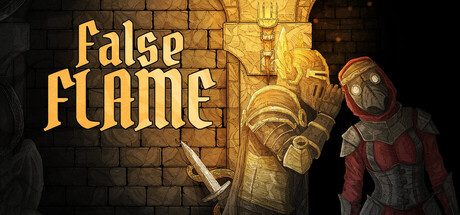 False Flame Live AI text | The game uses an offline local LLM to dynamically generate NPC dialogue, parse player's text commands, and judge the player's actions in court.
The game uses zero generative AI art or audio assets. | SigniLume | - | Mar 18, 2026 | |
 Salt & Storms In-game content artaudio | Some art assets (cargo icons, music tracks, marketing images) were created with assistance from AI generation tools and refined by the developer. All game code, design, and gameplay systems are human-created. No AI content is generated at runtime during gameplay. | Shoogar Games | - | Mar 18, 2026 | |
 Dubai Chewy Cookie Simulator In-game content art | This game utilizes generative AI during the development process. Some 3D props (such as marshmallows), game logos, and UI elements were initially created using AI tools. These assets were then manually refined and edited by the developer to fit the game's style. | Hope Simulation Studio | - | Mar 18, 2026 | |
 Combat Playground In-game content audio | Musics present in the game were composed with the help of generative AI | BloodRex | - | Mar 18, 2026 | |
 Network Empire In-game content arttextcode | This game was developed with the help of generative artificial intelligence tools used during the development phase to assist in the creation of certain visual, technical, and content elements. All produced elements were selected, modified, and validated by the developer to ensure their consistency, quality, and integration into the final experience.
No content is generated by artificial intelligence in real time during gameplay. | Corsan | - | Mar 18, 2026 | |
 Checkpoint 19 In-game content artcode | AI tools are used to assist in the creation of certain marketing and promotional visuals.
During development, AI tools may also be used as a programming assistant to help with code structure, refactoring, and problem-solving.
All gameplay systems, mechanics, design decisions, and final implementation are created, reviewed, and validated by the developer. AI does not autonomously generate gameplay content or operate within the released product. | Pyro Entertainment B.V | - | Mar 18, 2026 | |
 Drone Gunner In-game content textart | Generative AI was used to create descriptions and weapon icons | KHVOYA Games | - | Mar 18, 2026 | |
 <Code Breaker> In-game content audio | Generative AI has only been used to create placeholder background music tracks, as a type of "elevator music", while I learn more about sound design and music producing. No AI has been used anywhere else, in art or development. Everything else has been done by one individual, and the hope is to have all the AI generated soundtracks replaced before launch. Sorry for any AI hate, and thanks for the understanding. | 0x00_0x01_dev | - | Mar 18, 2026 | |
 Rage Rock Store/marketing | No AI was used in the development of Rage Rock. Only parts of the store page was made with the help of AI. | Abdulrahim Al Methiab | - | Mar 18, 2026 | |
 Zombie Survival 3D Store/marketing art | Some store page illustrations were created using generative AI tools. The content was reviewed and edited before publication. No copyrighted material was directly copied. | doabb | 44 | Mar 18, 2026 | |
 AikoMate Live AI text | All conversations within AikoMate are generated by artificial intelligence. | Fernando Camargo | 28 | Mar 18, 2026 | |
 CAI UWE Live AI text | CAI UWE uses generative AI technologies (Large Language Models) to generate the character's dialogues in real-time. There are no pre-written scripts; all of UWE's answers are generated live based on the user's chat inputs. | scratch your own itch Labs | - | Mar 18, 2026 | |
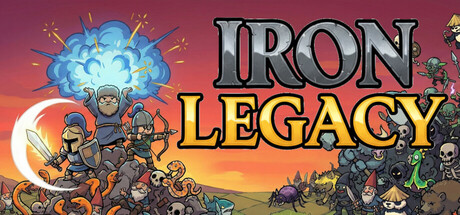 Iron Legacy In-game content artcode | The game features assets and promotional imagery created with the assistance of generative AI, which served as a tool to enhance the production workflow; all such elements were subsequently hand-refined by the developer to ensure artistic consistency. This technology was also used to streamline the development of generic code components. Every aspect of the game’s design, mechanics, and final polish remains the result of human creative direction and manual oversight. | Static Fluid | - | Mar 18, 2026 | |
 SuperTag In-game content audio | Some temporary in-game music used during development was generated with AI tools as placeholder audio. The intention is to replace these tracks with music created by human artists as the project progresses. | Michael Abid | - | Mar 18, 2026 | |
 Aura Store/marketing textart | Some Images and text for the store page are generated by AI. I am solo and I am not much of a writer. The game was coded working hard for 10 months to put this together. It is my first major project in game dev. | Caydn Lofton | - | Mar 18, 2026 | |
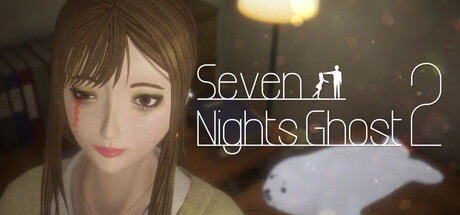 Seven Nights Ghost 2 In-game content artcode | Used for coding assistance and for generating textures for certain items. | TozukuGames | - | Mar 18, 2026 | |
 One Hundred Years Amazonian Dungeon In-game content art | Characters and background scenes of the game were made using Generative AI, and while these are generated as placeholders - it's likely that I'll never have the money or time to commission real art. Prove me wrong. | StarsickleGames | - | Mar 18, 2026 | |
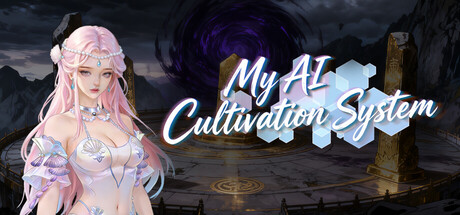 我的修仙外挂是AI In-game content arttext | During the creative process, we utilized artificial intelligence (AI) technology as a generative tool for inspiration, primarily applied to original artwork and partial narrative texts. Our use of AI is not intended to replace traditional creativity, but rather to push beyond the boundaries of conventional game design—delivering you a uniquely immersive adventure filled with delightful surprises. All AI-generated content operates within our meticulously designed rule-based framework, ensuring a coherent and engaging experience. | Jinglin Games | - | Mar 18, 2026 | |
 Protocol:Chrono In-game content artcode | Development uses AI tools as coding assistants to optimize scripts and refactor systems. Some UI icons and graphic elements may have been generated or iterated with AI assistance, but all were manually reviewed and edited to ensure final quality. | SilverMoon Labs | - | Mar 18, 2026 | |
 Revenger In-game content art | We are using AI to create feature phone-style frames. | nazenaninadesico | - | Mar 18, 2026 | |
 Chopikoji Gardens In-game content | AI was used in the creation of some assets. | Moleman Studios | - | Mar 18, 2026 | |
 REQUIRED SYNERGY WORKSHOP: Deja Damnation In-game content artaudio | This game uses AI-assisted tools as part of the production pipeline for selected visual assets and audio. Final assets are directed, edited, selected, integrated, and reviewed by Moire X Studio. | Moire X Studio | - | Mar 18, 2026 | |
 Threshold Warden Store/marketing art | The store page capsule image (cover art) was generated using AI. | HugePixel | 11 | Mar 18, 2026 | |
 No Further Instructions In-game content art | During the development of the game, generative artificial intelligence tools were partially used.
AI was used to help create some graphic elements. All the results were finalized and integrated manually by the developers in accordance with the artistic vision of the project.
Generative AI is not used to create user-generated content in real time during gameplay. | Apex Seven | - | Mar 18, 2026 | |
 Train Towers Unclear | Everything. | pb | - | Mar 18, 2026 | |
 Mythic Lunar Ascendant In-game content art | Character prototypes and costumes (for the protagonist Luo Hongxue) are manually designed. AI is used to generate scenes (such as background images for Shuiyue Tower and the Cave Mansion), NPC appearances (like the looks of a poor scholar or a fox spirit), and motion modifications (such as adjustments to character spellcasting and walking animations). | fanarchi | - | Mar 18, 2026 | |
 VIGNETTE In-game content art | This game contains AI-generated art content. | Loxarc Inc. | - | Mar 18, 2026 | |
 Together We Move In-game content art | Generative AI is used only for 2D marketing assets, icons and loading screens. | KiraKami Games | - | Mar 18, 2026 | |
 The Last Glimpse In-game content art | Some visual elements of the game, including certain artwork and UI assets, were created with the assistance of generative AI tools during development.
All AI-generated assets were curated, edited, and integrated by the developer to ensure visual consistency and artistic direction.
The game does not use live AI generation during gameplay. | Miknar Games | - | Mar 18, 2026 | |
 仙源录 In-game content art | 部分美术资源使用AI工具生成初始概念图,之后由开发者进行手动调整和修改。最终作品结合了AI生成的基础设计和人工艺术修订。 | BrillianT | - | Mar 18, 2026 | |
 The Fast and the Fallen In-game content artaudio | AI tools were used only to generate background images and music for the title/menu screen. | GraveBound Studios | - | Mar 18, 2026 | |
 Rhythm Racer In-game content audio | Some of the music tracks included have been created using Suno to avoid copyright infringement for players looking to share video content of the game. | Elusive Byte | - | Mar 18, 2026 | |
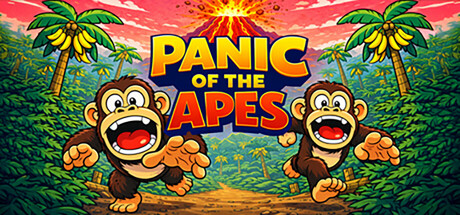 Panic of the Apes In-game content textart | AI generative models were used to create localization files to support languages that would otherwise be difficult for a solo developer. Placeholder AI-generated assets have been created for the Steam store splash images, with the intent of commissioning an artist if this gains community support. All in-game assets (sprites, music, sound effects, UI elements, and interactive content) were created by humans and are credited in the game credits. CPU opponents use traditional game AI algorithms, not generative AI models.
This is the third iteration of development, that was originally developed in 2019 with HTML + JS, then rebuilt in Unity, and then transferred to LOVE2D written in Lua. It was more-or-less built with a box of scraps in a cave in its first iterations, and modern software since those days have effectively blurred the line where task automation meets unethical AI consumption.
It's up to each of us to determine where that line is for ourselves in a rapidly changing digital age. As both a solo game dev and multimedia artist carrying a full-time job in neither of those fields, I feel that it's important to be educating ourselves on where AI can be a useful tool to allow new opportunities and expand capabilities for independent creators that are otherwise untenable, while keeping the human side of game dev at its core, especially in the indie genre. | Adam Weaver | - | Mar 18, 2026 | |
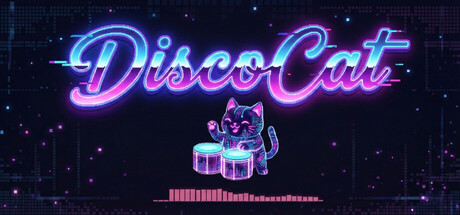 DiscoCat In-game content art | Generative AI was used during the development process to assist in creating 2D visual assets, including the character art (the cyber cat) and promotional imagery. These assets were pre-generated and are included as static files within the application. | LuviaWorks | - | Mar 18, 2026 | |
 Simulation Requires Supervision In-game content art | AI has been used as a helping tool for minor tasks during the prototyping and development phase (debugging, generating placeholders, etc). There are a few AI generated 3D models used in the final version of the game, but everything else has been replaced with human-made and -written content. | Veyxa | - | Mar 18, 2026 | |
 Lighthouse Keeper: Lost At Sea Store/marketing art | Generative AI was used solely to assist in creating promotional materials and store page visuals.
All in-game content is human-created and does not involve generative AI. | Ascendara Games | - | Mar 18, 2026 | |
 Ludwig II. - Neuschwanstein Unclear artaudiotext | Textures
Soundeffects
Voice
Music | VR-Dynamix | - | Mar 18, 2026 | |
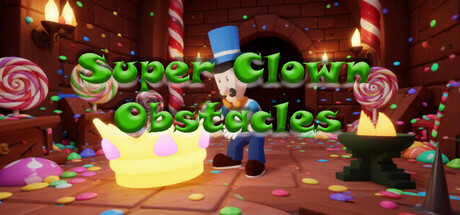 Super Clown Obstacles Store/marketing art | Game store page logo and headers made with ai tool. | Tero Lunkka | - | Mar 18, 2026 |


