Public Steam disclosure research25,508 disclosures tracked
Where do games disclose AI use?
Search developers’ Steam disclosures, compare classified AI use across
games, and follow recorded changes.
This index adds cross-game classifications and statistics to
statements published on individual store pages.
Groups reflect automatic analysis of public disclosures; mature records are excluded. These counts do not measure AI use across all of Steam.
Missing or unclear statements cannot establish whether a game uses AI.
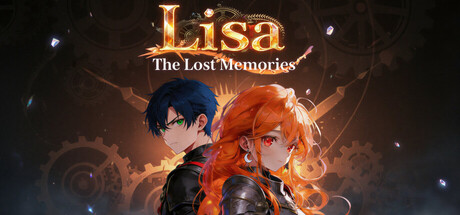
This game uses generative artificial intelligence to create some of its visual content, particularly the images shown in cutscenes. These AI-generated visuals help bring the story to life and allow for faster iteration and creative exploration.
The cutscene images will be updated regularly as the technology improves and as the game's story evolves. This means you may notice changes in visual quality and storytelling over time, as we continue to refine and enhance the experience.
Some visual assets used in the store page and marketing materials may include AI-assisted elements. These assets are reviewed and modified by the development team to ensure quality and consistency with the game's art direction.
As an assistive measure, AI has been implemented into our code practices throughout early development. This includes the use of specialist AI models to assist with code reviews, optimisation and minor troubleshooting and bug fixes. Whilst AI has been used in this way, this in no way compromises or risks the quality of any features, content or security, and all code is ultimately reviewed by a human.
We want to be transparent about our use of AI:
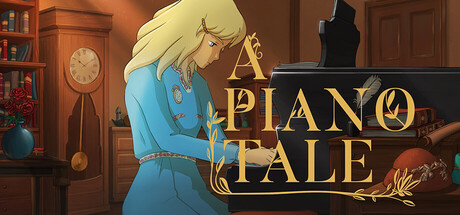
AI is used for: assisting with code development (debugging, refactoring, technical guidance during programming sessions).
AI is NOT used for: the story, the dialogue, the music, the illustrations, the character designs, or any creative content. A Piano Tale is a deeply personal project, and its soul comes entirely from human hands.
We utilize AI exclusively for high-resolution upscaling and refining the details of our legacy artwork. Because we prioritize the integrity of our original style, we do not feed third-party artwork into any AI systems. While we work hard to polish every frame, you may occasionally notice minor "AI artifacts", a byproduct of the technical upscaling process used to make our original art shine on High Resolution displays.
This game has pixel art assets, logos, and character designs made by different AI tools. AI-generated text-to-speech is also used for spoken dialogue. The game does not generate new content dynamically while running. All AI-generated material has been curated and integrated by the developer to ensure appropriateness and originality.
The translation of this version was created with the help of AI. The game’s story, original writing, artwork, and music were created by hand by the author in 2018.
How we use artificial intelligence:
Some creative assets in Slash The Tower were created with the help of generative AI.
Art and music were produced using Google Gemini (AI-assisted generation). Those assets are pre-made and shipped with the game—they are not generated live while you play.
Game code and parts of the user interface were developed with assistance from Cursor (an AI-enabled editor) together with Unity. That means design and implementation were guided by us as developers, with AI helping draft or refine code and UI-related work—not replacing human creative direction for the whole game.
We do not use generative AI to create personalized or real-time content for each player session beyond what is described above. If we add AI-generated material to the Steam store page, community hubs, or marketing, we will treat it the same way: clearly labeled and consistent with this approach.
During development, generative AI tools were used to assist in creating the following content:
Image Assets: Some enemy characters, backgrounds, and scene elements were created with the assistance of AI tools. All images have undergone extensive manual illustration, style integration, and post-processing to ensure consistency with the game's overall art direction.
Music & Sound Effects: Prototypes for some background music tracks and ambient sound effects were created with the assistance of AI tools.
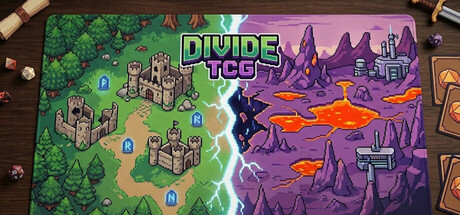
2D Visual Assets: All in-game card illustrations—including the retro pixel art items, weapons, and relics and any images, as well as the main "Divide TCG" promotional logo art, were pre-generated using AI image generation tools.
Code and UI Assistance: AI text models were used as a collaborative programming assistant to help write, structure, and troubleshoot the game's HTML and CSS user interface, including the card binder layouts, responsive grids, and visual effects.
Marketing Copy: AI text models were utilized to help draft and refine portions of the text and descriptions found on this Steam store page.
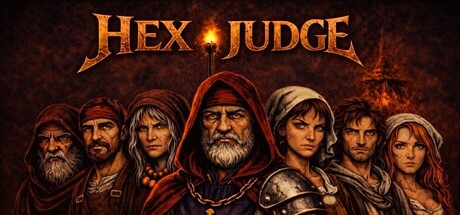
This game uses AI-assisted systems to support dynamic dialogue during interrogations with villagers. The AI helps generate variations in conversations to enhance immersion and replayability while maintaining the game’s narrative structure.
The game also uses AI-assisted systems to generate epilogues based on the player’s verdicts and the relationships between villagers. These epilogues help reflect the consequences of the player’s decisions and provide varied outcomes across playthroughs.
The dialogue and epilogue generation systems operate within structured prompts and developer-defined constraints to ensure consistency with the game’s design.
The AI systems are designed with safeguards to prevent inappropriate or harmful outputs. AI-assisted content is reviewed and refined during development to ensure it remains appropriate for the game’s setting and narrative.
Some visual assets were created with the assistance of generative AI tools. These assets were reviewed, edited, and refined by the developer before being implemented into the game.
All assets were checked to ensure they are appropriate and consistent with the game’s artistic direction.
This game has used AI as a coding assistant and to help build tooling and interconnections (think API development and unit-testing).
I've not used AI to make the premise of any function, utilize it for pure vibe-coding or anything beyond additional tooling for the asset and behaviors.
This game was developed with assistance from AI tools. Generative AI was used in the development of store page content and marketing materials. All in-game assets, environments, and gameplay were created using Unreal Engine 5 and licensed asset packs.
This game uses generative AI tools in part of its development.
*Some background images were created using AI-generated materials, which were then manually edited, retouched, and composited with other images.
*Some in-game BGM tracks were generated using an AI audio generation service and then edited for use in the game.
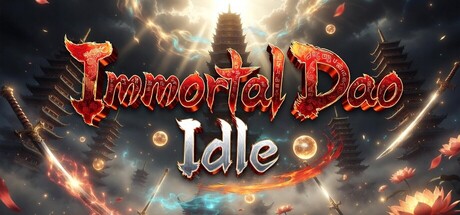
I love Xianxia/Wuxia light novels and I've looked everywhere for a good cultivation idler. When I couldn't find out, I decided to make one, but since I'm not a coder/videographer/digital animator etc I used AI for the artwork creation and used my background in IT to get AI to create the backend code.
To make the game world truly vibrant and unpredictable, we turned to modern procedural generation technologies. Some elements were created with the assistance of artificial intelligence tools, allowing us to add more unique content and make each of your adventures one-of-a-kind.
This is a visual novel independently developed by an individual with no budget. It is based on an existing novel, with parts of the narrative text synthesized and refined using AI, which has been repeatedly checked, edited, and approved by the developer. The game's scenes and character models are also AI-generated, and have undergone extensive debugging, deletion, revision, and final confirmation before release to ensure compliance and quality.
I used a text-based generative AI (LLM) to assist with the English translation (localization) of all in-game text (dialogue, UI, system messages) and to help write the English descriptions for the Steam store page.
This game uses generative AI tools to assist in creating pre-generated image content. All AI-generated images has been reviewed, edited, and finalized by the human development team to ensure it fits the game's vision and quality standards.
Some visual assets in the game, including icons and promotional illustrations (splash art), were created with the assistance of AI tools and were then edited and integrated into the game by the developer.
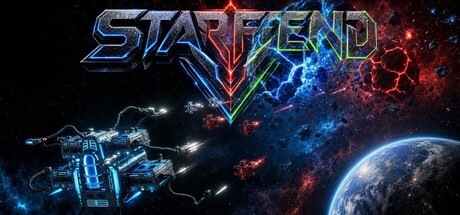
Unfortunately I'm very bad at drawing, so I used Gen AI to create graphical resources for pilots, Mephisto heads, crew images, ships sprites and background images.
AI assisted with raw audio foundations, but humans manually rearranged and mastered every sound. Nothing went straight from the algorithm to your headphones.
This game uses generative AI tools during development to assist in the creation of certain pre-rendered visual assets such as textures and images. All AI-assisted content was directed, reviewed, and refined by the developer to ensure it aligns with the game’s artistic vision and quality standards. The game does not use live-generated AI content during gameplay.
The Legend of Wijaya utilizes pre-generated AI tools strictly as an assistive foundation for a minor portion of background environmental assets and foundational music tracks. All AI-assisted content is heavily manually edited, polished, and arranged by the developer to ensure it strictly matches the handcrafted pixel-art aesthetic and historical tone of the game.
Some visual assets in the game and store page were created using generative AI and then edited and integrated by the developer. No real-time AI generation is used during gameplay.
Remove virus does not use generative AI to generate gameplay content, dialogue, code, or assets during play. The game does not connect to external AI services. All content included in the build is pre-created by the developer.
This game uses generative artificial intelligence to create some of its visual content, particularly the images shown in cutscenes. These AI-generated visuals help bring the story to life and allow for faster iteration and creative exploration.
The cutscene images will be updated regularly as the technology improves and as the game's story evolves. This means you may notice changes in visual quality and storytelling over time, as we continue to refine and enhance the experience.
Some visual assets used in the store page and marketing materials may include AI-assisted elements. These assets are reviewed and modified by the development team to ensure quality and consistency with the game's art direction.
As an assistive measure, AI has been implemented into our code practices throughout early development. This includes the use of specialist AI models to assist with code reviews, optimisation and minor troubleshooting and bug fixes. Whilst AI has been used in this way, this in no way compromises or risks the quality of any features, content or security, and all code is ultimately reviewed by a human.
We want to be transparent about our use of AI:
AI is used for: assisting with code development (debugging, refactoring, technical guidance during programming sessions).
AI is NOT used for: the story, the dialogue, the music, the illustrations, the character designs, or any creative content. A Piano Tale is a deeply personal project, and its soul comes entirely from human hands.
We utilize AI exclusively for high-resolution upscaling and refining the details of our legacy artwork. Because we prioritize the integrity of our original style, we do not feed third-party artwork into any AI systems. While we work hard to polish every frame, you may occasionally notice minor "AI artifacts", a byproduct of the technical upscaling process used to make our original art shine on High Resolution displays.
This game has pixel art assets, logos, and character designs made by different AI tools. AI-generated text-to-speech is also used for spoken dialogue. The game does not generate new content dynamically while running. All AI-generated material has been curated and integrated by the developer to ensure appropriateness and originality.
The translation of this version was created with the help of AI. The game’s story, original writing, artwork, and music were created by hand by the author in 2018.
How we use artificial intelligence:
Some creative assets in Slash The Tower were created with the help of generative AI.
Art and music were produced using Google Gemini (AI-assisted generation). Those assets are pre-made and shipped with the game—they are not generated live while you play.
Game code and parts of the user interface were developed with assistance from Cursor (an AI-enabled editor) together with Unity. That means design and implementation were guided by us as developers, with AI helping draft or refine code and UI-related work—not replacing human creative direction for the whole game.
We do not use generative AI to create personalized or real-time content for each player session beyond what is described above. If we add AI-generated material to the Steam store page, community hubs, or marketing, we will treat it the same way: clearly labeled and consistent with this approach.
During development, generative AI tools were used to assist in creating the following content:
Image Assets: Some enemy characters, backgrounds, and scene elements were created with the assistance of AI tools. All images have undergone extensive manual illustration, style integration, and post-processing to ensure consistency with the game's overall art direction.
Music & Sound Effects: Prototypes for some background music tracks and ambient sound effects were created with the assistance of AI tools.
2D Visual Assets: All in-game card illustrations—including the retro pixel art items, weapons, and relics and any images, as well as the main "Divide TCG" promotional logo art, were pre-generated using AI image generation tools.
Code and UI Assistance: AI text models were used as a collaborative programming assistant to help write, structure, and troubleshoot the game's HTML and CSS user interface, including the card binder layouts, responsive grids, and visual effects.
Marketing Copy: AI text models were utilized to help draft and refine portions of the text and descriptions found on this Steam store page.
This game uses AI-assisted systems to support dynamic dialogue during interrogations with villagers. The AI helps generate variations in conversations to enhance immersion and replayability while maintaining the game’s narrative structure.
The game also uses AI-assisted systems to generate epilogues based on the player’s verdicts and the relationships between villagers. These epilogues help reflect the consequences of the player’s decisions and provide varied outcomes across playthroughs.
The dialogue and epilogue generation systems operate within structured prompts and developer-defined constraints to ensure consistency with the game’s design.
The AI systems are designed with safeguards to prevent inappropriate or harmful outputs. AI-assisted content is reviewed and refined during development to ensure it remains appropriate for the game’s setting and narrative.
Some visual assets were created with the assistance of generative AI tools. These assets were reviewed, edited, and refined by the developer before being implemented into the game.
All assets were checked to ensure they are appropriate and consistent with the game’s artistic direction.
This game has used AI as a coding assistant and to help build tooling and interconnections (think API development and unit-testing).
I've not used AI to make the premise of any function, utilize it for pure vibe-coding or anything beyond additional tooling for the asset and behaviors.
This game was developed with assistance from AI tools. Generative AI was used in the development of store page content and marketing materials. All in-game assets, environments, and gameplay were created using Unreal Engine 5 and licensed asset packs.
This game uses generative AI tools in part of its development.
*Some background images were created using AI-generated materials, which were then manually edited, retouched, and composited with other images.
*Some in-game BGM tracks were generated using an AI audio generation service and then edited for use in the game.
I love Xianxia/Wuxia light novels and I've looked everywhere for a good cultivation idler. When I couldn't find out, I decided to make one, but since I'm not a coder/videographer/digital animator etc I used AI for the artwork creation and used my background in IT to get AI to create the backend code.
To make the game world truly vibrant and unpredictable, we turned to modern procedural generation technologies. Some elements were created with the assistance of artificial intelligence tools, allowing us to add more unique content and make each of your adventures one-of-a-kind.
This is a visual novel independently developed by an individual with no budget. It is based on an existing novel, with parts of the narrative text synthesized and refined using AI, which has been repeatedly checked, edited, and approved by the developer. The game's scenes and character models are also AI-generated, and have undergone extensive debugging, deletion, revision, and final confirmation before release to ensure compliance and quality.
I used a text-based generative AI (LLM) to assist with the English translation (localization) of all in-game text (dialogue, UI, system messages) and to help write the English descriptions for the Steam store page.
This game uses generative AI tools to assist in creating pre-generated image content. All AI-generated images has been reviewed, edited, and finalized by the human development team to ensure it fits the game's vision and quality standards.
Some visual assets in the game, including icons and promotional illustrations (splash art), were created with the assistance of AI tools and were then edited and integrated into the game by the developer.
Unfortunately I'm very bad at drawing, so I used Gen AI to create graphical resources for pilots, Mephisto heads, crew images, ships sprites and background images.
AI assisted with raw audio foundations, but humans manually rearranged and mastered every sound. Nothing went straight from the algorithm to your headphones.
This game uses generative AI tools during development to assist in the creation of certain pre-rendered visual assets such as textures and images. All AI-assisted content was directed, reviewed, and refined by the developer to ensure it aligns with the game’s artistic vision and quality standards. The game does not use live-generated AI content during gameplay.
The Legend of Wijaya utilizes pre-generated AI tools strictly as an assistive foundation for a minor portion of background environmental assets and foundational music tracks. All AI-assisted content is heavily manually edited, polished, and arranged by the developer to ensure it strictly matches the handcrafted pixel-art aesthetic and historical tone of the game.
Some visual assets in the game and store page were created using generative AI and then edited and integrated by the developer. No real-time AI generation is used during gameplay.
Remove virus does not use generative AI to generate gameplay content, dialogue, code, or assets during play. The game does not connect to external AI services. All content included in the build is pre-created by the developer.