Public Steam disclosure research25,508 disclosures tracked
Where do games disclose AI use?
Search developers’ Steam disclosures, compare classified AI use across
games, and follow recorded changes.
This index adds cross-game classifications and statistics to
statements published on individual store pages.
Groups reflect automatic analysis of public disclosures; mature records are excluded. These counts do not measure AI use across all of Steam.
Missing or unclear statements cannot establish whether a game uses AI.
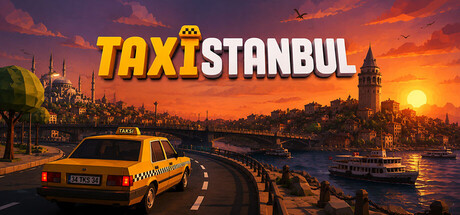
Some sound effects were created with AI tools, and a small number of background 3D assets were initially AI-generated, then manually optimized. Parts of the promotional artwork were made with AI assistance. Everything else, including all gameplay systems, the driving and economy mechanics, and the street-by-street recreation of Istanbul's historic peninsula, is hand-crafted by a solo developer.
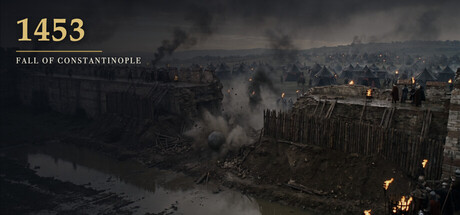
1453 contains pre-generated AI content: in-game illustrations and short ambient video clips created with generative image/video tools, curated and edited under human art direction and reviewed for historical accuracy. The narrative text is human–AI co-written and human-edited under the author's direction; the game design is the author's. No AI content is generated at runtime.
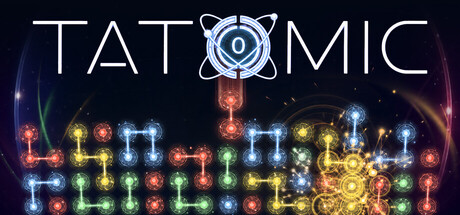
Tatomic was originally created in 2008 for the first-generation iPhone, with artwork designed for its 480 × 320 display.
Generative AI was used only to upscale and recreate the original artwork at higher resolutions while preserving the game’s original visual style. No generative AI was used to create the game’s design, gameplay, sound effects, music, or original art direction.
Generative AI was used as a supporting tool during solo development, mainly to find technical information faster, compare possible solutions, check code, organize notes, and explore early ideas. It saves a lot of time that would otherwise be spent searching through browser tabs and documentation. I also use it to help with translations. The game’s design, development decisions, implementation, and final content remain entirely under my control.. The game does not generate AI content during gameplay.
Generative AI was used for brainstorming concepts and ideas during the design process, as well as for creating a few 2D visual assets and posters within the game environment.
This game was developed using generative AI during production. Generative AI was used to create the game's code, artwork, visual assets, user interface, music, sound effects, and text. All AI-generated content was reviewed, tested, curated, and integrated into the final game by the developer. The game does not generate AI content during gameplay.
Some objects, textures, images, and audio assets in this game were created or enhanced using generative artificial intelligence. All AI-generated content has been reviewed, edited, and integrated by the developer as part of the game's artistic vision.
We use generative AI to generate and enchance existing UI Assets as well as helping us generate our logos and sprites as we don't have a artist for this.
Generative AI tools were used as supportive measures during the development process in the following areas:
- Localization: AI was used to assist with text translation and editing across supported languages.
- Sound Design: AI tools may be used for generating foundational sound elements.
Generative AI was used to assist in creating some UI elements and sound effects. All AI-generated assets were reviewed and edited by the developer before being included in the game.
Generative AI was used to assist with initial drafts of some localized text. All final translations were manually reviewed and edited.
No AI-generated artwork, animation, audio, code, or live-generated content is included in the game. All visual assets shown in the game and on the store page were created by human artists.
AI tools (coding assistants) were used to help write portions of the game's source code during development. All art, music, and game content shipped in the product are hand-authored or procedurally generated by our own code; no generative AI is used to produce any assets, and no AI generates content at runtime.
Basically, I write software for a living but I was not a video game dev, so I used some coding assistants to help me out with areas I was less familiar.
Generative AI was used only for creating some logos and images. All generated assets were reviewed and refined by the developer before being included in the game.
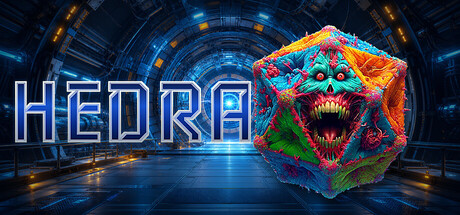
Hedra began as a physical board game designed and refined by one human developer over ten years. Nearly all of the tabletop game was created without generative AI; AI had a limited role in balance analysis. For the digital edition, AI tools played a substantial role in programming and technical development, including the original web app and its conversion into a desktop game. Most of Hedra's visual artwork was created with generative AI tools, then selected, reviewed, and integrated by the developer. The game contains pre-generated AI-assisted content. It does not generate artwork, text, audio, or other content while you play.
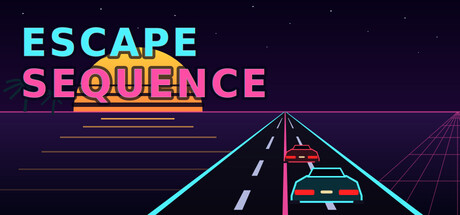
AI tools were used during development to assist with writing code, and to produce two categories of content shipped with the game: the original synthwave soundtrack (composed with AI music generation, curated and selected by the developer) and the interface translations for the non-English languages (reviewed by the developer). Some store page text was also drafted with AI assistance. All in-game worlds are generated procedurally by hand-written algorithms — no AI content is generated at runtime.
This game uses content created or assisted by generative AI. Generative AI was used to help create and edit some visual assets, music/sound materials, and scripts. All final content was reviewed, selected, and adjusted by the developer before being included in the game.
Some art assets in this game were created with the aid of AI image-generation tools, then edited and composited by the developer. The musical score was composed using Suno. All writing, design, and direction are by the developer. We have taken steps to ensure the AI tools used were operated in a manner consistent with their terms of service.
During the development of this game, some 3D scene models were created with the assistance of the Rodin AI Hyper tool. All AI-generated base models have undergone manual adjustment, optimization, and review by our development team to ensure they conform to the game’s artistic style and quality standards
After the creation of assets by an artist, the team used gen AI to generate backdrops for assets, and general backgrounds.
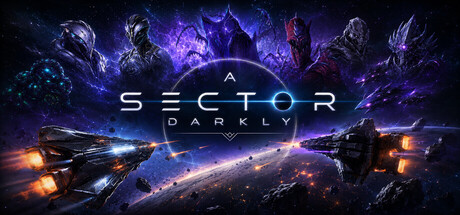
Gen AI was used to amalgamate artist created assets into grouped assets. E.g. the aliens which were created by the artist are then rendered together by AI for a promotional image.
This means only the back scape mainly promotional artwork and character backgrounds were generated by AI.
The development of The Rug Racket used generative AI tools to assist in creating some of the content included in the game, such as art assets, as well as in the creation of the game's store page and marketing materials. All AI-assisted content was reviewed by the development team prior to release.
Dieses Spiel enthält vorab erstellte Inhalte, die teilweise mit Unterstützung generativer KI-Tools erstellt wurden. Dazu können einzelne Grafiken, Icons, Textentwürfe, Beschreibungen, Dialoge oder Lokalisierungstexte gehören. Alle KI-unterstützten Inhalte wurden vom Entwickler geprüft, ausgewählt und bei Bedarf manuell überarbeitet, damit sie zum Stil, zur Handlung und zur Qualität des Spiels passen. Während des Spielens werden keine neuen Inhalte durch KI generiert.
AI support was used solely for coding support during the game's development process. There is no AI system actively running during gameplay, generating real-time content, or connecting to an external AI service. Beyond the game's coding, the graphics, story, music, and other creative content were entirely created by human effort.
This game includes pre-generated AI-assisted visual/audio/text assets that were selected, edited, and integrated by the developer. The game does not use live-generated AI during play.
Some visual assets, promotional artwork, and portions of the localization were created or assisted using generative AI during development. All AI-assisted content was reviewed, edited, and integrated by the development team. The game does not generate AI content during gameplay.
What type of code?
Game logic, UI systems, audio management, and narrative engine code written in Python with PySide6.
How are you using it?
AI (Claude) was used as a coding assistant during development. The developer directed all features, reviewed all generated code, tested functionality, and made final implementation decisions. The AI assisted with writing and debugging code based on human specifications.
(AI was used as a coding assistant. All code was human-reviewed, tested, and approved before implementation. The game is offline single-player with no features that could enable malicious use.)
The game utilizes pre-generated AI content for early concept references, Store Page promotional artwork, and in-game localization. All AI-assisted assets are manually edited to match the game's aesthetic. I plan to continuously review, refine, and potentially replace these assets throughout development to ensure a polished, high-quality, and consistent experience for the official full release.
Some visual assets in the game were created with the assistance of generative AI tools. All gameplay systems, mechanics, and interactive content were developed by the team.
We have only used Gen AI for the purposes of creating and placing the Capsule Art of the game.
We will be replacing the capsule art with our in-house capsule art.
During development, AI-assisted and AI-generated tools were used for pre-generated player-facing content.
Our production workflow combines original human-created assets with AI-assisted or AI-generated content. AI tools were used to assist with text translation/localization, visual asset modification and refinement, and the generation of certain audio assets.
Most final assets are the result of a mixed workflow: they may include both original developer-created elements and AI-assisted or AI-generated elements. All final text, visual, and audio assets included in the game have been manually reviewed, edited, selected, and approved by the development team.
The game does not include live-generated AI content. It does not generate new text, images, audio, or other player-facing content through AI during gameplay.
Generative AI tools were used during development to assist with selected pre-generated visual assets, promotional artwork, store-page materials, text, and code. All AI-assisted content was reviewed and edited by the developer before inclusion. The game does not generate AI content while running.
Some sound effects were created with AI tools, and a small number of background 3D assets were initially AI-generated, then manually optimized. Parts of the promotional artwork were made with AI assistance. Everything else, including all gameplay systems, the driving and economy mechanics, and the street-by-street recreation of Istanbul's historic peninsula, is hand-crafted by a solo developer.
1453 contains pre-generated AI content: in-game illustrations and short ambient video clips created with generative image/video tools, curated and edited under human art direction and reviewed for historical accuracy. The narrative text is human–AI co-written and human-edited under the author's direction; the game design is the author's. No AI content is generated at runtime.
Tatomic was originally created in 2008 for the first-generation iPhone, with artwork designed for its 480 × 320 display.
Generative AI was used only to upscale and recreate the original artwork at higher resolutions while preserving the game’s original visual style. No generative AI was used to create the game’s design, gameplay, sound effects, music, or original art direction.
Generative AI was used as a supporting tool during solo development, mainly to find technical information faster, compare possible solutions, check code, organize notes, and explore early ideas. It saves a lot of time that would otherwise be spent searching through browser tabs and documentation. I also use it to help with translations. The game’s design, development decisions, implementation, and final content remain entirely under my control.. The game does not generate AI content during gameplay.
Generative AI was used for brainstorming concepts and ideas during the design process, as well as for creating a few 2D visual assets and posters within the game environment.
This game was developed using generative AI during production. Generative AI was used to create the game's code, artwork, visual assets, user interface, music, sound effects, and text. All AI-generated content was reviewed, tested, curated, and integrated into the final game by the developer. The game does not generate AI content during gameplay.
Some objects, textures, images, and audio assets in this game were created or enhanced using generative artificial intelligence. All AI-generated content has been reviewed, edited, and integrated by the developer as part of the game's artistic vision.
We use generative AI to generate and enchance existing UI Assets as well as helping us generate our logos and sprites as we don't have a artist for this.
Generative AI tools were used as supportive measures during the development process in the following areas:
- Localization: AI was used to assist with text translation and editing across supported languages.
- Sound Design: AI tools may be used for generating foundational sound elements.
Generative AI was used to assist in creating some UI elements and sound effects. All AI-generated assets were reviewed and edited by the developer before being included in the game.
Generative AI was used to assist with initial drafts of some localized text. All final translations were manually reviewed and edited.
No AI-generated artwork, animation, audio, code, or live-generated content is included in the game. All visual assets shown in the game and on the store page were created by human artists.
AI tools (coding assistants) were used to help write portions of the game's source code during development. All art, music, and game content shipped in the product are hand-authored or procedurally generated by our own code; no generative AI is used to produce any assets, and no AI generates content at runtime.
Basically, I write software for a living but I was not a video game dev, so I used some coding assistants to help me out with areas I was less familiar.
Generative AI was used only for creating some logos and images. All generated assets were reviewed and refined by the developer before being included in the game.
Hedra began as a physical board game designed and refined by one human developer over ten years. Nearly all of the tabletop game was created without generative AI; AI had a limited role in balance analysis. For the digital edition, AI tools played a substantial role in programming and technical development, including the original web app and its conversion into a desktop game. Most of Hedra's visual artwork was created with generative AI tools, then selected, reviewed, and integrated by the developer. The game contains pre-generated AI-assisted content. It does not generate artwork, text, audio, or other content while you play.
AI tools were used during development to assist with writing code, and to produce two categories of content shipped with the game: the original synthwave soundtrack (composed with AI music generation, curated and selected by the developer) and the interface translations for the non-English languages (reviewed by the developer). Some store page text was also drafted with AI assistance. All in-game worlds are generated procedurally by hand-written algorithms — no AI content is generated at runtime.
This game uses content created or assisted by generative AI. Generative AI was used to help create and edit some visual assets, music/sound materials, and scripts. All final content was reviewed, selected, and adjusted by the developer before being included in the game.
Some art assets in this game were created with the aid of AI image-generation tools, then edited and composited by the developer. The musical score was composed using Suno. All writing, design, and direction are by the developer. We have taken steps to ensure the AI tools used were operated in a manner consistent with their terms of service.
During the development of this game, some 3D scene models were created with the assistance of the Rodin AI Hyper tool. All AI-generated base models have undergone manual adjustment, optimization, and review by our development team to ensure they conform to the game’s artistic style and quality standards
After the creation of assets by an artist, the team used gen AI to generate backdrops for assets, and general backgrounds.
Gen AI was used to amalgamate artist created assets into grouped assets. E.g. the aliens which were created by the artist are then rendered together by AI for a promotional image.
This means only the back scape mainly promotional artwork and character backgrounds were generated by AI.
The development of The Rug Racket used generative AI tools to assist in creating some of the content included in the game, such as art assets, as well as in the creation of the game's store page and marketing materials. All AI-assisted content was reviewed by the development team prior to release.
Dieses Spiel enthält vorab erstellte Inhalte, die teilweise mit Unterstützung generativer KI-Tools erstellt wurden. Dazu können einzelne Grafiken, Icons, Textentwürfe, Beschreibungen, Dialoge oder Lokalisierungstexte gehören. Alle KI-unterstützten Inhalte wurden vom Entwickler geprüft, ausgewählt und bei Bedarf manuell überarbeitet, damit sie zum Stil, zur Handlung und zur Qualität des Spiels passen. Während des Spielens werden keine neuen Inhalte durch KI generiert.
AI support was used solely for coding support during the game's development process. There is no AI system actively running during gameplay, generating real-time content, or connecting to an external AI service. Beyond the game's coding, the graphics, story, music, and other creative content were entirely created by human effort.
This game includes pre-generated AI-assisted visual/audio/text assets that were selected, edited, and integrated by the developer. The game does not use live-generated AI during play.
Some visual assets, promotional artwork, and portions of the localization were created or assisted using generative AI during development. All AI-assisted content was reviewed, edited, and integrated by the development team. The game does not generate AI content during gameplay.
What type of code?
Game logic, UI systems, audio management, and narrative engine code written in Python with PySide6.
How are you using it?
AI (Claude) was used as a coding assistant during development. The developer directed all features, reviewed all generated code, tested functionality, and made final implementation decisions. The AI assisted with writing and debugging code based on human specifications.
(AI was used as a coding assistant. All code was human-reviewed, tested, and approved before implementation. The game is offline single-player with no features that could enable malicious use.)
The game utilizes pre-generated AI content for early concept references, Store Page promotional artwork, and in-game localization. All AI-assisted assets are manually edited to match the game's aesthetic. I plan to continuously review, refine, and potentially replace these assets throughout development to ensure a polished, high-quality, and consistent experience for the official full release.
Some visual assets in the game were created with the assistance of generative AI tools. All gameplay systems, mechanics, and interactive content were developed by the team.
We have only used Gen AI for the purposes of creating and placing the Capsule Art of the game.
We will be replacing the capsule art with our in-house capsule art.
During development, AI-assisted and AI-generated tools were used for pre-generated player-facing content.
Our production workflow combines original human-created assets with AI-assisted or AI-generated content. AI tools were used to assist with text translation/localization, visual asset modification and refinement, and the generation of certain audio assets.
Most final assets are the result of a mixed workflow: they may include both original developer-created elements and AI-assisted or AI-generated elements. All final text, visual, and audio assets included in the game have been manually reviewed, edited, selected, and approved by the development team.
The game does not include live-generated AI content. It does not generate new text, images, audio, or other player-facing content through AI during gameplay.
Generative AI tools were used during development to assist with selected pre-generated visual assets, promotional artwork, store-page materials, text, and code. All AI-assisted content was reviewed and edited by the developer before inclusion. The game does not generate AI content while running.