Public Steam disclosure research25,508 disclosures tracked
Where do games disclose AI use?
Search developers’ Steam disclosures, compare classified AI use across
games, and follow recorded changes.
This index adds cross-game classifications and statistics to
statements published on individual store pages.
Groups reflect automatic analysis of public disclosures; mature records are excluded. These counts do not measure AI use across all of Steam.
Missing or unclear statements cannot establish whether a game uses AI.
This game utilized generative AI technology during development. Scene background artwork and food dish images were created with the assistance of AI image generation tools. Portions of the game code were written with the help of AI coding assistants. All AI-generated content has been manually curated, adjusted, and refined to ensure a consistent visual style and gameplay experience.
Some visual assets and visual reference material used during development were created with the assistance of generative AI tools.
All final assets are reviewed, edited, and curated by me before use. I use these tools to support and enhance my own ideas and designs, not to replace the creative process.
Generative AI tools (Leonardo.ai, Meshy.ai) are used to create some pre-rendered art assets and 3D model prototypes, which are then edited and art-directed by the developer. AI audio tools are used for some sound assets. All AI-generated content is reviewed and integrated by the developer; we have rights to use these outputs commercially per the tools' licensing terms.
Some audio assets in this game (music and sound effects) were created with the assistance of AI-based generation tools. All AI-generated content was reviewed by the developer to ensure it is appropriate and does not infringe third-party rights.
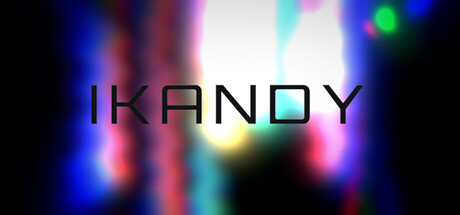
IKANDY includes an optional AI scene generator. When you choose to use it, it creates new audio-reactive visual scenes in real time from a text prompt you write. This content is generated live, only when you request it, using an AI service you connect with your own API key. Not required to use IKANDY. Some of IKANDY's artwork and promotional media (key art, trailer visuals and music, and some in-app imagery) was created with generative AI tools and is reviewed by the developer.
This game includes some AI-assisted music and Steam store marketing assets created during development. All such content was reviewed and integrated by the developer. No AI-generated content is created during gameplay, and players cannot generate AI content within the game.
AI tools were used to assist with promotional artwork, capsule art, and visual concept iteration for The Big Suck. Final art direction, selection, editing, game design, programming, balancing, and implementation were done by the developer. AI was used as a creative production aid for a small indie project, not as live-generated gameplay content.
Some of this game's code and the tools that procedurally generate its visual assets were created with the assistance of an AI development assistant. All output was reviewed, edited, and tested by the developer. The game contains no AI-generated artwork from image-generation models, and no AI runs during gameplay.
This game actively supports human creativity, notably musicians and programmers - but uses AI in the design of marketing materials and some aspects of software development. Neither the game itself - nor the procedural generation techniques used to create the world, music, or audio - use AI or AI-generated art.
This game was developed with the assistance of AI-generated tools. Some visual assets (character illustrations, UI elements, and sprite concepts) were created or refined using AI image generation tools. Portions of the codebase were also developed with AI coding assistance. All AI-generated content was reviewed, curated, and integrated manually by the developer.
Generative AI was used to assist in creating some visual assets during development. All final in-game artwork was manually retouched and finalized by human artists.
Some visual assets were created with the assistance of generative AI tools and then manually edited, adjusted, and finalized by the developer. The game does not use real-time generative AI during gameplay.
Generative artificial intelligence has been used to create and assist with pre-rendered graphic assets included in the final product. Specifically, it was employed to generate loading screen illustrations, the cover art design (acting as a filter), and sprites for certain enemies and minor environmental elements. All content was reviewed, edited, and statically packaged prior to distribution and use in the game.
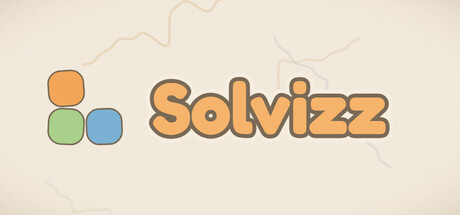
Solvizz was designed, written, and hand-crafted by a small team, but generative AI played a supporting role in parts of production. Specifically, some placeholder art (achievement icons, region glyph references) and placeholder audio (background music tracks and sound effects) were generated with AI tooling to prototype the game's mood before final assets. AI was also used as a coding assistant during development. All puzzle design, game mechanics, story, level content, and code decisions were authored and reviewed by humans. No player-submitted data is sent to any AI system at runtime — the game is fully offline.
(This text was also generated with the help of AI)
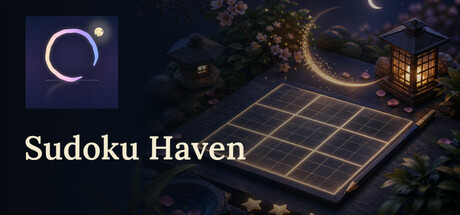
Some of this game's images and artwork, its background music, and parts of its translated text were created with the help of generative AI tools. All AI-assisted content was reviewed by the developer before being included. The Sudoku puzzles themselves are generated by traditional (non-AI) algorithms, and no content is generated by AI while you play.
Idle Startup is made by a solo developer with the help of generative AI. The milestone background artwork — the illustrations that unlock as each skill levels up — is generated with AI image tools and then selected and curated by the developer. The game's code is also written with the assistance of AI coding tools. All music and sound effects are generated procedurally in code, the interface art and icons are hand-drawn, and all in-game text is written by the developer.
This game uses generative AI tools to assist with the creation of some pre-rendered visual assets and marketing materials. No live AI-generated content is created during gameplay. All AI-assisted content is reviewed and edited by the developer before release.
ransparency Regarding AI Usage:
We believe in being open with our community. To create a richer world, some of the music and text content in this game were generated using AI. Our development team also utilized AI coding assistants to help accelerate the development process. We understand the community's perspective on AI, and please be assured that all AI-generated assets have been strictly reviewed and refined by our human team. Thank you for your support and understanding!
The artwork in Wizard Gold was created with the help of generative AI tools, then edited and refined by the developer. No content is generated by AI during game play.
Some album artwork and illustrations are created with the assistance of AI generation tools during the production process. AI-generated outputs are used only as drafts or production aids. All such materials are carefully selected, modified, edited, and post-processed by our development team to create the final content. Every AI-assisted asset included in the game is finalized through the creative judgment and thorough review of our development team.
Generative AI was used to assist with multilingual localization of menus, help text, store page text, and UI text.
All source text was written by the developer, and the final text was implemented by the developer.
No live-generated AI content is used during gameplay.
Generative AI tools were used during the development of this game to assist with programming, game logic implementation, written content, visual assets, and other development workflows. AI-generated code, text, images, and design elements were reviewed, modified, and approved by the developer before being included in the final product.
This game uses generative AI as part of its asset production workflow. AI tools were used to help create and iterate on certain visual materials, including pixel-art characters, enemies, effects, music, and promotional images. These outputs were reviewed, selected, and integrated by the developer to match the game’s intended style and experience.
Generative AI is not used to produce personalized content from player input during gameplay, and the game does not rely on AI-generated responses or live AI systems while running.
Generative AI was used as a production tool to help create and refine some static visual assets, including illustrations, backgrounds, CG images, promotional artwork, and Steam library images. It was also used to assist with translation drafts. All final assets and text were reviewed and edited manually before being included in the game.
This game utilized generative AI technology during development. Scene background artwork and food dish images were created with the assistance of AI image generation tools. Portions of the game code were written with the help of AI coding assistants. All AI-generated content has been manually curated, adjusted, and refined to ensure a consistent visual style and gameplay experience.
Some visual assets and visual reference material used during development were created with the assistance of generative AI tools.
All final assets are reviewed, edited, and curated by me before use. I use these tools to support and enhance my own ideas and designs, not to replace the creative process.
Generative AI tools (Leonardo.ai, Meshy.ai) are used to create some pre-rendered art assets and 3D model prototypes, which are then edited and art-directed by the developer. AI audio tools are used for some sound assets. All AI-generated content is reviewed and integrated by the developer; we have rights to use these outputs commercially per the tools' licensing terms.
Some audio assets in this game (music and sound effects) were created with the assistance of AI-based generation tools. All AI-generated content was reviewed by the developer to ensure it is appropriate and does not infringe third-party rights.
IKANDY includes an optional AI scene generator. When you choose to use it, it creates new audio-reactive visual scenes in real time from a text prompt you write. This content is generated live, only when you request it, using an AI service you connect with your own API key. Not required to use IKANDY. Some of IKANDY's artwork and promotional media (key art, trailer visuals and music, and some in-app imagery) was created with generative AI tools and is reviewed by the developer.
This game includes some AI-assisted music and Steam store marketing assets created during development. All such content was reviewed and integrated by the developer. No AI-generated content is created during gameplay, and players cannot generate AI content within the game.
AI tools were used to assist with promotional artwork, capsule art, and visual concept iteration for The Big Suck. Final art direction, selection, editing, game design, programming, balancing, and implementation were done by the developer. AI was used as a creative production aid for a small indie project, not as live-generated gameplay content.
Some of this game's code and the tools that procedurally generate its visual assets were created with the assistance of an AI development assistant. All output was reviewed, edited, and tested by the developer. The game contains no AI-generated artwork from image-generation models, and no AI runs during gameplay.
This game actively supports human creativity, notably musicians and programmers - but uses AI in the design of marketing materials and some aspects of software development. Neither the game itself - nor the procedural generation techniques used to create the world, music, or audio - use AI or AI-generated art.
This game was developed with the assistance of AI-generated tools. Some visual assets (character illustrations, UI elements, and sprite concepts) were created or refined using AI image generation tools. Portions of the codebase were also developed with AI coding assistance. All AI-generated content was reviewed, curated, and integrated manually by the developer.
Generative AI was used to assist in creating some visual assets during development. All final in-game artwork was manually retouched and finalized by human artists.
Some visual assets were created with the assistance of generative AI tools and then manually edited, adjusted, and finalized by the developer. The game does not use real-time generative AI during gameplay.
Generative artificial intelligence has been used to create and assist with pre-rendered graphic assets included in the final product. Specifically, it was employed to generate loading screen illustrations, the cover art design (acting as a filter), and sprites for certain enemies and minor environmental elements. All content was reviewed, edited, and statically packaged prior to distribution and use in the game.
Solvizz was designed, written, and hand-crafted by a small team, but generative AI played a supporting role in parts of production. Specifically, some placeholder art (achievement icons, region glyph references) and placeholder audio (background music tracks and sound effects) were generated with AI tooling to prototype the game's mood before final assets. AI was also used as a coding assistant during development. All puzzle design, game mechanics, story, level content, and code decisions were authored and reviewed by humans. No player-submitted data is sent to any AI system at runtime — the game is fully offline.
(This text was also generated with the help of AI)
Some of this game's images and artwork, its background music, and parts of its translated text were created with the help of generative AI tools. All AI-assisted content was reviewed by the developer before being included. The Sudoku puzzles themselves are generated by traditional (non-AI) algorithms, and no content is generated by AI while you play.
Idle Startup is made by a solo developer with the help of generative AI. The milestone background artwork — the illustrations that unlock as each skill levels up — is generated with AI image tools and then selected and curated by the developer. The game's code is also written with the assistance of AI coding tools. All music and sound effects are generated procedurally in code, the interface art and icons are hand-drawn, and all in-game text is written by the developer.
This game uses generative AI tools to assist with the creation of some pre-rendered visual assets and marketing materials. No live AI-generated content is created during gameplay. All AI-assisted content is reviewed and edited by the developer before release.
ransparency Regarding AI Usage:
We believe in being open with our community. To create a richer world, some of the music and text content in this game were generated using AI. Our development team also utilized AI coding assistants to help accelerate the development process. We understand the community's perspective on AI, and please be assured that all AI-generated assets have been strictly reviewed and refined by our human team. Thank you for your support and understanding!
The artwork in Wizard Gold was created with the help of generative AI tools, then edited and refined by the developer. No content is generated by AI during game play.
Some album artwork and illustrations are created with the assistance of AI generation tools during the production process. AI-generated outputs are used only as drafts or production aids. All such materials are carefully selected, modified, edited, and post-processed by our development team to create the final content. Every AI-assisted asset included in the game is finalized through the creative judgment and thorough review of our development team.
Generative AI was used to assist with multilingual localization of menus, help text, store page text, and UI text.
All source text was written by the developer, and the final text was implemented by the developer.
No live-generated AI content is used during gameplay.
Generative AI tools were used during the development of this game to assist with programming, game logic implementation, written content, visual assets, and other development workflows. AI-generated code, text, images, and design elements were reviewed, modified, and approved by the developer before being included in the final product.
This game uses generative AI as part of its asset production workflow. AI tools were used to help create and iterate on certain visual materials, including pixel-art characters, enemies, effects, music, and promotional images. These outputs were reviewed, selected, and integrated by the developer to match the game’s intended style and experience.
Generative AI is not used to produce personalized content from player input during gameplay, and the game does not rely on AI-generated responses or live AI systems while running.
Generative AI was used as a production tool to help create and refine some static visual assets, including illustrations, backgrounds, CG images, promotional artwork, and Steam library images. It was also used to assist with translation drafts. All final assets and text were reviewed and edited manually before being included in the game.