Public Steam disclosure research25,380 disclosures tracked
Where do games disclose AI use?
Search developers’ Steam disclosures, compare classified AI use across
games, and follow recorded changes.
This index adds cross-game classifications and statistics to
statements published on individual store pages.
Groups reflect automatic analysis of public disclosures; mature records are excluded. These counts do not measure AI use across all of Steam.
Missing or unclear statements cannot establish whether a game uses AI.
The game uses multiple AI characters, each with unique memories and re-collections to participate in a group conversation where they try to deduce who is the killer (the player). Essentially a reverse Turing-test with bells and whistles.
Players’ use of AI in our game:
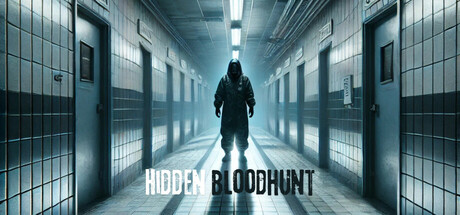
In Hidden Bloodhunt, artificial intelligence is not used directly by players. All AI content is fully integrated into the game during development and is not modifiable or generable by the community.
Tool-created assets used for certain aspects of the game (e.g. synthetic voices) have been carefully reviewed prior to release to ensure compliance with intellectual property laws and relevance to the gameplay experience.
This means that players interact with fixed content only, with no ability to generate or use AI assets themselves.
Images on the store page include those created using AI-generated elements. Over half of the 3D objects in the game were generated with the help of AI. When creating in-game music, AI was used as a tool to assist in searching for sample audio sources. The in-game text was also created with AI assistance.
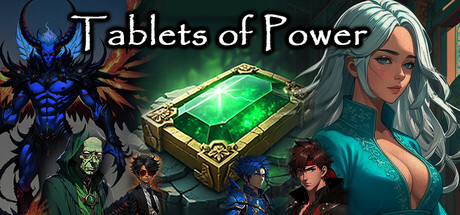
I've used AI technology to generate the character portraits in my game and marketing material to add a unique touch to the visual experience outside of the retro look. Thanks for your understanding and support! Enjoy the adventure!
Generative AI tools were used as part of the development workflow for programming assistance, debugging support, implementation planning, and visual refinement.
AI-assisted visual workflows were used to explore, refine, or produce some visual elements. All such content was reviewed and integrated manually by the developer.
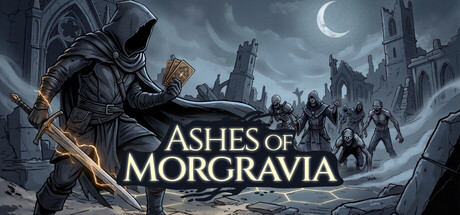
Ashes of Morgravia does not use live generative AI during gameplay. The game does not generate AI content at runtime and does not send player input to AI services.
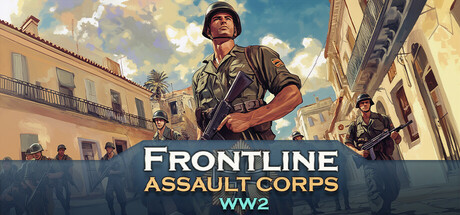
Based on our Frontline 1 assets, we've leveraged the innovative capabilities of Midjourney to elevate our visuals by enhancing the graphics for some of the background & art images.
All visual art and assets in Nightmare Frontier were created entirely by human hands; no art assets in the game have been generated or assisted by AI.
Our use of AI is strictly limited to translation and localization. Specifically, AI-powered translation tools were used to help adapt and refine the game's text across different languages.
The "store assets" and the "libary assets" were made using chatgpt/gemini
additionally the bottom section of territory card images were made with chatgpt (the person, horse and cannon) see the last screenshot
I believe everything else was created by me/sourced from other websites
I also used chatgpt to help write/debug some code
Use for background in title page, card backs and main menu background. Some menu options.
Plan is to replace these eventually but on launch, there will be some AI content
We've harnessed the power of Generative AI technology to create several of our game's unique theme background artworks, enhancing your gaming experience with visually stunning designs.
All card art is created by Wise Wizard Games' incredibly-talented full-time lead artist. He used AI tools to iterate on, refine, and polish each of the 321 unique pieces of art. Other artists on our team also used AI tools to create animations based on the card art.
Some use of AI to generate background music, text or other artwork that is then heavily edited and vetted and appears in the game seamlessly with the large amount of hand-made artwork, to help fill gaps in a small low-budget production and enhance the overall experience.
Some of the art in the game is made with the help of generative AI. This involves generating images from hand-drawn sketches, generating art with AI iteratively, painting over and modifying AI generated art, and fine-tuning art both hand-made and AI generated.
In our game, we utilize Artificial Intelligence (AI) technology to generate some of the card images you will encounter during gameplay. This innovative approach allows us to create unique and diverse visuals that enhance your gaming experience. Please note that these images are pre-rendered using AI before being implemented into the game, ensuring both quality and compliance with copyright standards.
We are committed to transparency and adherence to digital content standards, ensuring that all AI-generated images comply with current copyright laws and platform guidelines. If you have any concerns about the content or have feedback regarding the AI-generated images, please feel free to reach out to us through the Steam community page or directly via our support channels.
I used generative AI as part of my process for creating images and text for monsters and NPCs. To do so, I have a proprietary way I generate and tune the prompt that feed the system, followed by multiple-post processing steps to generate the images and text you see in the game.
Some character portraits and visual elements were created with the assistance of generative AI tools as part of the art production process. All assets were curated, edited, and integrated to maintain a consistent artistic direction. As the game continues development, certain visual elements may be refined or replaced. AI-assisted tools may also be used to support translations.
Some pre-rendered cover and background art in this game were created using AI-assisted tools to enhance the visual experience. All assets are carefully reviewed and edited to maintain artistic quality and integrity.
Weapon, armor and spell icon images has been created by using AI. The game has been translated using AI in some cases (Not English, Korean, Swedish or Brazilian Portuguese).
LLMs were used to assist with the text descriptions for the store page. LLMs were used to assist with the coding and coding research for scripts. Art background and character models are at least partially AI.
Tile images, background images, character images, and a few city assets were generated via Generative AI. Also, most sound effects were generated via Generative AI.
The game uses multiple AI characters, each with unique memories and re-collections to participate in a group conversation where they try to deduce who is the killer (the player). Essentially a reverse Turing-test with bells and whistles.
Players’ use of AI in our game:
In Hidden Bloodhunt, artificial intelligence is not used directly by players. All AI content is fully integrated into the game during development and is not modifiable or generable by the community.
Tool-created assets used for certain aspects of the game (e.g. synthetic voices) have been carefully reviewed prior to release to ensure compliance with intellectual property laws and relevance to the gameplay experience.
This means that players interact with fixed content only, with no ability to generate or use AI assets themselves.
Images on the store page include those created using AI-generated elements. Over half of the 3D objects in the game were generated with the help of AI. When creating in-game music, AI was used as a tool to assist in searching for sample audio sources. The in-game text was also created with AI assistance.
I've used AI technology to generate the character portraits in my game and marketing material to add a unique touch to the visual experience outside of the retro look. Thanks for your understanding and support! Enjoy the adventure!
Generative AI tools were used as part of the development workflow for programming assistance, debugging support, implementation planning, and visual refinement.
AI-assisted visual workflows were used to explore, refine, or produce some visual elements. All such content was reviewed and integrated manually by the developer.
Ashes of Morgravia does not use live generative AI during gameplay. The game does not generate AI content at runtime and does not send player input to AI services.
Based on our Frontline 1 assets, we've leveraged the innovative capabilities of Midjourney to elevate our visuals by enhancing the graphics for some of the background & art images.
All visual art and assets in Nightmare Frontier were created entirely by human hands; no art assets in the game have been generated or assisted by AI.
Our use of AI is strictly limited to translation and localization. Specifically, AI-powered translation tools were used to help adapt and refine the game's text across different languages.
The "store assets" and the "libary assets" were made using chatgpt/gemini
additionally the bottom section of territory card images were made with chatgpt (the person, horse and cannon) see the last screenshot
I believe everything else was created by me/sourced from other websites
I also used chatgpt to help write/debug some code
Use for background in title page, card backs and main menu background. Some menu options.
Plan is to replace these eventually but on launch, there will be some AI content
We've harnessed the power of Generative AI technology to create several of our game's unique theme background artworks, enhancing your gaming experience with visually stunning designs.
All card art is created by Wise Wizard Games' incredibly-talented full-time lead artist. He used AI tools to iterate on, refine, and polish each of the 321 unique pieces of art. Other artists on our team also used AI tools to create animations based on the card art.
Some use of AI to generate background music, text or other artwork that is then heavily edited and vetted and appears in the game seamlessly with the large amount of hand-made artwork, to help fill gaps in a small low-budget production and enhance the overall experience.
Some of the art in the game is made with the help of generative AI. This involves generating images from hand-drawn sketches, generating art with AI iteratively, painting over and modifying AI generated art, and fine-tuning art both hand-made and AI generated.
In our game, we utilize Artificial Intelligence (AI) technology to generate some of the card images you will encounter during gameplay. This innovative approach allows us to create unique and diverse visuals that enhance your gaming experience. Please note that these images are pre-rendered using AI before being implemented into the game, ensuring both quality and compliance with copyright standards.
We are committed to transparency and adherence to digital content standards, ensuring that all AI-generated images comply with current copyright laws and platform guidelines. If you have any concerns about the content or have feedback regarding the AI-generated images, please feel free to reach out to us through the Steam community page or directly via our support channels.
I used generative AI as part of my process for creating images and text for monsters and NPCs. To do so, I have a proprietary way I generate and tune the prompt that feed the system, followed by multiple-post processing steps to generate the images and text you see in the game.
Some character portraits and visual elements were created with the assistance of generative AI tools as part of the art production process. All assets were curated, edited, and integrated to maintain a consistent artistic direction. As the game continues development, certain visual elements may be refined or replaced. AI-assisted tools may also be used to support translations.
Some pre-rendered cover and background art in this game were created using AI-assisted tools to enhance the visual experience. All assets are carefully reviewed and edited to maintain artistic quality and integrity.
Weapon, armor and spell icon images has been created by using AI. The game has been translated using AI in some cases (Not English, Korean, Swedish or Brazilian Portuguese).
LLMs were used to assist with the text descriptions for the store page. LLMs were used to assist with the coding and coding research for scripts. Art background and character models are at least partially AI.
Tile images, background images, character images, and a few city assets were generated via Generative AI. Also, most sound effects were generated via Generative AI.