








Disclosure
Ingame textures and images.
- Creator
- Omne Lab
- Reviews
- -
- Added
- Jun 3, 2026
Public Steam disclosure research 25,508 disclosures tracked
Search developers’ Steam disclosures, compare classified AI use across games, and follow recorded changes. This index adds cross-game classifications and statistics to statements published on individual store pages.
Code help, debugging and other development work.
Capsule art, trailers and promotional material.
Pre-made art, audio, writing and other game assets.
Interactive or runtime AI features disclosed by the developer.
Groups reflect automatic analysis of public disclosures; mature records are excluded. These counts do not measure AI use across all of Steam. Missing or unclear statements cannot establish whether a game uses AI.
Ingame textures and images.
Some vfx sprite sheets and art were generated and then photoshopped and shaders added. I generated some images 100 plus times to make sure the style didn't drift. I photoshopped AI images to get what I wanted. AI generated images were guided by my thoughts the entire time.
FLATLINE utilizes advanced generative AI technologies to enhance both the visual and interactive experience: Visual Assets (Pre-generated): To achieve the unique aesthetic of "clean decay" and the massive brutalist landscapes of London 2036, we employed AI-rendering tools (Nanobanana and Veo). All images and video sequences were pre-generated and underwent meticulous manual post-processing to align with the project’s artistic vision. Interactivity (Live-generated): The episode’s climax features a live dialogue with the system "Anomaly." This character’s responses are generated in real-time using the GPT-4 model, allowing each player to find their own unique arguments in the final confrontation with the network. We use AI as a force-multiplier for a solo creator, enabling the realization of a world that would otherwise be impossible to build at this scale using traditional methods
Some visual assets and promotional materials for Frozen Christmas Magic: Santa’s Hidden Village were created with the assistance of generative AI tools, then manually directed, selected, edited and integrated by the developer as part of the game’s artistic production pipeline. No real-time generative AI is used during gameplay.
AI is used for backgrounds, textures, and movies.
This title was developed with substantial assistance from generative AI.[Store Assets — Visual Content]The key visual, store capsule images, library assets (including the library hero), and certain screenshot backgrounds were produced using image generation AI ("Midjourney v7 / Niji v7") under a commercial license (Standard tier).[Source Code, Game Design, and In-Game Text]The C++ source code, data structures, system architecture, gameplay mechanics specifications, in-game text, item naming conventions, job names, and skill names were developed in collaboration with conversational AI ("Claude" by Anthropic and "Gemini" by Google).[The Developer's Role]Quench Forge handles concept, product vision, product management, final specification decisions, hands-on PIE (Play-In-Editor) testing, bug reports, and release decisions.Code generation, code review, test design, system architecture, game mechanics specifications, in-game text, and marketing materials are all created in collaboration with Claude (Anthropic) and Gemini (Google). Every AI-generated artifact is filtered through the developer's "appraiser's eye" — selected, approved, and revised through specification feedback — before being incorporated into the product.This game applies its own core theme — "an appraiser-shopkeeper who reads materials and Modifiers to forge the right blade" — to its own development process.[Runtime Behavior]No generative AI runs during gameplay. All in-game mechanics operate on compiled, deterministic algorithms (with optional reproducible random seeds). The game does not require any online connection to AI services during play.
Some background music used in this game was created using generative AI
Some cinematic sequences in this trailer were created with AI assistance. All in-game content is handcrafted by humans.
We have used Photoshop's "Generative Expand" feature to adapt some marketing assets to additional aspect ratios and sizes.
We used both to create the images on the Steam page, as well as to create the music and sound in the game.
This game uses screen reader-type generative AI for in-game menus and terminals.
AI tools were used during development to assist in generating custom sound effects, instrumental music assets, and code optimization. The technology was also utilized as a base to pre-fabricate certain background environment elements. However, all character designs and frame-by-frame 2D animations were 100% hand-drawn and manually created by a solo developer.
The English voice acting was created using generative AI technology
Generative AI tools were used to assist in the creation of certain promotional images, store page artwork and trailer visuals. All gameplay systems, game design decisions, implementation and final game content were created, reviewed and integrated by the developer.
To make the game accessible to as many regions as possible, all translations besides English were produced using advanced generative AI localization tools. We are committed to updating these translations based on player feedback.
The development of VISE was assisted by AI
Certain store page promotional assets were created with assistance from generative AI tools and subsequently modified by the developer. The game does not use live-generated AI, and no AI-generated content is produced during gameplay.
The art and music assets in this game were created with the assistance of generative AI technology. As a registered architect in my day job, I am used to using tools like CAD to aid my designs. In game development, AI plays the exact same role—it is a tool, but the soul of the design comes from the human creator. I do not allow any rough, unpolished assets into my game. Therefore, all AI-generated content has gone through my strict "manual inspection": rigorous prompt tuning, meticulous manual overpainting, and audio trimming. I carefully polish every visual and auditory "brick" to build the perfect cultivation world, pouring my true craftsmanship entirely into the core "Eight Trigrams Array" deck-building experience.
Base Texture Preparation
The game contains in-game narrative and dialogue text that was created with the assistance of generative AI and then reviewed by the developer. All artwork and music are human-created.
This game contains pre-generated AI content. Visual assets, including backgrounds, UI elements, achievement icons, and certain in-game illustrations, were created with the assistance of generative AI tools and integrated into the final game by the developer.
The only use of AI has been to translate the game subtitles and menus. The translation has then been reviewed in Polish and French by native speakers, but might contain oddities in the other supported languages.
I used AI to create some promotional images and some of the in-game pictures.
The game content, including gameplay mechanics, visuals, and audio, as well as the store page content — including descriptions, images, and other assets — were generated with the assistance of AI tools.
FOAMGRAVE includes some AI-assisted content, including certain visual assets (such as menu/loading screen artwork) and music/audio created using generative AI tools. All gameplay systems, programming, world design, and final integration were created and implemented by the developer.
Only in the field of art production, AI is used to assist in the creation of 2D images.
Some background images were expanded to fit higher resolutions with the assistance of generative AI tools. All core content and gameplay experiences were designed and created by the developer.
Some 3D models (not all), some images (not all), voice acting.
AI is currently used to generate speech to text for main character dialogue. this will eventually be phased out and replaced by voice acting.
Generative AI may be used to assist with promotional store artwork and marketing assets. Gameplay screenshots are captured from the actual game. The game does not use live generative AI to create player-facing gameplay content.
The developers describe how their game uses AI Generated Content like this: During the development process, I may use procedural- and AI-based tools to assist with content creation. In all such cases, the final product reflects the creativity and expression of myself.
Some visual assets, promotional images, and store page materials may include AI-assisted generated elements that were further edited and refined by the development team. AI is not used to generate gameplay, player interactions, or real-time in-game content.
I (the developper) am a former artist with poor skills in technical aspects of game development such as coding. In that regard, AI was used mainly to fasten the process of development of the game such as: - help for technical aspects when I couldn't do it due to my limited skills. - generate a database of random text events based on my own texts and mood that I want for the game. The game contains hundreds of different events that I couldn't afford to write all of them in such a short time. Events are then all checked and corrected by myself to ensure they all fit within the game. I am not proud of using AI as I am directly concerned by it as an artist myself. But this was my only chance to fulfil my dream of making my own game in a limited time and I want to be transparent with the players that might feel uncomfortable with it. No AI was used for any other part of the game such as art or sound effects.
As a poor indie developer, on one hand, I’m grateful that AI has lowered my costs and improved my efficiency. On the other hand, I’m very aware of its limitations, so I use it only within a very limited scope. Specifically, it is mainly used to assist with programming and art design. The generated content is never directly put into the game—it always undergoes manual review and refinement.
AI tools were used during the localization process and then manually reviewed by a human. All in-game and promotional art was authored by a person and not made with generative AI.
Some UI icons, character and creature sprites, and other in-game graphics in Submission Saga were created with the assistance of generative AI image tools (including Pixellab.ai), and portions of the store page text were drafted with AI writing assistance. Portions of the game's source code were also written with the assistance of an AI coding assistant. All AI-generated content was reviewed, edited, and curated by the developer before inclusion. No AI is used to generate content live during gameplay.
Used only sparingly to assist with programming and debugging. No AI was used to generate artwork, audio, narrative, or other game content.
It was used solely as a tool to assist in adjusting the color palette in the localization of the text language and in the handcrafted capsule art we designed ourselves.
Help with localization and some coding assistance.
AI have been used to generate/improve a few posters and paints visible in the environnement. These images were first drawn by internal game artist of the team. Voices have been generated with AI.
AI-assisted tools were used during development to support some early exploration and temporary development content. Any AI-assisted assets were either replaced or refined by humans in order to maintain the creative and artistic vision of the development team.
Some images were designed with AI assistance. (AI was not used during the initial store review, and we adopted it for design support later.)
Images displayed in the Steam library uses AI generated images.
This title uses generative AI tools as supporting tools in limited parts of development.The game design, animation, asset placement, implementation, direction, programming, writing, stage design, and overall creative decisions are handled by the developer.All AI-assisted content is pre-generated during development. The game does not generate AI content in real time during gameplay.[3D Models]- Tripo AIAI-generated models are used as a base for some 3D assets. The developer performs mesh editing, scaling, texture and normal map adjustments, placement, and in-game implementation.[Music & Sound]- SUNO AIUsed to assist music production based on the developer's original motifs, samples, and creative direction.- ElevenLabsUsed for sound effect generation.All AI-generated content is used within the scope permitted by each tool's commercial usage terms.
This game was developed with the assistance of AI-based tools for programming support, debugging, and general development assistance. All content, gameplay design, and final implementation were reviewed and integrated by the developer.
The static pixel art images of the creatures (Deeplords) and environmental elements were pre-generated using AI tools and subsequently animated with another AI tool based on the developer's specific directions. Leveraging 10 years of professional 3D modeling experience, these assets were then integrated as textures and sprites inside complex 3D environments and dioramas modeled manually by the developer in Blender and structured in Unity. The game's Unity C# scripts were pre-generated using AI co-pilot tools based on the precise gameplay logic requested by the developer, followed by extensive manual debugging, correction, and multi-turn optimization cycles. Lastly, the soundtrack and audio elements were pre-generated using AI tools based on specific genre and stylistic vibes provided by the developer, then manually reviewed and refined to perfectly fit the dark atmosphere of the individual biomes.
Used for Steam visuals.
Generative AI was used strictly during the pre-production and marketing phases to create corporate key art, capsule images, and promotional banners for the Steam store page. No AI-generated assets, code, or data are included within the game build itself.
Some store-page and marketing visual assets may be created or assisted with generative AI. The game itself does not generate AI content during gameplay.
Some parts of the game’s production may involve procedural or AI-assisted tools, mainly to speed up iteration, explore visual directions or support asset creation. The game’s concept, tone, style, story and final creative choices are developed and decided by us.
| Title⇅ | Disclosure | Creator⇅ | Src | Reviews⇅ | Added↓ |
|---|---|---|---|---|---|
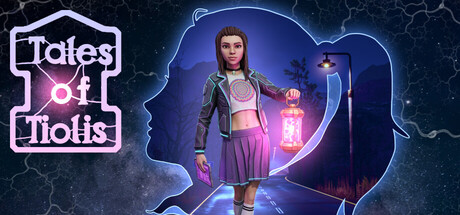 Tales of Tiolis In-game content art | Ingame textures and images. | Omne Lab | - | Jun 3, 2026 | |
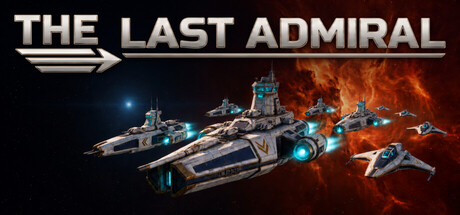 The Last Admiral In-game content art | Some vfx sprite sheets and art were generated and then photoshopped and shaders added. I generated some images 100 plus times to make sure the style didn't drift. I photoshopped AI images to get what I wanted. AI generated images were guided by my thoughts the entire time. | Pizza Pizza Games | - | Jun 3, 2026 | |
 FLATLINE Live AI arttext | FLATLINE utilizes advanced generative AI technologies to enhance both the visual and interactive experience:
Visual Assets (Pre-generated): To achieve the unique aesthetic of "clean decay" and the massive brutalist landscapes of London 2036, we employed AI-rendering tools (Nanobanana and Veo). All images and video sequences were pre-generated and underwent meticulous manual post-processing to align with the project’s artistic vision.
Interactivity (Live-generated): The episode’s climax features a live dialogue with the system "Anomaly." This character’s responses are generated in real-time using the GPT-4 model, allowing each player to find their own unique arguments in the final confrontation with the network.
We use AI as a force-multiplier for a solo creator, enabling the realization of a world that would otherwise be impossible to build at this scale using traditional methods | KILL DEVIL HILLS STUDIO LTD | - | Jun 3, 2026 | |
 Frozen Christmas Magic ; Santa’s Hidden Village Store/marketing art | Some visual assets and promotional materials for Frozen Christmas Magic: Santa’s Hidden Village were created with the assistance of generative AI tools, then manually directed, selected, edited and integrated by the developer as part of the game’s artistic production pipeline.
No real-time generative AI is used during gameplay. | Rivardus | - | Jun 3, 2026 | |
 AM I OK? In-game content art | AI is used for backgrounds, textures, and movies. | namimon | - | Jun 3, 2026 | |
 Ultimate Blacksmith Tycoon In-game content arttextcode | This title was developed with substantial assistance from generative AI.[Store Assets — Visual Content]The key visual, store capsule images, library assets (including the library hero), and certain screenshot backgrounds were produced using image generation AI ("Midjourney v7 / Niji v7") under a commercial license (Standard tier).[Source Code, Game Design, and In-Game Text]The C++ source code, data structures, system architecture, gameplay mechanics specifications, in-game text, item naming conventions, job names, and skill names were developed in collaboration with conversational AI ("Claude" by Anthropic and "Gemini" by Google).[The Developer's Role]Quench Forge handles concept, product vision, product management, final specification decisions, hands-on PIE (Play-In-Editor) testing, bug reports, and release decisions.Code generation, code review, test design, system architecture, game mechanics specifications, in-game text, and marketing materials are all created in collaboration with Claude (Anthropic) and Gemini (Google). Every AI-generated artifact is filtered through the developer's "appraiser's eye" — selected, approved, and revised through specification feedback — before being incorporated into the product.This game applies its own core theme — "an appraiser-shopkeeper who reads materials and Modifiers to forge the right blade" — to its own development process.[Runtime Behavior]No generative AI runs during gameplay. All in-game mechanics operate on compiled, deterministic algorithms (with optional reproducible random seeds). The game does not require any online connection to AI services during play. | Quench Forge | - | Jun 3, 2026 | |
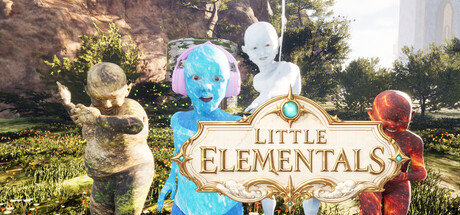 Little Elementals In-game content audio | Some background music used in this game was created using generative AI | Hwi | - | Jun 3, 2026 | |
 银发冒险家 Old But Gold In-game content art | Some cinematic sequences in this trailer were created with AI assistance. All in-game content is handcrafted by humans. | 橘子皮 | - | Jun 3, 2026 | |
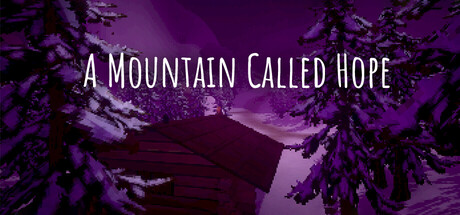 A Mountain Called Hope Store/marketing art | We have used Photoshop's "Generative Expand" feature to adapt some marketing assets to additional aspect ratios and sizes. | Hairy Beast | - | Jun 3, 2026 | |
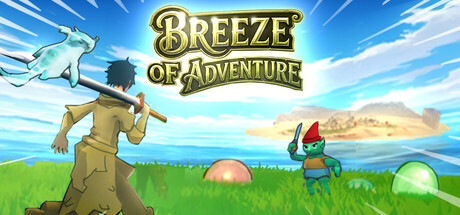 Breeze Of Adventure In-game content artaudio | We used both to create the images on the Steam page, as well as to create the music and sound in the game. | Carpe Diem Studio | - | Jun 3, 2026 | |
 Impulse Response Live AI text | This game uses screen reader-type generative AI for in-game menus and terminals. | RubyRPG | 21 | Jun 3, 2026 | |
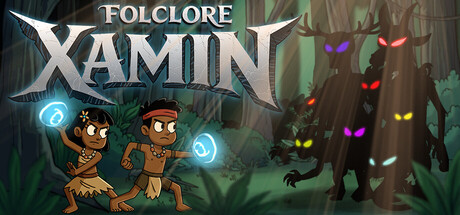 Folclore Xamin In-game content audiocodeart | AI tools were used during development to assist in generating custom sound effects, instrumental music assets, and code optimization. The technology was also utilized as a base to pre-fabricate certain background environment elements. However, all character designs and frame-by-frame 2D animations were 100% hand-drawn and manually created by a solo developer. | StudioFDS | - | Jun 3, 2026 | |
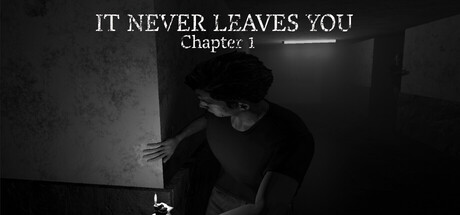 IT NEVER LEAVES YOU In-game content audio | The English voice acting was created using generative AI technology | Dominik Wolfram | - | Jun 3, 2026 | |
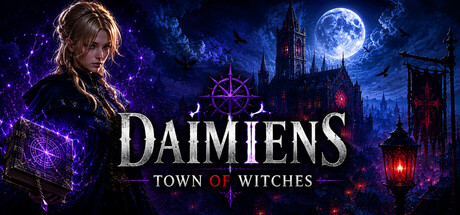 DAIMIENS TOWN OF WITCHES In-game content art | Generative AI tools were used to assist in the creation of certain promotional images, store page artwork and trailer visuals. All gameplay systems, game design decisions, implementation and final game content were created, reviewed and integrated by the developer. | RPG JESPIL STUDIO | - | Jun 3, 2026 | |
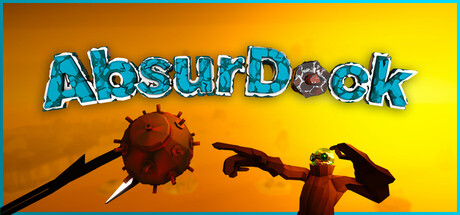 AbsurDock In-game content text | To make the game accessible to as many regions as possible, all translations besides English were produced using advanced generative AI localization tools. We are committed to updating these translations based on player feedback. | Phased Array Studios | - | Jun 3, 2026 | |
 VISE Dev only | The development of VISE was assisted by AI | Nik's Games | - | Jun 3, 2026 | |
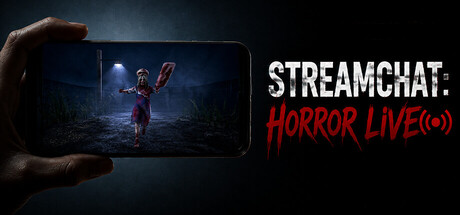 Streamchat: Horror Live Store/marketing art | Certain store page promotional assets were created with assistance from generative AI tools and subsequently modified by the developer. The game does not use live-generated AI, and no AI-generated content is produced during gameplay. | Hikma Maulana | - | Jun 3, 2026 | |
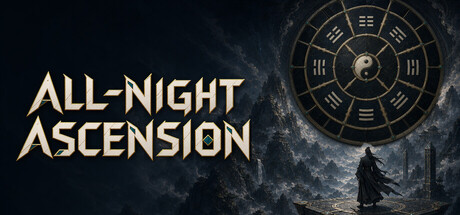 All Night Ascension In-game content artaudio | The art and music assets in this game were created with the assistance of generative AI technology.
As a registered architect in my day job, I am used to using tools like CAD to aid my designs. In game development, AI plays the exact same role—it is a tool, but the soul of the design comes from the human creator. I do not allow any rough, unpolished assets into my game. Therefore, all AI-generated content has gone through my strict "manual inspection": rigorous prompt tuning, meticulous manual overpainting, and audio trimming. I carefully polish every visual and auditory "brick" to build the perfect cultivation world, pouring my true craftsmanship entirely into the core "Eight Trigrams Array" deck-building experience. | FlowFire Studio | - | Jun 3, 2026 | |
 MINERALS: Deep Core Mining Unclear art | Base Texture Preparation | THINK & FEEL | 19 | Jun 3, 2026 | |
 Age of Magellan: Sail the entire Planet In-game content text | The game contains in-game narrative and dialogue text that was created with the assistance of generative AI and then reviewed by the developer. All artwork and music are human-created. | Boanerges Games | - | Jun 3, 2026 | |
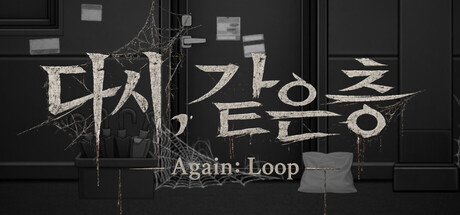 Again:Loop In-game content art | This game contains pre-generated AI content.
Visual assets, including backgrounds, UI elements, achievement icons, and certain in-game illustrations, were created with the assistance of generative AI tools and integrated into the final game by the developer. | FASTx3 | - | Jun 3, 2026 | |
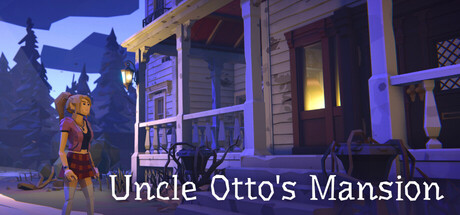 Uncle Otto's Mansion In-game content text | The only use of AI has been to translate the game subtitles and menus.
The translation has then been reviewed in Polish and French by native speakers, but might contain oddities in the other supported languages. | Henano | 33 | Jun 3, 2026 | |
 GhostomVillage In-game content art | I used AI to create some promotional images and some of the in-game pictures. | Stellar Perturbation | - | Jun 3, 2026 | |
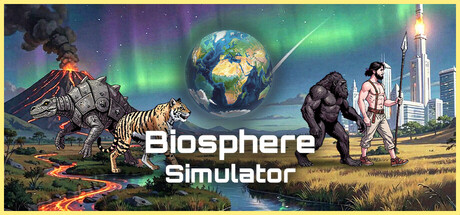 Biosphere Simulator In-game content artaudiotext | The game content, including gameplay mechanics, visuals, and audio, as well as the store page content — including descriptions, images, and other assets — were generated with the assistance of AI tools. | ioStudios | - | Jun 3, 2026 | |
 FOAMGRAVE In-game content artaudio | FOAMGRAVE includes some AI-assisted content, including certain visual assets (such as menu/loading screen artwork) and music/audio created using generative AI tools. All gameplay systems, programming, world design, and final integration were created and implemented by the developer. | TriadPixel | - | Jun 3, 2026 | |
 寻宝猎手Hoard Seeker In-game content art | Only in the field of art production, AI is used to assist in the creation of 2D images. | xin qiwu | - | Jun 3, 2026 | |
 JoyWorld Remastered (조이월드 리마스터) In-game content art | Some background images were expanded to fit higher resolutions with the assistance of generative AI tools.
All core content and gameplay experiences were designed and created by the developer. | pOn Studio | - | Jun 3, 2026 | |
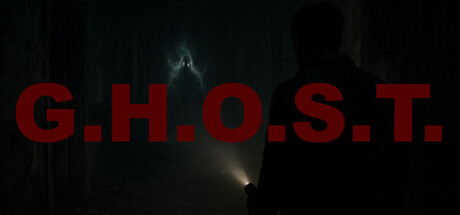 G.H.O.S.T. Ghost Hunt Ops Special Team In-game content artaudio | Some 3D models (not all), some images (not all), voice acting. | Program Man | - | Jun 3, 2026 | |
 Project Doll: My Only Wish In-game content audio | AI is currently used to generate speech to text for main character dialogue. this will eventually be phased out and replaced by voice acting. | Little Emperor Studios | - | Jun 3, 2026 | |
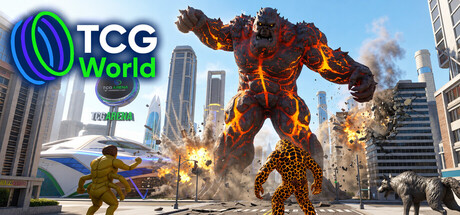 TCG World In-game content art | Generative AI may be used to assist with promotional store artwork and marketing assets. Gameplay screenshots are captured from the actual game. The game does not use live generative AI to create player-facing gameplay content. | TCG World US, INC. | - | Jun 3, 2026 | |
 Tidepool Dev only | The developers describe how their game uses AI Generated Content like this:
During the development process, I may use procedural- and AI-based tools to assist with content creation. In all such cases, the final product reflects the creativity and expression of myself. | Breaker Game Studios | - | Jun 3, 2026 | |
 Isolation Instinct: Farming, Craft, Survival Store/marketing art | Some visual assets, promotional images, and store page materials may include AI-assisted generated elements that were further edited and refined by the development team. AI is not used to generate gameplay, player interactions, or real-time in-game content. | 404 GAMES | - | Jun 3, 2026 | |
 MONji In-game content text | I (the developper) am a former artist with poor skills in technical aspects of game development such as coding. In that regard, AI was used mainly to fasten the process of development of the game such as:
- help for technical aspects when I couldn't do it due to my limited skills.
- generate a database of random text events based on my own texts and mood that I want for the game. The game contains hundreds of different events that I couldn't afford to write all of them in such a short time. Events are then all checked and corrected by myself to ensure they all fit within the game.
I am not proud of using AI as I am directly concerned by it as an artist myself. But this was my only chance to fulfil my dream of making my own game in a limited time and I want to be transparent with the players that might feel uncomfortable with it.
No AI was used for any other part of the game such as art or sound effects. | da-dam | - | Jun 3, 2026 | |
 The Last Roll Dev only artcode | As a poor indie developer, on one hand, I’m grateful that AI has lowered my costs and improved my efficiency. On the other hand, I’m very aware of its limitations, so I use it only within a very limited scope. Specifically, it is mainly used to assist with programming and art design. The generated content is never directly put into the game—it always undergoes manual review and refinement. | G^ | - | Jun 3, 2026 | |
 Litmustest In-game content text | AI tools were used during the localization process and then manually reviewed by a human.
All in-game and promotional art was authored by a person and not made with generative AI. | Underwater Castle Inc. | - | Jun 3, 2026 | |
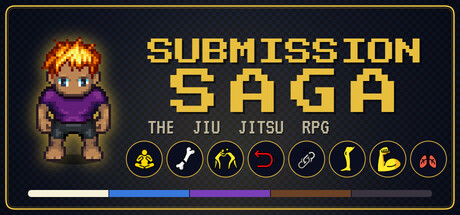 Submission Saga: The Jiu Jitsu RPG In-game content arttextcode | Some UI icons, character and creature sprites, and other in-game graphics in Submission Saga were created with the assistance of generative AI image tools (including Pixellab.ai), and portions of the store page text were drafted with AI writing assistance. Portions of the game's source code were also written with the assistance of an AI coding assistant. All AI-generated content was reviewed, edited, and curated by the developer before inclusion. No AI is used to generate content live during gameplay. | Nate Markham | - | Jun 3, 2026 | |
 Tomorrow's Gonna Be a Long Day Dev only code | Used only sparingly to assist with programming and debugging. No AI was used to generate artwork, audio, narrative, or other game content. | FrostyPixels | - | Jun 3, 2026 | |
 Dwelling on the Hill In-game content textart | It was used solely as a tool to assist in adjusting the color palette in the localization of the text language and in the handcrafted capsule art we designed ourselves. | Apocrifa Labs Interactive | - | Jun 3, 2026 | |
 Joey The Duck In-game content textcode | Help with localization and some coding assistance. | Sikor | 14 | Jun 3, 2026 | |
 CINESCAPE VR In-game content artaudio | AI have been used to generate/improve a few posters and paints visible in the environnement. These images were first drawn by internal game artist of the team.
Voices have been generated with AI. | SUPER AC | - | Jun 3, 2026 | |
 Tomb Raider: Legacy of Atlantis Dev only arttext | AI-assisted tools were used during development to support some early exploration and temporary development content. Any AI-assisted assets were either replaced or refined by humans in order to maintain the creative and artistic vision of the development team. | Crystal Dynamics | - | Jun 3, 2026 | |
 修仙法则 Store/marketing art | Some images were designed with AI assistance. (AI was not used during the initial store review, and we adopted it for design support later.) | NewSmile Games | - | Jun 3, 2026 | |
 Skybound Store/marketing art | Images displayed in the Steam library uses AI generated images. | Astralium Games | - | Jun 3, 2026 | |
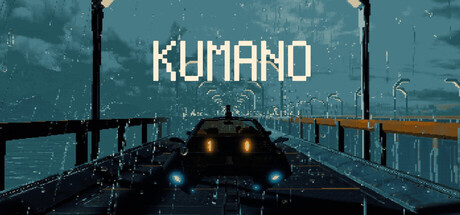 KUMANO In-game content artaudio | This title uses generative AI tools as supporting tools in limited parts of development.The game design, animation, asset placement, implementation, direction, programming, writing, stage design, and overall creative decisions are handled by the developer.All AI-assisted content is pre-generated during development. The game does not generate AI content in real time during gameplay.[3D Models]- Tripo AIAI-generated models are used as a base for some 3D assets. The developer performs mesh editing, scaling, texture and normal map adjustments, placement, and in-game implementation.[Music & Sound]- SUNO AIUsed to assist music production based on the developer's original motifs, samples, and creative direction.- ElevenLabsUsed for sound effect generation.All AI-generated content is used within the scope permitted by each tool's commercial usage terms. | moly | - | May 23, 2026 | |
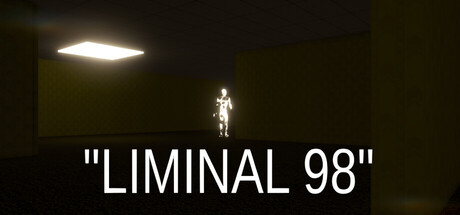 Liminal 98 Dev only code | This game was developed with the assistance of AI-based tools for programming support, debugging, and general development assistance. All content, gameplay design, and final implementation were reviewed and integrated by the developer. | BloodHound Studio | - | May 23, 2026 | |
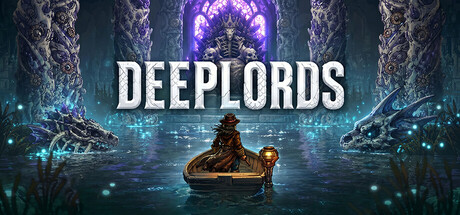 Deeplords In-game content artaudiocode | The static pixel art images of the creatures (Deeplords) and environmental elements were pre-generated using AI tools and subsequently animated with another AI tool based on the developer's specific directions. Leveraging 10 years of professional 3D modeling experience, these assets were then integrated as textures and sprites inside complex 3D environments and dioramas modeled manually by the developer in Blender and structured in Unity. The game's Unity C# scripts were pre-generated using AI co-pilot tools based on the precise gameplay logic requested by the developer, followed by extensive manual debugging, correction, and multi-turn optimization cycles. Lastly, the soundtrack and audio elements were pre-generated using AI tools based on specific genre and stylistic vibes provided by the developer, then manually reviewed and refined to perfectly fit the dark atmosphere of the individual biomes. | Deeplords Studio | - | May 23, 2026 | |
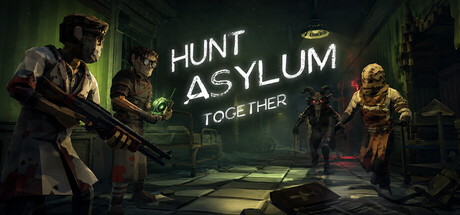 Hunt Asylum Together Store/marketing art | Used for Steam visuals. | cnsgames | 11 | May 23, 2026 | |
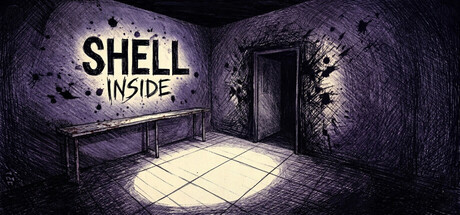 Shell Inside Store/marketing art | Generative AI was used strictly during the pre-production and marketing phases to create corporate key art, capsule images, and promotional banners for the Steam store page. No AI-generated assets, code, or data are included within the game build itself. | Lavanda Studio | - | May 23, 2026 | |
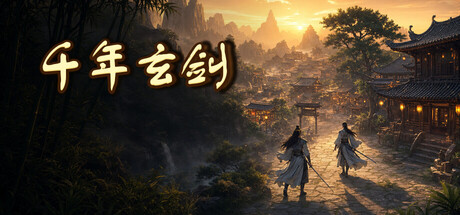 QianNian XuanJian Store/marketing art | Some store-page and marketing visual assets may be created or assisted with generative AI. The game itself does not generate AI content during gameplay. | 千年玄剑 | - | May 23, 2026 | |
 Busy Bar - World Tour Unclear art | Some parts of the game’s production may involve procedural or AI-assisted tools, mainly to speed up iteration, explore visual directions or support asset creation. The game’s concept, tone, style, story and final creative choices are developed and decided by us. | Flarewing Studios | - | May 23, 2026 |


