Public Steam disclosure research25,383 disclosures tracked
Where do games disclose AI use?
Search developers’ Steam disclosures, compare classified AI use across
games, and follow recorded changes.
This index adds cross-game classifications and statistics to
statements published on individual store pages.
Groups reflect automatic analysis of public disclosures; mature records are excluded. These counts do not measure AI use across all of Steam.
Missing or unclear statements cannot establish whether a game uses AI.
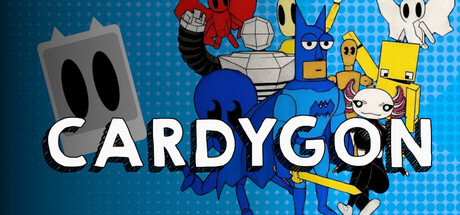
As a solo developer, I used artificial intelligence tools to generate the card artwork and the game's music. All other aspects, including the game design, programming, and mechanics, are entirely human-created.
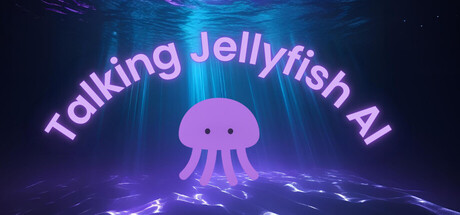
We used AI tools behind the scenes to make the game more vibrant, varied and polished. AI helped us brainstorm and sketch dozens of unique sea creatures and environments, generate high-quality textures and animations faster, and even suggest balanced enemy behaviors so each battle feels fair and fun. Thanks to AI assistance, our team could focus on crafting the best gameplay moments—AI simply sped up routine tasks, letting us fill the world with more creativity and detail.
This game used AI-assisted tools during development (for code suggestions and some asset creation/editing). No AI-generated code or content is produced at runtime.
This game uses AI to enable real-time conversations and interactions with a desktop companion. It features speech recognition powered by Kyutai ASR, language understanding and generation using Meta’s LLaMA model, and expressive voice responses through Sesame CSM’s text-to-speech system. All AI runs locally on your device, with no internet connection required.
I have used AI to pre-render content. I have used AI to make some of the code that I use in the game. Such that AI has helped me make the best possible CPU and help with player physics.
All 2D characters in the game are fully created by our 2D artist. Currently, the interactions between characters are generated with the help of ChatGPT. Additionally, the book story has been edited for grammar improvements using ChatGPT. In the future, once we secure funding or generate income from the project, our artist will create all character interactions manually to ensure the highest quality and authenticity.
We've used AI tools to assist in creating certain visual assets for Challenger X, including in-game visuals, the game's logo, and its cover art. Our priority is to deliver a compelling experience, and AI helps us achieve that by enhancing the game's presentation. We are committed to transparency and ensuring all core gameplay elements are crafted with care.
Our game utilizes neural networks for creating visually stunning and immersive environments. AI technology is employed in the production pipeline to assist in rendering backgrounds and character designs, ensuring a unique and high-quality artistic style. While AI aids in the creative process, all generated content is carefully reviewed, refined, and finalized by our team of professional artists to meet the highest standards of originality and quality.
This game uses AI technology to create detailed and authentic 3D meshes of game pieces and components, enhancing the visual experience and making the digital board feel as close to the physical version as possible. It also leverages AI to generate background images for game menus and to create capsule images for Steam
Some team logos were created with the assistance of artificial intelligence and later manually refined. Promotional images were not generated by AI, but AI tools were used to adjust their final appearance. The main theme music was composed using an AI tool (Suno). No AI-generated content is created during gameplay.
Some visual assets used on the store page (such as promotional key art and background elements) were initially created with the assistance of generative AI tools and then manually refined and edited by our art team. No in-game content is generated using AI during gameplay.
Some early drafts of marketing texts were generated using AI and later reviewed and edited by a human.
Quick Translate uses generative AI technology to provide its core functionality. When you capture a screen region or input text, the content is sent to cloud-based AI models that perform text recognition and translation. No AI-generated content is pre-packaged with the application, all translations are generated in real-time based on user input.
The AI is used for two purposes:
1. Text Recognition
When you capture a screen region, AI models analyze the image to identify and extract any text present, regardless of font, style, or language.
2. Translation
The recognized or user-provided text is processed by AI language models to generate accurate, context-aware translations in your chosen target language.
All AI processing occurs on secure remote servers. Your captured images and text are transmitted securely, used solely for generating translations, and are not stored or used for training purposes. Each translation request requires credits, which can be purchased through Steam.
No AI was used for in-game graphics or music. This work is the product of human endeavor.
In the game, AI tools assisted with composing a singular audio effect that was otherwise not possible, as visual animation timing was fixed. Outside the game, AI was used to support marketing materials (circa 5% of marketing content).
There is no in-game generative AI. The clue generation runs locally, without a LLM or cloud service. We understand different people draw their own lines with AI. We aim to use modern tools responsibly, and hope this disclaimer provides for informed decision making.
Some graphical assets and sounds were created using generative AI tools during development. These were manually refined to ensure quality and unique identity.
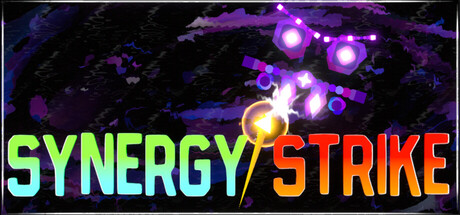
The developer of Synergy Strike used AI-assisted tools as part of a solo development workflow. Audio, visuals, and code assistance were crafted using a curated set of generative tools all directed, reviewed, and shaped by a single human creator. Synergy Strike is handmade at its core.
I just made two paintings for the left wall of the hub world because I wanted to make something pretty myself but didn't have the artistic skills to draw it, although insignificant, I chose to check this box to avoid any problems.
Some questions and answers in our quiz game are generated using AI. Additionally, we utilized pre-generated AI images included in the capsules and for in-game assets, specifically for the game characters.
Character voices are synthesized with the Voice Synthesizer VOICEVOX, and the Japanese translation is provided by the machine translator DeepL. Neither of these uses generate content in real-time. No sprites, code, ideas, music, or any other elements not mentioned were made with AI.
As a solo developer, I used artificial intelligence tools to generate the card artwork and the game's music. All other aspects, including the game design, programming, and mechanics, are entirely human-created.
We used AI tools behind the scenes to make the game more vibrant, varied and polished. AI helped us brainstorm and sketch dozens of unique sea creatures and environments, generate high-quality textures and animations faster, and even suggest balanced enemy behaviors so each battle feels fair and fun. Thanks to AI assistance, our team could focus on crafting the best gameplay moments—AI simply sped up routine tasks, letting us fill the world with more creativity and detail.
This game used AI-assisted tools during development (for code suggestions and some asset creation/editing). No AI-generated code or content is produced at runtime.
This game uses AI to enable real-time conversations and interactions with a desktop companion. It features speech recognition powered by Kyutai ASR, language understanding and generation using Meta’s LLaMA model, and expressive voice responses through Sesame CSM’s text-to-speech system. All AI runs locally on your device, with no internet connection required.
I have used AI to pre-render content. I have used AI to make some of the code that I use in the game. Such that AI has helped me make the best possible CPU and help with player physics.
All 2D characters in the game are fully created by our 2D artist. Currently, the interactions between characters are generated with the help of ChatGPT. Additionally, the book story has been edited for grammar improvements using ChatGPT. In the future, once we secure funding or generate income from the project, our artist will create all character interactions manually to ensure the highest quality and authenticity.
We've used AI tools to assist in creating certain visual assets for Challenger X, including in-game visuals, the game's logo, and its cover art. Our priority is to deliver a compelling experience, and AI helps us achieve that by enhancing the game's presentation. We are committed to transparency and ensuring all core gameplay elements are crafted with care.
Our game utilizes neural networks for creating visually stunning and immersive environments. AI technology is employed in the production pipeline to assist in rendering backgrounds and character designs, ensuring a unique and high-quality artistic style. While AI aids in the creative process, all generated content is carefully reviewed, refined, and finalized by our team of professional artists to meet the highest standards of originality and quality.
This game uses AI technology to create detailed and authentic 3D meshes of game pieces and components, enhancing the visual experience and making the digital board feel as close to the physical version as possible. It also leverages AI to generate background images for game menus and to create capsule images for Steam
Some team logos were created with the assistance of artificial intelligence and later manually refined. Promotional images were not generated by AI, but AI tools were used to adjust their final appearance. The main theme music was composed using an AI tool (Suno). No AI-generated content is created during gameplay.
Some visual assets used on the store page (such as promotional key art and background elements) were initially created with the assistance of generative AI tools and then manually refined and edited by our art team. No in-game content is generated using AI during gameplay.
Some early drafts of marketing texts were generated using AI and later reviewed and edited by a human.
Quick Translate uses generative AI technology to provide its core functionality. When you capture a screen region or input text, the content is sent to cloud-based AI models that perform text recognition and translation. No AI-generated content is pre-packaged with the application, all translations are generated in real-time based on user input.
The AI is used for two purposes:
1. Text Recognition
When you capture a screen region, AI models analyze the image to identify and extract any text present, regardless of font, style, or language.
2. Translation
The recognized or user-provided text is processed by AI language models to generate accurate, context-aware translations in your chosen target language.
All AI processing occurs on secure remote servers. Your captured images and text are transmitted securely, used solely for generating translations, and are not stored or used for training purposes. Each translation request requires credits, which can be purchased through Steam.
No AI was used for in-game graphics or music. This work is the product of human endeavor.
In the game, AI tools assisted with composing a singular audio effect that was otherwise not possible, as visual animation timing was fixed. Outside the game, AI was used to support marketing materials (circa 5% of marketing content).
There is no in-game generative AI. The clue generation runs locally, without a LLM or cloud service. We understand different people draw their own lines with AI. We aim to use modern tools responsibly, and hope this disclaimer provides for informed decision making.
Some graphical assets and sounds were created using generative AI tools during development. These were manually refined to ensure quality and unique identity.
The developer of Synergy Strike used AI-assisted tools as part of a solo development workflow. Audio, visuals, and code assistance were crafted using a curated set of generative tools all directed, reviewed, and shaped by a single human creator. Synergy Strike is handmade at its core.
I just made two paintings for the left wall of the hub world because I wanted to make something pretty myself but didn't have the artistic skills to draw it, although insignificant, I chose to check this box to avoid any problems.
Some questions and answers in our quiz game are generated using AI. Additionally, we utilized pre-generated AI images included in the capsules and for in-game assets, specifically for the game characters.
Character voices are synthesized with the Voice Synthesizer VOICEVOX, and the Japanese translation is provided by the machine translator DeepL. Neither of these uses generate content in real-time. No sprites, code, ideas, music, or any other elements not mentioned were made with AI.