Public Steam disclosure research25,508 disclosures tracked
Where do games disclose AI use?
Search developers’ Steam disclosures, compare classified AI use across
games, and follow recorded changes.
This index adds cross-game classifications and statistics to
statements published on individual store pages.
Groups reflect automatic analysis of public disclosures; mature records are excluded. These counts do not measure AI use across all of Steam.
Missing or unclear statements cannot establish whether a game uses AI.
All visuals in MEMORY DEALER are procedural; there is no AI-generated art. The English and French text was written by the developer. The German, Spanish (Latin America), Brazilian Portuguese and Simplified Chinese localizations were produced with generative AI.
In-game music tracks were created using generative AI-assisted tools and were subsequently edited, mixed, arranged, and mastered by the developer. All AI-generated material was reviewed and modified as part of the final audio production process.
Some store artwork and promotional images were created or refined with AI-assisted tools, then edited and curated by the developer. The game does not include live AI-generated content.
This game includes pre-generated AI-assisted content created during development, including portions of visual art, audio, and code. All final in-game content has been reviewed, edited, curated, and integrated by the developer. The game does not use live-generated AI during gameplay and does not connect to external AI services.
The developers describe how their game uses AI Generated Content like this:
During the development process, I may use procedural- and AI-based tools to assist with content creation. In all such cases, the final product reflects the creativity and expression of myself.
All gameplay systems, game design decisions, balancing decisions, story/context decisions, implementation choices, and final creative decisions were made by the development team.
Generative AI tools were used only as assistive tools during development. This may include support for brainstorming, improving workflows, and creating or refining some static 2D visual materials used in the game and its marketing, such as item icons, UI-related images, capsule/key art elements, and visuals that may appear in trailers or screenshots.
All AI-assisted materials were reviewed, selected, edited, and approved by the developers before being included. No AI system makes gameplay decisions, controls game logic, generates levels, creates player-facing content, or produces images, videos, text, audio, or any other content in real time during gameplay.
Some of the current store page artwork and promotional assets were created using generative AI tools during the early development and marketing phase of the project. As an independent project with limited resources, this approach was used to accelerate initial marketing efforts and bring the game to market more quickly.
Generative AI is not used to create gameplay content, player drawings, or user-generated content within the game. The AI-generated marketing assets may be replaced with human-created artwork in future updates as development continues.
Some pre-generated visual assets and development materials were created or assisted using generative AI tools, including AI-assisted development workflows. These assets are reviewed and selected by the developer before being included in the game. The game does not generate AI content during gameplay.
Some artwork assets including achievement icons and store capsule art were created with the assistance of AI image generation tools (PixelLab). All AI-generated content was reviewed and curated by the developer.
All text content was originally written in pt‑BR (Brazilian Portuguese) and localized into other languages with the assistance of AI tools. This localization extends beyond the game itself.
All creative assets were created by humans, such as audio, visual, and other content developed by our team or licensed from third parties.
Some visual assets, promotional materials, and portions of development assistance for Word Rift were created with the help of generative AI tools under the direction and supervision of the developer.
AI tools were used during development for assistance with English localization, parts of programming, and the creation of certain icons and visual assets. All generated content was reviewed and edited by the developer before being included in the final game.
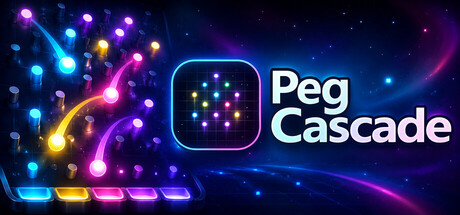
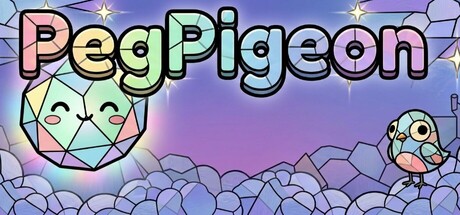
Some store page artwork, capsule images, and library artwork for Peg Cascade were created with assistance from generative AI tools, then selected, edited, and prepared by the developer for use in the game’s presentation. The game does not generate AI content during gameplay.
We've harnessed the power of Generative AI technology to create several of our game's unique theme background artworks, enhancing your gaming experience with visually stunning designs.
As a solo indie developer, I use AI to assist with multi-language localization and the creation of some background images. This helps me provide a smoother, more accessible player experience while allowing me to focus more time on gameplay, systems, level design, and other core parts of the game.
This game was developed with the assistance of AI-based tools for programming support, debugging, and general development assistance. All content, gameplay design, and final implementation were reviewed and integrated by the developer.
Generative AI was used only during production for early concept exploration and the creation of some promotional asset drafts. The game does not use generative AI during gameplay. All core in-game assets were manually reviewed, edited, and reworked by human artists.
Some parts of the game’s production may involve procedural or AI-assisted tools, mainly to speed up iteration, explore visual directions or support asset creation. The game’s concept, tone, style, story and final creative choices are developed and decided by us.
AI was used solely to assist with the English and Spanish translations, which were then manually reviewed by the developers. However, they may still contain errors. If you find any, please let us know.
This game was developed with the assistance of generative AI tools. AI was used during development to assist with code, audio, and visual assets. All AI-generated content was reviewed, edited, and integrated by the developer. No generative AI operates at runtime during gameplay.
Generative AI has been used when creating some of the images in the menu and the backgrounds in the game. The technology has also been used when creating and editing some of the audio tracks.
This game uses generative artificial intelligence tools during parts of the development process. AI-assisted tools were used by the solo creator, Hamood , to support portions of programming workflow and improve development efficiency as part of our independent game production pipeline. All implementation, design decisions, gameplay structure, and final integration were directed and reviewed by human developers.
Some early-stage visual assets and concept materials were also created with AI-assisted tools during prototyping and pre-production. These assets were subsequently modified, optimized, and refined inside Unreal Engine and through additional work by human artists to ensure artistic consistency and product integrity.
No live AI-generated content is produced during gameplay. All gameplay content presented to players is pre-authored and curated by the development team.
All voice dubbing (customer speech lines) was generated using AI text-to-speech technology.
Core gameplay design, code, and overall creative direction are human-authored.
All visuals in MEMORY DEALER are procedural; there is no AI-generated art. The English and French text was written by the developer. The German, Spanish (Latin America), Brazilian Portuguese and Simplified Chinese localizations were produced with generative AI.
In-game music tracks were created using generative AI-assisted tools and were subsequently edited, mixed, arranged, and mastered by the developer. All AI-generated material was reviewed and modified as part of the final audio production process.
Some store artwork and promotional images were created or refined with AI-assisted tools, then edited and curated by the developer. The game does not include live AI-generated content.
This game includes pre-generated AI-assisted content created during development, including portions of visual art, audio, and code. All final in-game content has been reviewed, edited, curated, and integrated by the developer. The game does not use live-generated AI during gameplay and does not connect to external AI services.
The developers describe how their game uses AI Generated Content like this:
During the development process, I may use procedural- and AI-based tools to assist with content creation. In all such cases, the final product reflects the creativity and expression of myself.
All gameplay systems, game design decisions, balancing decisions, story/context decisions, implementation choices, and final creative decisions were made by the development team.
Generative AI tools were used only as assistive tools during development. This may include support for brainstorming, improving workflows, and creating or refining some static 2D visual materials used in the game and its marketing, such as item icons, UI-related images, capsule/key art elements, and visuals that may appear in trailers or screenshots.
All AI-assisted materials were reviewed, selected, edited, and approved by the developers before being included. No AI system makes gameplay decisions, controls game logic, generates levels, creates player-facing content, or produces images, videos, text, audio, or any other content in real time during gameplay.
Some of the current store page artwork and promotional assets were created using generative AI tools during the early development and marketing phase of the project. As an independent project with limited resources, this approach was used to accelerate initial marketing efforts and bring the game to market more quickly.
Generative AI is not used to create gameplay content, player drawings, or user-generated content within the game. The AI-generated marketing assets may be replaced with human-created artwork in future updates as development continues.
Some pre-generated visual assets and development materials were created or assisted using generative AI tools, including AI-assisted development workflows. These assets are reviewed and selected by the developer before being included in the game. The game does not generate AI content during gameplay.
Some artwork assets including achievement icons and store capsule art were created with the assistance of AI image generation tools (PixelLab). All AI-generated content was reviewed and curated by the developer.
All text content was originally written in pt‑BR (Brazilian Portuguese) and localized into other languages with the assistance of AI tools. This localization extends beyond the game itself.
All creative assets were created by humans, such as audio, visual, and other content developed by our team or licensed from third parties.
Some visual assets, promotional materials, and portions of development assistance for Word Rift were created with the help of generative AI tools under the direction and supervision of the developer.
AI tools were used during development for assistance with English localization, parts of programming, and the creation of certain icons and visual assets. All generated content was reviewed and edited by the developer before being included in the final game.
Some store page artwork, capsule images, and library artwork for Peg Cascade were created with assistance from generative AI tools, then selected, edited, and prepared by the developer for use in the game’s presentation. The game does not generate AI content during gameplay.
We've harnessed the power of Generative AI technology to create several of our game's unique theme background artworks, enhancing your gaming experience with visually stunning designs.
As a solo indie developer, I use AI to assist with multi-language localization and the creation of some background images. This helps me provide a smoother, more accessible player experience while allowing me to focus more time on gameplay, systems, level design, and other core parts of the game.
This game was developed with the assistance of AI-based tools for programming support, debugging, and general development assistance. All content, gameplay design, and final implementation were reviewed and integrated by the developer.
Generative AI was used only during production for early concept exploration and the creation of some promotional asset drafts. The game does not use generative AI during gameplay. All core in-game assets were manually reviewed, edited, and reworked by human artists.
Some parts of the game’s production may involve procedural or AI-assisted tools, mainly to speed up iteration, explore visual directions or support asset creation. The game’s concept, tone, style, story and final creative choices are developed and decided by us.
AI was used solely to assist with the English and Spanish translations, which were then manually reviewed by the developers. However, they may still contain errors. If you find any, please let us know.
This game was developed with the assistance of generative AI tools. AI was used during development to assist with code, audio, and visual assets. All AI-generated content was reviewed, edited, and integrated by the developer. No generative AI operates at runtime during gameplay.
Generative AI has been used when creating some of the images in the menu and the backgrounds in the game. The technology has also been used when creating and editing some of the audio tracks.
This game uses generative artificial intelligence tools during parts of the development process. AI-assisted tools were used by the solo creator, Hamood , to support portions of programming workflow and improve development efficiency as part of our independent game production pipeline. All implementation, design decisions, gameplay structure, and final integration were directed and reviewed by human developers.
Some early-stage visual assets and concept materials were also created with AI-assisted tools during prototyping and pre-production. These assets were subsequently modified, optimized, and refined inside Unreal Engine and through additional work by human artists to ensure artistic consistency and product integrity.
No live AI-generated content is produced during gameplay. All gameplay content presented to players is pre-authored and curated by the development team.
All voice dubbing (customer speech lines) was generated using AI text-to-speech technology.
Core gameplay design, code, and overall creative direction are human-authored.