Public Steam disclosure research25,508 disclosures tracked
Where do games disclose AI use?
Search developers’ Steam disclosures, compare classified AI use across
games, and follow recorded changes.
This index adds cross-game classifications and statistics to
statements published on individual store pages.
Groups reflect automatic analysis of public disclosures; mature records are excluded. These counts do not measure AI use across all of Steam.
Missing or unclear statements cannot establish whether a game uses AI.
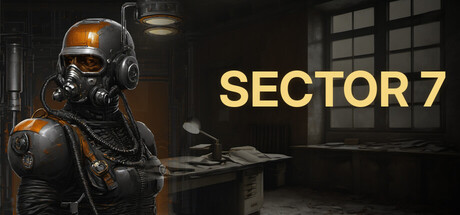
Some of Sector 7's artwork — including its store and marketing images — and its narrative text were created with AI assistance and then reviewed and edited by the developer. Localization into additional languages used AI translation with human review.
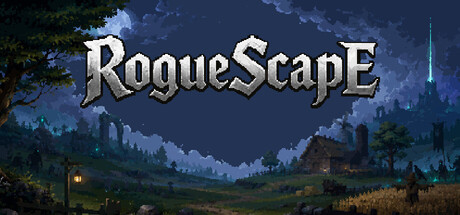
RogueScape may use generative AI tools as part of the development workflow, primarily to assist with programming, debugging, prototyping, workflow automation, and occasional asset or copy iteration. Any AI-assisted content used in the game, store page, or related marketing materials is reviewed, edited, and approved by the developer before publication.
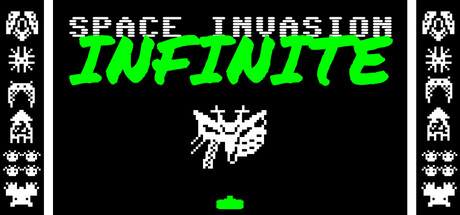
Generative AI tools were used during the creation of marketing and promotional materials for the game's Steam Store page and Community Hub assets. Specifically, the game's official community avatars, group banner backgrounds, and concept art presentations were generated using AI imagery tools to establish the game's retro space pixel-art aesthetic. No AI-generated assets are contained directly within the game code or build itself.
Some 2D art (such as cosmetic items) and the background music were created using generative AI tools based on developer reference images, then reviewed and edited by the developer. No AI runs during gameplay.
Generative AI tools were used during development for ideation, development assistance, and promotional exploration. All final gameplay systems, game logic, and in-game content were created and reviewed by the developer.
Game design, code, mechanics, gameplay systems, sprites, and writing are entirely human-made. All AI-generated assets were reviewed, edited, composed, and integrated manually by the developer. No AI content is generated at runtime — every asset is pre-authored and curated.
Generative AI was used in the creation of:
Marketing and store page artwork (capsules, banners, hero, logo)
In-game background art, sprites directions
Music tracks
This game makes use of generative AI as a creative assistant during development. All AI-assisted output is reviewed, edited, and approved by the developer before being included in the final game. No content is generated live during gameplay.
Source code: Drafted with AI coding tools, then reviewed, tested, and integrated by the developer.
Visual assets: All main character designs and key visuals are based on the developer's hand-drawn illustrations. Some assets combine the developer's artwork with AI-assisted generation or refinement.
Scenario text: Story, dialogue, and worldbuilding are written by the developer, with AI used for drafting support, rewriting, and consistency checks.
Music: A portion of the in-game music is produced with AI assistance; the developer selects, edits, and finalizes all tracks used in the game.
Localization: The English translation is produced with AI assistance and reviewed by the developer.
Generative AI tools, including GPT/Codex, were used during development to create, draft, edit, and process pre-generated game content, including UI text, localization drafts, icons, interface assets, store copy, planning materials, QA materials, and code assistance.
All AI-assisted content included in the game or marketing materials was reviewed, selected, edited, and integrated by the developer before publication.
The game does not include live-generated AI content, AI chatbots, runtime AI generation, or in-game AI image generation.
During the development of Super Monsterdoom, generative AI tools were used to support text creation, visual exploration, and mechanical iteration. As a solo developer, these tools were key to accelerating and expanding the process, but every final asset, text, and design decision went through extensive human editing, refinement, and hands-on work.
- Code was written with Assistance of Anthropic Claude Code
- Character Portraits were created with Google Gemini
- Other Art Assets and Sound Effects were created using Python (matplotlib, wave)
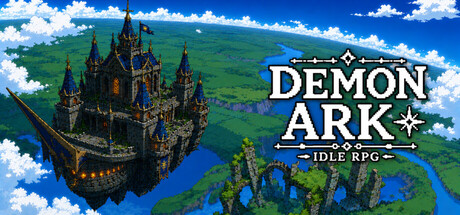
Some visual assets in Demon Ark: Idle RPG were created with the assistance of generative AI, including monster artwork, item and equipment icons, background images, and Steam store marketing assets such as capsule images and logo artwork. Unit character graphics and UI assets were produced separately as non-AI commissioned/manual artwork. All AI-assisted assets are reviewed, selected, and edited before being included in the game or store page. The game does not generate AI content during gameplay and does not connect to external AI services while running.
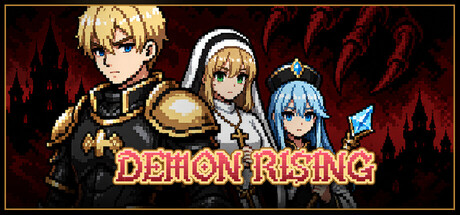
Demon Rising uses generative AI for part of its content:
Live-generated narrative — The game includes a local AI language model that runs fully offline on your PC; no internet connection is required and no data is sent anywhere. During play it generates dynamic dialogue for your demon officers, war-council debates, prisoner interrogations and boss encounters, keeping conversations varied across runs. All generated text is constrained by the game's prompts to in-game characters and situations and is bounded by built-in safeguards. If the AI model is unavailable, the game automatically falls back to hand-written dialogue, so the full game is playable either way.
Pre-generated artwork — Some character portraits and illustrations were created with the help of AI image-generation tools, then selected and edited by the developer.
All AI-assisted content is curated and reviewed by the developer.
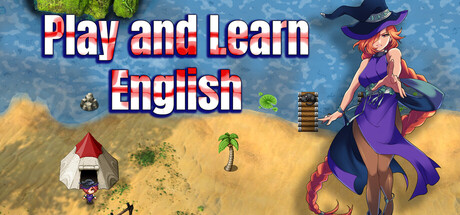
Some of the English text content and translations in this game were created with the help of generative AI tools. All text has been reviewed and edited by our development team to ensure accuracy and educational quality.
Since our artistic skills don't quite allow us to realize everything we have in mind, we use AI to create some visuals, but we also try to edit them so as not to degrade the gaming experience.
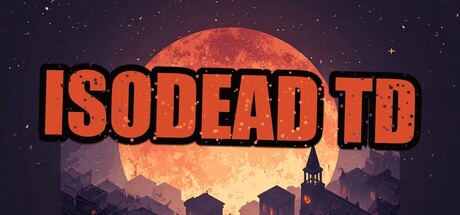
A handful of store and marketing assets for IsoDead TD — achievement icons, store and library capsule artwork, and the stylized lettering used in the trailer — were created with the assistance of generative AI tools and then reviewed and edited by the developer. All in-game content (pixel art, animation, music, code, and gameplay) is hand-crafted without generative AI, and no AI-generated content is created while the game is running.
1. The game code was pre-generated by AI in an IDE tool and then manually reviewed.
2. Some sound effects and music were generated as MIDI files from a large language model and then manually modified in music editing software.
3. Art assets were initially generated by online AI. All generated images were manually selected and modified to ensure they conformed to the overall art style of the game.
Generative AI tools were used to assist with parts of the game's visual concepts and promotional materials. All final content was reviewed and edited by the developer.
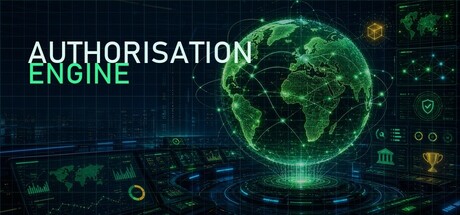
Authorisation Engine uses generative AI tools during development to assist with selected pre-generated assets and production materials, including some store artwork and audio/localization workflow support. All such content is reviewed and curated before inclusion. The game does not live-generate gameplay content with AI at runtime.
This game uses generative AI to generate NPC dialogue, thoughts, and decisions in real time. The AI model can run locally via the built-in llama.cpp engine,. In local mode, AI content is generated on your device. We have implemented content filtering and anomaly detection, but AI-generated content may occasionally produce unpredictable results.
We used ai to assist us on music and art because we are poor and not capable of this yet. We will strive to remove or reduce ai to a minimum once we are financially capable.
Some pre-rendered 2D monster, card, sprite, icon, and store artwork was created with generative AI tools and then edited and curated by the developer. The game does not use live generative AI during play.
We used generative AI tools to assist with drafting and localizing store page text. All AI-assisted text is reviewed and edited by our team before publication. The game does not use live-generated AI content during gameplay.
Generative AI tools were used to assist in the creation of certain visual assets during development. All final in-game content was reviewed and edited by the developer. No AI-generated content is produced during gameplay.
Some of Sector 7's artwork — including its store and marketing images — and its narrative text were created with AI assistance and then reviewed and edited by the developer. Localization into additional languages used AI translation with human review.
RogueScape may use generative AI tools as part of the development workflow, primarily to assist with programming, debugging, prototyping, workflow automation, and occasional asset or copy iteration. Any AI-assisted content used in the game, store page, or related marketing materials is reviewed, edited, and approved by the developer before publication.
Generative AI tools were used during the creation of marketing and promotional materials for the game's Steam Store page and Community Hub assets. Specifically, the game's official community avatars, group banner backgrounds, and concept art presentations were generated using AI imagery tools to establish the game's retro space pixel-art aesthetic. No AI-generated assets are contained directly within the game code or build itself.
Some 2D art (such as cosmetic items) and the background music were created using generative AI tools based on developer reference images, then reviewed and edited by the developer. No AI runs during gameplay.
Generative AI tools were used during development for ideation, development assistance, and promotional exploration. All final gameplay systems, game logic, and in-game content were created and reviewed by the developer.
Game design, code, mechanics, gameplay systems, sprites, and writing are entirely human-made. All AI-generated assets were reviewed, edited, composed, and integrated manually by the developer. No AI content is generated at runtime — every asset is pre-authored and curated.
Generative AI was used in the creation of:
Marketing and store page artwork (capsules, banners, hero, logo)
In-game background art, sprites directions
Music tracks
This game makes use of generative AI as a creative assistant during development. All AI-assisted output is reviewed, edited, and approved by the developer before being included in the final game. No content is generated live during gameplay.
Source code: Drafted with AI coding tools, then reviewed, tested, and integrated by the developer.
Visual assets: All main character designs and key visuals are based on the developer's hand-drawn illustrations. Some assets combine the developer's artwork with AI-assisted generation or refinement.
Scenario text: Story, dialogue, and worldbuilding are written by the developer, with AI used for drafting support, rewriting, and consistency checks.
Music: A portion of the in-game music is produced with AI assistance; the developer selects, edits, and finalizes all tracks used in the game.
Localization: The English translation is produced with AI assistance and reviewed by the developer.
Generative AI tools, including GPT/Codex, were used during development to create, draft, edit, and process pre-generated game content, including UI text, localization drafts, icons, interface assets, store copy, planning materials, QA materials, and code assistance.
All AI-assisted content included in the game or marketing materials was reviewed, selected, edited, and integrated by the developer before publication.
The game does not include live-generated AI content, AI chatbots, runtime AI generation, or in-game AI image generation.
During the development of Super Monsterdoom, generative AI tools were used to support text creation, visual exploration, and mechanical iteration. As a solo developer, these tools were key to accelerating and expanding the process, but every final asset, text, and design decision went through extensive human editing, refinement, and hands-on work.
- Code was written with Assistance of Anthropic Claude Code
- Character Portraits were created with Google Gemini
- Other Art Assets and Sound Effects were created using Python (matplotlib, wave)
Some visual assets in Demon Ark: Idle RPG were created with the assistance of generative AI, including monster artwork, item and equipment icons, background images, and Steam store marketing assets such as capsule images and logo artwork. Unit character graphics and UI assets were produced separately as non-AI commissioned/manual artwork. All AI-assisted assets are reviewed, selected, and edited before being included in the game or store page. The game does not generate AI content during gameplay and does not connect to external AI services while running.
Demon Rising uses generative AI for part of its content:
Live-generated narrative — The game includes a local AI language model that runs fully offline on your PC; no internet connection is required and no data is sent anywhere. During play it generates dynamic dialogue for your demon officers, war-council debates, prisoner interrogations and boss encounters, keeping conversations varied across runs. All generated text is constrained by the game's prompts to in-game characters and situations and is bounded by built-in safeguards. If the AI model is unavailable, the game automatically falls back to hand-written dialogue, so the full game is playable either way.
Pre-generated artwork — Some character portraits and illustrations were created with the help of AI image-generation tools, then selected and edited by the developer.
All AI-assisted content is curated and reviewed by the developer.
Some of the English text content and translations in this game were created with the help of generative AI tools. All text has been reviewed and edited by our development team to ensure accuracy and educational quality.
Since our artistic skills don't quite allow us to realize everything we have in mind, we use AI to create some visuals, but we also try to edit them so as not to degrade the gaming experience.
A handful of store and marketing assets for IsoDead TD — achievement icons, store and library capsule artwork, and the stylized lettering used in the trailer — were created with the assistance of generative AI tools and then reviewed and edited by the developer. All in-game content (pixel art, animation, music, code, and gameplay) is hand-crafted without generative AI, and no AI-generated content is created while the game is running.
1. The game code was pre-generated by AI in an IDE tool and then manually reviewed.
2. Some sound effects and music were generated as MIDI files from a large language model and then manually modified in music editing software.
3. Art assets were initially generated by online AI. All generated images were manually selected and modified to ensure they conformed to the overall art style of the game.
Generative AI tools were used to assist with parts of the game's visual concepts and promotional materials. All final content was reviewed and edited by the developer.
Authorisation Engine uses generative AI tools during development to assist with selected pre-generated assets and production materials, including some store artwork and audio/localization workflow support. All such content is reviewed and curated before inclusion. The game does not live-generate gameplay content with AI at runtime.
This game uses generative AI to generate NPC dialogue, thoughts, and decisions in real time. The AI model can run locally via the built-in llama.cpp engine,. In local mode, AI content is generated on your device. We have implemented content filtering and anomaly detection, but AI-generated content may occasionally produce unpredictable results.
We used ai to assist us on music and art because we are poor and not capable of this yet. We will strive to remove or reduce ai to a minimum once we are financially capable.
Some pre-rendered 2D monster, card, sprite, icon, and store artwork was created with generative AI tools and then edited and curated by the developer. The game does not use live generative AI during play.
We used generative AI tools to assist with drafting and localizing store page text. All AI-assisted text is reviewed and edited by our team before publication. The game does not use live-generated AI content during gameplay.
Generative AI tools were used to assist in the creation of certain visual assets during development. All final in-game content was reviewed and edited by the developer. No AI-generated content is produced during gameplay.