Public Steam disclosure research25,497 disclosures tracked
Where do games disclose AI use?
Search developers’ Steam disclosures, compare classified AI use across
games, and follow recorded changes.
This index adds cross-game classifications and statistics to
statements published on individual store pages.
Groups reflect automatic analysis of public disclosures; mature records are excluded. These counts do not measure AI use across all of Steam.
Missing or unclear statements cannot establish whether a game uses AI.
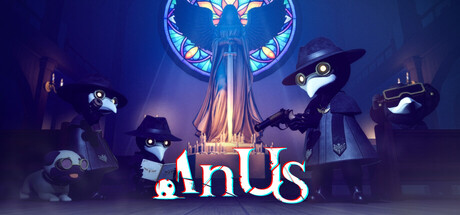
In Us is developed by a small independent studio in Japan. We incorporate generative AI tools into our development pipeline to assist in the creation of certain art assets. However, every asset included in the final game is reviewed, refined, and finalized by our human artists. No asset exists in the game without human authorship.
We chose to disclose this openly because players deserve to know how the games they play are made. We understand the concerns the creative community has about generative AI, and we are committed to keeping human craft at the center of our work — both now and in everything we make in the future.
Generative AI tools were used as development assistance for code prototyping, design iteration, selected promotional/store artwork, and AI-generated trailer music. The final game content is reviewed, edited, integrated, and curated by the developer.
The game does not use live generative AI during gameplay. No runtime AI-generated text, images, audio, or dialogue are produced for players.
AI tools were used to assist with code development and localization. All game design, art direction, and creative decisions were made by the developer.
All code in this game is generated with AI assistance. The game’s visuals and music also involve AI-aided processes, including image adjustments and extension of music segments. The gameplay concepts and skill/item designs are partially inspired by AI, with some skill and item names originating from AI-generated ideas.
This game uses generative AI tools during development to create some visual assets, including store capsule artwork, and to assist with localization. All AI-generated content has been reviewed, edited, and refined to ensure consistency and quality.
This game was developed with the assistance of generative AI tools, which were used to help create visual assets, code, and some audio elements. All generated content was reviewed, edited, and integrated by the developer to ensure consistency and quality.
No generative AI is used during gameplay. All content is pre-generated and curated before release.
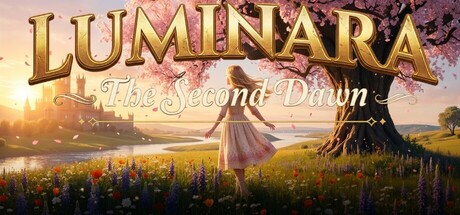
Luminara: The Second Dawn was created by a solo developer with the help of AI tools to bring the game to life. Every piece of content—art, music, story, and code—has been personally reviewed, curated, and directed by me to ensure it fits the game's vision and quality standards.
During development, AI-assisted tools may have been used in a limited role for tasks such as concept support and writing assistance. These tools were used only to assist the development process. All final content choices, editing, implementation, and creative direction were carried out by the solo developer. The game does not include live-generated AI content during runtime.
Some 2D artwork (concept art, item icons, environmental textures)
in this game was created with the assistance of generative AI tools,
then reviewed and edited by our art team before inclusion in the game.
All gameplay code, design, music, and sound effects were created by humans.
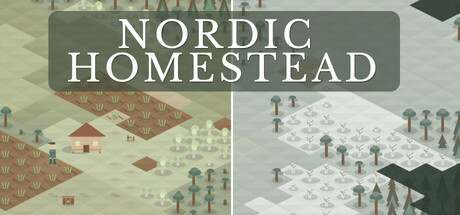
The only AI that was used for this game was placeholders and for research into the Norwegian culture. Everything else was designed and produced by humans.
Smoke Town utilizes artificial intelligence in the following areas:
We only use AI-generated content in our game as reference material for backgrounds, which are then refined and reviewed by humans. And also for interface translations.
All AI-generated content has been human-reviewed and refined for quality and technical integration.
This game uses generative AI in the creation of some visual assets.
All generated content has been reviewed, edited, and adjusted by the developer before being included in the game. The gameplay and core mechanics are entirely designed and controlled by the developer and do not rely on AI.
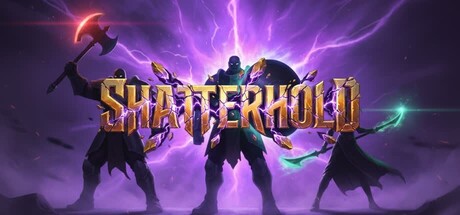
Shatterhold uses AI-generated art for environmental paintings, creature portraits, and music tracks. All gameplay mechanics, code, and game design are human-directed.
In-game visuals and music were produced with generative AI tools under the developer’s direction, then selected, edited, and integrated into the game. The game does not use AI to generate new images, audio, or text while you play.
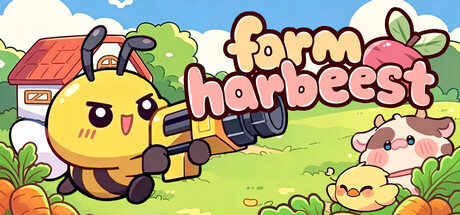
During the development of "Farm Harbeest", we used generative AI to help improve production efficiency, including assistance with some art references, music and sound effect inspiration, and code logic references. All related content was manually reviewed, selected, reworked, edited, tested, and integrated. The final game content is reviewed and controlled by the developers. We confirm that the AI-assisted content does not include any unauthorized copyrighted material.
The only AI generated elements in the game are a few select static background images used to set the scene (such as the combat stages, the vendor backdrop, and the leaderboard podium). In strict contrast, the entirety of the Multiplayer Boss Arenas (including their backgrounds, set pieces, and props) were purely hand crafted by human artists. Additionally, all animated character models, monster sprites, factory sprites, and in game items throughout the whole game are traditional, human made pixel art.
This game makes limited use of generative artificial intelligence during development.
Generative AI was used to help create some game music and sound effects, to generate the store page thumbnail artwork, and as a support tool for brainstorming ideas and coding auto-completion.
All gameplay, design, and final creative decisions were made by the developer.
Some store page artwork and marketing materials were created with the assistance of AI image generation tools. No AI-generated content is used within the game itself.
World maps in National Transit are created with procedural (algorithmic) generation — not AI. Terrain, rivers, coastlines, and city placement are generated algorithmically at the start of each playthrough.
Generative AI is used in the following place(s):
• Some of the in-game icons/2D art — a portion are AI-generated; the rest are hand-drawn.
In-game text is written by hand; localisation into other languages was produced with the help of machine/AI translation.
We have utilized AI tools during development to help make our peaceful sanctuary accessible to players worldwide in their native languages. All AI-assisted elements fall under pre-generated content:
In-Game Translations: Game texts and quests were translated from the Slovak original using AI. We actively work with community volunteers to review these. Any languages that have not yet undergone human verification are clearly marked within the game settings as AI/machine translations.
Marketing Copy: AI was used extensively to draft and translate store descriptions and marketing materials for international storefronts (without subsequent human verification).
The core game design, mechanics, storyline, and atmosphere are entirely our own original work. AI served purely as a technical tool to deliver faster localization.
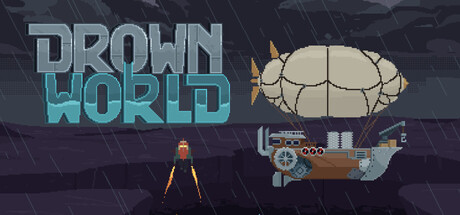
Some UI elements in Drown World (specifically element icons for water, fire, gas, and similar interactive particles) were created using generative AI tools and subsequently edited and refined. Since the element roster is still being finalised and expanded, these icons will be replaced with custom artwork once the full set is locked in. Music stems were generated using AI tools, then edited and arranged by the developer. Localisation was produced with the assistance of generative AI.
The Steam store page banners and promotional materials were created with the help of generative AI tools. The in-game assets were either manually created or edited afterward, while certain marketing visuals (such as headers, capsules, and banners) contain AI-generated elements.
To streamline our development and bring the game to market faster, we utilize generative AI for core visualization. Our team then uses these outputs as a foundation to refine, improve, and create the final iterations you see in the game.
Generative AI was used during development to assist in creating certain visual assets (pixel art characters, scene tiles, etc.). All AI-generated content was reviewed, curated, and modified by hand. Game code, design, and narrative were created by human developers and assisted with Generative AI.
During development, AI-assisted tools were used as part of the creative workflow for concept exploration and reference generation. Extensive photobashing, manual editing, and traditional artistic techniques were used throughout development, and every final image, texture, and 3D model was individually refined, finished, or recreated by an artist. AI serves as a supporting tool in the production process rather than replacing artistic craftsmanship.
During development, generative AI was used as a supporting tool to accelerate coding workflows and assist in creating pixel art assets. All game design, mechanics, and creative direction are human-driven.
This game uses AI for Image capsules and Image logo for store page. All other screenshots and in game screenshots which are purely created by me and does not have AI in it.
The game's visuals heavily utilize generative artificial intelligence, and we promise to replace the AI-generated art assets for every 10,000 copies sold. After reaching 100,000 copies sold, all in-game art assets will be hand-drawn.
This is a solo-developed project created with limited time and resources. Some assets (such as visuals or audio) were partially generated or assisted using AI tools to make development feasible.
All such content has been manually reviewed and adjusted to fit the game's atmosphere and design.
In Us is developed by a small independent studio in Japan. We incorporate generative AI tools into our development pipeline to assist in the creation of certain art assets. However, every asset included in the final game is reviewed, refined, and finalized by our human artists. No asset exists in the game without human authorship.
We chose to disclose this openly because players deserve to know how the games they play are made. We understand the concerns the creative community has about generative AI, and we are committed to keeping human craft at the center of our work — both now and in everything we make in the future.
Generative AI tools were used as development assistance for code prototyping, design iteration, selected promotional/store artwork, and AI-generated trailer music. The final game content is reviewed, edited, integrated, and curated by the developer.
The game does not use live generative AI during gameplay. No runtime AI-generated text, images, audio, or dialogue are produced for players.
AI tools were used to assist with code development and localization. All game design, art direction, and creative decisions were made by the developer.
All code in this game is generated with AI assistance. The game’s visuals and music also involve AI-aided processes, including image adjustments and extension of music segments. The gameplay concepts and skill/item designs are partially inspired by AI, with some skill and item names originating from AI-generated ideas.
This game uses generative AI tools during development to create some visual assets, including store capsule artwork, and to assist with localization. All AI-generated content has been reviewed, edited, and refined to ensure consistency and quality.
This game was developed with the assistance of generative AI tools, which were used to help create visual assets, code, and some audio elements. All generated content was reviewed, edited, and integrated by the developer to ensure consistency and quality.
No generative AI is used during gameplay. All content is pre-generated and curated before release.
Luminara: The Second Dawn was created by a solo developer with the help of AI tools to bring the game to life. Every piece of content—art, music, story, and code—has been personally reviewed, curated, and directed by me to ensure it fits the game's vision and quality standards.
During development, AI-assisted tools may have been used in a limited role for tasks such as concept support and writing assistance. These tools were used only to assist the development process. All final content choices, editing, implementation, and creative direction were carried out by the solo developer. The game does not include live-generated AI content during runtime.
Some 2D artwork (concept art, item icons, environmental textures)
in this game was created with the assistance of generative AI tools,
then reviewed and edited by our art team before inclusion in the game.
All gameplay code, design, music, and sound effects were created by humans.
The only AI that was used for this game was placeholders and for research into the Norwegian culture. Everything else was designed and produced by humans.
Smoke Town utilizes artificial intelligence in the following areas:
We only use AI-generated content in our game as reference material for backgrounds, which are then refined and reviewed by humans. And also for interface translations.
All AI-generated content has been human-reviewed and refined for quality and technical integration.
This game uses generative AI in the creation of some visual assets.
All generated content has been reviewed, edited, and adjusted by the developer before being included in the game. The gameplay and core mechanics are entirely designed and controlled by the developer and do not rely on AI.
Shatterhold uses AI-generated art for environmental paintings, creature portraits, and music tracks. All gameplay mechanics, code, and game design are human-directed.
In-game visuals and music were produced with generative AI tools under the developer’s direction, then selected, edited, and integrated into the game. The game does not use AI to generate new images, audio, or text while you play.
During the development of "Farm Harbeest", we used generative AI to help improve production efficiency, including assistance with some art references, music and sound effect inspiration, and code logic references. All related content was manually reviewed, selected, reworked, edited, tested, and integrated. The final game content is reviewed and controlled by the developers. We confirm that the AI-assisted content does not include any unauthorized copyrighted material.
The only AI generated elements in the game are a few select static background images used to set the scene (such as the combat stages, the vendor backdrop, and the leaderboard podium). In strict contrast, the entirety of the Multiplayer Boss Arenas (including their backgrounds, set pieces, and props) were purely hand crafted by human artists. Additionally, all animated character models, monster sprites, factory sprites, and in game items throughout the whole game are traditional, human made pixel art.
This game makes limited use of generative artificial intelligence during development.
Generative AI was used to help create some game music and sound effects, to generate the store page thumbnail artwork, and as a support tool for brainstorming ideas and coding auto-completion.
All gameplay, design, and final creative decisions were made by the developer.
Some store page artwork and marketing materials were created with the assistance of AI image generation tools. No AI-generated content is used within the game itself.
World maps in National Transit are created with procedural (algorithmic) generation — not AI. Terrain, rivers, coastlines, and city placement are generated algorithmically at the start of each playthrough.
Generative AI is used in the following place(s):
• Some of the in-game icons/2D art — a portion are AI-generated; the rest are hand-drawn.
In-game text is written by hand; localisation into other languages was produced with the help of machine/AI translation.
We have utilized AI tools during development to help make our peaceful sanctuary accessible to players worldwide in their native languages. All AI-assisted elements fall under pre-generated content:
In-Game Translations: Game texts and quests were translated from the Slovak original using AI. We actively work with community volunteers to review these. Any languages that have not yet undergone human verification are clearly marked within the game settings as AI/machine translations.
Marketing Copy: AI was used extensively to draft and translate store descriptions and marketing materials for international storefronts (without subsequent human verification).
The core game design, mechanics, storyline, and atmosphere are entirely our own original work. AI served purely as a technical tool to deliver faster localization.
Some UI elements in Drown World (specifically element icons for water, fire, gas, and similar interactive particles) were created using generative AI tools and subsequently edited and refined. Since the element roster is still being finalised and expanded, these icons will be replaced with custom artwork once the full set is locked in. Music stems were generated using AI tools, then edited and arranged by the developer. Localisation was produced with the assistance of generative AI.
The Steam store page banners and promotional materials were created with the help of generative AI tools. The in-game assets were either manually created or edited afterward, while certain marketing visuals (such as headers, capsules, and banners) contain AI-generated elements.
To streamline our development and bring the game to market faster, we utilize generative AI for core visualization. Our team then uses these outputs as a foundation to refine, improve, and create the final iterations you see in the game.
Generative AI was used during development to assist in creating certain visual assets (pixel art characters, scene tiles, etc.). All AI-generated content was reviewed, curated, and modified by hand. Game code, design, and narrative were created by human developers and assisted with Generative AI.
During development, AI-assisted tools were used as part of the creative workflow for concept exploration and reference generation. Extensive photobashing, manual editing, and traditional artistic techniques were used throughout development, and every final image, texture, and 3D model was individually refined, finished, or recreated by an artist. AI serves as a supporting tool in the production process rather than replacing artistic craftsmanship.
During development, generative AI was used as a supporting tool to accelerate coding workflows and assist in creating pixel art assets. All game design, mechanics, and creative direction are human-driven.
This game uses AI for Image capsules and Image logo for store page. All other screenshots and in game screenshots which are purely created by me and does not have AI in it.
The game's visuals heavily utilize generative artificial intelligence, and we promise to replace the AI-generated art assets for every 10,000 copies sold. After reaching 100,000 copies sold, all in-game art assets will be hand-drawn.
This is a solo-developed project created with limited time and resources. Some assets (such as visuals or audio) were partially generated or assisted using AI tools to make development feasible.
All such content has been manually reviewed and adjusted to fit the game's atmosphere and design.