Public Steam disclosure research25,508 disclosures tracked
Where do games disclose AI use?
Search developers’ Steam disclosures, compare classified AI use across
games, and follow recorded changes.
This index adds cross-game classifications and statistics to
statements published on individual store pages.
Groups reflect automatic analysis of public disclosures; mature records are excluded. These counts do not measure AI use across all of Steam.
Missing or unclear statements cannot establish whether a game uses AI.
The original game language is English. Localization for all other supported languages was generated using advanced AI translation tools to make the game accessible to more players worldwide at launch. The entire game code, design, assets, and original English text were entirely created by humans.
Some store artwork and promotional images were created or refined with AI-assisted tools, then edited and curated by the developer. The game does not include live AI-generated content.
We are very sorry. We have used AI assistance in the development of our code and some art assets. If any of our players feel uncomfortable with this, we fully understand.
Some visual assets used on this Steam page were edited or retouched using AI-assisted tools, and the achievement icons were created using generative AI / AI-assisted tools.
I (the developper) am a former artist with poor skills in technical aspects of game development such as coding. In that regard, AI was used mainly to fasten the process of development of the game such as:
- help for technical aspects when I couldn't do it due to my limited skills.
- generate a database of random text events based on my own texts and mood that I want for the game. The game contains hundreds of different events that I couldn't afford to write all of them in such a short time. Events are then all checked and corrected by myself to ensure they all fit within the game.
I am not proud of using AI as I am directly concerned by it as an artist myself. But this was my only chance to fulfil my dream of making my own game in a limited time and I want to be transparent with the players that might feel uncomfortable with it.
No AI was used for any other part of the game such as art or sound effects.
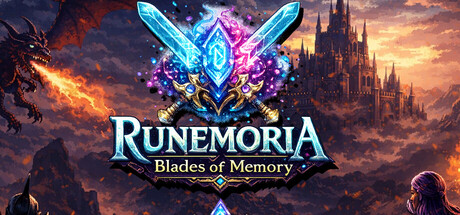
Some visual assets used in Runemoria – Blades of Memory were created with the assistance of generative AI tools and have been modified, curated, and integrated as part of the game’s development process. AI-generated content is limited to pre-rendered visual assets and does not generate gameplay content during play.
Original Chinese text was written by the developer. AI was used solely to assist with translation and localization into other languages.
No AI-generated art, audio, or live-generated content is included in the game.
The development of Eldara incorporated AI-generated content. Specifically, AI image generation tools were used to create certain in-game visual assets, including monster portraits, pet illustrations, item icons, and character artwork.
All AI-generated assets were manually reviewed, curated, and integrated by the developer before inclusion in the final product. No real-world copyrighted artwork was intentionally used as input to the AI generation process.
No AI is used live during gameplay — all assets are pre-generated and shipped with the game. There is no live AI generation, AI dialogue, or AI-driven content while playing.
Some artwork assets including achievement icons and store capsule art were created with the assistance of AI image generation tools (PixelLab). All AI-generated content was reviewed and curated by the developer.
Currently, this game uses placeholder generative AI images for character portraits and voiceovers for the announcer. Hopefully these assets will be replaced by talented artists overtime.
Some UI icons, character and creature sprites, and other in-game graphics in Submission Saga were created with the assistance of generative AI image tools (including Pixellab.ai), and portions of the store page text were drafted with AI writing assistance. Portions of the game's source code were also written with the assistance of an AI coding assistant. All AI-generated content was reviewed, edited, and curated by the developer before inclusion. No AI is used to generate content live during gameplay.
During the development of this game, generative AI is used as a supporting tool for parts of the Japanese / English translation drafts. Final wording is reviewed and adjusted internally before being adopted.
TRANSLATIONS in store page and in-game have been generated with artificial intelligence. These translations are FULLY OPTIONAL to use and you can experience the full game without any artificial intelligence by playing in the English language. I wanted to give people the possibility to experience the game in their native language, which is why this decision was made.
Generative AI was used in limited cases to assist with some in-game music and selected images shown on the Steam store page. All AI-assisted assets were reviewed and curated by the development team.
Some of the music in BomBom Saga is AI-Assisted. This means that the original composition — the soul of the track, the rhythm, lyrics, and beatbox — was 100% created by me.After creation, I used an AI music editing tool (fully licensed for commercial use) strictly to polish, enhance, and refine the instruments. The AI acted merely as a finalization tool, not a creator. No purely AI-generated content is present in the game. Furthermore, I conducted exhaustive copyright checks over several days to guarantee that all tracks are completely safe and free of any infringements.
This title uses generative AI tools as supporting tools in limited parts of development.The game design, animation, asset placement, implementation, direction, programming, writing, stage design, and overall creative decisions are handled by the developer.All AI-assisted content is pre-generated during development. The game does not generate AI content in real time during gameplay.[3D Models]- Tripo AIAI-generated models are used as a base for some 3D assets. The developer performs mesh editing, scaling, texture and normal map adjustments, placement, and in-game implementation.[Music & Sound]- SUNO AIUsed to assist music production based on the developer's original motifs, samples, and creative direction.- ElevenLabsUsed for sound effect generation.All AI-generated content is used within the scope permitted by each tool's commercial usage terms.
This game was developed with the assistance of AI-based tools for programming support, debugging, and general development assistance. All content, gameplay design, and final implementation were reviewed and integrated by the developer.
Generative AI was used only during production for early concept exploration and the creation of some promotional asset drafts. The game does not use generative AI during gameplay. All core in-game assets were manually reviewed, edited, and reworked by human artists.
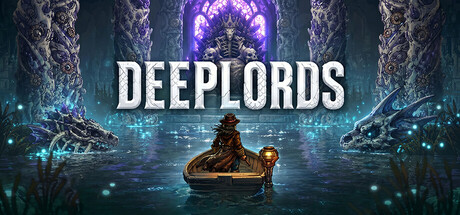
The static pixel art images of the creatures (Deeplords) and environmental elements were pre-generated using AI tools and subsequently animated with another AI tool based on the developer's specific directions. Leveraging 10 years of professional 3D modeling experience, these assets were then integrated as textures and sprites inside complex 3D environments and dioramas modeled manually by the developer in Blender and structured in Unity. The game's Unity C# scripts were pre-generated using AI co-pilot tools based on the precise gameplay logic requested by the developer, followed by extensive manual debugging, correction, and multi-turn optimization cycles. Lastly, the soundtrack and audio elements were pre-generated using AI tools based on specific genre and stylistic vibes provided by the developer, then manually reviewed and refined to perfectly fit the dark atmosphere of the individual biomes.
Some store-page and marketing visual assets may be created or assisted with generative AI. The game itself does not generate AI content during gameplay.
This game was developed with the assistance of generative AI tools. AI was used during development to assist with code, audio, and visual assets. All AI-generated content was reviewed, edited, and integrated by the developer. No generative AI operates at runtime during gameplay.
Vertical capsule image (store and library) generated using Adobe Firefly.
All in-game content (sprites, music, sound effects) is human-created or licensed from human-made asset packs.
Generative AI was used to create artwork for the game, including visual assets seen by players and/or promotional materials. All AI-generated artwork was reviewed, selected, and edited by the developer before inclusion. The game does not generate AI content live during gameplay.
This game contains pre-generated AI-created images, including realistic and horror-themed imagery used during gameplay. All content was reviewed and curated by the developer. The game does not include live AI generation or user-generated content.
Vector Storm's music is procedurally generated in real time using mathematical audio synthesis — not a generative AI
model. The game contains no AI-generated artwork, dialogue, or other content. AI coding tools were used during
development to assist with programming.
The game's initial photos were taken from free resources and stock photos. AI was used to accelerate image processing to match the game's style, as envisioned by the author.
The original game language is English. Localization for all other supported languages was generated using advanced AI translation tools to make the game accessible to more players worldwide at launch. The entire game code, design, assets, and original English text were entirely created by humans.
Some store artwork and promotional images were created or refined with AI-assisted tools, then edited and curated by the developer. The game does not include live AI-generated content.
We are very sorry. We have used AI assistance in the development of our code and some art assets. If any of our players feel uncomfortable with this, we fully understand.
Some visual assets used on this Steam page were edited or retouched using AI-assisted tools, and the achievement icons were created using generative AI / AI-assisted tools.
I (the developper) am a former artist with poor skills in technical aspects of game development such as coding. In that regard, AI was used mainly to fasten the process of development of the game such as:
- help for technical aspects when I couldn't do it due to my limited skills.
- generate a database of random text events based on my own texts and mood that I want for the game. The game contains hundreds of different events that I couldn't afford to write all of them in such a short time. Events are then all checked and corrected by myself to ensure they all fit within the game.
I am not proud of using AI as I am directly concerned by it as an artist myself. But this was my only chance to fulfil my dream of making my own game in a limited time and I want to be transparent with the players that might feel uncomfortable with it.
No AI was used for any other part of the game such as art or sound effects.
Some visual assets used in Runemoria – Blades of Memory were created with the assistance of generative AI tools and have been modified, curated, and integrated as part of the game’s development process. AI-generated content is limited to pre-rendered visual assets and does not generate gameplay content during play.
Original Chinese text was written by the developer. AI was used solely to assist with translation and localization into other languages.
No AI-generated art, audio, or live-generated content is included in the game.
The development of Eldara incorporated AI-generated content. Specifically, AI image generation tools were used to create certain in-game visual assets, including monster portraits, pet illustrations, item icons, and character artwork.
All AI-generated assets were manually reviewed, curated, and integrated by the developer before inclusion in the final product. No real-world copyrighted artwork was intentionally used as input to the AI generation process.
No AI is used live during gameplay — all assets are pre-generated and shipped with the game. There is no live AI generation, AI dialogue, or AI-driven content while playing.
Some artwork assets including achievement icons and store capsule art were created with the assistance of AI image generation tools (PixelLab). All AI-generated content was reviewed and curated by the developer.
Currently, this game uses placeholder generative AI images for character portraits and voiceovers for the announcer. Hopefully these assets will be replaced by talented artists overtime.
Some UI icons, character and creature sprites, and other in-game graphics in Submission Saga were created with the assistance of generative AI image tools (including Pixellab.ai), and portions of the store page text were drafted with AI writing assistance. Portions of the game's source code were also written with the assistance of an AI coding assistant. All AI-generated content was reviewed, edited, and curated by the developer before inclusion. No AI is used to generate content live during gameplay.
During the development of this game, generative AI is used as a supporting tool for parts of the Japanese / English translation drafts. Final wording is reviewed and adjusted internally before being adopted.
TRANSLATIONS in store page and in-game have been generated with artificial intelligence. These translations are FULLY OPTIONAL to use and you can experience the full game without any artificial intelligence by playing in the English language. I wanted to give people the possibility to experience the game in their native language, which is why this decision was made.
Generative AI was used in limited cases to assist with some in-game music and selected images shown on the Steam store page. All AI-assisted assets were reviewed and curated by the development team.
Some of the music in BomBom Saga is AI-Assisted. This means that the original composition — the soul of the track, the rhythm, lyrics, and beatbox — was 100% created by me.After creation, I used an AI music editing tool (fully licensed for commercial use) strictly to polish, enhance, and refine the instruments. The AI acted merely as a finalization tool, not a creator. No purely AI-generated content is present in the game. Furthermore, I conducted exhaustive copyright checks over several days to guarantee that all tracks are completely safe and free of any infringements.
This title uses generative AI tools as supporting tools in limited parts of development.The game design, animation, asset placement, implementation, direction, programming, writing, stage design, and overall creative decisions are handled by the developer.All AI-assisted content is pre-generated during development. The game does not generate AI content in real time during gameplay.[3D Models]- Tripo AIAI-generated models are used as a base for some 3D assets. The developer performs mesh editing, scaling, texture and normal map adjustments, placement, and in-game implementation.[Music & Sound]- SUNO AIUsed to assist music production based on the developer's original motifs, samples, and creative direction.- ElevenLabsUsed for sound effect generation.All AI-generated content is used within the scope permitted by each tool's commercial usage terms.
This game was developed with the assistance of AI-based tools for programming support, debugging, and general development assistance. All content, gameplay design, and final implementation were reviewed and integrated by the developer.
Generative AI was used only during production for early concept exploration and the creation of some promotional asset drafts. The game does not use generative AI during gameplay. All core in-game assets were manually reviewed, edited, and reworked by human artists.
The static pixel art images of the creatures (Deeplords) and environmental elements were pre-generated using AI tools and subsequently animated with another AI tool based on the developer's specific directions. Leveraging 10 years of professional 3D modeling experience, these assets were then integrated as textures and sprites inside complex 3D environments and dioramas modeled manually by the developer in Blender and structured in Unity. The game's Unity C# scripts were pre-generated using AI co-pilot tools based on the precise gameplay logic requested by the developer, followed by extensive manual debugging, correction, and multi-turn optimization cycles. Lastly, the soundtrack and audio elements were pre-generated using AI tools based on specific genre and stylistic vibes provided by the developer, then manually reviewed and refined to perfectly fit the dark atmosphere of the individual biomes.
Some store-page and marketing visual assets may be created or assisted with generative AI. The game itself does not generate AI content during gameplay.
This game was developed with the assistance of generative AI tools. AI was used during development to assist with code, audio, and visual assets. All AI-generated content was reviewed, edited, and integrated by the developer. No generative AI operates at runtime during gameplay.
Vertical capsule image (store and library) generated using Adobe Firefly.
All in-game content (sprites, music, sound effects) is human-created or licensed from human-made asset packs.
Generative AI was used to create artwork for the game, including visual assets seen by players and/or promotional materials. All AI-generated artwork was reviewed, selected, and edited by the developer before inclusion. The game does not generate AI content live during gameplay.
This game contains pre-generated AI-created images, including realistic and horror-themed imagery used during gameplay. All content was reviewed and curated by the developer. The game does not include live AI generation or user-generated content.
Vector Storm's music is procedurally generated in real time using mathematical audio synthesis — not a generative AI
model. The game contains no AI-generated artwork, dialogue, or other content. AI coding tools were used during
development to assist with programming.
The game's initial photos were taken from free resources and stock photos. AI was used to accelerate image processing to match the game's style, as envisioned by the author.