


Disclosure
Some graphics and sound assets included in this game were created with the assistance of Generative AI and were subsequently reviewed and retouched by humans.
- Creator
- BitPick
- Reviews
- -
- Added
- Oct 9, 2026
Public Steam disclosure research 26,525 disclosures tracked
Search developers’ Steam disclosures, compare classified AI use across games, and follow recorded changes. This index adds cross-game classifications and statistics to statements published on individual store pages.
Code help, debugging and other development work.
Capsule art, trailers and promotional material.
Pre-made art, audio, writing and other game assets.
Interactive or runtime AI features disclosed by the developer.
Groups reflect automatic analysis of public disclosures; mature records are excluded. These counts do not measure AI use across all of Steam. Missing or unclear statements cannot establish whether a game uses AI.
Some graphics and sound assets included in this game were created with the assistance of Generative AI and were subsequently reviewed and retouched by humans.
The player character's sprite sheet was created with an AI tool and edited by hand.
Generative AI assisted some game text and store descriptions. Promotional images and gameplay screenshots use actual game visuals. No live AI or external AI services. Offline.
The game includes 2D illustrations created with generative AI during development, including characters, enemies and backgrounds. These images were then manually cleaned up, edited and integrated into the game. The game does not generate AI content during gameplay.
The 32 illustrations, the soundtrack and the sound effects in A to Zen were created with generative AI tools from the developer's own prompts, then selected, checked and edited by hand. The in-game texts, the store translations and parts of the game code were also made with AI assistance and reviewed and tested by the developer. Game design, puzzle mechanics and the chapter concept are the developer's own work. Nothing is generated while you play, and the game does not connect to any AI service.
Generative AI tools may be used to assist with text localization/translation and to support sound effects or background audio production during development. No AI-generated visual assets, 3D models, or artwork are used in the final build of the game.
Bullet Factory is written in French and translated into other languages with generative AI. No content is generated by AI while you play.
AI created promotional images, cinematic trailer footage and helped translate this store page. No AI content is generated during gameplay. The game does not connect to an external AI service while playing.
Some 3D models were made with Meshy, and the radio songs, the radio hosts' voices and the trailer music with ElevenLabs, all from our own descriptions, lyrics and scripts, then selected and edited by the developer. The key art on the store capsules and library images was made with the help of AI image tools. Code was written with AI assistance. Nothing is generated while you play.
This game uses generative AI tools during development to assist with the following content: text translation, sound effects, and background artwork assets
The remake's 3D robots, arenas and animation were produced with AI-assisted generation tools (image-to-3D and image generation) from the original game's designs, then authored, repaired and reviewed by hand in Blender and Unreal. The menu art shown in HD is AI-remastered from the original game's pictures, and the store page artwork was AI-generated from renders of our in-game robots. All AI content is pre-made during development; nothing is generated while you play. The music and sound effects are the original recordings, remastered without AI.
NBD2 is an AI game development studio. As a solo indie dev who is unlikely to ever make a dime from any of my games, there's no other way I could bring my ideas to life. Pop 1,000,000 Hot Air Balloons was created using generative AI throughout development, including its artwork and visuals, store artwork, music, sound effects, player-facing text, and game code. All AI generation took place during development. The game does not generate AI content or code during play or connect to an external AI service. I recognize AI in game development is an extremely sensitive topic and I appreciate both sides. I only hope the game is fun. The goal should always be making something that human beings will enjoy.
The title logo was generated with an AI image tool and then cropped and resized by the developer. The store capsule artwork (the key art behind the logo) was generated with an AI image tool from text prompts only, then cropped and resized by the developer. The in-game text in every language except English and Japanese is machine-translated with an AI language model from the developer's English and Japanese text, and has not yet been reviewed by native speakers. Some English and Japanese interface text and the English and Japanese store description were drafted with an AI writing assistant and then reviewed and edited by the developer. The store description in the other languages is translated with an AI language model. The majority of the code and the design was written by AI coding agents (Claude and Codex) under the developer's direction and review. The in-game characters, items, maps, effects, music, sound effects and fonts are mostly purchased or licensed assets. The exceptions are 8 equipment icons, the slash and healing effects, the spectators in the stands, the crowd cheers and the app icon, which were drawn or synthesized by programs written by AI coding agents (no image or audio generation model was used). The cutting out, combining, recoloring and touching up of the purchased assets, and the shapes and light effects the game draws on screen during matches, are also done by programs written by AI.
Pre-generated AI content The application's user-facing text was written with the assistance of a large language model, and translated from English into the other nine supported languages the same way. The store page description was drafted the same way. The screenshots are unedited captures of the running software. The in-application audio is synthesised by a DSP script, not by a generative model. from material the developer produced: frames of video recorded in the headset, and renders of the application's own interface. Live-generated AI content None. Next Eye does not run any AI model at runtime, does not send anything to any service, and works entirely offline.
Some content in PRE-ECHO was created with the help of generative AI tools during development and was then integrated, adjusted and art-directed by the developer: - 3D models: the character and creature models, and many prop and vehicle models, were generated with Tripo from original reference images made for this project, then rigged, adjusted and textured in Blender and Unreal Engine. - 2D art: some textures and interface images (such as the main-menu background, the workshop investigation board, journal and map paper, and inventory icons) were generated with image-generation tools from original prompts. - Voices: all spoken lines are synthesized with the open-source Kokoro text-to-speech model using generic voices. No real person's voice was recorded or cloned. - Music: the score and ambient pieces were generated with Suno from the developer's own descriptions; sound effects are licensed recordings and project-made sounds. - Text: the script, in-game text and English/Spanish localization were written with an AI assistant under the developer's direction. - Store art: the store and library artwork was generated with AI image tools from the project's own character and creature references, then retouched by the developer. The logo was made without AI. The screenshots are unedited captures of the game. No content is generated by AI while the game is running.
The key art and logo began as an AI-generated base image, which we then reworked and finished by hand in Photoshop. The narration in the trailers is a synthetic voice made with a text-to-speech model. Nothing inside the game is AI-generated: every critter, the world, the device, the music and the sound are drawn and composed by the game's own code.
Farmkill Remastered brings back the game our small team originally created for iPad in 2012. For its PC remaster, we used AI tools to upscale, sharpen and redraw the original low-resolution artwork, preserving the characters and visual designs while restoring detail for larger screens. We also used generative AI to create new artwork, music, character voices, sound effects, written content and animated cutscenes, including assets used in the store artwork and trailer. This content was generated during development, then selected and integrated under the developer’s creative direction. The game does not generate AI content during play.
Pre-generated: the music and SFX was created with generative AI tools and then edited and mixed by the developer. No generative AI is used while the game is running.
Parte del texturizado, la optimización de mallas y las traducciones se realizaron con ayuda de herramientas de IA generativa. Todo el contenido fue revisado y editado manualmente.
The game's text is partially translated into multiple languages with the help of AI. Feedback from native speakers is welcome.
I used an AI coding assistant while building the game, and it helped come up with the achievement names and descriptions, and some events which I edited. Nothing else in the game is AI generated: the soundtrack is licensed from its creators, the radio voices are my own recordings, and the art and sounds are produced by the game's code.
Some voice lines (the narrator, phone messages and townspeople), some sound effects and the menu music were created with generative AI text-to-speech and audio tools (ElevenLabs) and edited by the developer. All visual art, 3D, animation, level design and code were made by the developer. No AI content is generated during gameplay.
AI was used in the creation and enhancement of the visuals and atmosphere of the game and to speed up the programming process
Parts of Tinselwood were made with generative AI during development: its music and sound effects, its interface icons and store art, some of its set-piece models, and parts of its code. All of it was reviewed and reworked by hand, and nothing is generated while you play.
Generative AI was used to assist with some pre-generated 2D artwork. All AI-assisted assets were selected, edited and integrated by the developer. No generative AI is used during gameplay.
The game's pixel art (characters, enemies, bosses, environment tiles and props, effects, UI icons) was created with the help of the AI tool PixelLab and then selected, edited, animated and assembled by the developer. The key art, logo, app icon, music and sound effects were generated with Higgsfield and then edited and mixed by the developer. The trailer's opening and closing cinematic shots are AI-animated from the game's key art. All gameplay, code and design are the developer's own. The game does not generate any content with AI while it runs.
AI was used for some sounds or small textures
Pre-generated AI content only; nothing is generated live during gameplay. - Some 3D assets (character models, the seeker's bandana and a few props) were created with AI-assisted 3D generation tools, then edited, rigged and adjusted by hand before being used in the game. - Some 2D images (in-game "how to play" board, UI art) were created with AI image tools and edited by hand. - Parts of the in-game text localization were produced with AI translation and reviewed by the developer. All AI-generated assets were reviewed by us and we hold the rights required to use and distribute them.
AI was used to draft the localizations into 30 languages and parts of the store page text.
The localization and some code snippets were generated using AI and reviewed
Generative AI was used to assist with the creation of some visual and audio assets, localization, and store-page marketing materials. All AI-assisted content was reviewed and edited by the developer before use. The game does not use live generative AI during gameplay.
Some music, sound effects, artwork and translations were made with AI tools and edited by hand. The map, units and interface you see in play are drawn by the game's own code. No generative AI is used at runtime.
STTS uses AI speech models while you use it. Text you type is turned into speech by text-to-speech models (gTTS, Qwen3-TTS, Supertonic), including voice cloning from a short recording you provide. Speech you hear is transcribed into captions by Whisper. No AI-generated content is pre-rendered or shipped with the app.
Hello! It’s a pleasure to greet you. I am the developer of Zero Colour. As you may notice, some aspects of the game include AI. I understand that some people may not like this or may find it bothersome, so I apologize for that. I am using this tool because I do not have the resources to hire professionals for the game’s art or translations. Please excuse any mistakes; I did my best. I hope you enjoy the game. If you have any corrections or suggestions, please feel free to let me know. Thank you very much!
This game's 3D models, music, sound effects, and in-game text (dialogue, item names and descriptions) were created with the help of generative AI, under the developer's direction and review. The store images and trailer use this in-game content.
Some in-game artwork (sprites, icons and illustrations), sound effects, music and localized text were created with the help of generative AI tools, then edited, curated and reviewed by the developer. No content is generated by AI during gameplay.
Some content was pre-generated with AI tools during development and then edited by the developer.
Generative AI was used during development to create images, music, and in-game text.
1) Artwork: card illustrations and other visual assets were created with the help of AI image generation tools, then selected and edited by the developer. 2) Music: the soundtrack was created with the help of AI music generation tools.
background and Logo with created AI.
The art, animation, voice acting and music in this game were pre-generated with generative AI tools, then selected, edited and corrected shot by shot by hand. The script, all dialogue and the story structure are human-written. No AI generation happens at runtime.
This game did use generative AI during its development. This was more of a fun side project while working on the main project (Ducki's Descent, which doesn't use AI), tinkering around with AI since my fiancé likes this genre of games, so since it uses AI its free.
The original 100 000+ word story was written by me in German. I used the AI ChatGPT to help me with localising that into English. This translation was prepared, guided and proof-read by me, to ensure that certain fantastic elements of the story and the world within the game carried over into English. Despite that, much of the actual translating was done by the AI.
Generative AI was used to create music for the game and its promotional trailer.
Some of the game's text (menus, hints, minigame descriptions and translations) and the copy on this store page were written with the help of an AI language model. The game does not use AI to create anything while you play.
AI was used to create artwork, music, audio and store images. All content is pre-generated; no live AI or external AI services.
Generative AI was used during development to create some illustrations, visual assets, and built-in example dog images. These assets are included with the game. Your own pet photos are processed locally on your computer to create animated paper cutouts; they are never uploaded to online AI services or redrawn using generative AI.
Generative AI was used only to help draft and polish English store-page text, as English is not my first language. No game assets, images, sound effects, or music were generated using generative AI. Screenshots show actual gameplay, and promotional artwork uses in-game renders. The game does not generate AI content during gameplay or connect to external AI services.
游戏内部分资产使用AI辅助生成
All game assets were manually designed in Blender by the developer. Only a small portion of pre-rendered artwork and cinematics involved AI.
| Title⇅ | Disclosure | Creator⇅ | Src | Reviews⇅ | Added↓ |
|---|---|---|---|---|---|
 Pan, Please! In-game content artaudio | Some graphics and sound assets included in this game were created with the assistance of Generative AI and were subsequently reviewed and retouched by humans. | BitPick | - | Oct 9, 2026 | |
 My Dirty Little Lake In-game content art | The player character's sprite sheet was created with an AI tool and edited by hand. | Modern Daedalus Studio | - | Oct 9, 2026 | |
 Fliptrail Store/marketing text | Generative AI assisted some game text and store descriptions. Promotional images and gameplay screenshots use actual game visuals. No live AI or external AI services. Offline. | 1114980610yuyu | - | Oct 9, 2026 | |
 CLOCKHEART — The Dead Hour In-game content art | The game includes 2D illustrations created with generative AI during development, including characters, enemies and backgrounds. These images were then manually cleaned up, edited and integrated into the game. The game does not generate AI content during gameplay. | AXONE GAMES | - | Oct 9, 2026 | |
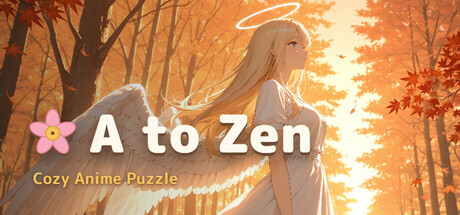 A to Zen: Cozy Anime Puzzle In-game content artaudiocodetext | The 32 illustrations, the soundtrack and the sound effects in A to Zen were created with generative AI tools from the developer's own prompts, then selected, checked and edited by hand. The in-game texts, the store translations and parts of the game code were also made with AI assistance and reviewed and tested by the developer. Game design, puzzle mechanics and the chapter concept are the developer's own work. Nothing is generated while you play, and the game does not connect to any AI service. | Pross Digital Studio | - | Oct 9, 2026 | |
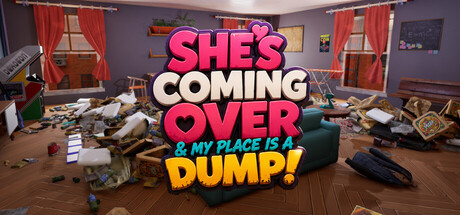 She's Coming Over & My Place is a Dump! In-game content textaudio | Generative AI tools may be used to assist with text localization/translation and to support sound effects or background audio production during development. No AI-generated visual assets, 3D models, or artwork are used in the final build of the game. | We Had a Plan | - | Oct 9, 2026 | |
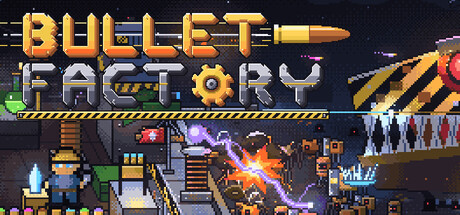 Bullet Factory In-game content text | Bullet Factory is written in French and translated into other languages with generative AI. No content is generated by AI while you play. | MagicalWind | - | Oct 9, 2026 | |
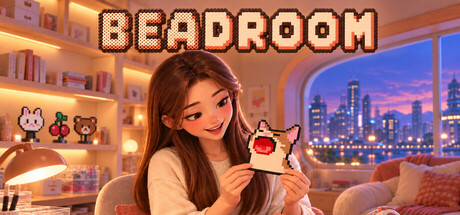 Beadroom In-game content arttext | AI created promotional images, cinematic trailer footage and helped translate this store page. No AI content is generated during gameplay. The game does not connect to an external AI service while playing. | Panda Games VK | - | Oct 9, 2026 | |
 Not Another Garbage Simulator In-game content artaudiocode | Some 3D models were made with Meshy, and the radio songs, the radio hosts' voices and the trailer music with ElevenLabs, all from our own descriptions, lyrics and scripts, then selected and edited by the developer. The key art on the store capsules and library images was made with the help of AI image tools. Code was written with AI assistance. Nothing is generated while you play. | Score Software LLC | - | Oct 9, 2026 | |
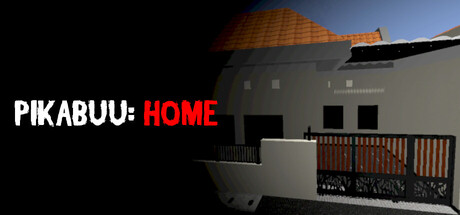 Pikabuu: Home In-game content textaudioart | This game uses generative AI tools during development to assist with the following content: text translation, sound effects, and background artwork assets | JoyKeratif | - | Oct 9, 2026 | |
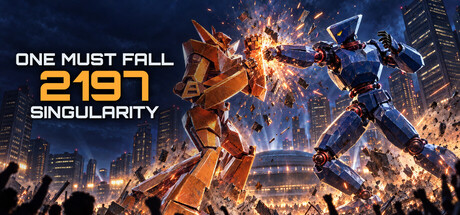 One Must Fall 2097 In-game content art | The remake's 3D robots, arenas and animation were produced with AI-assisted generation tools (image-to-3D and image generation) from the original game's designs, then authored, repaired and reviewed by hand in Blender and Unreal. The menu art shown in HD is AI-remastered from the original game's pictures, and the store page artwork was AI-generated from renders of our in-game robots. All AI content is pre-made during development; nothing is generated while you play. The music and sound effects are the original recordings, remastered without AI. | LineCrush Games | - | Oct 9, 2026 | |
 Pop 1,000,000 Hot Air Balloons In-game content artaudiotextcode | NBD2 is an AI game development studio. As a solo indie dev who is unlikely to ever make a dime from any of my games, there's no other way I could bring my ideas to life.
Pop 1,000,000 Hot Air Balloons was created using generative AI throughout development, including its artwork and visuals, store artwork, music, sound effects, player-facing text, and game code. All AI generation took place during development. The game does not generate AI content or code during play or connect to an external AI service.
I recognize AI in game development is an extremely sensitive topic and I appreciate both sides. I only hope the game is fun.
The goal should always be making something that human beings will enjoy. | NBD2 | - | Oct 9, 2026 | |
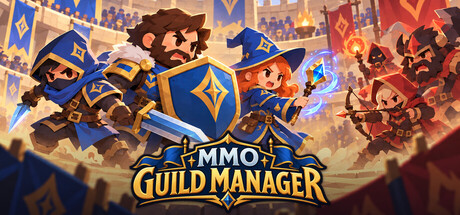 MMO Guild Manager In-game content arttextcode | The title logo was generated with an AI image tool and then cropped and resized by the developer.
The store capsule artwork (the key art behind the logo) was generated with an AI image tool from text prompts only, then cropped and resized by the developer.
The in-game text in every language except English and Japanese is machine-translated with an AI language model from the developer's English and Japanese text, and has not yet been reviewed by native speakers.
Some English and Japanese interface text and the English and Japanese store description were drafted with an AI writing assistant and then reviewed and edited by the developer. The store description in the other languages is translated with an AI language model.
The majority of the code and the design was written by AI coding agents (Claude and Codex) under the developer's direction and review.
The in-game characters, items, maps, effects, music, sound effects and fonts are mostly purchased or licensed assets. The exceptions are 8 equipment icons, the slash and healing effects, the spectators in the stands, the crowd cheers and the app icon, which were drawn or synthesized by programs written by AI coding agents (no image or audio generation model was used). The cutting out, combining, recoloring and touching up of the purchased assets, and the shapes and light effects the game draws on screen during matches, are also done by programs written by AI. | iida-lab | - | Oct 9, 2026 | |
 Next Eye In-game content text | Pre-generated AI content
The application's user-facing text was written with the assistance of a large language model, and translated from English into the other nine supported languages the same way. The store page description was drafted the same way.
The screenshots are unedited captures of the running software.
The in-application audio is synthesised by a DSP script, not by a generative model.
from material the developer produced: frames of video recorded in the headset, and renders of the application's own interface.
Live-generated AI content
None. Next Eye does not run any AI model at runtime, does not send anything to any service, and works entirely offline. | SegoraPro | - | Oct 9, 2026 | |
 PRE-ECHO In-game content artaudiotext | Some content in PRE-ECHO was created with the help of generative AI tools during development and was then integrated, adjusted and art-directed by the developer:
- 3D models: the character and creature models, and many prop and vehicle models, were generated with Tripo from original reference images made for this project, then rigged, adjusted and textured in Blender and Unreal Engine.
- 2D art: some textures and interface images (such as the main-menu background, the workshop investigation board, journal and map paper, and inventory icons) were generated with image-generation tools from original prompts.
- Voices: all spoken lines are synthesized with the open-source Kokoro text-to-speech model using generic voices. No real person's voice was recorded or cloned.
- Music: the score and ambient pieces were generated with Suno from the developer's own descriptions; sound effects are licensed recordings and project-made sounds.
- Text: the script, in-game text and English/Spanish localization were written with an AI assistant under the developer's direction.
- Store art: the store and library artwork was generated with AI image tools from the project's own character and creature references, then retouched by the developer. The logo was made without AI. The screenshots are unedited captures of the game.
No content is generated by AI while the game is running. | Simulsix | - | Oct 9, 2026 | |
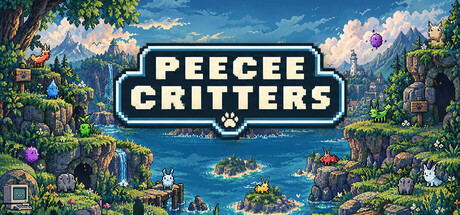 PeeCee Critters In-game content artaudio | The key art and logo began as an AI-generated base image, which we then reworked and finished by hand in Photoshop. The narration in the trailers is a synthetic voice made with a text-to-speech model. Nothing inside the game is AI-generated: every critter, the world, the device, the music and the sound are drawn and composed by the game's own code. | MutantToes Studios | - | Oct 9, 2026 | |
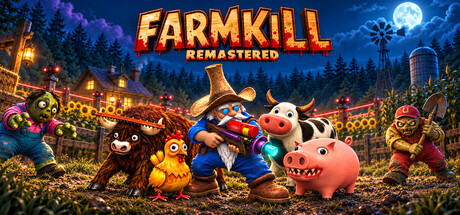 Farmkill Remastered In-game content artaudiotext | Farmkill Remastered brings back the game our small team originally created for iPad in 2012. For its PC remaster, we used AI tools to upscale, sharpen and redraw the original low-resolution artwork, preserving the characters and visual designs while restoring detail for larger screens.
We also used generative AI to create new artwork, music, character voices, sound effects, written content and animated cutscenes, including assets used in the store artwork and trailer. This content was generated during development, then selected and integrated under the developer’s creative direction. The game does not generate AI content during play. | Edible Entertainment Pty Limited | - | Oct 9, 2026 | |
 Marble Factory In-game content audio | Pre-generated: the music and SFX was created with generative AI tools and then edited and mixed by the developer. No generative AI is used while the game is running. | Job's Done Games | - | Oct 9, 2026 | |
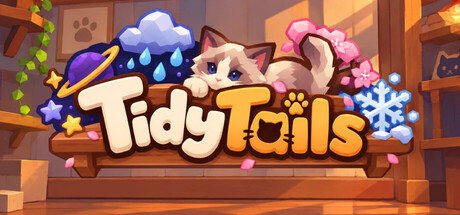 Tidy Tails In-game content arttext | Parte del texturizado, la optimización de mallas y las traducciones se realizaron con ayuda de herramientas de IA generativa. Todo el contenido fue revisado y editado manualmente. | Dualbeam Studios | - | Oct 9, 2026 | |
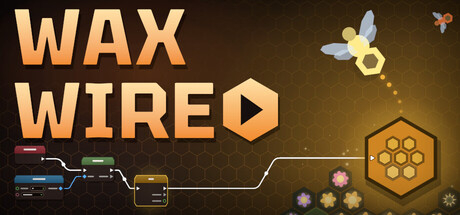 WaxWire: Program the Hive In-game content text | The game's text is partially translated into multiple languages with the help of AI.
Feedback from native speakers is welcome. | dyskomworks | - | Oct 9, 2026 | |
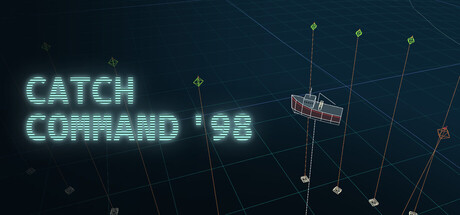 Catch Command '98 In-game content text | I used an AI coding assistant while building the game, and it helped come up with the achievement names and descriptions, and some events which I edited. Nothing else in the game is AI generated: the soundtrack is licensed from its creators, the radio voices are my own recordings, and the art and sounds are produced by the game's code. | MonkeyCat Games | - | Oct 9, 2026 | |
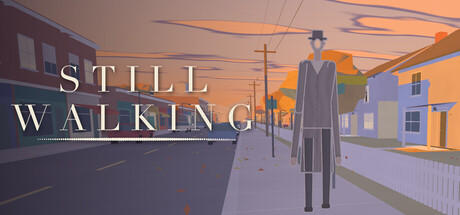 Still Walking In-game content audio | Some voice lines (the narrator, phone messages and townspeople), some sound effects and the menu music were created with generative AI text-to-speech and audio tools (ElevenLabs) and edited by the developer. All visual art, 3D, animation, level design and code were made by the developer. No AI content is generated during gameplay. | LogiK | - | Oct 9, 2026 | |
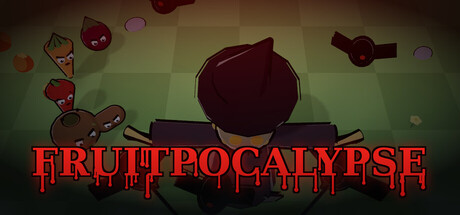 Fruitpocalypse Dev only artcode | AI was used in the creation and enhancement of the visuals and atmosphere of the game and to speed up the programming process | SilverArrowGames | - | Oct 9, 2026 | |
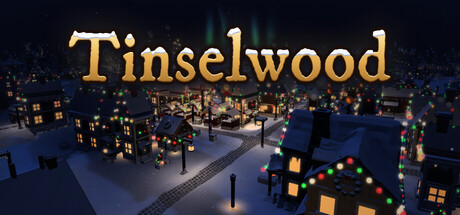 Tinselwood In-game content artaudiocode | Parts of Tinselwood were made with generative AI during development: its music and sound effects, its interface icons and store art, some of its set-piece models, and parts of its code. All of it was reviewed and reworked by hand, and nothing is generated while you play. | Clackety Rock LLC | - | Oct 9, 2026 | |
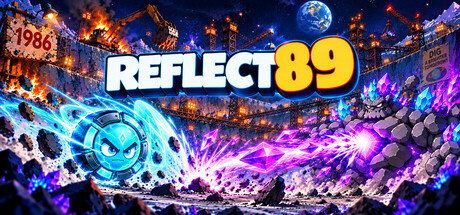 REFLECT89 In-game content art | Generative AI was used to assist with some pre-generated 2D artwork. All AI-assisted assets were selected, edited and integrated by the developer. No generative AI is used during gameplay. | EiSee Games | - | Oct 9, 2026 | |
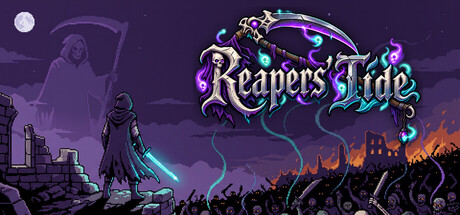 Reapers' Tide In-game content artaudio | The game's pixel art (characters, enemies, bosses, environment tiles and props, effects, UI icons) was created with the help of the AI tool PixelLab and then selected, edited, animated and assembled by the developer. The key art, logo, app icon, music and sound effects were generated with Higgsfield and then edited and mixed by the developer. The trailer's opening and closing cinematic shots are AI-animated from the game's key art. All gameplay, code and design are the developer's own. The game does not generate any content with AI while it runs. | Petr Jirous | - | Oct 9, 2026 | |
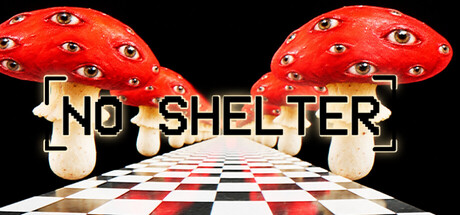 NO SHELTER art | AI was used for some sounds or small textures | Rough Devs | - | Oct 9, 2026 | |
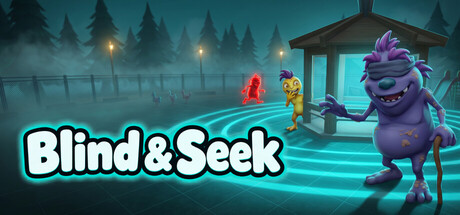 Blind & Seek In-game content arttext | Pre-generated AI content only; nothing is generated live during gameplay.
- Some 3D assets (character models, the seeker's bandana and a few props) were
created with AI-assisted 3D generation tools, then edited, rigged and adjusted
by hand before being used in the game.
- Some 2D images (in-game "how to play" board, UI art) were created with AI image
tools and edited by hand.
- Parts of the in-game text localization were produced with AI translation and
reviewed by the developer.
All AI-generated assets were reviewed by us and we hold the rights required to
use and distribute them. | RetroVive | - | Oct 9, 2026 | |
 Fractokinesis Store/marketing text | AI was used to draft the localizations into 30 languages and parts of the store page text. | Panin Maxim | - | Oct 9, 2026 | |
 The Theory of Humanity In-game content textcode | The localization and some code snippets were generated using AI and reviewed | Palm and Stars | - | Oct 9, 2026 | |
 PUZFLO: Run the Line In-game content artaudiotext | Generative AI was used to assist with the creation of some visual and audio assets, localization, and store-page marketing materials. All AI-assisted content was reviewed and edited by the developer before use. The game does not use live generative AI during gameplay. | Hajime | - | Oct 9, 2026 | |
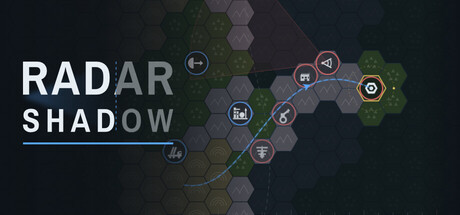 Radar Shadow In-game content artaudiotext | Some music, sound effects, artwork and translations were made with AI tools and edited by hand. The map, units and interface you see in play are drawn by the game's own code. No generative AI is used at runtime. | ZMEJ | - | Oct 9, 2026 | |
 STTS Live AI audiotext | STTS uses AI speech models while you use it. Text you type is turned into speech by text-to-speech models (gTTS, Qwen3-TTS, Supertonic), including voice cloning from a short recording you provide. Speech you hear is transcribed into captions by Whisper. No AI-generated content is pre-rendered or shipped with the app. | NONO6202 | - | Oct 9, 2026 | |
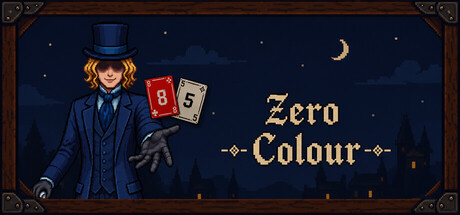 Zero Colour In-game content arttext | Hello! It’s a pleasure to greet you.
I am the developer of Zero Colour.
As you may notice, some aspects of the game include AI. I understand that some people may not like this or may find it bothersome, so I apologize for that.
I am using this tool because I do not have the resources to hire professionals for the game’s art or translations. Please excuse any mistakes; I did my best.
I hope you enjoy the game. If you have any corrections or suggestions, please feel free to let me know.
Thank you very much! | coffeeandcookies2k | - | Oct 9, 2026 | |
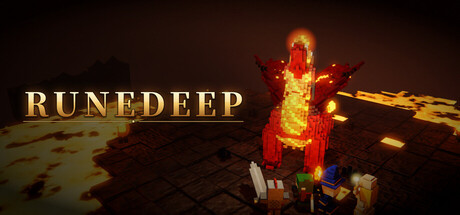 Rune Deep In-game content artaudiotext | This game's 3D models, music, sound effects, and in-game text (dialogue, item names and descriptions) were created with the help of generative AI, under the developer's direction and review. The store images and trailer use this in-game content. | kumashin | - | Oct 9, 2026 | |
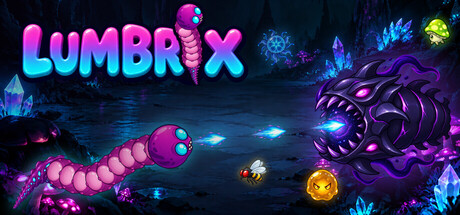 Lumbrix In-game content artaudiotext | Some in-game artwork (sprites, icons and illustrations), sound effects, music and localized text were created with the help of generative AI tools, then edited, curated and reviewed by the developer. No content is generated by AI during gameplay. | JSM games | - | Oct 9, 2026 | |
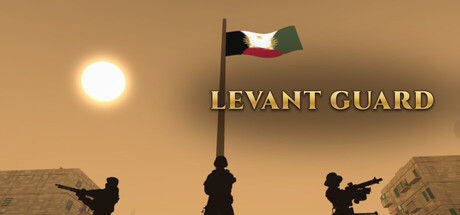 Levant Guard Dev only artaudiotext | Some content was pre-generated with AI tools during development and then edited by the developer. | GameQ Labs | - | Oct 9, 2026 | |
 Jurassic Paradise In-game content artaudiotext | Generative AI was used during development to create images, music, and in-game text. | UnionJam | - | Oct 9, 2026 | |
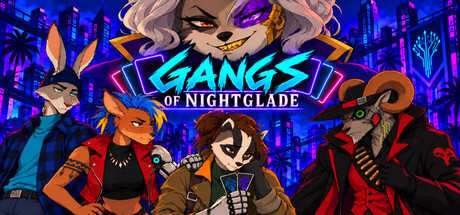 Gangs of Nightglade In-game content artaudio | 1) Artwork: card illustrations and other visual assets were created with the help of AI image generation tools, then selected and edited by the developer.
2) Music: the soundtrack was created with the help of AI music generation tools. | Massive Mustache | - | Oct 9, 2026 | |
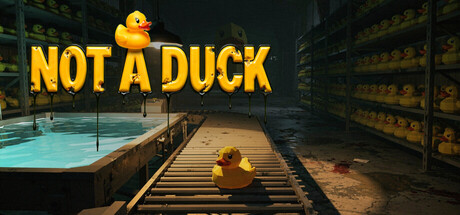 Not a Duck Store/marketing art | background and Logo with created AI. | NOXRG | - | Oct 9, 2026 | |
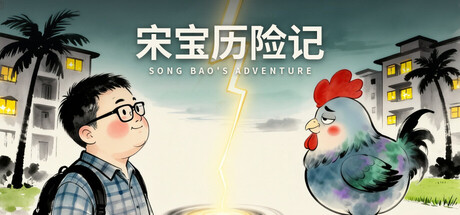 Song Bao's Adventure In-game content artaudiotext | The art, animation, voice acting and music in this game were pre-generated with generative AI tools, then selected, edited and corrected shot by shot by hand. The script, all dialogue and the story structure are human-written. No AI generation happens at runtime. | Song Bao | - | Oct 9, 2026 | |
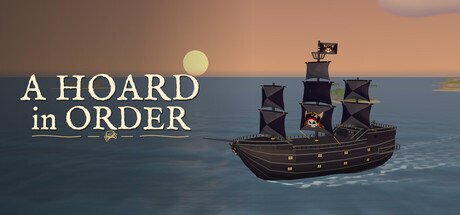 A Hoard in Order Dev only | This game did use generative AI during its development. This was more of a fun side project while working on the main project (Ducki's Descent, which doesn't use AI), tinkering around with AI since my fiancé likes this genre of games, so since it uses AI its free. | Salty Scallop Games | - | Oct 9, 2026 | |
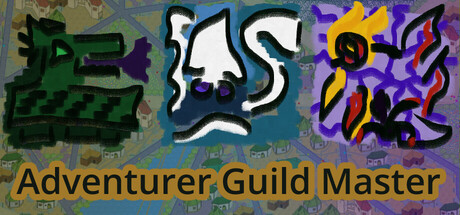 Abenteurergildenmeister In-game content text | The original 100 000+ word story was written by me in German. I used the AI ChatGPT to help me with localising that into English. This translation was prepared, guided and proof-read by me, to ensure that certain fantastic elements of the story and the world within the game carried over into English. Despite that, much of the actual translating was done by the AI. | Oiko | - | Oct 9, 2026 | |
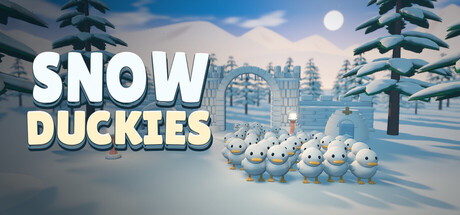 Snow Duckies In-game content audio | Generative AI was used to create music for the game and its promotional trailer. | Lost Games | - | Oct 9, 2026 | |
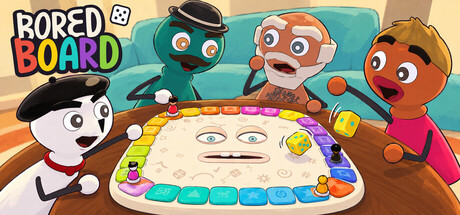 Bored Board In-game content text | Some of the game's text (menus, hints, minigame descriptions and translations) and the copy on this store page were written with the help of an AI language model. The game does not use AI to create anything while you play. | at your own risk studios | - | Oct 9, 2026 | |
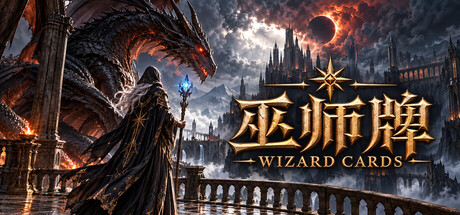 巫师牌《Wizard Cards》 In-game content artaudio | AI was used to create artwork, music, audio and store images. All content is pre-generated; no live AI or external AI services. | fj游界 | - | Oct 9, 2026 | |
 Candid: Good Dog In-game content art | Generative AI was used during development to create some illustrations, visual assets, and built-in example dog images. These assets are included with the game. Your own pet photos are processed locally on your computer to create animated paper cutouts; they are never uploaded to online AI services or redrawn using generative AI. | Yang Yang | - | Oct 9, 2026 | |
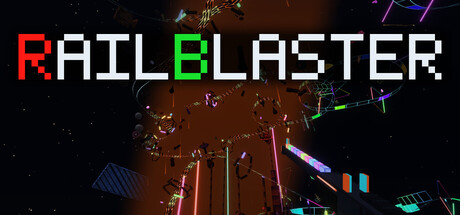 RailBlaster Store/marketing text | Generative AI was used only to help draft and polish English store-page text, as English is not my first language. No game assets, images, sound effects, or music were generated using generative AI. Screenshots show actual gameplay, and promotional artwork uses in-game renders. The game does not generate AI content during gameplay or connect to external AI services. | John Mark Presents | - | Oct 9, 2026 | |
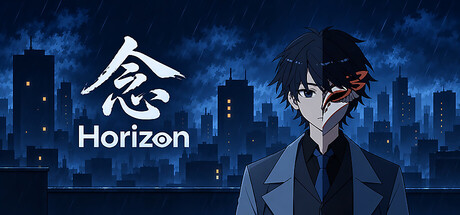 念 Horizon In-game content art | 游戏内部分资产使用AI辅助生成 | IndigoIce Studio | - | Oct 9, 2026 | |
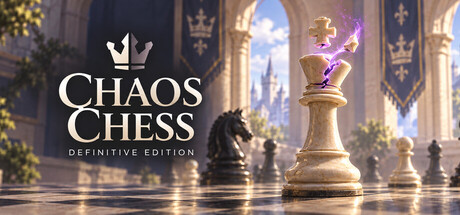 Chaos Chess Definitive Edition Store/marketing art | All game assets were manually designed in Blender by the developer. Only a small portion of pre-rendered artwork and cinematics involved AI. | Camis Publishers | - | Oct 9, 2026 |


