








Disclosure
Some of this game’s art assets and code are generated by AI.
- Creator
- DREAMBEACON
- Reviews
- -
- Added
- Sep 10, 2026
Public Steam disclosure research 25,508 disclosures tracked
Search developers’ Steam disclosures, compare classified AI use across games, and follow recorded changes. This index adds cross-game classifications and statistics to statements published on individual store pages.
Code help, debugging and other development work.
Capsule art, trailers and promotional material.
Pre-made art, audio, writing and other game assets.
Interactive or runtime AI features disclosed by the developer.
Groups reflect automatic analysis of public disclosures; mature records are excluded. These counts do not measure AI use across all of Steam. Missing or unclear statements cannot establish whether a game uses AI.
Some of this game’s art assets and code are generated by AI.
I leveraged AI tools to bring my game concept to life, with AI assistance in coding, artwork, and the Steam store page. I want to assure you that this game was built through genuine collaboration between myself and AI—working together to create a better, more enjoyable experience.
Some pictures, animations, sounds and code parts were created with AI.
I started this project completely from scratch and have spent a lot of time developing and refining it. Claude Code AI was used to help me with certain tasks, such as implementing the save system, menus, and scoring system. However, the AI did not build the game for me. I was responsible for the overall development, design, integration, testing, debugging, and all the decisions made throughout the project. The entire project was developed in Unreal Engine 5.8, primarily using C++ with a few Blueprints. Despite what you may sometimes hear, using AI does not mean that the work is done for you. It can be a useful tool, but you still need to understand what you are doing, integrate the code into your project, fix issues, test everything, and spend many hours making the final result work properly.
Generative AI tools were used during development to assist with portions of the game’s code and the creation or refinement of certain visual and marketing assets. All AI-assisted material was reviewed, edited, and integrated by the developer. The game does not generate AI content during gameplay.
Generative AI tools were used to create store graphical assets, promotional images, capsule artwork, and in-game card visual assets. AI was not used to generate live in-game content.
AI tools were used during development to create pre-generated content. The game's text was translated from English into 16 additional languages using AI translation with automated consistency review. Game artwork and the soundtrack were created by the developer using generative AI tools; every asset was individually reviewed and curated before inclusion. Store page assets (screenshots, trailer, capsule art) depict or derive from this same game content. The game contains no live/runtime AI generation — all content is fixed at build time, and the game runs fully offline.
Generative AI tools were used in the development of this game, including character art and sprites, backgrounds and environment art, sound effects and music, in-game text and narrative content, and store page assets such as screenshots and marketing images. All AI-assisted content was reviewed and curated by the developer before being included in the game.
Blitz Jong uses generative AI for part of its art and audio: the selectable player avatars, the home screen key art, the background music, animations, and some of the optional voice packs for call announcements.
AI has been used to help develop the game's cover art.
Program code, UI text, the thirteen-language interface localization and store page copy were produced with the assistance of generative AI tools. The character model was hand-made by a 3D artist; environment models, music and sound effects come from credited human authors and licensed asset packs; all screenshots and promotional images are rendered in-engine. No AI-generated imagery or audio is included.
The game uses generative AI in a limited capacity to create small aesthetic UI elements (such as icons and the mouse cursor), to assist with game translations, and to generate voiceovers for promotional materials, such as the game's trailer and to make minor adjustments. We only consider AI to be a supportive tool. Every detail is meticulously crafted with human intent, as our creative process is still firmly anchored in manual craftsmanship.
The area background artwork in this game is based on images created with a generative AI tool. This covers 96 images across six themes; the generated images were reviewed, selected, and processed into the game's format during development. Some title logos were produced the same way and then post-processed. All other assets — cell graphics, clouds, sound effects, background music, planet textures, and the app icon — are generated procedurally in code and do not use AI. No AI runs while the game is playing.
The Settings and Guide Texts are partially generated by generative AI.
AI has been used to help develop the game's cover art.
Generative AI tools were used during the development of MINTHAVEN to assist with creating and iterating visual assets, including concept art and card artwork. AI-generated content is reviewed, edited, and integrated by the development team. No generative AI content is created in real time during gameplay.
Some art and audio in Bunker And Friends was produced with generative AI tools during development. This includes store and marketing artwork — the key art, store capsules, and logo elements — and some sound effects and music. All of it was generated ahead of time and ships as fixed assets. The game does not generate any content using AI while you play, and it does not connect to any external AI service during gameplay.
AI was utilized as a supportive tool during development to streamline processes, while all final creative assets were designed, crafted, and polished by our team of artists with dedication and precision.
All final visuals of the game are created and finalized by our art team. AI-assisted tools are used only during the early concept and ideation stages. All visual assets in the final version are manually created, refined, and finalized by our artists.
Some marketing assets were created with the assistance of generative AI. All gameplay, code, game content, and in-game art are human-made; the game contains. There is no AIgenerated content at runtime.
All card art, UI, and character face customization are hand-drawn by me. Everything in this game is made by me or from purchased assets, except for one wall painting and one window decoration texture, which were AI generated and will be replaced later.
Some pre-rendered art assets (enemy and background artwork) and localization were created with generative AI tools under human direction, then manually cleaned up and integrated by the developers. Development used AI-assisted coding tools. No content is AI-generated at runtime.
Pre-generated AI tools were used to assist in creating 2D character, environment, interface, and promotional artwork. No content is generated by AI during gameplay, and the game does not connect to external AI services.
We are a small studio with only six people actively involved in development. For teams like ours, generative AI is a supportive tool that helps us realize a creative vision that would otherwise be completely out of reach within our budget. It allows us to focus on what we love doing most: creating games. We view AI strictly as a practical toolset. Here is how we utilized generative AI in our game: • Visual Assets: We use generative AI for both concept art and in-game graphics. The vast majority of these AI-generated images are manually modified, iterated upon, and finalized by our artist. We have not replaced any jobs; our games simply feature richer visual assets. • Audio & Voice-over: Voice-over (VO) lines and several music tracks were generated using AI. • Proofreading: We utilize AI to proofread our texts and scripts.
Props to you for checking this out! I used AI to help code some of the newer features and port this from my original mobile build as it saved a lot of dev time. Everything else—sounds, amateur vector art, and the remaining 85%+ of the code is completely human-crafted.
This game uses generative AI tools only to assist with text translations.
Generative AI was used to prototype and stylize most pixel art. Generative AI was NOT used for writing, music, or mechanics.
This software incorporates a local AI model, which is used solely to provide an "intelligent semantic search" service. When you enter a text description, the AI analyzes the semantics in real time and searches your local image library to display the most relevant image results. All search results are sourced from your local image library; the AI does not generate or create any new image or video content. Users can choose whether to enable this feature.
Pre-generated generative AI tools were used during development to create a limited number of static visual assets. OpenAI image generation was used to create a supernatural Wooden Man face texture and four decorative environment and fabric textures used in the post-match ceremony. Meshy was used to create the Wooden Man 3D character model. These assets are included in the shipped game and may also be visible in store screenshots or trailers. The assets were reviewed, edited where necessary, and integrated into the game by the developer. The game does not use live-generated AI. It does not connect to a generative AI service during gameplay, does not send player input to an AI service, and does not generate new AI content while the game is running.
AI tools were used to assist with localizing the interface text into the game's 11 supported languages. All artwork, music, sound and game design are human-made.
AI was used to assist in generating some artwork and opponent profile images featured in the game.
Generative AI tools were used for pre-rendered character portraits, title/key artwork and other game illustrations, portions of promotional video and audio, marketing artwork, and assistance with localized text. These assets and text were reviewed and edited for the game. Orderfall does not generate AI content during gameplay or connect to an external AI service. The live-action-style Captain Cook teaser is dramatized promotional footage; the game itself uses pixel-art graphics.
The soundtrack is AI generated with human modifications. Art, text, localizations, and store assets were made with AI assistance and human modifications. Nothing is generated at runtime, and the game never connects to an AI service.
The developer of The Grotto Index used generative AI tools during development to help create some of the game's visual assets, including specimen pixel art and illustrations. All AI-assisted content was reviewed, edited, and curated by the developer before being included in the game. No content is generated by AI during gameplay — every puzzle, image, and piece of text in the shipped game is fixed and was finalized before release.
Used pre-rendered AI tools for background artwork assets during development.
AI-Assisted Language Translation
Artificial intelligence was only used to create Steam store designs and cover art.
Generative AI tools were used in a limited capacity during development.
Some visual, localization, store page, and marketing materials may be created with the assistance of generative AI tools. All AI-assisted content is reviewed, edited, and polished by our team before use. No AI content is generated during gameplay.
Generative AI was used during development to assist in creating some pre-generated visual assets, character artwork, backgrounds, and promotional images. All AI-assisted content was reviewed and selected by the developer before inclusion in the game. No generative AI is used during gameplay, and the game does not connect to any external AI service.
Generative AI tools were used during development to assist with portions of the game’s interface and narrative text, programming, procedurally constructed 2D visual elements, and marketing materials. All included content was reviewed, edited, and integrated by the developer. Tide & Crown does not generate AI content during gameplay and does not connect to external AI services.
This game features background music and select code that were created with the help of AI tools.
Some visual assets in the game were created with the assistance of generative AI tools. All gameplay systems, mechanics, and interactive content were developed by the team.
Some 2D art assets and pre-rendered cinematic videos in this game were created with the help of generative AI tools, and were then manually reviewed, edited and retouched by the developer. Generative AI tools were also used to assist during development. The game does not generate any AI content at runtime.
AI-assisted generation of small code snippets and early visual concepts. All content has been manually reviewed and optimized. Real-time AI generation is not involved; it is entirely locally packaged and does not rely on external APIs.
The bartender's side of every conversation is generated live, while you play, by a language model that ships inside the game and runs on your own computer. Nothing you type or say is sent anywhere. There is no account, no server, and no internet connection required — the game works with the network unplugged. When the character speaks her lines aloud, that audio is synthesised locally by the same install. Everything else in the game is authored by hand: the world and its writing, the cast of regulars, the drink recipes, the art, and the rules the bartender plays by. Because her dialogue is generated rather than scripted, it cannot be listed in advance. The controls on it are: a fixed authored prompt that defines the character, the setting, and what she will and will not do; a filtered generation pipeline; and a specific model chosen and regression-tested against an automated suite of behavioural checks before it ships. Anything the character has remembered about you can be viewed and permanently deleted from inside the game at any time.
AI generation was used in the concept art for the game that is currently on display with the game screenshots. We are currently working on making the real art for the game, but wanted to provide the artstyle that we are aiming towards. The game itself, including in-game current and future art, is human made.
Generative AI is utilized as support in the game's development, employed for concept creation, texture upscaling, and the design of icons and visual elements.
Generative AI tools helped create and refine some concept art, and marketing images for this game. The game does not generate new AI content while you play.
Visual assets in this game — symbol icons, charm icons, user interface elements, machine and objective icons, and store artwork — were created with generative AI tools and then selected, edited, sized and integrated by hand. Game code was written with AI assistance under human direction. Design, balancing decisions and final text are authored by the developer.
| Title⇅ | Disclosure | Creator⇅ | Src | Reviews⇅ | Added↓ |
|---|---|---|---|---|---|
 Rouge Bang In-game content artcode | Some of this game’s art assets and code are generated by AI. | DREAMBEACON | - | Sep 10, 2026 | |
 Hundredfold: Hero's Ascent Store/marketing artcodetext | I leveraged AI tools to bring my game concept to life, with AI assistance in coding, artwork, and the Steam store page. I want to assure you that this game was built through genuine collaboration between myself and AI—working together to create a better, more enjoyable experience. | 质数造物 Prime Factor | - | Sep 9, 2026 | |
 Fish fights back In-game content artaudiocode | Some pictures, animations, sounds and code parts were created with AI. | Nukeborn Studio | - | Sep 9, 2026 | |
 PotionsTidy Dev only code | I started this project completely from scratch and have spent a lot of time developing and refining it.
Claude Code AI was used to help me with certain tasks, such as implementing the save system, menus, and scoring system. However, the AI did not build the game for me. I was responsible for the overall development, design, integration, testing, debugging, and all the decisions made throughout the project.
The entire project was developed in Unreal Engine 5.8, primarily using C++ with a few Blueprints.
Despite what you may sometimes hear, using AI does not mean that the work is done for you. It can be a useful tool, but you still need to understand what you are doing, integrate the code into your project, fix issues, test everything, and spend many hours making the final result work properly. | Olivier RAYON | - | Sep 9, 2026 | |
 Gang Takeover Store/marketing artcode | Generative AI tools were used during development to assist with portions of the game’s code and the creation or refinement of certain visual and marketing assets. All AI-assisted material was reviewed, edited, and integrated by the developer. The game does not generate AI content during gameplay. | Dockdee Digital | - | Sep 9, 2026 | |
 Croak Party In-game content art | Generative AI tools were used to create store graphical assets, promotional images, capsule artwork, and in-game card visual assets. AI was not used to generate live in-game content. | Nullspect Games | - | Sep 9, 2026 | |
 Embersong: History Is Yours In-game content artaudiotext | AI tools were used during development to create pre-generated content. The game's text was translated from English into 16 additional languages using AI translation with automated consistency review. Game artwork and the soundtrack were created by the developer using generative AI tools; every asset was individually reviewed and curated before inclusion. Store page assets (screenshots, trailer, capsule art) depict or derive from this same game content. The game contains no live/runtime AI generation — all content is fixed at build time, and the game runs fully offline. | Camis Publishers | - | Sep 9, 2026 | |
 Duckstep In-game content artaudiotext | Generative AI tools were used in the development of this game, including character art and sprites, backgrounds and environment art, sound effects and music, in-game text and narrative content, and store page assets such as screenshots and marketing images. All AI-assisted content was reviewed and curated by the developer before being included in the game. | Birdie Games | - | Sep 9, 2026 | |
 Blitz Jong In-game content artaudio | Blitz Jong uses generative AI for part of its art and audio: the selectable player avatars, the home screen key art, the background music, animations, and some of the optional voice packs for call announcements. | MarcoHard LLC | - | Sep 9, 2026 | |
 Ocean Fish Store/marketing art | AI has been used to help develop the game's cover art. | Hard Shark Games | - | Sep 9, 2026 | |
 See You on the Island Store/marketing codetext | Program code, UI text, the thirteen-language interface localization and store page copy were produced with the assistance of generative AI tools. The character model was hand-made by a 3D artist; environment models, music and sound effects come from credited human authors and licensed asset packs; all screenshots and promotional images are rendered in-engine. No AI-generated imagery or audio is included. | Boatboat Games | - | Sep 9, 2026 | |
 Sandcastle Battle In-game content arttextaudio | The game uses generative AI in a limited capacity to create small aesthetic UI elements (such as icons and the mouse cursor), to assist with game translations, and to generate voiceovers for promotional materials, such as the game's trailer and to make minor adjustments.
We only consider AI to be a supportive tool. Every detail is meticulously crafted with human intent, as our creative process is still firmly anchored in manual craftsmanship. | Eklo Studio | - | Sep 9, 2026 | |
 Infinite Minesweeper In-game content art | The area background artwork in this game is based on images created with a generative AI tool. This covers 96 images across six themes; the generated images were reviewed, selected, and processed into the game's format during development. Some title logos were produced the same way and then post-processed.
All other assets — cell graphics, clouds, sound effects, background music, planet textures, and the app icon — are generated procedurally in code and do not use AI.
No AI runs while the game is playing. | JSM games | - | Sep 9, 2026 | |
 Cyan Moon - The Simulation Program In-game content text | The Settings and Guide Texts are partially generated by generative AI. | Daishi11 | - | Sep 9, 2026 | |
 Alone in the Blizzard Store/marketing art | AI has been used to help develop the game's cover art. | Hard Shark Games | - | Sep 9, 2026 | |
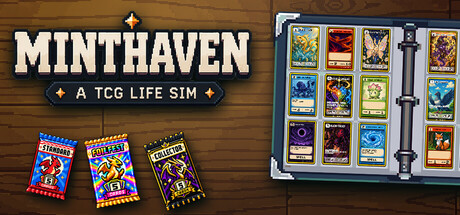 MINTHAVEN: A TCG Life Sim In-game content art | Generative AI tools were used during the development of MINTHAVEN to assist with creating and iterating visual assets, including concept art and card artwork. AI-generated content is reviewed, edited, and integrated by the development team. No generative AI content is created in real time during gameplay. | Paper Nook Games | - | Sep 9, 2026 | |
 Bunker And Friends In-game content artaudio | Some art and audio in Bunker And Friends was produced with generative AI tools during development. This includes store and marketing artwork — the key art, store capsules, and logo elements — and some sound effects and music. All of it was generated ahead of time and ships as fixed assets. The game does not generate any content using AI while you play, and it does not connect to any external AI service during gameplay. | We Game at Noon | - | Sep 9, 2026 | |
 Mise en War Dev only | AI was utilized as a supportive tool during development to streamline processes, while all final creative assets were designed, crafted, and polished by our team of artists with dedication and precision. | AVICHRONE | - | Sep 9, 2026 | |
 Scratch Tickets With Your Friends 🎰 Dev only art | All final visuals of the game are created and finalized by our art team. AI-assisted tools are used only during the early concept and ideation stages. All visual assets in the final version are manually created, refined, and finalized by our artists. | Yet Another Publisher | - | Sep 9, 2026 | |
 Chamele-Guess In-game content art | Some marketing assets were created with the assistance of generative AI. All gameplay, code, game content, and in-game art are human-made; the game contains. There is no AIgenerated content at runtime. | Friendslop Studios | - | Sep 9, 2026 | |
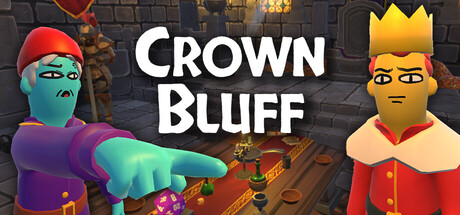 Crown Bluff In-game content art | All card art, UI, and character face customization are hand-drawn by me. Everything in this game is made by me or from purchased assets, except for one wall painting and one window decoration texture, which were AI generated and will be replaced later. | Mizuki Games | - | Sep 9, 2026 | |
 Last Haul In-game content arttext | Some pre-rendered art assets (enemy and background artwork) and localization were created with generative AI tools under human direction, then manually cleaned up and integrated by the developers. Development used AI-assisted coding tools. No content is AI-generated at runtime. | Eryk Włoszczyński | - | Sep 9, 2026 | |
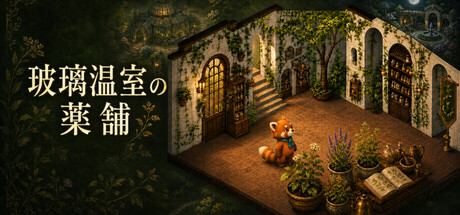 玻璃温室の薬舗(はりおんしつのくすりほ) In-game content art | Pre-generated AI tools were used to assist in creating 2D character, environment, interface, and promotional artwork. No content is generated by AI during gameplay, and the game does not connect to external AI services. | neo studio | - | Sep 9, 2026 | |
 Lane Rider: Highway Runner In-game content artaudiotext | We are a small studio with only six people actively involved in development. For teams like ours, generative AI is a supportive tool that helps us realize a creative vision that would otherwise be completely out of reach within our budget. It allows us to focus on what we love doing most: creating games. We view AI strictly as a practical toolset.
Here is how we utilized generative AI in our game:
• Visual Assets: We use generative AI for both concept art and in-game graphics. The vast majority of these AI-generated images are manually modified, iterated upon, and finalized by our artist. We have not replaced any jobs; our games simply feature richer visual assets.
• Audio & Voice-over: Voice-over (VO) lines and several music tracks were generated using AI.
• Proofreading: We utilize AI to proofread our texts and scripts. | Home Net Games | - | Sep 9, 2026 | |
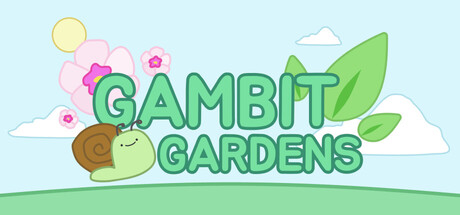 Gambit Gardens Dev only code | Props to you for checking this out! I used AI to help code some of the newer features and port this from my original mobile build as it saved a lot of dev time. Everything else—sounds, amateur vector art, and the remaining 85%+ of the code is completely human-crafted. | NOODLEDREAMS | - | Sep 9, 2026 | |
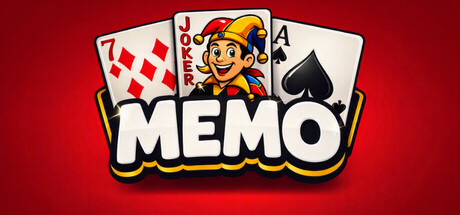 Memo In-game content text | This game uses generative AI tools only to assist with text translations. | Divine Magic Games | - | Sep 9, 2026 | |
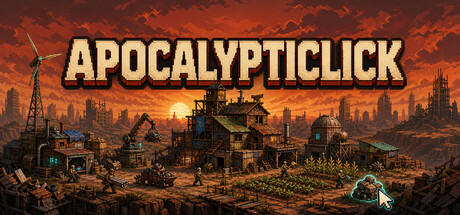 Apocalypticlick In-game content art | Generative AI was used to prototype and stylize most pixel art. Generative AI was NOT used for writing, music, or mechanics. | Aaron Meier | - | Sep 9, 2026 | |
 Picrand Live AI art | This software incorporates a local AI model, which is used solely to provide an "intelligent semantic search" service. When you enter a text description, the AI analyzes the semantics in real time and searches your local image library to display the most relevant image results. All search results are sourced from your local image library; the AI does not generate or create any new image or video content. Users can choose whether to enable this feature. | Bulbul Lab | - | Sep 9, 2026 | |
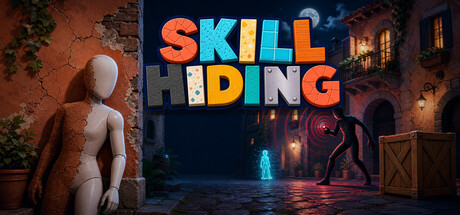 Skill Hiding In-game content art | Pre-generated generative AI tools were used during development to create a limited number of static visual assets.
OpenAI image generation was used to create a supernatural Wooden Man face texture and four decorative environment and fabric textures used in the post-match ceremony. Meshy was used to create the Wooden Man 3D character model.
These assets are included in the shipped game and may also be visible in store screenshots or trailers. The assets were reviewed, edited where necessary, and integrated into the game by the developer.
The game does not use live-generated AI. It does not connect to a generative AI service during gameplay, does not send player input to an AI service, and does not generate new AI content while the game is running. | xwan07017 | - | Sep 9, 2026 | |
 Catson Files: Wizard Town In-game content text | AI tools were used to assist with localizing the interface text into the game's 11 supported languages. All artwork, music, sound and game design are human-made. | Gazcurit | - | Sep 9, 2026 | |
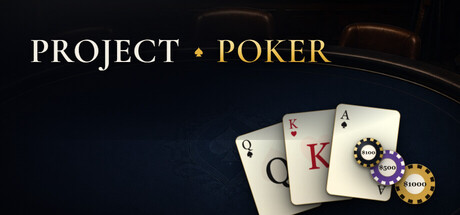 Project Poker In-game content art | AI was used to assist in generating some artwork and opponent profile images featured in the game. | Nathan French | - | Sep 9, 2026 | |
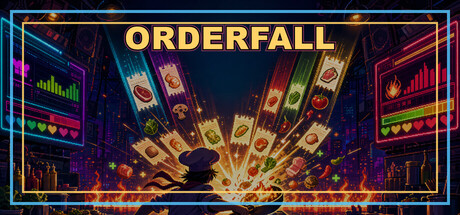 Orderfall In-game content arttextaudio | Generative AI tools were used for pre-rendered character portraits, title/key artwork and other game illustrations, portions of promotional video and audio, marketing artwork, and assistance with localized text. These assets and text were reviewed and edited for the game. Orderfall does not generate AI content during gameplay or connect to an external AI service. The live-action-style Captain Cook teaser is dramatized promotional footage; the game itself uses pixel-art graphics. | IHABAPLAN | - | Sep 9, 2026 | |
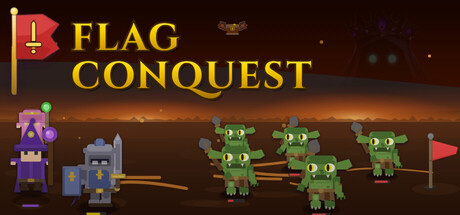 Flag Conquest In-game content audioarttext | The soundtrack is AI generated with human modifications. Art, text, localizations, and store assets were made with AI assistance and human modifications. Nothing is generated at runtime, and the game never connects to an AI service. | Karamilabs | - | Sep 9, 2026 | |
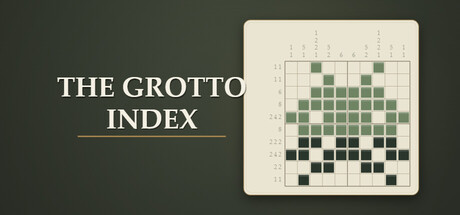 The Grotto Index In-game content art | The developer of The Grotto Index used generative AI tools during development to help create some of the game's visual assets, including specimen pixel art and illustrations. All AI-assisted content was reviewed, edited, and curated by the developer before being included in the game. No content is generated by AI during gameplay — every puzzle, image, and piece of text in the shipped game is fixed and was finalized before release. | HVPIXELS | - | Sep 9, 2026 | |
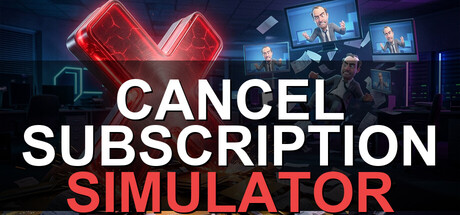 Cancel Subscription Simulator In-game content art | Used pre-rendered AI tools for background artwork assets during development. | Mikko Palovuori | - | Sep 9, 2026 | |
 Your Momo In-game content text | AI-Assisted Language Translation | Dopamine Maker | - | Sep 9, 2026 | |
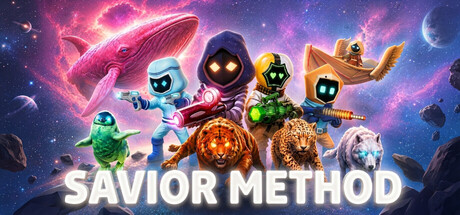 Savior Method Store/marketing art | Artificial intelligence was only used to create Steam store designs and cover art. | Savior Method | - | Sep 8, 2026 | |
 Cursor Charm Dev only | Generative AI tools were used in a limited capacity during development. | ShadowPane | 11 | Sep 8, 2026 | |
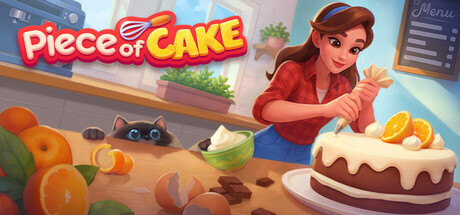 Piece of Cake: Cozy Bakery In-game content arttext | Some visual, localization, store page, and marketing materials may be created with the assistance of generative AI tools. All AI-assisted content is reviewed, edited, and polished by our team before use. No AI content is generated during gameplay. | HG POINT | - | Sep 8, 2026 | |
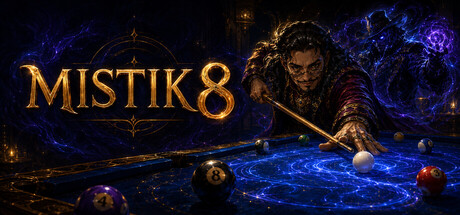 Mistik 8 In-game content art | Generative AI was used during development to assist in creating some pre-generated visual assets, character artwork, backgrounds, and promotional images. All AI-assisted content was reviewed and selected by the developer before inclusion in the game. No generative AI is used during gameplay, and the game does not connect to any external AI service. | Selçuk Çetiner | - | Sep 8, 2026 | |
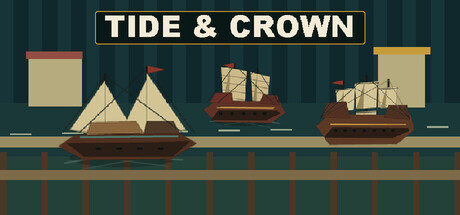 Tide and Crown In-game content arttextcode | Generative AI tools were used during development to assist with portions of the game’s interface and narrative text, programming, procedurally constructed 2D visual elements, and marketing materials. All included content was reviewed, edited, and integrated by the developer. Tide & Crown does not generate AI content during gameplay and does not connect to external AI services. | EnoBlk | - | Sep 7, 2026 | |
 文景相生 In-game content audiocode | This game features background music and select code that were created with the help of AI tools. | Prisme | - | Sep 7, 2026 | |
 Incredible Dracula: Bloodwood Secrets In-game content art | Some visual assets in the game were created with the assistance of generative AI tools. All gameplay systems, mechanics, and interactive content were developed by the team. | Game Mixer | - | Sep 7, 2026 | |
 Fisher King TD In-game content art | Some 2D art assets and pre-rendered cinematic videos in this game were created with the help of generative AI tools, and were then manually reviewed, edited and retouched by the developer. Generative AI tools were also used to assist during development. The game does not generate any AI content at runtime. | 진주파파 | - | Sep 7, 2026 | |
 Master of Arms Dev only codeart | AI-assisted generation of small code snippets and early visual concepts. All content has been manually reviewed and optimized. Real-time AI generation is not involved; it is entirely locally packaged and does not rely on external APIs. | JJGAMES | - | Sep 7, 2026 | |
 Your Usual Live AI text | The bartender's side of every conversation is generated live, while you play, by a language model that ships inside the game and runs on your own computer. Nothing you type or say is sent anywhere. There is no account, no server, and no internet connection required — the game works with the network unplugged. When the character speaks her lines aloud, that audio is synthesised locally by the same install.
Everything else in the game is authored by hand: the world and its writing, the cast of regulars, the drink recipes, the art, and the rules the bartender plays by.
Because her dialogue is generated rather than scripted, it cannot be listed in advance. The controls on it are: a fixed authored prompt that defines the character, the setting, and what she will and will not do; a filtered generation pipeline; and a specific model chosen and regression-tested against an automated suite of behavioural checks before it ships. Anything the character has remembered about you can be viewed and permanently deleted from inside the game at any time. | tuffsoft | - | Sep 7, 2026 | |
 Bouncer In-game content art | AI generation was used in the concept art for the game that is currently on display with the game screenshots. We are currently working on making the real art for the game, but wanted to provide the artstyle that we are aiming towards. The game itself, including in-game current and future art, is human made. | Wireframe Studios | - | Sep 7, 2026 | |
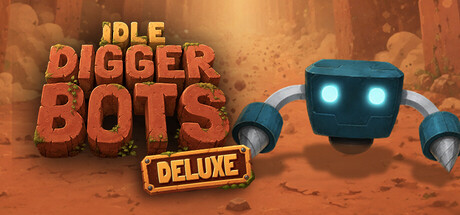 Idle Digger Bots Deluxe In-game content arttext | Generative AI is utilized as support in the game's development, employed for concept creation, texture upscaling, and the design of icons and visual elements. | Raido Studios | - | Sep 7, 2026 | |
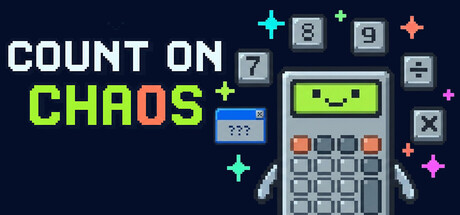 Count on Chaos Store/marketing art | Generative AI tools helped create and refine some concept art, and marketing images for this game. The game does not generate new AI content while you play. | Eternal Cry Studio | - | Sep 7, 2026 | |
 Lucky Debt In-game content artcode | Visual assets in this game — symbol icons, charm icons, user interface elements, machine and objective icons, and store artwork — were created with generative AI tools and then selected, edited, sized and integrated by hand. Game code was written with AI assistance under human direction. Design, balancing decisions and final text are authored by the developer. | Piero Porro | - | Sep 7, 2026 |


