








Disclosure
Generative AI was used to assist with translation of the store page. The final text was reviewed and edited by the developer.
- Creator
- HIKO GAME
- Reviews
- -
- Added
- Jun 12, 2026
Public Steam disclosure research 25,508 disclosures tracked
Search developers’ Steam disclosures, compare classified AI use across games, and follow recorded changes. This index adds cross-game classifications and statistics to statements published on individual store pages.
Code help, debugging and other development work.
Capsule art, trailers and promotional material.
Pre-made art, audio, writing and other game assets.
Interactive or runtime AI features disclosed by the developer.
Groups reflect automatic analysis of public disclosures; mature records are excluded. These counts do not measure AI use across all of Steam. Missing or unclear statements cannot establish whether a game uses AI.
Generative AI was used to assist with translation of the store page. The final text was reviewed and edited by the developer.
Art,Music,Code
About Art Assets DesktopDaily does not use AI-generated artwork for its in-game art assets. Character designs, 3D models, textures, animations, UI assets, and other visual content are created by human artists or based on properly licensed materials. About Character Voices and Speech Synthesis DesktopDaily’s character voice models are trained or fine-tuned using voice materials with clear provenance and authorization, and are used for character speech synthesis at runtime. These voice materials come from publicly available or authorized audio materials provided by the corresponding character or voice provider, and are used in accordance with their usage terms and authorized scope. The character voices played at runtime are synthesized speech and are not original voice recordings. About the Use of Generative AI During development, AI assistance was used for parts of the code implementation and for some non-Chinese UI text localization. At runtime, generative AI is used only in optional features, including the character conversation feature, the visual companion feature, and notification assistant tools. Some non-Chinese UI text localization uses AI-assisted translation and editing. This is limited to UI text localization and is separate from the runtime generation of character dialogue. In the optional character conversation feature, AI is used to generate character dialogue text and to synthesize speech based on that text. When this feature is enabled, player input may be sent to cloud AI services in order to generate character-style response text. These responses may also be used for speech synthesis and played back in the game. If the player chooses not to use an API, the character conversation feature will not be enabled, and only the basic features will be available. In the optional visual companion feature, after the player actively enables the feature, the game may use a local vision-language model to analyze screen, window, or application content within the scope authorized by the player. The analysis results may be used as context for character dialogue, allowing the character to respond based on the player’s current computer usage scenario. This feature is disabled by default. If the analysis results are used in cloud-based character dialogue, necessary summary information may be sent as part of the dialogue context to the cloud AI service selected or configured by the player. In the optional notification assistant tools, after the player actively enables the feature and grants permission, the game may read Windows system notifications, email summaries, or other information sources specified by the player. A local AI model may be used to filter, categorize, or judge the importance of this information in order to decide whether to notify the player. This feature is intended to assist with notification management, and will not reply to emails, send messages, or perform external actions on behalf of the player. AI-based classification and notification results may be inaccurate. The official trial API provided by the game uses Alibaba Cloud Model Studio. Players may also configure other APIs themselves. When features that require cloud AI are enabled, the necessary conversation content or contextual information is sent directly to the corresponding cloud AI service and is not relayed through the developer’s own server. Character dialogue generated by AI at runtime is intended only for everyday companion-style interaction. The game uses prompts, content rules, and safety measures to reduce the output of inappropriate, illegal, hateful, sexual, violent, or copyright-infringing content. AI-generated responses may vary and do not represent official statements by DesktopDaily, the game’s developer, any character rights holder, voice provider, or third-party asset creator.
The game includes AI-driven enemy characters ("LLM zombies") that players can interact with through dialogue. These characters use a language model to generate responses dynamically during gameplay. The AI is used only to produce in-game dialogue and behavior for these enemies and does not generate user-uploaded content or external assets.
Dance Floor VR uses some pre-generated AI-assisted content for selected visual assets and music/audio elements. All such content was reviewed and integrated by the developer. The game does not generate AI content during gameplay and does not connect to external AI services.
Read the section above about the game for more information.
Generative AI was used during the development of this game. AI tools assisted with code debugging, algorithm design, and creative ideation. A significant portion of in-game assets—including 3D models, baked textures and materials, and visual artwork—were generated or modified using AI, and subsequently reviewed, adjusted, and integrated by the development team.
Generative AI tools were used during development to generate background audio tracks, select visual assets, and promotional store page art. All assets were reviewed prior to release. No content is generated in real-time during gameplay.
Some image editing for the steam page assets
Some Image Asset are AI-generated.
2 of the images in-game are generated by AI. A locally-run AI model on my own computer. No water was used to generated these images.
We have utilized open-source, self-hosted AI tools for our localization process to make the game available to as many players as possible. Additionally, local AI tooling was used during development to assist with codebase navigation and a single instance of asset recovery for a lost legacy logo. No proprietary or cloud-based AI services were used.
Deep Breach Demo contains some pre-generated visual assets created with assistance from generative AI tools during development. These include certain static 2D visual elements such as UI icons, item and turret imagery, and promotional/store artwork. No AI-generated content is created live during gameplay.
Artificial intelligence is used to generate logos, banners, and some textures in the game.
The background images and girls pictures are pre-rendered AI art
Final Deal is a human-created game. Generative AI tools were used as part of the development process for brainstorming and concept exploration of some visual assets. All gameplay mechanics, systems, writing, artistic direction, and final creative were made by the developer.
AI was used to generate the voices, while LLM translators were employed for the language translations.
We are a small indie team of only two brothers, and all core gameplay mechanics, level design, story, programming, and animations were 100% handcrafted by us. AI was used strictly for supplementary audio and minor environmental details: specifically, background music, ambient soundscapes, eerie sound effects, and select in-game textures/posters.
AI tools were used to assist in the creation of temporary promotional artwork and concept visuals for the Steam store page. Gameplay systems, implementation, balancing, and final game integration are developed manually.
We use AI to assist in the creation of promotional materials.
dreamstrobe uses generative AI as a core live feature. When you chat with the visualizer, your prompt is sent to Anthropic's Claude model. Claude writes a Three.js scene — geometry, shaders, motion, post-processing, and audio-reactive behavior — in real time, and the running engine loads and renders it on the fly. Each scene you create is freshly, generated JavaScript that runs in a sandboxed browser context. Outputs are filtered by Anthropic's built-in safety systems to block illegal or harmful content. Generated code is executed locally; no model weights ship with the game. Some textures, environment maps, and sample assets used by the engine were also created or refined with generative AI tools during development, and were reviewed before inclusion. You can use dreamstrobe without writing prompts — a library of pre-authored scenes ships with the game and runs on its own.
AI tools were used to assist with some code development and selected Steam store page text. The core game design, gameplay, and creative direction are created by the development team. No live generative AI content is created during gameplay.
Some in-game audio, including phone call voices and ambient sounds, were generated using AI tools. Additionally, certain stickers and visual assets found in the Cancer's living area were created with the assistance of generative AI.
Generative AI was used during development as a production tool for portions of the game's source code, music production workflow, and synthetic voice-over generation. AI-assisted code was reviewed, tested, modified where necessary, and integrated under the direct supervision of the developer. Some music tracks originated from AI-generated compositions or stems and were subsequently edited, arranged, mixed, and produced by the developer. Voice-over content is generated using commercially licensed AI voice technology from developer-written scripts. The game's gameplay systems, game design, balancing, progression systems, procedural visual generation technology, world generation systems, writing, and overall creative direction were conceived, designed, and maintained by the developer. The game does not use generative AI at runtime. No player-facing content is generated on-the-fly during gameplay. Visuals are created through deterministic procedural generation systems and pre-authored assets rather than generative image AI.
Generative AI was used as a supplementary tool for certain visual and audio assets. Every AI-assisted asset underwent substantial manual editing, refinement, quality control, and integration by the development team.
Generative AI tools were used to assist with parts of the game's development, including UI text, localization, store page text, marketing text, and some visual reference materials. All final content included in the game and on the store page was reviewed, selected, edited, and integrated by the developer. The game does not generate AI content during gameplay.
Generative AI tools were used only to assist with the creation and editing of some Steam store page content, including store page text and promotional visual assets. The game itself does not use generative AI during gameplay. No AI-generated content is produced live while the player is playing, and the game does not connect to any external third-party AI service.
Coding, proofreading, and localization were done by AI. All other content was created by humans.
Some content in this game was created with the assistance of generative AI tools during development, including certain visual assets, store artwork, capsule art, and text. All AI-assisted content was reviewed, edited, and integrated by the developer to ensure it fits the game’s design and overall player experience.
After I personally finalized the design phase, some art assets were first rendered using generative AI tools, and I then manually refined and detailed them. Similarly, certain background music pieces were developed with the help of generative AI tools. Should you have any concerns about these methods, please feel free to experience the game according to your own preferences. Thank you for your understanding and consideration.
AI was totally used in the development of this game.
The game uses AI-generated content only for music and translation.
I'm a solo developer and a 3D and graphic design teacher by day. Every visual asset in this game (from the pixel art creatures to the 3D environments) is crafted by me. Music and sound effects come from licensed human creators. AI tools helped me during development with coding, debugging, and organizing ideas, but never to create visual or audio content. The English and Spanish localizations are written by me. For all other languages, I used AI-assisted translation, because there's nothing better than playing a game in your own language, and I wanted Luminons to reach as many people as possible. Professional translators are outside the budget for a solo project, but if this game finds its audience, revisiting every localization with human translators (and adding more languages) is absolutely on the list.
Music in this game was produced with the help of AI
This game utilizes generative artificial intelligence to design some monster prototypes, some background music, and to enhance store images
Non-English localizations are AI-assisted and reviewed by our team for quality. Simplified Chinese was additionally reviewed by a native speaker. We welcome community feedback to help improve translations over time.
Some of the artwork shown in our store screenshots, trailer, and on the app's in-game screen is placeholder media created with an AI image-generation tool (Google's Gemini image model). This includes the example movie posters, album covers, TV-series key art, and the cinematic "now playing" stills. These images depict entirely fictional films, albums, and shows. They exist only as copyright-safe demo content so we can show the app's interface without displaying real, copyrighted media that the user does not own the rights to publish. They do not represent any real title. Reel Room is a media player for the user's own library (Jellyfin server, local files, and network shares). The app performs no AI generation at runtime — all media a player sees in normal use is their own content. This is pre-generated content only; there is no live/runtime-generated AI.
Some artwork is generated using AI. I am a solo indie developer and 2D art is not my strong point.
just for art
Some translations, music tracks, and graphics were created using Artificial Intelligence.
Generative AI tools were used during development to assist with code, UI, audio, and promotional materials.
Used for multi-language support.
We used AI to generate initial music tracks, concept art, and temporary translations into some languages. All materials were then thoroughly edited, reworked, and finalized by humans. Nothing went straight from the generator into the game.
This game uses generative AI in the following areas: • Background artwork: All static background images displayed in menus and screen backdrops (e.g. brewery interior, fields, market, taverns) were created using generative AI. All images were carefully curated, selected, and post-processed by the developer to fit the game's "Soft Cinematic" 19th-century Belle Époque visual style. • Sound effects and ambient audio: Some in-game sounds were generated using AI audio tools under appropriate commercial licenses. All sounds were reviewed and selected by the developer. • Mission and narrative text: The campaign concept, story arc, and game design are the original work of the developer. Some campaign mission descriptions and in-game event texts were initially drafted with AI assistance based on the developer's outlines, and then reviewed, edited, and adapted to fit the game's tone and historical setting. No generative AI is used during gameplay. All gameplay logic, mechanics, character behaviors, and AI competitor strategies are implemented as deterministic code that does not generate content at runtime. The game does not connect to any external AI services.
Some ingame models and textures are AI generated to help speed up the production pipeline. These will eventually be replaced and I simply refuse to charge money for a game which uses AI assets, so until then this game will be free until all AI assets are replaced.
Generative AI is used across this game's development — including store-page marketing artwork, in-game art (cards, UI elements), and source code. All AI-generated content is human-directed, reviewed, and edited by the developer. No AI runs at game time; everything ships as static, pre-rendered assets.
AI used in some store images.
Generative AI was used in the development of Relax Puzzle as an assistive tool to help create some of our art assets and assist with programming logic. The AI served as a supporting utility to enhance our creative workflow and development efficiency. All content generated through these tools was carefully reviewed, refined, and integrated by our team to ensure the quality and consistency of your gaming experience.
The demo version contains temporary AI (generated music and promotional artwork only). These assets will be replaced with original content in the final version of the game.
Generative AI was used to create art assets for the game.
| Title⇅ | Disclosure | Creator⇅ | Src | Reviews⇅ | Added↓ |
|---|---|---|---|---|---|
 Mount Lomyst In-game content text | Generative AI was used to assist with translation of the store page. The final text was reviewed and edited by the developer. | HIKO GAME | - | Jun 12, 2026 | |
 爪爪改造家2 PawRebuild 2 Unclear artaudiocode | Art,Music,Code | 冷笑黑妖 | - | Jun 12, 2026 | |
 DesktopDaily Live AI textcodeart | About Art Assets
DesktopDaily does not use AI-generated artwork for its in-game art assets. Character designs, 3D models, textures, animations, UI assets, and other visual content are created by human artists or based on properly licensed materials.
About Character Voices and Speech Synthesis
DesktopDaily’s character voice models are trained or fine-tuned using voice materials with clear provenance and authorization, and are used for character speech synthesis at runtime. These voice materials come from publicly available or authorized audio materials provided by the corresponding character or voice provider, and are used in accordance with their usage terms and authorized scope.
The character voices played at runtime are synthesized speech and are not original voice recordings.
About the Use of Generative AI
During development, AI assistance was used for parts of the code implementation and for some non-Chinese UI text localization. At runtime, generative AI is used only in optional features, including the character conversation feature, the visual companion feature, and notification assistant tools.
Some non-Chinese UI text localization uses AI-assisted translation and editing. This is limited to UI text localization and is separate from the runtime generation of character dialogue.
In the optional character conversation feature, AI is used to generate character dialogue text and to synthesize speech based on that text. When this feature is enabled, player input may be sent to cloud AI services in order to generate character-style response text. These responses may also be used for speech synthesis and played back in the game. If the player chooses not to use an API, the character conversation feature will not be enabled, and only the basic features will be available.
In the optional visual companion feature, after the player actively enables the feature, the game may use a local vision-language model to analyze screen, window, or application content within the scope authorized by the player. The analysis results may be used as context for character dialogue, allowing the character to respond based on the player’s current computer usage scenario. This feature is disabled by default. If the analysis results are used in cloud-based character dialogue, necessary summary information may be sent as part of the dialogue context to the cloud AI service selected or configured by the player.
In the optional notification assistant tools, after the player actively enables the feature and grants permission, the game may read Windows system notifications, email summaries, or other information sources specified by the player. A local AI model may be used to filter, categorize, or judge the importance of this information in order to decide whether to notify the player. This feature is intended to assist with notification management, and will not reply to emails, send messages, or perform external actions on behalf of the player. AI-based classification and notification results may be inaccurate.
The official trial API provided by the game uses Alibaba Cloud Model Studio. Players may also configure other APIs themselves. When features that require cloud AI are enabled, the necessary conversation content or contextual information is sent directly to the corresponding cloud AI service and is not relayed through the developer’s own server.
Character dialogue generated by AI at runtime is intended only for everyday companion-style interaction. The game uses prompts, content rules, and safety measures to reduce the output of inappropriate, illegal, hateful, sexual, violent, or copyright-infringing content. AI-generated responses may vary and do not represent official statements by DesktopDaily, the game’s developer, any character rights holder, voice provider, or third-party asset creator. | Deskside Works | - | Jun 12, 2026 | |
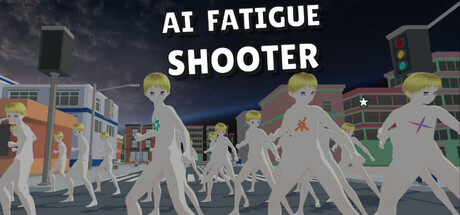 AI Fatigue Shooter Live AI text | The game includes AI-driven enemy characters ("LLM zombies") that players can interact with through dialogue. These characters use a language model to generate responses dynamically during gameplay. The AI is used only to produce in-game dialogue and behavior for these enemies and does not generate user-uploaded content or external assets. | RPPG Interactive | - | Jun 12, 2026 | |
 Dance Floor VR In-game content artaudio | Dance Floor VR uses some pre-generated AI-assisted content for selected visual assets and music/audio elements. All such content was reviewed and integrated by the developer. The game does not generate AI content during gameplay and does not connect to external AI services. | Jessvrworks | - | Jun 12, 2026 | |
 Trias Unclear | Read the section above about the game for more information. | Trias Team | - | Jun 12, 2026 | |
 出马Spirit Rider In-game content artcode | Generative AI was used during the development of this game. AI tools assisted with code debugging, algorithm design, and creative ideation. A significant portion of in-game assets—including 3D models, baked textures and materials, and visual artwork—were generated or modified using AI, and subsequently reviewed, adjusted, and integrated by the development team. | 狗狗显卡 | - | Jun 12, 2026 | |
 Oro Cade In-game content audioart | Generative AI tools were used during development to generate background audio tracks, select visual assets, and promotional store page art. All assets were reviewed prior to release. No content is generated in real-time during gameplay. | Crylic Games | - | Jun 11, 2026 | |
 Catapulture Store/marketing art | Some image editing for the steam page assets | Purple Heads Games | - | Jun 11, 2026 | |
 Necrocyte In-game content art | Some Image Asset are AI-generated. | FloatSurvival | - | Jun 11, 2026 | |
 Backrooms: Exit 8 In-game content art | 2 of the images in-game are generated by AI.
A locally-run AI model on my own computer.
No water was used to generated these images. | Luke Gayson | - | Jun 11, 2026 | |
 Crimson Tactics: The Rise of The White Banner In-game content textartcode | We have utilized open-source, self-hosted AI tools for our localization process to make the game available to as many players as possible. Additionally, local AI tooling was used during development to assist with codebase navigation and a single instance of asset recovery for a lost legacy logo. No proprietary or cloud-based AI services were used. | Black March Studios | 242 | Jun 11, 2026 | |
 Deep Breach In-game content art | Deep Breach Demo contains some pre-generated visual assets created with assistance from generative AI tools during development. These include certain static 2D visual elements such as UI icons, item and turret imagery, and promotional/store artwork. No AI-generated content is created live during gameplay. | Alyssium | - | Jun 11, 2026 | |
 Basket Robbers In-game content art | Artificial intelligence is used to generate logos, banners, and some textures in the game. | VETO GAMES | - | Jun 11, 2026 | |
 Chronime Puzzle: Girls In-game content art | The background images and girls pictures are pre-rendered AI art | Quantum Quiver Games | - | Jun 11, 2026 | |
 Final Deal Dev only art | Final Deal is a human-created game. Generative AI tools were used as part of the development process for brainstorming and concept exploration of some visual assets. All gameplay mechanics, systems, writing, artistic direction, and final creative were made by the developer. | BigButton Co. | - | Jun 11, 2026 | |
 Zombus In-game content audiotext | AI was used to generate the voices, while LLM translators were employed for the language translations. | Gaia n' Games | - | Jun 11, 2026 | |
 Purrfect Bliss In-game content audioart | We are a small indie team of only two brothers, and all core gameplay mechanics, level design, story, programming, and animations were 100% handcrafted by us.
AI was used strictly for supplementary audio and minor environmental details: specifically, background music, ambient soundscapes, eerie sound effects, and select in-game textures/posters. | ThreeFrauds | - | Jun 11, 2026 | |
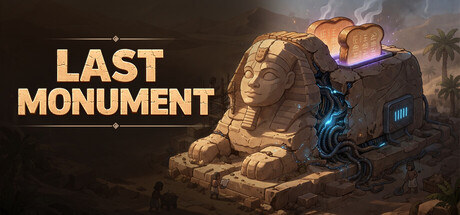 Last Monument In-game content art | AI tools were used to assist in the creation of temporary promotional artwork and concept visuals for the Steam store page. Gameplay systems, implementation, balancing, and final game integration are developed manually. | Levikinco | - | Jun 11, 2026 | |
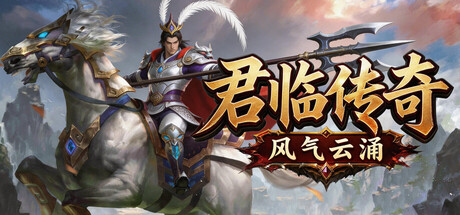 君临传奇之风起云涌 Store/marketing art | We use AI to assist in the creation of promotional materials. | 君临传奇之风起云涌 | - | Jun 11, 2026 | |
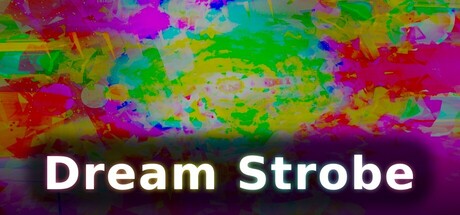 Dream Strobe Live AI artcode | dreamstrobe uses generative AI as a core live feature. When you chat with the visualizer, your prompt is sent to Anthropic's Claude model. Claude writes a Three.js scene — geometry, shaders, motion, post-processing, and audio-reactive behavior — in real time, and the running engine loads and renders it on the fly. Each scene you create is freshly, generated JavaScript that runs in a sandboxed browser context. Outputs are filtered by Anthropic's built-in safety systems to block illegal or harmful content. Generated code is executed locally; no model weights ship with the game. Some textures, environment maps, and sample assets used by the engine were also created or refined with generative AI tools during development, and were reviewed before inclusion. You can use dreamstrobe without writing prompts — a library of pre-authored scenes ships with the game and runs on its own. | Upside Down Bird | - | Jun 11, 2026 | |
 Tomb Tails Store/marketing textcode | AI tools were used to assist with some code development and selected Steam store page text. The core game design, gameplay, and creative direction are created by the development team. No live generative AI content is created during gameplay. | Daytime Devs | - | Jun 11, 2026 | |
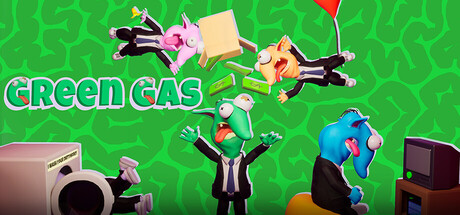 GreenGas In-game content audioart | Some in-game audio, including phone call voices and ambient sounds, were generated using AI tools. Additionally, certain stickers and visual assets found in the Cancer's living area were created with the assistance of generative AI. | DanialEghtedari | - | Jun 10, 2026 | |
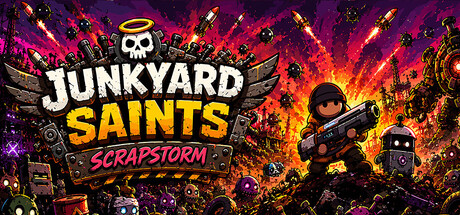 Junkyard Saints: Scrapstorm In-game content artaudiotextcode | Generative AI was used during development as a production tool for portions of the game's source code, music production workflow, and synthetic voice-over generation.
AI-assisted code was reviewed, tested, modified where necessary, and integrated under the direct supervision of the developer. Some music tracks originated from AI-generated compositions or stems and were subsequently edited, arranged, mixed, and produced by the developer. Voice-over content is generated using commercially licensed AI voice technology from developer-written scripts.
The game's gameplay systems, game design, balancing, progression systems, procedural visual generation technology, world generation systems, writing, and overall creative direction were conceived, designed, and maintained by the developer.
The game does not use generative AI at runtime. No player-facing content is generated on-the-fly during gameplay. Visuals are created through deterministic procedural generation systems and pre-authored assets rather than generative image AI. | Jan Winnenberg | - | Jun 10, 2026 | |
 Babitonga Puzzle Attack In-game content artaudio | Generative AI was used as a supplementary tool for certain visual and audio assets. Every AI-assisted asset underwent substantial manual editing, refinement, quality control, and integration by the development team. | caramelo dog | - | Jun 10, 2026 | |
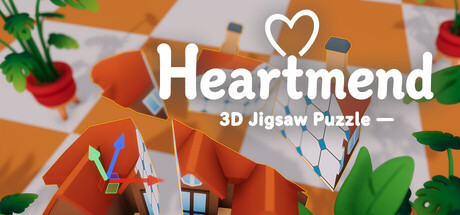 Heartmend: 3D Jigsaw Puzzle Store/marketing textart | Generative AI tools were used to assist with parts of the game's development, including UI text, localization, store page text, marketing text, and some visual reference materials. All final content included in the game and on the store page was reviewed, selected, edited, and integrated by the developer.
The game does not generate AI content during gameplay. | AWeekGame | - | Jun 10, 2026 | |
 Restroom Business Simulator Store/marketing arttext | Generative AI tools were used only to assist with the creation and editing of some Steam store page content, including store page text and promotional visual assets. The game itself does not use generative AI during gameplay. No AI-generated content is produced live while the player is playing, and the game does not connect to any external third-party AI service. | Huseyin Onur | - | Jun 9, 2026 | |
 Snake With Bird In-game content codetext | Coding, proofreading, and localization were done by AI. All other content was created by humans. | TakoKun Studio | - | Jun 9, 2026 | |
 Data Breach Inc. Store/marketing arttext | Some content in this game was created with the assistance of generative AI tools during development, including certain visual assets, store artwork, capsule art, and text. All AI-assisted content was reviewed, edited, and integrated by the developer to ensure it fits the game’s design and overall player experience. | Beep2Bleep | - | Jun 9, 2026 | |
 The Kuon Island Nursery Rhyme Murders: Case Notes In-game content artaudio | After I personally finalized the design phase, some art assets were first rendered using generative AI tools, and I then manually refined and detailed them.
Similarly, certain background music pieces were developed with the help of generative AI tools.
Should you have any concerns about these methods, please feel free to experience the game according to your own preferences. Thank you for your understanding and consideration. | Renka | - | Jun 9, 2026 | |
 Cruise Maid: Ship's Company Unclear | AI was totally used in the development of this game. | little sheepdog studios | - | Jun 9, 2026 | |
 A Simple Square In-game content audiotext | The game uses AI-generated content only for music and translation. | Antharuu | - | Jun 9, 2026 | |
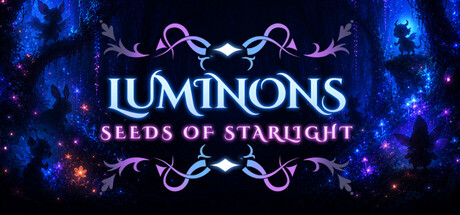 Luminons: Seeds of Starlight Dev only textcode | I'm a solo developer and a 3D and graphic design teacher by day. Every visual asset in this game (from the pixel art creatures to the 3D environments) is crafted by me. Music and sound effects come from licensed human creators.
AI tools helped me during development with coding, debugging, and organizing ideas, but never to create visual or audio content.
The English and Spanish localizations are written by me. For all other languages, I used AI-assisted translation, because there's nothing better than playing a game in your own language, and I wanted Luminons to reach as many people as possible. Professional translators are outside the budget for a solo project, but if this game finds its audience, revisiting every localization with human translators (and adding more languages) is absolutely on the list. | Álvaro Villa | - | Jun 9, 2026 | |
 Gambillion In-game content audio | Music in this game was produced with the help of AI | AlbinoGiraffe | - | Jun 9, 2026 | |
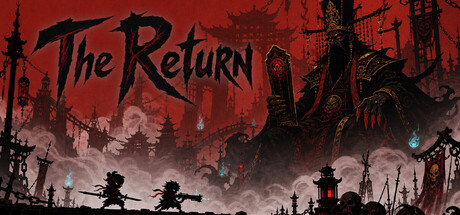 The Return In-game content artaudio | This game utilizes generative artificial intelligence to design some monster prototypes, some background music, and to enhance store images | YIN WEN CE | - | Jun 9, 2026 | |
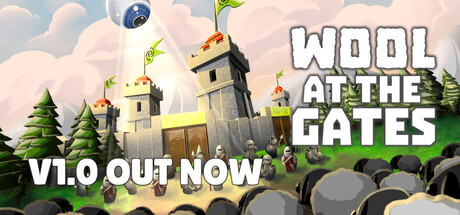 Wool at the Gates In-game content text | Non-English localizations are AI-assisted and reviewed by our team for quality. Simplified Chinese was additionally reviewed by a native speaker. We welcome community feedback to help improve translations over time. | Okay Creature | 77 | Jun 8, 2026 | |
 Reel Room In-game content art | Some of the artwork shown in our store screenshots, trailer, and on the app's in-game screen is placeholder media created with an AI image-generation tool (Google's Gemini image model). This includes the example movie posters, album covers, TV-series key art, and the cinematic "now playing" stills.
These images depict entirely fictional films, albums, and shows. They exist only as copyright-safe demo content so we can show the app's interface without displaying real, copyrighted media that the user does not own the rights to publish. They do not represent any real title.
Reel Room is a media player for the user's own library (Jellyfin server, local files, and network shares). The app performs no AI generation at runtime — all media a player sees in normal use is their own content. This is pre-generated content only; there is no live/runtime-generated AI. | Union25 LLC | - | Jun 8, 2026 | |
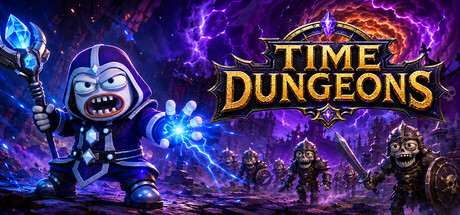 Time Dungeons In-game content art | Some artwork is generated using AI. I am a solo indie developer and 2D art is not my strong point. | NuggetSmash | - | Jun 8, 2026 | |
 Collector Store/marketing art | just for art | hubel | - | Jun 8, 2026 | |
 Noctiria In-game content textaudioart | Some translations, music tracks, and graphics were created using Artificial Intelligence. | Daniele Doesn't Matter | - | Jun 8, 2026 | |
 Redline Protocol In-game content codeartaudio | Generative AI tools were used during development to assist with code, UI, audio, and promotional materials. | Cranky Crow Games | - | Jun 8, 2026 | |
 Endless Defense In-game content text | Used for multi-language support. | Yamu Studios | - | Jun 8, 2026 | |
 Vacation Cafe Simulator In-game content audioarttext | We used AI to generate initial music tracks, concept art, and temporary translations into some languages.
All materials were then thoroughly edited, reworked, and finalized by humans.
Nothing went straight from the generator into the game. | Alice Games | 369 | Jun 8, 2026 | |
 Braumeister: Der Brauerei-Tycoon In-game content artaudiotext | This game uses generative AI in the following areas:
• Background artwork: All static background images displayed in menus and screen backdrops (e.g. brewery interior, fields, market, taverns) were created using generative AI. All images were carefully curated, selected, and post-processed by the developer to fit the game's "Soft Cinematic" 19th-century Belle Époque visual style.
• Sound effects and ambient audio: Some in-game sounds were generated using AI audio tools under appropriate commercial licenses. All sounds were reviewed and selected by the developer.
• Mission and narrative text: The campaign concept, story arc, and game design are the original work of the developer. Some campaign mission descriptions and in-game event texts were initially drafted with AI assistance based on the developer's outlines, and then reviewed, edited, and adapted to fit the game's tone and historical setting.
No generative AI is used during gameplay. All gameplay logic, mechanics, character behaviors, and AI competitor strategies are implemented as deterministic code that does not generate content at runtime. The game does not connect to any external AI services. | Bernhard Robert Pichl | - | Jun 8, 2026 | |
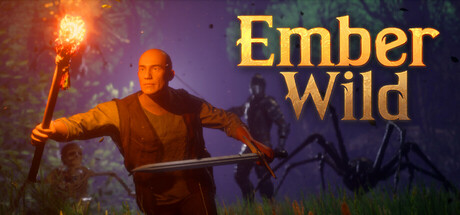 Emberwild In-game content art | Some ingame models and textures are AI generated to help speed up the production pipeline. These will eventually be replaced and I simply refuse to charge money for a game which uses AI assets, so until then this game will be free until all AI assets are replaced. | PYRO3D | - | Jun 8, 2026 | |
 MSO FreeCell Arena In-game content artcode | Generative AI is used across this game's development — including store-page marketing artwork, in-game art (cards, UI elements), and source code. All AI-generated content is human-directed, reviewed, and edited by the developer. No AI runs at game time; everything ships as static, pre-rendered assets. | MSO Games | - | Jun 7, 2026 | |
 Vibe Farmer Store/marketing art | AI used in some store images. | civciv | - | Jun 7, 2026 | |
 Relax Puzzle In-game content artcode | Generative AI was used in the development of Relax Puzzle as an assistive tool to help create some of our art assets and assist with programming logic. The AI served as a supporting utility to enhance our creative workflow and development efficiency. All content generated through these tools was carefully reviewed, refined, and integrated by our team to ensure the quality and consistency of your gaming experience. | Happy Plus | - | Jun 7, 2026 | |
 Brassfang In-game content audioart | The demo version contains temporary AI (generated music and promotional artwork only). These assets will be replaced with original content in the final version of the game. | Hannes Realm | - | Jun 7, 2026 | |
 Terminal Warfare In-game content art | Generative AI was used to create art assets for the game. | Awkward Frog Games | - | Jun 7, 2026 |


