Public Steam disclosure research25,376 disclosures tracked
Where do games disclose AI use?
Search developers’ Steam disclosures, compare classified AI use across
games, and follow recorded changes.
This index adds cross-game classifications and statistics to
statements published on individual store pages.
Groups reflect automatic analysis of public disclosures; mature records are excluded. These counts do not measure AI use across all of Steam.
Missing or unclear statements cannot establish whether a game uses AI.
Generative AI tools were used during development to assist with the creation and editing of some pre-generated visual assets, sound effects, and Steam Store page text. All AI-assisted content was reviewed, selected, and edited by the developer before being included. The game does not generate content using AI during gameplay.
Generative AI tools were used during development to assist in creating visual concept art, UI background textures, and promotional graphics, as well as providing development assistance for code optimization and localization text. All AI-assisted assets were pre-generated prior to release, curated, and manually edited by the developer. The game does not feature any live or real-time AI content generation during gameplay.
During the development of this game, artificial intelligence tools were used strictly for pre-generated content. Specifically, AI was utilized to assist with code refinement, the creation of initial concept art, and the design of certain user interface (UI) elements. All AI-assisted assets and code were thoroughly reviewed, modified, and integrated manually to ensure they meet the game's specific style and technical requirements.
Generative AI tools were used during the development process to assist in creating and refining some visual assets. All AI-assisted content was reviewed, edited, and curated by the developer before being included in the game or its promotional materials.
Generative AI tools were used during development to assist with the creation of game content. All final content was reviewed and refined by the development team.
Some parts of the game were created with the help of generative AI tools. The music was made using Suno, and a few pieces of text were assisted by AI during development. Everything included in the game has been reviewed and approved by me before shipping.
Generative AI tools were used during development to assist in creating some in-game visual assets, graphical assets, and store marketing artwork. All generated materials were selected, edited, adjusted, and reviewed by the developer before being included. The game does not use generative AI to generate content during gameplay.
Pre-generated: Store page capsule art and marketing images were created with AI assistance. In-game text (unit descriptions, UI copy) and the store description were written with AI assistance. All in-game visuals are drawn procedurally at runtime by the game's own code. No AI model runs in the game and no content is generated during play. All AI-assisted output was reviewed and edited by the developer and contains no third-party or infringing material.
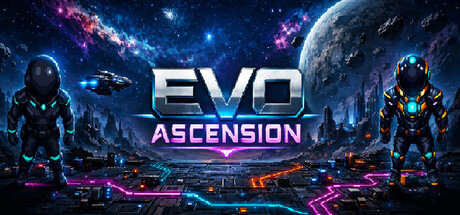
Evo Ascension includes limited AI‑generated content. Some audio and select graphical elements were created using AI tools, with most visuals further refined and hand‑edited in Aseprite. All gameplay systems, pixel art characters, animations, and core design remain handcrafted by the developer.
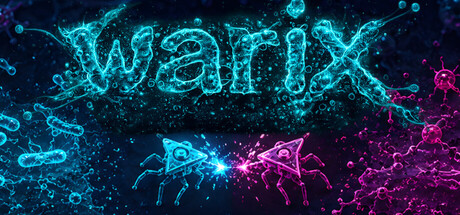
Generative AI tools were utilized to create some base visual and audio assets for Warix. AI was used to generate background textures, character sprites, and promotional store art. All AI-generated imagery was subsequently edited, composited, and polished by hand to fit the game's final aesthetic.
Paste this for the "how" description:
All AI-generated content in Scrumbag is pre-generated — baked into the build and curated by the developer, not generated live during play. This includes the game's artwork (character and enemy art, UI, icons, and store/marketing images) and its music (AI-generated arrangements and remixes based on songs by Andy Rehfeldt). AI tools were also used to assist development. All shipped content is reviewed and selected by the developer before release.
Some visual assets in its store and marketing materials were created with the help of generative AI image tools, and were then edited, refined, and integrated by hand.
An AI assistant (Anthropic's Claude) helped write the game's code and draft store/marketing text, all reviewed by the developer. All art is hand-made and procedurally rendered; all music and sound effects are human-created or licensed (CC0 / commissioned). No AI-generated art, audio, or voice ships in the game, and no AI content is generated during play.
AI Gen tools were used in a variety of ways for this game. Asset image concepting, narrative re-writes, 3d meshing, and marketing assets typically went through some form of a.i. modification, but then returned to a human-in-the-loop production step before game integration.
Generative artificial intelligence was used during the process of creating the game's graphical elements. It was used to generate concepts and 2D graphics, which were then further manually edited and adapted to the needs of the project. The modified graphics were used as backgrounds in the game's main menu.
Some promotional and marketing materials for FPV PVP - specifically the cinematic announcement trailer and portions of the Steam store capsule/key artwork - were produced with the help of generative AI video and image tools, using our own original in-game drone model and game assets as the reference input. All in-game content (gameplay, 3D models, maps, UI, code and audio) is created by the developer and is not generative-AI content. The game does not generate any AI content live at runtime.
This product uses generative AI only for some visual content, including in-game sprite images and promotional/store artwork such as capsule images, key art, logos, and character/instrument illustrations. AI is not used to generate live gameplay content in real time.
Chrome Circuit is developed by a solo developer who uses generative AI as part of the production pipeline. Character and environment sprite art was created using AI image generation, then processed, edited, and integrated by hand. Portions of the game's code were written with AI assistance under the developer's direction, with all systems designed, reviewed, and tested by the developer. All AI-generated content is created during development ("pre-generated") — the game does not generate any content while you play, and no AI runs on your machine. Game design, writing, and all creative decisions are the work of the developer.
Some 2D art (sprites, icons, key art) was generated with a locally run image model, then hand-curated and edited by the developer. Sound effects and music were generated with local audio models and hand-picked. Everything shipped was reviewed by a human; the game performs no AI generation at runtime.
Almost the entire game uses traditional assets made by people. Artificial intelligence was only used as an aid to create some music, sound effects, images, and translations.
DEFLEKT uses AI-generated assets created during development ("pre-generated"): 3D models for ships, bosses and environment dioramas, background artwork, and portions of the music soundtrack were generated with AI tools and then curated, edited and integrated by the developer. Sound effects are CC0 licensed (Kenney.nl). The game does not generate any content with AI at runtime.
Some store page graphical assets and marketing images were created with generative AI and edited manually. The game itself does not use generative AI during gameplay.
This game uses AI-assisted tools during development, including assistance with coding and the creation or iteration of some promotional and visual art assets.
During gameplay, AI may be used to help interpret the player’s spoken spell commands and map them to predefined in-game spell actions.
Some promotional art assets and in-game
artwork were created with the assistance of AI image generation tools.
All AI-generated output was reviewed, edited, and curated by the development
team before inclusion.
Some 2D store and marketing assets — such as store capsule images, achievement icons, and key art — were created using AI image-generation tools and then refined and composited by hand. All gameplay, code, level design, and game systems are made by the developer without generative AI. All AI-assisted assets are reviewed to ensure they are appropriate and comply with Steam's rules.
Xalvorynthium does not use generative AI during gameplay and does not connect to any external AI service while the game is running.
Some pre-generated visual assets used for store marketing, promotional artwork, capsule images, logos, or related presentation materials may have been created or assisted with generative AI tools. These assets were reviewed and selected by the developer before use.
Retro Robot Rescue was developed with the assistance of generative AI tools. AI assisted tools were used during development to help create and refine certain visual assets, music, sound effects, localization content, marketing materials, and portions of the game's code. All content included in the final game was selected, reviewed, edited, and integrated by the developer.
Some visual and audio assets used in the game and its marketing materials were created or refined with the assistance of generative AI tools. All content is reviewed, edited, and integrated by the developer.
How is generative AI used in this game?
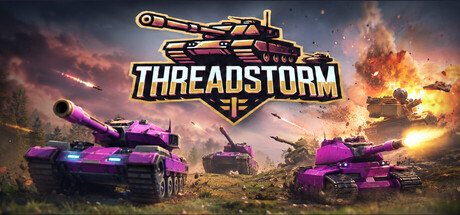
We utilized generative AI tools during the development of Threadstorm to assist with specific elements of the game's creation:
Art Assets: Some 2D sprites and visual elements within the game were created or refined using AI image generation tools. All generated assets were subsequently reviewed, edited, and curated by our team to ensure they fit the game's visual style.
Code Assistance: We utilized AI coding assistants (specifically GitHub Copilot) to help draft, optimize, and troubleshoot scripts for the Godot Engine, which helped streamline our development workflow.
All AI-assisted content has been thoroughly tested and integrated by the development team to ensure it aligns with our creative vision and quality standards.
Generative AI was used during development to assist with polishing promotional illustrations and drafting portions of the game's logic code. Some manually drawn promotional artwork was refined with AI assistance to improve less polished areas. AI-assisted code was manually reviewed by the developer, integrated by hand, and verified through local builds and hands-on playtesting before use. The game does not include player-facing real-time AI generation.
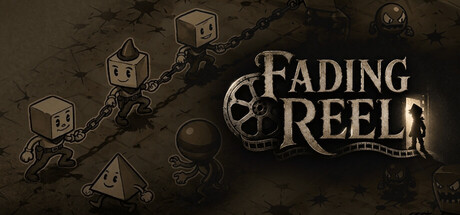
Fading Reel uses machine translation (automated translation software) to provide in-game interface text in languages other than English. English menus, upgrades, tutorials, and story intertitles were written by the developer; non-English versions were generated from that English source and may contain errors.
Game art, audio, gameplay, store screenshots, and the trailer were not created with generative AI.
AI-assisted tools were used to help create some splash screen visuals and store page promotional artwork. All assets were reviewed and finalized by the developer before being included in the game and store materials.
Generative AI tools were used during development to assist with the creation and editing of some pre-generated visual assets, sound effects, and Steam Store page text. All AI-assisted content was reviewed, selected, and edited by the developer before being included. The game does not generate content using AI during gameplay.
Generative AI tools were used during development to assist in creating visual concept art, UI background textures, and promotional graphics, as well as providing development assistance for code optimization and localization text. All AI-assisted assets were pre-generated prior to release, curated, and manually edited by the developer. The game does not feature any live or real-time AI content generation during gameplay.
During the development of this game, artificial intelligence tools were used strictly for pre-generated content. Specifically, AI was utilized to assist with code refinement, the creation of initial concept art, and the design of certain user interface (UI) elements. All AI-assisted assets and code were thoroughly reviewed, modified, and integrated manually to ensure they meet the game's specific style and technical requirements.
Generative AI tools were used during the development process to assist in creating and refining some visual assets. All AI-assisted content was reviewed, edited, and curated by the developer before being included in the game or its promotional materials.
Generative AI tools were used during development to assist with the creation of game content. All final content was reviewed and refined by the development team.
Some parts of the game were created with the help of generative AI tools. The music was made using Suno, and a few pieces of text were assisted by AI during development. Everything included in the game has been reviewed and approved by me before shipping.
Generative AI tools were used during development to assist in creating some in-game visual assets, graphical assets, and store marketing artwork. All generated materials were selected, edited, adjusted, and reviewed by the developer before being included. The game does not use generative AI to generate content during gameplay.
Pre-generated: Store page capsule art and marketing images were created with AI assistance. In-game text (unit descriptions, UI copy) and the store description were written with AI assistance. All in-game visuals are drawn procedurally at runtime by the game's own code. No AI model runs in the game and no content is generated during play. All AI-assisted output was reviewed and edited by the developer and contains no third-party or infringing material.
Evo Ascension includes limited AI‑generated content. Some audio and select graphical elements were created using AI tools, with most visuals further refined and hand‑edited in Aseprite. All gameplay systems, pixel art characters, animations, and core design remain handcrafted by the developer.
Generative AI tools were utilized to create some base visual and audio assets for Warix. AI was used to generate background textures, character sprites, and promotional store art. All AI-generated imagery was subsequently edited, composited, and polished by hand to fit the game's final aesthetic.
Paste this for the "how" description:
All AI-generated content in Scrumbag is pre-generated — baked into the build and curated by the developer, not generated live during play. This includes the game's artwork (character and enemy art, UI, icons, and store/marketing images) and its music (AI-generated arrangements and remixes based on songs by Andy Rehfeldt). AI tools were also used to assist development. All shipped content is reviewed and selected by the developer before release.
Some visual assets in its store and marketing materials were created with the help of generative AI image tools, and were then edited, refined, and integrated by hand.
An AI assistant (Anthropic's Claude) helped write the game's code and draft store/marketing text, all reviewed by the developer. All art is hand-made and procedurally rendered; all music and sound effects are human-created or licensed (CC0 / commissioned). No AI-generated art, audio, or voice ships in the game, and no AI content is generated during play.
AI Gen tools were used in a variety of ways for this game. Asset image concepting, narrative re-writes, 3d meshing, and marketing assets typically went through some form of a.i. modification, but then returned to a human-in-the-loop production step before game integration.
Generative artificial intelligence was used during the process of creating the game's graphical elements. It was used to generate concepts and 2D graphics, which were then further manually edited and adapted to the needs of the project. The modified graphics were used as backgrounds in the game's main menu.
Some promotional and marketing materials for FPV PVP - specifically the cinematic announcement trailer and portions of the Steam store capsule/key artwork - were produced with the help of generative AI video and image tools, using our own original in-game drone model and game assets as the reference input. All in-game content (gameplay, 3D models, maps, UI, code and audio) is created by the developer and is not generative-AI content. The game does not generate any AI content live at runtime.
This product uses generative AI only for some visual content, including in-game sprite images and promotional/store artwork such as capsule images, key art, logos, and character/instrument illustrations. AI is not used to generate live gameplay content in real time.
Chrome Circuit is developed by a solo developer who uses generative AI as part of the production pipeline. Character and environment sprite art was created using AI image generation, then processed, edited, and integrated by hand. Portions of the game's code were written with AI assistance under the developer's direction, with all systems designed, reviewed, and tested by the developer. All AI-generated content is created during development ("pre-generated") — the game does not generate any content while you play, and no AI runs on your machine. Game design, writing, and all creative decisions are the work of the developer.
Some 2D art (sprites, icons, key art) was generated with a locally run image model, then hand-curated and edited by the developer. Sound effects and music were generated with local audio models and hand-picked. Everything shipped was reviewed by a human; the game performs no AI generation at runtime.
Almost the entire game uses traditional assets made by people. Artificial intelligence was only used as an aid to create some music, sound effects, images, and translations.
DEFLEKT uses AI-generated assets created during development ("pre-generated"): 3D models for ships, bosses and environment dioramas, background artwork, and portions of the music soundtrack were generated with AI tools and then curated, edited and integrated by the developer. Sound effects are CC0 licensed (Kenney.nl). The game does not generate any content with AI at runtime.
Some store page graphical assets and marketing images were created with generative AI and edited manually. The game itself does not use generative AI during gameplay.
This game uses AI-assisted tools during development, including assistance with coding and the creation or iteration of some promotional and visual art assets.
During gameplay, AI may be used to help interpret the player’s spoken spell commands and map them to predefined in-game spell actions.
Some promotional art assets and in-game
artwork were created with the assistance of AI image generation tools.
All AI-generated output was reviewed, edited, and curated by the development
team before inclusion.
Some 2D store and marketing assets — such as store capsule images, achievement icons, and key art — were created using AI image-generation tools and then refined and composited by hand. All gameplay, code, level design, and game systems are made by the developer without generative AI. All AI-assisted assets are reviewed to ensure they are appropriate and comply with Steam's rules.
Xalvorynthium does not use generative AI during gameplay and does not connect to any external AI service while the game is running.
Some pre-generated visual assets used for store marketing, promotional artwork, capsule images, logos, or related presentation materials may have been created or assisted with generative AI tools. These assets were reviewed and selected by the developer before use.
Retro Robot Rescue was developed with the assistance of generative AI tools. AI assisted tools were used during development to help create and refine certain visual assets, music, sound effects, localization content, marketing materials, and portions of the game's code. All content included in the final game was selected, reviewed, edited, and integrated by the developer.
Some visual and audio assets used in the game and its marketing materials were created or refined with the assistance of generative AI tools. All content is reviewed, edited, and integrated by the developer.
How is generative AI used in this game?
We utilized generative AI tools during the development of Threadstorm to assist with specific elements of the game's creation:
Art Assets: Some 2D sprites and visual elements within the game were created or refined using AI image generation tools. All generated assets were subsequently reviewed, edited, and curated by our team to ensure they fit the game's visual style.
Code Assistance: We utilized AI coding assistants (specifically GitHub Copilot) to help draft, optimize, and troubleshoot scripts for the Godot Engine, which helped streamline our development workflow.
All AI-assisted content has been thoroughly tested and integrated by the development team to ensure it aligns with our creative vision and quality standards.
Generative AI was used during development to assist with polishing promotional illustrations and drafting portions of the game's logic code. Some manually drawn promotional artwork was refined with AI assistance to improve less polished areas. AI-assisted code was manually reviewed by the developer, integrated by hand, and verified through local builds and hands-on playtesting before use. The game does not include player-facing real-time AI generation.
Fading Reel uses machine translation (automated translation software) to provide in-game interface text in languages other than English. English menus, upgrades, tutorials, and story intertitles were written by the developer; non-English versions were generated from that English source and may contain errors.
Game art, audio, gameplay, store screenshots, and the trailer were not created with generative AI.
AI-assisted tools were used to help create some splash screen visuals and store page promotional artwork. All assets were reviewed and finalized by the developer before being included in the game and store materials.