








Disclosure
AI has been used solely as a coding assistant for assistance purposes. As a solo indie developer with no software background, using a coding assistant is my only option. Regards.
- Creator
- TOzcanDev
- Reviews
- -
- Added
- Sep 3, 2026
Public Steam disclosure research 25,376 disclosures tracked
Search developers’ Steam disclosures, compare classified AI use across games, and follow recorded changes. This index adds cross-game classifications and statistics to statements published on individual store pages.
Code help, debugging and other development work.
Capsule art, trailers and promotional material.
Pre-made art, audio, writing and other game assets.
Interactive or runtime AI features disclosed by the developer.
Groups reflect automatic analysis of public disclosures; mature records are excluded. These counts do not measure AI use across all of Steam. Missing or unclear statements cannot establish whether a game uses AI.
AI has been used solely as a coding assistant for assistance purposes. As a solo indie developer with no software background, using a coding assistant is my only option. Regards.
Elya uses generative AI to provide optional real-time character conversations, voice interactions, and other AI-assisted companion features. Users may connect supported third-party AI services or configure their own compatible providers. AI-generated content is produced dynamically based on user input and character settings.
Dynamic Interrogation Dialogue: Suspicious Minds features an unscripted interrogation engine powered by local Large Language Models (LLMs). Suspect and detective responses, emotional shifts, and conversational directions are generated dynamically in real time based on user inputs, crime scene evidence, and player choices. Voice Recognition & Speech Synthesis: The game utilizes localized speech-to-text engines to analyze spoken player input and real-time text-to-speech models to synthesize natural, expressive character voice outputs during gameplay.
AI tools were used to assist in creating character sprites during development, followed by manual retouching and adjustments. The game does not generate real-time AI content during gameplay.
Were used during development to assist with selected visual asset workflows. All final assets were reviewed, edited, optimized, and manually integrated by the developer.
In a particularly fitting twist for a game about artificial intelligence whose protagonist is herself an artificial intelligence, generative AI tools were used during development to assist with some pre-generated visual assets, music, and portions of the text and localization. All AI-assisted content was reviewed, edited, and curated by the developer. No generative AI is used during gameplay.
Some visual assets were created with the help of generative AI tools.
Generative AI has been used as a supplementary tool in the creation of some art assets and UI elements included in this game. AI has also been used to assist with some text creation and localization. AI-generated or AI-assisted content is reviewed by the developer and edited or adjusted by hand as needed. Generative AI is used only as a tool to support the development process, while careful attention is given to the overall quality, consistency, and atmosphere of the game.
AI powers real-time dialogue and responses from fictional in-game characters, allowing them to react dynamically to player conversations and actions.
All visual art in SagoCat — characters, animation, and visual design — is hand-crafted, with no AI used. Generative AI is used as follows: the pet's conversational replies are generated in real time by a third-party AI service and require an internet connection (use the built-in free quota or your own API key); during development, AI tools also assisted with parts of the code, some in-app text, and some sound effects.
Laryen includes an optional in-game AI companion named Laria. When a player asks Laria a question by voice or text, her answer is generated at runtime by an AI language model, grounded in Laryen's own game data (monsters, hunting grounds, equipment, drops and progression). Laria answers questions about the game only. She does not generate artwork, music, or content that is shared with other players, and using her is never required to play. Some artwork used in our store page and marketing materials was created with the assistance of generative AI tools and reviewed by our team before publication.
Some materials were generated with AI assistance
The packaged offline model generates diplomatic communications and makes faction decisions from structured game state with curated personalities. Generative AI was used to assist in creating some pre-rendered artwork, including environment backgrounds, menu and branding art, icons, and promotional/title-card images. These assets were reviewed and integrated by the developer. Game does not connect to external AI services.
Translations and audio dubbings are made with AI. Some contents including graphic images and video are made with AI.
ORACLE uses generative AI in two ways: some marketing artwork was created with generative tools, and an optional bundled local language model can generate short, context-aware ORACLE narration during play. Live generation runs locally on the player's PC and is limited to text; it does not generate code, images, audio, or gameplay rules.
Despite game is simulating the AI, all conversations are hard coded and written by person. AI was used to generate the names and descriptions for some items, but it was manually reviewed by developer.
This game utilizes AI during gameplay to dynamically generate partial narrative texts and character dialogue in real time based on game progress, character status, and player choices, which may result in varying text content across different playthroughs. To mitigate the risk of inappropriate output, the game enforces rule constraints, sensitive content detection, and keyword filtering on both AI prompts and generated responses. Any non-compliant content will be blocked or replaced accordingly.
游戏内的游戏世界状态反馈、NPC对话,是通过接入大语言模型(LLM)在游戏运行时实时生成。
Generative AI tools were used during development to assist in creating some of the game's visual art assets, primarily including certain card illustrations and related image assets. AI-generated content is used only during the development process and is not generated live while the game is running. All AI-assisted assets included in the final game are manually reviewed, selected, adjusted, and approved by the developer before being added to the game.
AI has been used to generate capsule art as well as in-game dialogue. NPC voices are AI
AI was used during development to create portions of the game’s pre-generated artwork, characters, animations, music, voices, and sound effects. These assets are included in the finished game. No AI content is generated live during gameplay.
Close Enough was built with generative AI. The code, the in-game text, the level layouts and all seven translations were written by an AI assistant (Claude) working to the developer's direction, and most of what you see on screen — the objects, the whole interface — is drawn by that code rather than loaded from image files. The doodle recognition inside the game is not generative. It is a small image classifier bundled with the game, trained on Google's Quick, Draw! dataset of human-drawn doodles. It runs entirely on your own computer, sorts each drawing into one of 100 pre-defined objects and creates nothing. Your drawings are never uploaded, and the release build contains no code that could upload them. The sprites, tiles, music, sound effects and font are licensed assets made by people, not by AI. Every one of them is credited inside the game under Esc → Credits.
This game was made with the help of generative AI. AI tools assisted in various parts of development, including code and localization.
In this game, players converse with characters via free-form text input. Responses are text generated by AI and will vary depending on the player's input.
All art, music, and sound in TOWERPUNK are original to this project, produced by procedural code written specifically for the game. None of it is derived from generative media models. AI coding assistants were used during development to help write the game's source code and some functional interface text (menu labels, status readouts). All narrative and creative writing is authored by the developer.
The game is primarily developed using Houdini, VEX and Godot. Generative AI assists with concept/reference artwork, initial 3D asset generation, and programming. Assets are further processed, optimized, rigged and animated in Houdini before integration into the game.
This game uses generative AI to create a portion of its image assets. Specifically, some illustrations and background images were pre-generated during development using Kling AI and Microsoft Copilot. All AI-generated images were reviewed, selected, and edited by the developer before being included in the game. No generative AI content is generated live during gameplay, and no generative AI was used for the scenario, music, or voices.
The Steam graphics and promotional visuals were made using AI. However, no AI was used for any of the in-game designs or assets.
This game uses generative AI in two ways. (1) Live generation: narrative text and NPC dialogue are generated in real time based on the player's choices and current game state. Illustrative images for locations, scenes and items are also generated on demand the first time such an element appears, then cached and reused. Core game rules, numerical outcomes, inventory changes, and progression are always resolved by deterministic game systems. Live text generation is governed by server-side content rules that cannot be directly modified by player input. Live image generation uses server-controlled prompt templates based on structured game data (entity type, name, and a short in-world description) within a fixed ink-painting style; players cannot directly provide image-generation prompts. (2) Development-time generation: some static art assets (including location, scene, item and background illustrations) were generated with image-generation AI tools during development. Store-facing marketing assets and selected screenshots containing such artwork were reviewed by a human before publication. Store page copy was drafted with AI assistance and reviewed by a human. 本游戏以两种方式使用生成式AI。(1)实时生成:叙事文本与NPC对话根据玩家选择与当前游戏状态实时生成;地点/场景/物品的插画也会在其首次出现时按需生成,之后缓存复用。核心规则、数值结算、物品变动与进度始终由确定性游戏系统裁定。实时文本生成受服务端内容规则约束(玩家输入无法直接修改);实时图像生成使用服务端控制的提示词模板,基于结构化游戏数据(实体类别、名称与简短的世界内描述)并锁定水墨画风格,玩家不能直接书写图像提示词。(2)开发期生成:部分静态美术素材(包括地点、场景、物品与背景插画)在开发过程中使用图像生成AI制作;用于商店宣传以及所选商店截图中的相关素材均经过人工审阅后发布。商店页文案由AI辅助创作、经人工审定。
This game heavily uses generative AI to generate the initial world and direct events and experiences for the player in real time.
Industry Unbound includes a limited number of pre-generated visual assets created with the assistance of generative AI. Each asset was selected, reviewed, and edited by the developer before release. Generative AI is not used to generate content in real time during gameplay.
We use generative AI in two limited ways. Translation. Simplified Chinese, German, Japanese, and Brazilian Portuguese were machine-translated so the story reaches more players. English, Turkish, French, and Spanish were localized by our international friends and us. However, AI translation can miss nuance, so we warmly welcome player feedback to improve it. Placeholder art. Three images are AI-generated: the Prologue background and the Mentor and Player portraits. They are placeholders. We believe in human expression and will replace them with commissioned art once the game has an audience. Everything else (code, design, and all other artwork) is made by human hands.
AFKTower contains AI-assisted content that was generated during development; no AI runs inside the game. Art: most of the pixel art hero, enemy and boss sprites and their animations, weapon and armor art, skins, combat backgrounds, map scrolls, UI panels, rarity frames and icons was generated with PixelLab (pixellab.ai) from prompts and references, then handn selected, edited, recolored and assembled by the developer. The AFKTower logo was drawn without AI. Music: the three soundtrack tracks were composed by the developer with Suno (paid plan with commercial license). Sound effects are synthesized procedurally by the game's own code, not by AI. Text: the game and store texts were written in Spanish by the developer; the English localization and copy editing were done with the help of an AI language model (Claude, by Anthropic) and reviewed by humans. Store screenshots are unedited captures of the game. Nothing is generated at runtime: the game contains no AI systems.
The 3D environment and props are human made, but the images on the cover, and code were made with the help of AI.
This game includes an optional AI assistant. Players may use the AI tools during gameplay for in‑game assistance such as balloon‑shooting, feeding and other actions. No AI‑generated content will be produced. During development, generative AI tools were used to assist with programming and some pre‑generated text. All AI‑assisted text included in the game was reviewed and edited by the development team. No AI was used to generate the game's artwork or music. All artwork and music were created by human artists and musicians.
The main Campaign story, characters, and dialogue are written by a team of human writers. AI tools are used for voice generation and some localization. The optional Free Ride mode includes AI-generated passenger missions and localized dialogue. Free Ride mode is separate from the main Campaign and can be skipped by players who prefer to experience only human-written narrative content. The game also includes a mix of radio stations featuring human-made music and AI-generated music. Stations containing AI-generated music are clearly labeled as such in the game.
Generative AI tools were used during development to create or process some pre-generated voice audio and selected 2D visual assets, including stylized character and news-related images. All AI-assisted content is created before release and manually reviewed, edited, and curated by the developer before being included in the game. No generative AI runs during gameplay, and no player input or data is sent to generative AI services.
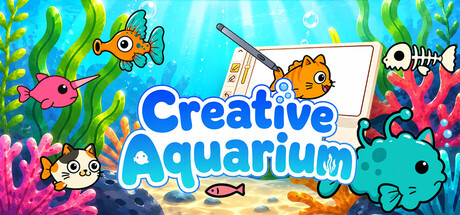
The recognizability of painting fish
This game utilized generative AI tools during development to assist with the following aspects: Generation and optimization of certain code snippets; Creation and processing of some sound effects; Machine translation and localization assistance for in-game text and UI strings. Important note: All visual art assets in the game (including characters, environments, props, UI elements, icons, animations, etc.) are exclusively created by human artists and were not generated by any AI tools. All AI-generated content (code, sound, translation) has been manually reviewed, revised, and tested to ensure quality, stylistic consistency, and compliance with applicable regulations. AI is not used for real-time generation of player-facing content; all released content is finalized prior to launch.
Symbiosis: Criticality's narrative and dialogue were developed with the assistance of generative AI as part of an iterative, human-directed writing process. All in-game art, audio, and code were authored directly by the development team.
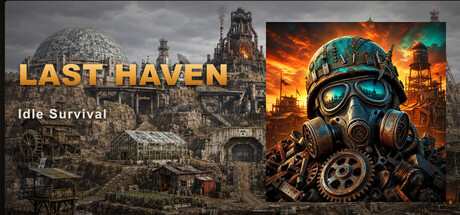
Game Design
This game was primarily coded with AI. The story and concept was made almost entirely by myself (As this was the main aim of the game to begin with) Please don't buy it if you're not a fan of this use of AI generation.
Rexclaw's companions are powered by generative AI, conversations (text and voice), along with files you create together are generated on demand by third party AI models. Some promotional artwork, including store banners, was created with AI assistance.
Some visual assets in this game were generated using AI.
We Use AI to code the game and for Language localization.
Generative AI tools were used during development to create initial concepts for background music tracks and 2D loading screen artwork. These concepts were heavily reworked, re-edited, and finalized by human artists before being integrated as static files into the game build. Players who prefer a completely traditional experience can completely disable all AI-assisted art and music via a toggle in the game's settings menu. This game does not use any real-time or live generative AI. No content is generated dynamically during gameplay.
This game uses generative AI in two ways. Live-generated: The streamer character "Sia" reacts to the messages you type in real time. Her lines are generated during play by a large language model through an external AI service, so they are not pre-written. If the service is unavailable, the game falls back to pre-written lines and remains fully playable. Pre-rendered: Some in-game artwork (item icons, character and creature sprites, textures) and some sound effects were produced with AI generation tools and then edited by the developer before shipping.
This game uses AI-generated art for character illustrations and background images. All AI-generated images were reviewed and manually edited by the developer. AI is NOT used to generate any content during gameplay in real-time. Voice acting is performed by human actors. The story and script were written by a human.
During the development of Valdivia AllStars, we used generative artificial intelligence tools to assist with specific parts of the content creation process. These tools were primarily used to assist in the creation and exploration of certain visual assets, including concept art, visual references, textures, and some graphical elements used during the development of the game. Content created with the assistance of these tools was subsequently selected, modified, adapted, and reviewed by our team before being incorporated into the final product. Generative AI was used as a supporting tool for our developers and artists, rather than as an autonomous system for creating the game. Character and environment design, gameplay mechanics, programming, 3D modeling, animation, content integration, and the overall artistic direction of the game were created and supervised by our development team. Valdivia AllStars does not use generative AI to dynamically create content during gameplay, nor does it require players to submit content to be processed by generative AI systems.
This game uses generative AI tools for parts of its 3D model creation and music/sound effect production. Core elements of the game experience — including the scenario, game design, AI logic design and implementation, and part balance adjustments — are created and decided primarily by the developer himself. In keeping with the game's own concept of "designing AI logic to fight," the development process itself also actively incorporates collaboration with AI. This game was completed by using dialogue with AI to work around the limitations of a one-person team.
| Title⇅ | Disclosure | Creator⇅ | Src | Reviews⇅ | Added↓ |
|---|---|---|---|---|---|
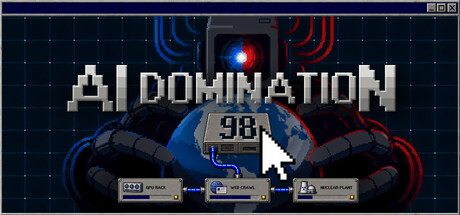 AI Domination 98 Dev only code | AI has been used solely as a coding assistant for assistance purposes.
As a solo indie developer with no software background, using a coding assistant is my only option.
Regards. | TOzcanDev | - | Sep 3, 2026 | |
 Elya Live AI textaudio | Elya uses generative AI to provide optional real-time character conversations, voice interactions, and other AI-assisted companion features. Users may connect supported third-party AI services or configure their own compatible providers. AI-generated content is produced dynamically based on user input and character settings. | Elya | - | Sep 3, 2026 | |
 Suspicious Minds: AI driven interrogation simulator Live AI text | Dynamic Interrogation Dialogue: Suspicious Minds features an unscripted interrogation engine powered by local Large Language Models (LLMs). Suspect and detective responses, emotional shifts, and conversational directions are generated dynamically in real time based on user inputs, crime scene evidence, and player choices.
Voice Recognition & Speech Synthesis: The game utilizes localized speech-to-text engines to analyze spoken player input and real-time text-to-speech models to synthesize natural, expressive character voice outputs during gameplay. | Ejder Yurdakul | - | Sep 3, 2026 | |
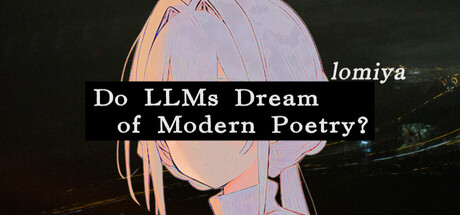 Lomiya: Do LLMs Dream of Modern Poetry? In-game content art | AI tools were used to assist in creating character sprites during development, followed by manual retouching and adjustments. The game does not generate real-time AI content during gameplay. | Terminal Poetry | - | Sep 3, 2026 | |
 Garage: Tidy Up! Dev only art | Were used during development to assist with selected visual asset workflows.
All final assets were reviewed, edited, optimized, and manually integrated by the developer. | Cat Company Limited | - | Sep 3, 2026 | |
 The Turing Choice In-game content artaudiotext | In a particularly fitting twist for a game about artificial intelligence whose protagonist is herself an artificial intelligence, generative AI tools were used during development to assist with some pre-generated visual assets, music, and portions of the text and localization. All AI-assisted content was reviewed, edited, and curated by the developer. No generative AI is used during gameplay. | Beyond Singularity Project | - | Sep 1, 2026 | |
 Warlord In-game content art | Some visual assets were created with the help of generative AI tools. | Baby War Elephant | - | Sep 1, 2026 | |
 JIGSEUM: Assemble Jigsaws with Magic In-game content arttext | Generative AI has been used as a supplementary tool in the creation of some art assets and UI elements included in this game. AI has also been used to assist with some text creation and localization.
AI-generated or AI-assisted content is reviewed by the developer and edited or adjusted by hand as needed. Generative AI is used only as a tool to support the development process, while careful attention is given to the overall quality, consistency, and atmosphere of the game. | AiryMintoLab | - | Sep 1, 2026 | |
 Scam With Your Friends Live AI text | AI powers real-time dialogue and responses from fictional in-game characters, allowing them to react dynamically to player conversations and actions. | JakeHub | - | Sep 1, 2026 | |
 SagoCat Live AI textcodeaudio | All visual art in SagoCat — characters, animation, and visual design — is hand-crafted, with no AI used.
Generative AI is used as follows: the pet's conversational replies are generated in real time by a third-party AI service and require an internet connection (use the built-in free quota or your own API key); during development, AI tools also assisted with parts of the code, some in-app text, and some sound effects. | Sago Cat Studio | - | Aug 31, 2026 | |
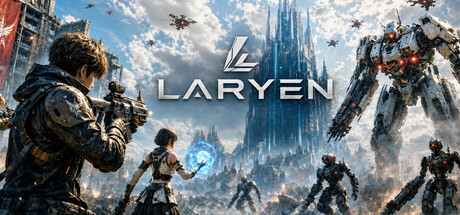 Laryen Live AI text | Laryen includes an optional in-game AI companion named Laria. When a player asks Laria a question by voice or text, her answer is generated at runtime by an AI language model, grounded in Laryen's own game data (monsters, hunting grounds, equipment, drops and progression). Laria answers questions about the game only. She does not generate artwork, music, or content that is shared with other players, and using her is never required to play.
Some artwork used in our store page and marketing materials was created with the assistance of generative AI tools and reviewed by our team before publication. | WITHCENTER | - | Aug 29, 2026 | |
 奇怪的三国模拟器 Unclear | Some materials were generated with AI assistance | 游戏方程工作室 | - | Aug 29, 2026 | |
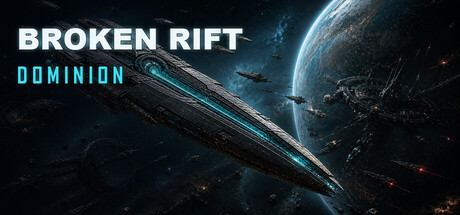 Broken Rift: Dominion In-game content art | The packaged offline model generates diplomatic communications and makes faction decisions from structured game state with curated personalities. Generative AI was used to assist in creating some pre-rendered artwork, including environment backgrounds, menu and branding art, icons, and promotional/title-card images. These assets were reviewed and integrated by the developer. Game does not connect to external AI services. | Last Exit Diner | - | Aug 29, 2026 | |
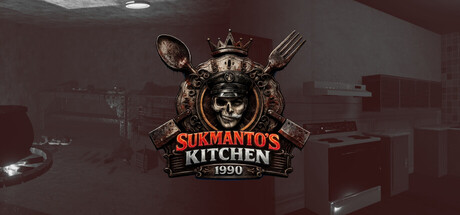 Sukmantos Kitchen 1990 In-game content artaudio | Translations and audio dubbings are made with AI. Some contents including graphic images and video are made with AI. | Ilhaminati | - | Aug 29, 2026 | |
 ORACLE: Humanity, Automated Live AI text | ORACLE uses generative AI in two ways: some marketing artwork was created with generative tools, and an optional bundled local language model can generate short, context-aware ORACLE narration during play. Live generation runs locally on the player's PC and is limited to text; it does not generate code, images, audio, or gameplay rules. | ZANKYO GAMES | - | Aug 29, 2026 | |
 Vibe Coder Inc. In-game content text | Despite game is simulating the AI, all conversations are hard coded and written by person.
AI was used to generate the names and descriptions for some items, but it was manually reviewed by developer. | Brisk Sloths | - | Aug 29, 2026 | |
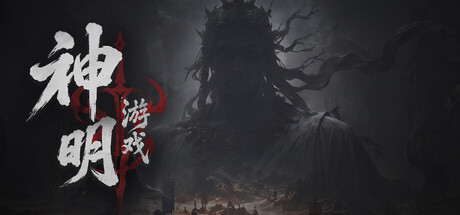 神明游戏 Live AI text | This game utilizes AI during gameplay to dynamically generate partial narrative texts and character dialogue in real time based on game progress, character status, and player choices, which may result in varying text content across different playthroughs. To mitigate the risk of inappropriate output, the game enforces rule constraints, sensitive content detection, and keyword filtering on both AI prompts and generated responses. Any non-compliant content will be blocked or replaced accordingly. | 灵能游戏 | - | Aug 29, 2026 | |
 玄天仙路:修仙模拟器 Live AI text | 游戏内的游戏世界状态反馈、NPC对话,是通过接入大语言模型(LLM)在游戏运行时实时生成。 | 阅澜工作室 | - | Aug 29, 2026 | |
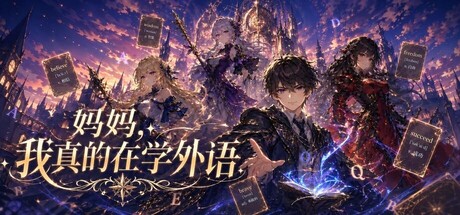 妈妈,我真的在学外语 In-game content art | Generative AI tools were used during development to assist in creating some of the game's visual art assets, primarily including certain card illustrations and related image assets. AI-generated content is used only during the development process and is not generated live while the game is running. All AI-assisted assets included in the final game are manually reviewed, selected, adjusted, and approved by the developer before being added to the game. | MiracleHeart Studio | - | Aug 29, 2026 | |
 Kebab Shop Simulator Live AI arttextaudio | AI has been used to generate capsule art as well as in-game dialogue. NPC voices are AI | Clayton Games | - | Aug 28, 2026 | |
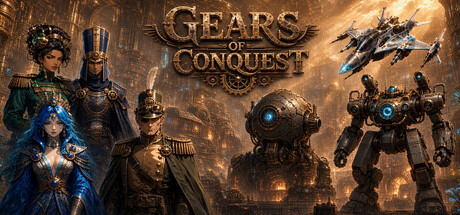 Gears Of Conquest In-game content artaudio | AI was used during development to create portions of the game’s pre-generated artwork, characters, animations, music, voices, and sound effects. These assets are included in the finished game. No AI content is generated live during gameplay. | Makroudata | - | Aug 28, 2026 | |
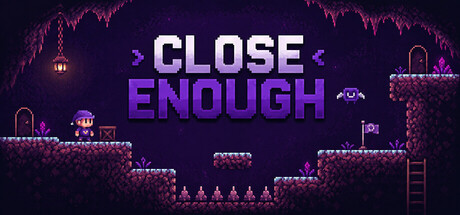 Close Enough In-game content arttextcode | Close Enough was built with generative AI. The code, the in-game text, the level layouts and all seven translations were written by an AI assistant (Claude) working to the developer's direction, and most of what you see on screen — the objects, the whole interface — is drawn by that code rather than loaded from image files.
The doodle recognition inside the game is not generative. It is a small image classifier bundled with the game, trained on Google's Quick, Draw! dataset of human-drawn doodles. It runs entirely on your own computer, sorts each drawing into one of 100 pre-defined objects and creates nothing. Your drawings are never uploaded, and the release build contains no code that could upload them.
The sprites, tiles, music, sound effects and font are licensed assets made by people, not by AI. Every one of them is credited inside the game under Esc → Credits. | dodnd | - | Aug 28, 2026 | |
 Dungeons & Dynasties In-game content codetext | This game was made with the help of generative AI. AI tools assisted in various parts of development, including code and localization. | Bretticus82 | - | Aug 28, 2026 | |
 Do I Know You? Live AI text | In this game, players converse with characters via free-form text input. Responses are text generated by AI and will vary depending on the player's input. | Defios Game Studio | - | Aug 28, 2026 | |
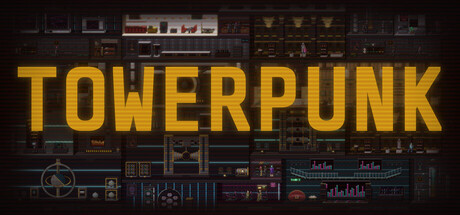 TOWERPUNK Dev only codetext | All art, music, and sound in TOWERPUNK are original to this project, produced by procedural code written specifically for the game. None of it is derived from generative media models. AI coding assistants were used during development to help write the game's source code and some functional interface text (menu labels, status readouts). All narrative and creative writing is authored by the developer. | TESSERAX GAMES | - | Aug 28, 2026 | |
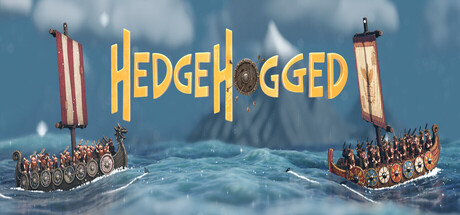 HedgeHogged Dev only artcode | The game is primarily developed using Houdini, VEX and Godot. Generative AI assists with concept/reference artwork, initial 3D asset generation, and programming. Assets are further processed, optimized, rigged and animated in Houdini before integration into the game. | VFX South | - | Aug 28, 2026 | |
 Blue Hawaii Aniki's Small Celebration vol.3 In-game content art | This game uses generative AI to create a portion of its image assets. Specifically, some illustrations and background images were pre-generated during development using Kling AI and Microsoft Copilot. All AI-generated images were reviewed, selected, and edited by the developer before being included in the game. No generative AI content is generated live during gameplay, and no generative AI was used for the scenario, music, or voices. | Kirishima Shoichi | - | Aug 26, 2026 | |
 Dicepot Store/marketing art | The Steam graphics and promotional visuals were made using AI. However, no AI was used for any of the in-game designs or assets. | Unmei Studio | - | Aug 26, 2026 | |
 The Grand Furnace Live AI arttext | This game uses generative AI in two ways. (1) Live generation: narrative text and NPC dialogue are generated in real time based on the player's choices and current game state. Illustrative images for locations, scenes and items are also generated on demand the first time such an element appears, then cached and reused. Core game rules, numerical outcomes, inventory changes, and progression are always resolved by deterministic game systems. Live text generation is governed by server-side content rules that cannot be directly modified by player input. Live image generation uses server-controlled prompt templates based on structured game data (entity type, name, and a short in-world description) within a fixed ink-painting style; players cannot directly provide image-generation prompts. (2) Development-time generation: some static art assets (including location, scene, item and background illustrations) were generated with image-generation AI tools during development. Store-facing marketing assets and selected screenshots containing such artwork were reviewed by a human before publication. Store page copy was drafted with AI assistance and reviewed by a human.
本游戏以两种方式使用生成式AI。(1)实时生成:叙事文本与NPC对话根据玩家选择与当前游戏状态实时生成;地点/场景/物品的插画也会在其首次出现时按需生成,之后缓存复用。核心规则、数值结算、物品变动与进度始终由确定性游戏系统裁定。实时文本生成受服务端内容规则约束(玩家输入无法直接修改);实时图像生成使用服务端控制的提示词模板,基于结构化游戏数据(实体类别、名称与简短的世界内描述)并锁定水墨画风格,玩家不能直接书写图像提示词。(2)开发期生成:部分静态美术素材(包括地点、场景、物品与背景插画)在开发过程中使用图像生成AI制作;用于商店宣传以及所选商店截图中的相关素材均经过人工审阅后发布。商店页文案由AI辅助创作、经人工审定。 | Zhanjidao | - | Aug 26, 2026 | |
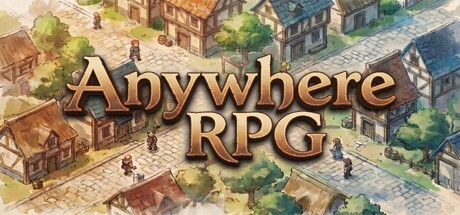 Anywhere RPG Live AI arttext | This game heavily uses generative AI to generate the initial world and direct events and experiences for the player in real time. | Max Loh | - | Aug 25, 2026 | |
 Industry Unbound In-game content art | Industry Unbound includes a limited number of pre-generated visual assets created with the assistance of generative AI. Each asset was selected, reviewed, and edited by the developer before release. Generative AI is not used to generate content in real time during gameplay. | TU HENGYU | - | Aug 25, 2026 | |
 Not Ready for Service In-game content textart | We use generative AI in two limited ways.
Translation. Simplified Chinese, German, Japanese, and Brazilian Portuguese were machine-translated so the story reaches more players. English, Turkish, French, and Spanish were localized by our international friends and us. However, AI translation can miss nuance, so we warmly welcome player feedback to improve it.
Placeholder art. Three images are AI-generated: the Prologue background and the Mentor and Player portraits. They are placeholders. We believe in human expression and will replace them with commissioned art once the game has an audience.
Everything else (code, design, and all other artwork) is made by human hands. | Apth Games Studio | - | Aug 25, 2026 | |
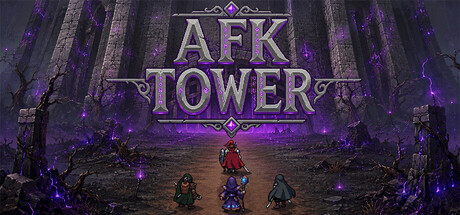 AFKTower In-game content artaudiotext | AFKTower contains AI-assisted content that was generated during development; no AI runs inside the game.
Art: most of the pixel art hero, enemy and boss sprites and their animations, weapon and armor art, skins, combat backgrounds, map scrolls, UI panels, rarity frames and icons was generated with PixelLab (pixellab.ai) from prompts and references, then handn selected, edited, recolored and assembled by the developer. The AFKTower logo was drawn without AI.
Music: the three soundtrack tracks were composed by the developer with Suno (paid plan with commercial license). Sound effects are synthesized procedurally by the game's own code, not by AI.
Text: the game and store texts were written in Spanish by the developer; the English localization and copy editing were done with the help of an AI language model (Claude, by Anthropic) and reviewed by humans.
Store screenshots are unedited captures of the game. Nothing is generated at runtime: the game contains no AI systems. | SpecialStudios | - | Aug 24, 2026 | |
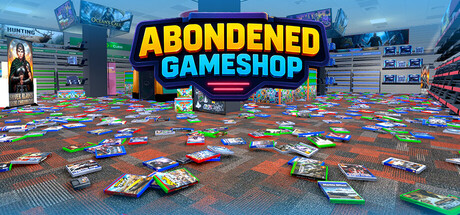 Abandoned Gameshop Store/marketing artcode | The 3D environment and props are human made, but the images on the cover, and code were made with the help of AI. | Zero Code Studios | - | Aug 24, 2026 | |
 流浪猫岛 Live AI textcode | This game includes an optional AI assistant. Players may use the AI tools during gameplay for in‑game assistance such as balloon‑shooting, feeding and other actions. No AI‑generated content will be produced.
During development, generative AI tools were used to assist with programming and some pre‑generated text. All AI‑assisted text included in the game was reviewed and edited by the development team.
No AI was used to generate the game's artwork or music. All artwork and music were created by human artists and musicians. | 行云工作室 | - | Aug 24, 2026 | |
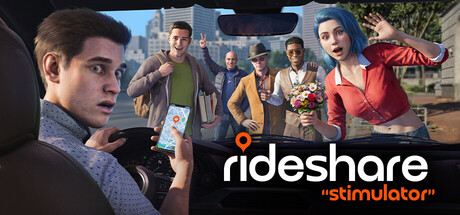 Rideshare "Stimulator" In-game content textaudio | The main Campaign story, characters, and dialogue are written by a team of human writers. AI tools are used for voice generation and some localization.
The optional Free Ride mode includes AI-generated passenger missions and localized dialogue. Free Ride mode is separate from the main Campaign and can be skipped by players who prefer to experience only human-written narrative content.
The game also includes a mix of radio stations featuring human-made music and AI-generated music. Stations containing AI-generated music are clearly labeled as such in the game. | UNIGINE | - | Aug 24, 2026 | |
 Money Makes Money: Historical Market Simulator In-game content audioart | Generative AI tools were used during development to create or process some pre-generated voice audio and selected 2D visual assets, including stylized character and news-related images.
All AI-assisted content is created before release and manually reviewed, edited, and curated by the developer before being included in the game.
No generative AI runs during gameplay, and no player input or data is sent to generative AI services. | DH_GameStudio | - | Aug 24, 2026 | |
 Creative Aquarium Unclear | The recognizability of painting fish | DoodleFish Lab | - | Aug 24, 2026 | |
 无限循环 In-game content codeaudiotext | This game utilized generative AI tools during development to assist with the following aspects:
Generation and optimization of certain code snippets;
Creation and processing of some sound effects;
Machine translation and localization assistance for in-game text and UI strings.
Important note: All visual art assets in the game (including characters, environments, props, UI elements, icons, animations, etc.) are exclusively created by human artists and were not generated by any AI tools.
All AI-generated content (code, sound, translation) has been manually reviewed, revised, and tested to ensure quality, stylistic consistency, and compliance with applicable regulations. AI is not used for real-time generation of player-facing content; all released content is finalized prior to launch. | Capybara BBQ Studio | - | Aug 24, 2026 | |
 Symbiosis: Criticality In-game content text | Symbiosis: Criticality's narrative and dialogue were developed with the assistance of generative AI as part of an iterative, human-directed writing process. All in-game art, audio, and code were authored directly by the development team. | Brehmdig | - | Aug 23, 2026 | |
 Last Haven: Idle Survival Unclear | Game Design | WishHaveFun OPC | - | Aug 23, 2026 | |
 Recursive Intelligence Dev only code | This game was primarily coded with AI.
The story and concept was made almost entirely by myself (As this was the main aim of the game to begin with)
Please don't buy it if you're not a fan of this use of AI generation. | Malacia | - | Aug 23, 2026 | |
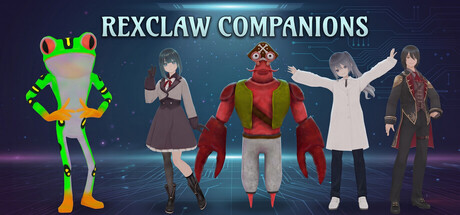 Rexclaw Companions Live AI textaudio | Rexclaw's companions are powered by generative AI, conversations (text and voice), along with files you create together are generated on demand by third party AI models. Some promotional artwork, including store banners, was created with AI assistance. | Codemarchant | - | Aug 23, 2026 | |
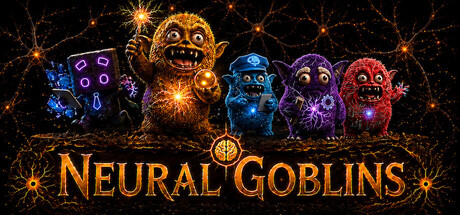 Neural Goblins In-game content art | Some visual assets in this game were generated using AI. | Grey Chan's Lab | - | Aug 23, 2026 | |
 PooDaddy In-game content textcode | We Use AI to code the game and for Language localization. | neeknog | - | Aug 23, 2026 | |
 Weed Shop 4: Highland In-game content artaudio | Generative AI tools were used during development to create initial concepts for background music tracks and 2D loading screen artwork. These concepts were heavily reworked, re-edited, and finalized by human artists before being integrated as static files into the game build.
Players who prefer a completely traditional experience can completely disable all AI-assisted art and music via a toggle in the game's settings menu.
This game does not use any real-time or live generative AI. No content is generated dynamically during gameplay. | Weed Games | 196 | Aug 23, 2026 | |
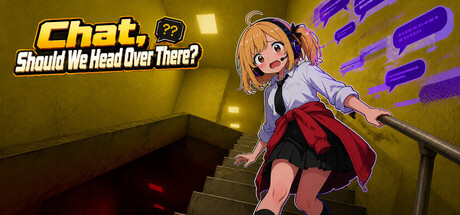 Chat, Should We Head Over There? Live AI textartaudio | This game uses generative AI in two ways.
Live-generated: The streamer character "Sia" reacts to the messages you type in real time. Her lines are generated during play by a large language model through an external AI service, so they are not pre-written. If the service is unavailable, the game falls back to pre-written lines and remains fully playable.
Pre-rendered: Some in-game artwork (item icons, character and creature sprites, textures) and some sound effects were produced with AI generation tools and then edited by the developer before shipping. | akarolls | - | Aug 23, 2026 | |
 LED HEARTS In-game content art | This game uses AI-generated art for character illustrations and background images. All AI-generated images were reviewed and manually edited by the developer. AI is NOT used to generate any content during gameplay in real-time. Voice acting is performed by human actors. The story and script were written by a human. | Fugas Kitsune | - | Aug 23, 2026 | |
 Valdivia AllStars In-game content art | During the development of Valdivia AllStars, we used generative artificial intelligence tools to assist with specific parts of the content creation process.
These tools were primarily used to assist in the creation and exploration of certain visual assets, including concept art, visual references, textures, and some graphical elements used during the development of the game. Content created with the assistance of these tools was subsequently selected, modified, adapted, and reviewed by our team before being incorporated into the final product.
Generative AI was used as a supporting tool for our developers and artists, rather than as an autonomous system for creating the game. Character and environment design, gameplay mechanics, programming, 3D modeling, animation, content integration, and the overall artistic direction of the game were created and supervised by our development team.
Valdivia AllStars does not use generative AI to dynamically create content during gameplay, nor does it require players to submit content to be processed by generative AI systems. | Krow Games | - | Aug 22, 2026 | |
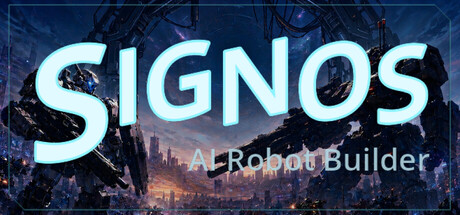 SIGNOS: AI Robot Builder In-game content artaudio | This game uses generative AI tools for parts of its 3D model creation and music/sound effect production.
Core elements of the game experience — including the scenario, game design, AI logic design and implementation, and part balance adjustments — are created and decided primarily by the developer himself.
In keeping with the game's own concept of "designing AI logic to fight," the development process itself also actively incorporates collaboration with AI. This game was completed by using dialogue with AI to work around the limitations of a one-person team. | zeoperdise | - | Aug 22, 2026 |


