Public Steam disclosure research25,376 disclosures tracked
Where do games disclose AI use?
Search developers’ Steam disclosures, compare classified AI use across
games, and follow recorded changes.
This index adds cross-game classifications and statistics to
statements published on individual store pages.
Groups reflect automatic analysis of public disclosures; mature records are excluded. These counts do not measure AI use across all of Steam.
Missing or unclear statements cannot establish whether a game uses AI.
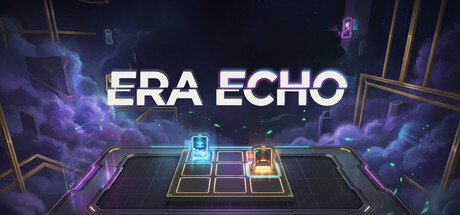
Era Echo is developed by a solo developer. Generative AI tools are used to assist with development and production (for example concepting, drafts, and iteration), which has helped make shipping a solo project practical. All shipped content is reviewed and directed by the developer.
This game’s player-facing art, writing, and audio were created with generative AI and then selected, edited, and directed by the developer. Store images and trailers use the same pre-generated assets. No content is generated live during gameplay.
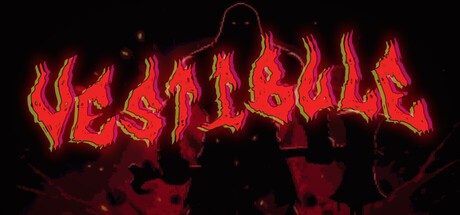
Vestibule's pixel art was generated with an AI art tool, with every design directed, refined, and hand-edited by the developer. Individual trailer and cinematic clips were generated with an AI video tool, built from the game's own artwork and developer-written scene descriptions — the final edit, scene sequencing, and music timing were done manually by the developer in After Effects. All game design, systems, writing, and code are original work.
Some artwork and promotional images used on the Steam store page were created with assistance from generative AI and subsequently reviewed and approved by humans. The game’s narrative voice-over uses pre-generated text-to-speech audio. No content is generated in real time during gameplay.
Some illustrations used in the game and on its Steam store page, including card artwork, interface backgrounds, and promotional materials, were created or enhanced using generative artificial intelligence tools. This content is generated in advance, then selected, edited, and manually integrated by the developer. The game does not use generative AI in real time and does not generate content during gameplay.
The illustrations in this game (Battle Card art, faction emblems, Commander portraits and board imagery) were generated with Midjourney, working from the designer's own concept art and art direction. Each image was then selected, tone-matched to the card stock, fitted and composited into the game's frames.
Card names, card text and the written rules were drafted with the assistance of a large language model, working from the designer's original hand-written rules and card designs, then edited and finalized by hand. The music and sound effects were generated with Suno. Voice recordings were performed by the creator.
The game itself is a person's work: the rules, the mechanics, the economy and the balance decisions were designed by hand over many revisions, with AI used as a collaborator rather than an author. The physical board game came first.
No content is generated by AI while you play. The computer opponents are conventional rule-based code, not a generative model.
This game uses generative AI to assist in the creation of chimera image assets and text content used in the game. Generative AI is also used to assist with game planning and design, programming and development, and translation into English. All AI-generated content and AI-assisted translation are produced during development. Generative AI is not used to generate new content during gameplay.
The illustrations in Dead Market — the 247 card images, the cutscene plates, the premises backdrops and the nine-slice chrome — were generated with image models during development, then selected, corrected, composed and integrated by hand against the game's own manifest. Everything that displays a live value is drawn procedurally in the engine rather than being an image. The spoken lines were synthesised from a written script, one voice per character, and edited into the game.
Nothing is generated while the game runs. There is no model in the build, no network code and no telemetry.
Some art assets in this game were created with the assistance of generative AI. AI-assisted tools were also used in the translation and localization of the English text. In addition, AI was used to assist with certain programming tasks during development. All AI-assisted output included in the game was manually reviewed, edited, and integrated by the developer.
Pre-generated AI was used during development to create some artwork and audio included with the game, including avatars, wallpapers, card artwork, logo and branding artwork, music, and sound effects. All related assets were generated under the developer's direction, reviewed, selected, and edited before inclusion. The game does not generate AI content during play or connect to a live generative AI service.
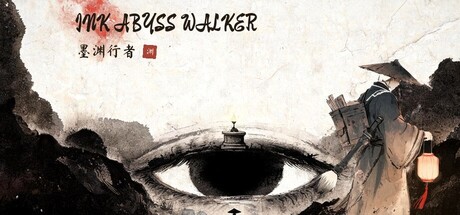
INK ABYSS WALKER was crafted by a single indie developer. During development, AI tools were used as an assist to produce quick, early drafts of some illustrations and text — helping an ink-soaked idea take shape as images and words more efficiently. The core gameplay, worldbuilding, card and number balance, narrative, and overall tone, however, were all led, iterated and finalised by hand by the developer. AI is a tool that helps an idea move faster — not the author of it. Everything you see was selected, refined and re-crafted by a person, to keep faith with the game's ink-wash spirit. Thank you to every walker who carries the lamp onward.
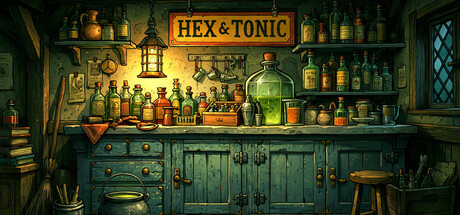
I am a professional artist who lost the majority of my vision many years ago. Now legally blind, I use AI to generate base images and I create what I call "Hybrid Art", in which I combine my own art and skills with the generations to still create art that I love. This technique has been used in Hex & Tonic for card art, store page art, etc. I hope it brings you as much joy as I got creating for you.
Generative AI was used as a supplementary tool in the translation process for certain system languages in this title.
AI was utilized to help improve translation efficiency and quality. However, all final translations are reviewed and edited by the development team before being implemented.
All translated text is reviewed by human editors to ensure it is accurate, appropriate, and of high quality.
This game contains some content created with the assistance of AI tools, including but not limited to character concept designs, artwork, background music, and other visual/audio assets. All AI-generated content has been reviewed, modified, and integrated by the developer to ensure consistency with the game's overall style and quality. No AI-generated content is created in real-time during gameplay.
AI-assisted generation of small code snippets and early visual concepts. All content has been manually reviewed and optimized. Real-time AI generation is not involved; it is entirely locally packaged and does not rely on external APIs.
Some assets in this game were created with the help of generative AI. Generative AI was used to produce background art, background music, sound effects, and in-game icons.
Some art assets including card illustrations, character and prop art were created with the assistance of generative‑AI tools during development. All AI‑assisted materials have been manually reviewed, edited and reworked. No content is dynamically generated by AI during gameplay.
Generative AI tools assisted with some pre-generated artwork, localization, and written copy during development. All included outputs were selected, reviewed, and edited by the developer before shipping. The game does not generate AI content during gameplay and does not connect to external AI services.
Some of the graphical and audio assets in this title were created with the assistance of generative AI tools. All AI-assisted content was reviewed, curated, and refined by our development team prior to release. This game does not use AI to generate any content in real time during gameplay.
Take a Joke uses generative AI in a few clearly defined places.
Created during development and shipped as fixed files:
• Artwork — the game's logo, icon, and character avatars were created using AI image-generation tools, then selected, edited, and assembled by hand.
• Narrator voice — the spoken introduction is a synthesized voice performance created with ElevenLabs, reading a script we wrote.
• Cards — the great majority of the prompt and answer deck was written by hand. A small number of cards were drafted with AI assistance. Every card in the game was read and approved by a person before it shipped.
Generated during play (optional features):
• The narrator occasionally reacts to what is happening in a round. The lines come from a fixed, human-written library; a player's name is inserted and the line is voiced with ElevenLabs.
• The optional end-of-game awards ceremony writes a short, custom awards show about the game you just played — the award titles and descriptions are AI-written from that game's results, then voiced.
When those optional features are on, the game sends player nicknames and submitted answers to the services that generate them. With them off, nothing is generated while you play.
Some of the artwork, audio, text, and program code in this game were created with the assistance of generative AI tools and were reviewed, edited, and integrated by the developer. The game does not use generative AI to create content in real time during gameplay.
AI helps us bring our creative ideas to life. In true indie fashion, we are two starving game developers—figuratively, and occasionally quite literally. It’s the only way for us to produce the art we need while saving our remaining coins for developing the game. If the budget grows, we’ll consider buying the better cheese from the local market.
Some of this game's assets were created with the assistance of generative AI tools and were then reviewed, edited, and integrated by the developer. This includes: base meshes of some 3D character models, some 2D artwork such as card illustrations and icons, voice lines and sound effects created with AI voice/audio generation, and parts of the localized text. All such content was pre-generated during development — the game does not generate any content with AI at runtime.
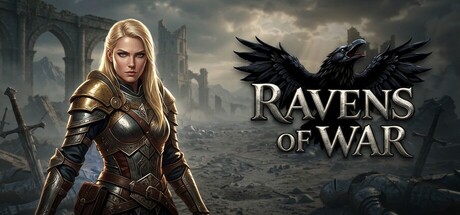
Ravens of War uses generative AI to create some of the artwork and illustrations used in the game, including card artwork. This content is pre-generated and included as part of the game; the game does not generate new AI content during gameplay.
During the development process, we may use procedural- and AI-based tools to assist with content creation. In all such cases, the final product reflects the creativity and expression of our own development team.
Generative AI was used to create the game's English and Simplified Chinese localization. AI tools were also used to assist with code generation during development. No AI-generated content is created during gameplay.
AI tools were used during the creation of draft visual assets. All AI-generated material is reviewed, edited, and manually refined by professional artists before being included in the final product.
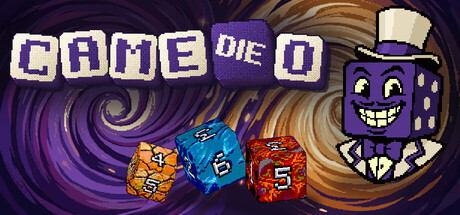
Generative AI tools were used in the creation of certain assets for Camedieo.
Each was reviewed, reworked and integrated by us so the finished product holds a single consistent direction.
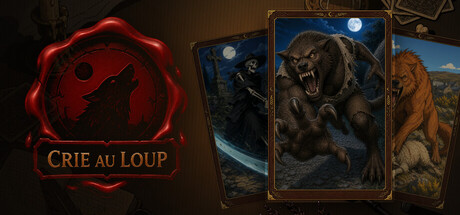
Crie au loup is made with AI, from the first prototype to the illustrations. That is not a manufacturing detail: it is as much the project as the game itself.
My role is not a craftsman's: I painted no card, and I did not write the code line by line. I designed the system, I direct it, I arbitrate and I verify. Deciding what makes it into the game, what gets redone, what gets cut: that is production work, and it is mine.
What is generated: the creature and location artwork, the interface, a large share of the code and the writing. What is measured rather than assumed: card balance, computed over thousands of simulated matches before every update. What is verified: the historical sources behind every legend, published one by one on the official site, where you can open them and prove me wrong.
What is never generated is your match. No image, no text and no game decision comes out of a model while you play: the engine is deterministic, and the solo opponent is a classic program applying the rules.
Crie au loup is one of the projects I run around generative AI, and the only one you can play. The making-of is documented without varnish in the devlog on the official site.
Some visual assets in this game — including character portraits, illustrations, and marketing images — were created with the assistance of generative AI tools. All AI-generated material was reviewed, edited, and finalized by the developer. No AI content is generated during gameplay.
Era Echo is developed by a solo developer. Generative AI tools are used to assist with development and production (for example concepting, drafts, and iteration), which has helped make shipping a solo project practical. All shipped content is reviewed and directed by the developer.
This game’s player-facing art, writing, and audio were created with generative AI and then selected, edited, and directed by the developer. Store images and trailers use the same pre-generated assets. No content is generated live during gameplay.
Vestibule's pixel art was generated with an AI art tool, with every design directed, refined, and hand-edited by the developer. Individual trailer and cinematic clips were generated with an AI video tool, built from the game's own artwork and developer-written scene descriptions — the final edit, scene sequencing, and music timing were done manually by the developer in After Effects. All game design, systems, writing, and code are original work.
Some artwork and promotional images used on the Steam store page were created with assistance from generative AI and subsequently reviewed and approved by humans. The game’s narrative voice-over uses pre-generated text-to-speech audio. No content is generated in real time during gameplay.
Some illustrations used in the game and on its Steam store page, including card artwork, interface backgrounds, and promotional materials, were created or enhanced using generative artificial intelligence tools. This content is generated in advance, then selected, edited, and manually integrated by the developer. The game does not use generative AI in real time and does not generate content during gameplay.
The illustrations in this game (Battle Card art, faction emblems, Commander portraits and board imagery) were generated with Midjourney, working from the designer's own concept art and art direction. Each image was then selected, tone-matched to the card stock, fitted and composited into the game's frames.
Card names, card text and the written rules were drafted with the assistance of a large language model, working from the designer's original hand-written rules and card designs, then edited and finalized by hand. The music and sound effects were generated with Suno. Voice recordings were performed by the creator.
The game itself is a person's work: the rules, the mechanics, the economy and the balance decisions were designed by hand over many revisions, with AI used as a collaborator rather than an author. The physical board game came first.
No content is generated by AI while you play. The computer opponents are conventional rule-based code, not a generative model.
This game uses generative AI to assist in the creation of chimera image assets and text content used in the game. Generative AI is also used to assist with game planning and design, programming and development, and translation into English. All AI-generated content and AI-assisted translation are produced during development. Generative AI is not used to generate new content during gameplay.
The illustrations in Dead Market — the 247 card images, the cutscene plates, the premises backdrops and the nine-slice chrome — were generated with image models during development, then selected, corrected, composed and integrated by hand against the game's own manifest. Everything that displays a live value is drawn procedurally in the engine rather than being an image. The spoken lines were synthesised from a written script, one voice per character, and edited into the game.
Nothing is generated while the game runs. There is no model in the build, no network code and no telemetry.
Some art assets in this game were created with the assistance of generative AI. AI-assisted tools were also used in the translation and localization of the English text. In addition, AI was used to assist with certain programming tasks during development. All AI-assisted output included in the game was manually reviewed, edited, and integrated by the developer.
Pre-generated AI was used during development to create some artwork and audio included with the game, including avatars, wallpapers, card artwork, logo and branding artwork, music, and sound effects. All related assets were generated under the developer's direction, reviewed, selected, and edited before inclusion. The game does not generate AI content during play or connect to a live generative AI service.
INK ABYSS WALKER was crafted by a single indie developer. During development, AI tools were used as an assist to produce quick, early drafts of some illustrations and text — helping an ink-soaked idea take shape as images and words more efficiently. The core gameplay, worldbuilding, card and number balance, narrative, and overall tone, however, were all led, iterated and finalised by hand by the developer. AI is a tool that helps an idea move faster — not the author of it. Everything you see was selected, refined and re-crafted by a person, to keep faith with the game's ink-wash spirit. Thank you to every walker who carries the lamp onward.
I am a professional artist who lost the majority of my vision many years ago. Now legally blind, I use AI to generate base images and I create what I call "Hybrid Art", in which I combine my own art and skills with the generations to still create art that I love. This technique has been used in Hex & Tonic for card art, store page art, etc. I hope it brings you as much joy as I got creating for you.
Generative AI was used as a supplementary tool in the translation process for certain system languages in this title.
AI was utilized to help improve translation efficiency and quality. However, all final translations are reviewed and edited by the development team before being implemented.
All translated text is reviewed by human editors to ensure it is accurate, appropriate, and of high quality.
This game contains some content created with the assistance of AI tools, including but not limited to character concept designs, artwork, background music, and other visual/audio assets. All AI-generated content has been reviewed, modified, and integrated by the developer to ensure consistency with the game's overall style and quality. No AI-generated content is created in real-time during gameplay.
AI-assisted generation of small code snippets and early visual concepts. All content has been manually reviewed and optimized. Real-time AI generation is not involved; it is entirely locally packaged and does not rely on external APIs.
Some assets in this game were created with the help of generative AI. Generative AI was used to produce background art, background music, sound effects, and in-game icons.
Some art assets including card illustrations, character and prop art were created with the assistance of generative‑AI tools during development. All AI‑assisted materials have been manually reviewed, edited and reworked. No content is dynamically generated by AI during gameplay.
Generative AI tools assisted with some pre-generated artwork, localization, and written copy during development. All included outputs were selected, reviewed, and edited by the developer before shipping. The game does not generate AI content during gameplay and does not connect to external AI services.
Some of the graphical and audio assets in this title were created with the assistance of generative AI tools. All AI-assisted content was reviewed, curated, and refined by our development team prior to release. This game does not use AI to generate any content in real time during gameplay.
Take a Joke uses generative AI in a few clearly defined places.
Created during development and shipped as fixed files:
• Artwork — the game's logo, icon, and character avatars were created using AI image-generation tools, then selected, edited, and assembled by hand.
• Narrator voice — the spoken introduction is a synthesized voice performance created with ElevenLabs, reading a script we wrote.
• Cards — the great majority of the prompt and answer deck was written by hand. A small number of cards were drafted with AI assistance. Every card in the game was read and approved by a person before it shipped.
Generated during play (optional features):
• The narrator occasionally reacts to what is happening in a round. The lines come from a fixed, human-written library; a player's name is inserted and the line is voiced with ElevenLabs.
• The optional end-of-game awards ceremony writes a short, custom awards show about the game you just played — the award titles and descriptions are AI-written from that game's results, then voiced.
When those optional features are on, the game sends player nicknames and submitted answers to the services that generate them. With them off, nothing is generated while you play.
Some of the artwork, audio, text, and program code in this game were created with the assistance of generative AI tools and were reviewed, edited, and integrated by the developer. The game does not use generative AI to create content in real time during gameplay.
AI helps us bring our creative ideas to life. In true indie fashion, we are two starving game developers—figuratively, and occasionally quite literally. It’s the only way for us to produce the art we need while saving our remaining coins for developing the game. If the budget grows, we’ll consider buying the better cheese from the local market.
Some of this game's assets were created with the assistance of generative AI tools and were then reviewed, edited, and integrated by the developer. This includes: base meshes of some 3D character models, some 2D artwork such as card illustrations and icons, voice lines and sound effects created with AI voice/audio generation, and parts of the localized text. All such content was pre-generated during development — the game does not generate any content with AI at runtime.
Ravens of War uses generative AI to create some of the artwork and illustrations used in the game, including card artwork. This content is pre-generated and included as part of the game; the game does not generate new AI content during gameplay.
During the development process, we may use procedural- and AI-based tools to assist with content creation. In all such cases, the final product reflects the creativity and expression of our own development team.
Generative AI was used to create the game's English and Simplified Chinese localization. AI tools were also used to assist with code generation during development. No AI-generated content is created during gameplay.
AI tools were used during the creation of draft visual assets. All AI-generated material is reviewed, edited, and manually refined by professional artists before being included in the final product.
Generative AI tools were used in the creation of certain assets for Camedieo.
Each was reviewed, reworked and integrated by us so the finished product holds a single consistent direction.
Crie au loup is made with AI, from the first prototype to the illustrations. That is not a manufacturing detail: it is as much the project as the game itself.
My role is not a craftsman's: I painted no card, and I did not write the code line by line. I designed the system, I direct it, I arbitrate and I verify. Deciding what makes it into the game, what gets redone, what gets cut: that is production work, and it is mine.
What is generated: the creature and location artwork, the interface, a large share of the code and the writing. What is measured rather than assumed: card balance, computed over thousands of simulated matches before every update. What is verified: the historical sources behind every legend, published one by one on the official site, where you can open them and prove me wrong.
What is never generated is your match. No image, no text and no game decision comes out of a model while you play: the engine is deterministic, and the solo opponent is a classic program applying the rules.
Crie au loup is one of the projects I run around generative AI, and the only one you can play. The making-of is documented without varnish in the devlog on the official site.
Some visual assets in this game — including character portraits, illustrations, and marketing images — were created with the assistance of generative AI tools. All AI-generated material was reviewed, edited, and finalized by the developer. No AI content is generated during gameplay.