Public Steam disclosure research25,376 disclosures tracked
Where do games disclose AI use?
Search developers’ Steam disclosures, compare classified AI use across
games, and follow recorded changes.
This index adds cross-game classifications and statistics to
statements published on individual store pages.
Groups reflect automatic analysis of public disclosures; mature records are excluded. These counts do not measure AI use across all of Steam.
Missing or unclear statements cannot establish whether a game uses AI.
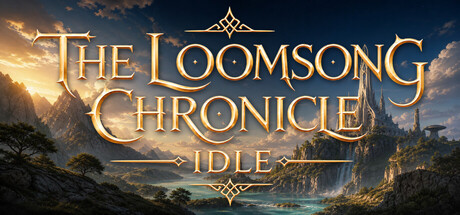
AI has been used to help code and shape the games content including Codex and Claude code. A premium Suno account was used to create music for the game. Codex was used to help generate art and in-game assets. All lore, scripting, and general architecture was hand crafted by the author of the game.
Pre-generated content. Character portraits, spell and keyword icons, and store artwork were produced using AI image generation tools, then selected, edited and assembled by the developer. Some in-game text was drafted with AI assistance and edited by the developer. Music and sound effects are licensed from human creators. No content is generated live while the game is running.
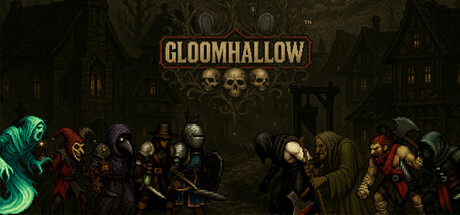
While a vast majority of Gloomhallow was human created, it was created by a solo developer (single person) - AI assisted in very specific fields such as;
- C# Coding
- SFX Generation
- OST Creation
- Very select UI Animations
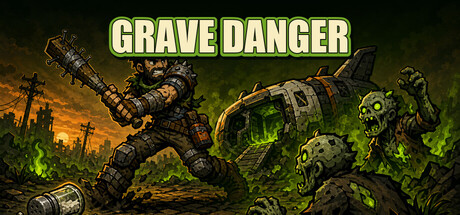
Generative AI tools assisted with portions of the game's code, comedic written content, and certain original visual assets. The game also includes 12 pre-generated instrumental music tracks made with Suno. All AI-assisted material was reviewed, edited, and integrated by the developer. Grave Danger does not generate AI content during gameplay and does not connect to external AI services.
Some item names and interface translations into languages other than English were created
with AI assistance, then carefully reviewed and edited by the developer. Parts of the 2D
artwork were created with image generation tools, then carefully curated, edited, and
composited by hand. Audio was created by people and comes from CC0-licensed sources with
attribution. No AI content is generated during gameplay. The game does not generate AI
content at runtime, and no player data is ever sent to any AI service.
Generative tools were used to create and refine selected 2D illustrations, music, sound effects, localization, and store text. All materials were reviewed and edited by the developer. The game does not generate content using AI or connect to generative AI services during gameplay.
Generative AI is used in this game for both asset creation (such as UI elements and character visuals) and as a tool to assist in the development process (such as code organization). Every piece of content generated by AI is carefully reviewed and refined by the development team to ensure it meets our quality standards.
Currently, the game uses around 10% conceptual/placeholder AI-generated textures. All of these placeholders will be completely replaced prior to the 1.0 full release.
The following are temporary AI placeholder textures:
- Most UI buttons
- Vehicle textures
- The home screen
- The mouse cursor
- Most of the shop scene
- All bridges
The following are NOT AI textures (100% custom-made):
- All enemy models and textures (minus the boss "evil reforged bot mk9001")
- All item icons and textures
- All levels (except for the underground bunker and frozen ridge, which temporarily share the home screen texture)
Pre-generated: Store page capsule art and marketing images were created with AI assistance. In-game text (unit descriptions, UI copy) and the store description were written with AI assistance. All in-game visuals are drawn procedurally at runtime by the game's own code. No AI model runs in the game and no content is generated during play. All AI-assisted output was reviewed and edited by the developer and contains no third-party or infringing material.
Some pre-generated artwork and sound assets used in the game and its marketing materials were created or edited with the assistance of generative AI tools. All such content was manually selected, reviewed, and edited as needed by the developer. The game does not generate AI content during gameplay.
This game uses generative artificial intelligence in the following ways: pixel character artwork and background images. AI-generated content was reviewed and edited by the developer before being included in the game or store page.
AI image-generation tools were used to create the background illustrations, card illustrations, and other visual assets for this game. AI tools were also used to produce the background music (BGM), based on melodies I composed.
I know many players have reservations about AI-generated content, so I want to be upfront about exactly how it was used in this game.
I'm an ordinary gamer who has played games for almost twenty years and always dreamed of making one of my own. But I can't write code, and I've never been trained in art or music. This game exists because generative AI filled those gaps for me: parts of the code were written with the help of AI coding tools; some character, environment, and UI art was created with image-generation models, then hand-picked and adjusted by me; some animation, music, and sound effects were also made with AI tools.
Everything that makes it an actual game, though — the design, the balancing, the game feel, and every "is this fun?" decision — was done by me, across hundreds of playtests. The game contains no live-generated AI content.
For me, AI wasn't an assembly line making a game in my place. It's what let an ordinary player finally build the game he'd been dreaming about. I hope some of that comes through when you play — and I'd genuinely welcome your feedback.
The development of Mind Against Fate utilized Artificial Intelligence (AI) tools to assist in the creation of specific pre-generated assets and coding workflows:
- Visual Assets: The portraits for heroes and in-game item icons were initially generated using Kling.AI and Google generative tools, and were subsequently refined, detailed, and polished using graphic design software.
- 3D Models: Certain 3D asset bases and models in the game were created with the assistance of Meshy.AI before being finalized and integrated into the game engine.
- Coding Assistance: Development and implementation speed were enhanced using AI-assisted coding tools (Cursor AI utilizing Google Gemini and Anthropic Claude versions).
We ensure that all generated content has been thoroughly reviewed and edited to meet quality standards, and contains no copyrighted or infringing materials.
Sound design and Localization (localization can hopefully be community sourced with proper credit given in-game for users that assist with translations)
This game uses generative AI as part of its art and localization pipeline. Specifically:
- Character portrait artwork: The hunters' painted bust portraits (shown on the character-select screen, and reused in store page capsule art and the trailer) were generated using a local Stable Diffusion XL model with a custom LoRA, then composited by hand into final scenes.
- Localization: UI text translations for French, German, Spanish (Spain), Spanish (Latin America), Portuguese (Brazil), Italian, Polish, and Turkish were produced with AI assistance and reviewed before shipping.
All AI-assisted content was reviewed by the development team before inclusion. No content is generated live or in response to player input during gameplay — all AI-assisted assets are fixed at build time.
AI tools were used during development.
The interface translations (English, French, German, Italian and Portuguese) and the log translations were generated with AI assistance, under the developer's direction and with human review. The game does not generate AI content at runtime.
The entirety of the game from the code to the art to the music WAS GENERATED WITH AI. This is not a disguise, I do not know how to build an entire game from scratch by myself. The story, characters, and concept art was created entirely by me and partly with my best friend Xavier, but everything in game is made using AI.
This game may use pre-generated AI-assisted visual assets in some store/marketing materials and placeholder art. All such assets are reviewed and edited by the developer. The game does not use live generative AI during gameplay.
Some 2D art (sprites, icons, key art) was generated with a locally run image model, then hand-curated and edited by the developer. Sound effects and music were generated with local audio models and hand-picked. Everything shipped was reviewed by a human; the game performs no AI generation at runtime.
Generative AI was used as an assistive tool for creating some visual assets. All AI-assisted assets were manually edited and refined by a human designer before being included in the game.
MindGate's content—including character illustrations, related store and promotional images, and in-game text—is created by the developer using generative AI tools. The developer directs, selects, edits, and finalizes every asset, and makes all gameplay design and balance decisions.
Character portraits were created by transforming and editing licensed 3D character assets from PV Games using generative AI, followed by manual editing and refinement.
Some visual assets used in the game, including selected 2D artwork and UI graphics, were created with the assistance of generative AI. All AI-generated content has been reviewed, edited, and integrated by the developer to ensure consistency with the game's artistic vision.
Some of the visual art in Board Poker was created with the help of generative AI tools and then reviewed and refined by our team; the rest is hand-made or sourced from licensed asset packs. Music and sound effects use no generative AI. Generative AI also assisted with text — drafting some interface translations and the store and marketing copy, all reviewed and edited by our team. No content is generated by AI while the game is running.
Some of the game's 2D art (character sprites, scenery, item icons and store artwork) was created with the help of generative AI image tools, then curated, edited and integrated by the team. Parts of the game's code were written with AI assistance under developer direction. All AI-assisted content was reviewed by the developers. The game does NOT generate AI content at runtime and does NOT connect to any external AI service.
During development, generative AI tools were used to assist in the creation of certain visual assets. All AI-generated content has been reviewed and curated by the development team.
During the development of Crossfall, generative AI is used as an auxiliary tool for creating game content. The following materials have been created or prepared with its help:
Images. Some of the game’s visual content has been created using generative AI, including character images, as well as some sprites and icons. Other parts of the artwork were made manually.
Text. AI helps me prepare some of the text content, including drafts of item names and descriptions, text for certain in-game events, as well as translation and localization of texts into other languages.
Music. The game’s musical soundtrack was created using generative AI.
All content generated with the help of AI is reviewed, selected, and, if necessary, refined by me before being added to the game.
The game itself does not use generative AI during gameplay: no content is generated in real time on the player’s side, and the game does not require an internet connection or access to any AI services.
100% human made code, art, design, and audio!
AI assistance was only used for a tiny fraction of the text localizations to fill small gaps in our community made translations and for translating the Steam store page descriptions to non English languages.
This game has AI generated images (including the community items) and other AI made components. If you are sensitive about AI generated content please do not purchase this game.
Generative AI (a large language model) was used to assist in drafting text content — store page descriptions, in-game text, and marketing copy — and to assist with code. All output was reviewed and edited by the developer. Game art is from licensed/CC0 asset packs and procedural rendering; audio is procedurally synthesized. No AI-generated imagery or audio ships in the game, and no AI is generated live at runtime.
Portions of the game's visual assets were created with the assistance of generative AI and subsequently reviewed, edited, and integrated by the developer. All gameplay systems, game design, programming, balancing, and final implementation were developed by the developer.
Some of the games text was drafted with the assistance of generative AI and then edited by hand by developers before inclusion.
The game's audio is procedurally synthesized in-engine (algorithmic DSP) and layered with real & recorded audio by the developers. not produced by a generative AI model.
Some of the games 3D model primitive shapes were drafted with the assistance of generative AI, but finalized by hand.
Some of this game's content was created with the help of generative AI tools, including certain illustrations, in-game background art, and portions of the in-game text and its translations. All AI-generated content was produced during development and reviewed by the developer before release. The game does not generate any content in real time during play.
Some promotional artwork and achievement icons were created using generative AI and then manually edited by the developer. No gameplay content is generated by AI.
Some of the game's visual assets (boss artwork, item icons, background illustrations) and store page imagery were created using generative AI tools, then integrated and refined by hand. Gameplay design, balancing, and integration are done manually.
Hammered Heroes is a solo-developed game, with all design, direction, and gameplay built by one developer. Some 2D art assets (such as sprites and capsule art) were created with the help of generative AI image tools, then edited and assembled by the developer.
AI has been used to help code and shape the games content including Codex and Claude code. A premium Suno account was used to create music for the game. Codex was used to help generate art and in-game assets. All lore, scripting, and general architecture was hand crafted by the author of the game.
Pre-generated content. Character portraits, spell and keyword icons, and store artwork were produced using AI image generation tools, then selected, edited and assembled by the developer. Some in-game text was drafted with AI assistance and edited by the developer. Music and sound effects are licensed from human creators. No content is generated live while the game is running.
While a vast majority of Gloomhallow was human created, it was created by a solo developer (single person) - AI assisted in very specific fields such as;
- C# Coding
- SFX Generation
- OST Creation
- Very select UI Animations
Generative AI tools assisted with portions of the game's code, comedic written content, and certain original visual assets. The game also includes 12 pre-generated instrumental music tracks made with Suno. All AI-assisted material was reviewed, edited, and integrated by the developer. Grave Danger does not generate AI content during gameplay and does not connect to external AI services.
Some item names and interface translations into languages other than English were created
with AI assistance, then carefully reviewed and edited by the developer. Parts of the 2D
artwork were created with image generation tools, then carefully curated, edited, and
composited by hand. Audio was created by people and comes from CC0-licensed sources with
attribution. No AI content is generated during gameplay. The game does not generate AI
content at runtime, and no player data is ever sent to any AI service.
Generative tools were used to create and refine selected 2D illustrations, music, sound effects, localization, and store text. All materials were reviewed and edited by the developer. The game does not generate content using AI or connect to generative AI services during gameplay.
Generative AI is used in this game for both asset creation (such as UI elements and character visuals) and as a tool to assist in the development process (such as code organization). Every piece of content generated by AI is carefully reviewed and refined by the development team to ensure it meets our quality standards.
Currently, the game uses around 10% conceptual/placeholder AI-generated textures. All of these placeholders will be completely replaced prior to the 1.0 full release.
The following are temporary AI placeholder textures:
- Most UI buttons
- Vehicle textures
- The home screen
- The mouse cursor
- Most of the shop scene
- All bridges
The following are NOT AI textures (100% custom-made):
- All enemy models and textures (minus the boss "evil reforged bot mk9001")
- All item icons and textures
- All levels (except for the underground bunker and frozen ridge, which temporarily share the home screen texture)
Pre-generated: Store page capsule art and marketing images were created with AI assistance. In-game text (unit descriptions, UI copy) and the store description were written with AI assistance. All in-game visuals are drawn procedurally at runtime by the game's own code. No AI model runs in the game and no content is generated during play. All AI-assisted output was reviewed and edited by the developer and contains no third-party or infringing material.
Some pre-generated artwork and sound assets used in the game and its marketing materials were created or edited with the assistance of generative AI tools. All such content was manually selected, reviewed, and edited as needed by the developer. The game does not generate AI content during gameplay.
This game uses generative artificial intelligence in the following ways: pixel character artwork and background images. AI-generated content was reviewed and edited by the developer before being included in the game or store page.
AI image-generation tools were used to create the background illustrations, card illustrations, and other visual assets for this game. AI tools were also used to produce the background music (BGM), based on melodies I composed.
I know many players have reservations about AI-generated content, so I want to be upfront about exactly how it was used in this game.
I'm an ordinary gamer who has played games for almost twenty years and always dreamed of making one of my own. But I can't write code, and I've never been trained in art or music. This game exists because generative AI filled those gaps for me: parts of the code were written with the help of AI coding tools; some character, environment, and UI art was created with image-generation models, then hand-picked and adjusted by me; some animation, music, and sound effects were also made with AI tools.
Everything that makes it an actual game, though — the design, the balancing, the game feel, and every "is this fun?" decision — was done by me, across hundreds of playtests. The game contains no live-generated AI content.
For me, AI wasn't an assembly line making a game in my place. It's what let an ordinary player finally build the game he'd been dreaming about. I hope some of that comes through when you play — and I'd genuinely welcome your feedback.
The development of Mind Against Fate utilized Artificial Intelligence (AI) tools to assist in the creation of specific pre-generated assets and coding workflows:
- Visual Assets: The portraits for heroes and in-game item icons were initially generated using Kling.AI and Google generative tools, and were subsequently refined, detailed, and polished using graphic design software.
- 3D Models: Certain 3D asset bases and models in the game were created with the assistance of Meshy.AI before being finalized and integrated into the game engine.
- Coding Assistance: Development and implementation speed were enhanced using AI-assisted coding tools (Cursor AI utilizing Google Gemini and Anthropic Claude versions).
We ensure that all generated content has been thoroughly reviewed and edited to meet quality standards, and contains no copyrighted or infringing materials.
Sound design and Localization (localization can hopefully be community sourced with proper credit given in-game for users that assist with translations)
This game uses generative AI as part of its art and localization pipeline. Specifically:
- Character portrait artwork: The hunters' painted bust portraits (shown on the character-select screen, and reused in store page capsule art and the trailer) were generated using a local Stable Diffusion XL model with a custom LoRA, then composited by hand into final scenes.
- Localization: UI text translations for French, German, Spanish (Spain), Spanish (Latin America), Portuguese (Brazil), Italian, Polish, and Turkish were produced with AI assistance and reviewed before shipping.
All AI-assisted content was reviewed by the development team before inclusion. No content is generated live or in response to player input during gameplay — all AI-assisted assets are fixed at build time.
AI tools were used during development.
The interface translations (English, French, German, Italian and Portuguese) and the log translations were generated with AI assistance, under the developer's direction and with human review. The game does not generate AI content at runtime.
The entirety of the game from the code to the art to the music WAS GENERATED WITH AI. This is not a disguise, I do not know how to build an entire game from scratch by myself. The story, characters, and concept art was created entirely by me and partly with my best friend Xavier, but everything in game is made using AI.
This game may use pre-generated AI-assisted visual assets in some store/marketing materials and placeholder art. All such assets are reviewed and edited by the developer. The game does not use live generative AI during gameplay.
Some 2D art (sprites, icons, key art) was generated with a locally run image model, then hand-curated and edited by the developer. Sound effects and music were generated with local audio models and hand-picked. Everything shipped was reviewed by a human; the game performs no AI generation at runtime.
Generative AI was used as an assistive tool for creating some visual assets. All AI-assisted assets were manually edited and refined by a human designer before being included in the game.
MindGate's content—including character illustrations, related store and promotional images, and in-game text—is created by the developer using generative AI tools. The developer directs, selects, edits, and finalizes every asset, and makes all gameplay design and balance decisions.
Character portraits were created by transforming and editing licensed 3D character assets from PV Games using generative AI, followed by manual editing and refinement.
Some visual assets used in the game, including selected 2D artwork and UI graphics, were created with the assistance of generative AI. All AI-generated content has been reviewed, edited, and integrated by the developer to ensure consistency with the game's artistic vision.
Some of the visual art in Board Poker was created with the help of generative AI tools and then reviewed and refined by our team; the rest is hand-made or sourced from licensed asset packs. Music and sound effects use no generative AI. Generative AI also assisted with text — drafting some interface translations and the store and marketing copy, all reviewed and edited by our team. No content is generated by AI while the game is running.
Some of the game's 2D art (character sprites, scenery, item icons and store artwork) was created with the help of generative AI image tools, then curated, edited and integrated by the team. Parts of the game's code were written with AI assistance under developer direction. All AI-assisted content was reviewed by the developers. The game does NOT generate AI content at runtime and does NOT connect to any external AI service.
During development, generative AI tools were used to assist in the creation of certain visual assets. All AI-generated content has been reviewed and curated by the development team.
During the development of Crossfall, generative AI is used as an auxiliary tool for creating game content. The following materials have been created or prepared with its help:
Images. Some of the game’s visual content has been created using generative AI, including character images, as well as some sprites and icons. Other parts of the artwork were made manually.
Text. AI helps me prepare some of the text content, including drafts of item names and descriptions, text for certain in-game events, as well as translation and localization of texts into other languages.
Music. The game’s musical soundtrack was created using generative AI.
All content generated with the help of AI is reviewed, selected, and, if necessary, refined by me before being added to the game.
The game itself does not use generative AI during gameplay: no content is generated in real time on the player’s side, and the game does not require an internet connection or access to any AI services.
100% human made code, art, design, and audio!
AI assistance was only used for a tiny fraction of the text localizations to fill small gaps in our community made translations and for translating the Steam store page descriptions to non English languages.
This game has AI generated images (including the community items) and other AI made components. If you are sensitive about AI generated content please do not purchase this game.
Generative AI (a large language model) was used to assist in drafting text content — store page descriptions, in-game text, and marketing copy — and to assist with code. All output was reviewed and edited by the developer. Game art is from licensed/CC0 asset packs and procedural rendering; audio is procedurally synthesized. No AI-generated imagery or audio ships in the game, and no AI is generated live at runtime.
Portions of the game's visual assets were created with the assistance of generative AI and subsequently reviewed, edited, and integrated by the developer. All gameplay systems, game design, programming, balancing, and final implementation were developed by the developer.
Some of the games text was drafted with the assistance of generative AI and then edited by hand by developers before inclusion.
The game's audio is procedurally synthesized in-engine (algorithmic DSP) and layered with real & recorded audio by the developers. not produced by a generative AI model.
Some of the games 3D model primitive shapes were drafted with the assistance of generative AI, but finalized by hand.
Some of this game's content was created with the help of generative AI tools, including certain illustrations, in-game background art, and portions of the in-game text and its translations. All AI-generated content was produced during development and reviewed by the developer before release. The game does not generate any content in real time during play.
Some promotional artwork and achievement icons were created using generative AI and then manually edited by the developer. No gameplay content is generated by AI.
Some of the game's visual assets (boss artwork, item icons, background illustrations) and store page imagery were created using generative AI tools, then integrated and refined by hand. Gameplay design, balancing, and integration are done manually.
Hammered Heroes is a solo-developed game, with all design, direction, and gameplay built by one developer. Some 2D art assets (such as sprites and capsule art) were created with the help of generative AI image tools, then edited and assembled by the developer.