Public Steam disclosure research25,383 disclosures tracked
Where do games disclose AI use?
Search developers’ Steam disclosures, compare classified AI use across
games, and follow recorded changes.
This index adds cross-game classifications and statistics to
statements published on individual store pages.
Groups reflect automatic analysis of public disclosures; mature records are excluded. These counts do not measure AI use across all of Steam.
Missing or unclear statements cannot establish whether a game uses AI.
This game uses generative AI to help create pre-generated content. Artwork (character art, backgrounds, card illustrations, icons) is produced with AI image generation as base material, then hand-curated, edited and integrated by the developer before it is finalized. Text is drafted with AI assistance and edited by hand. Cinematics and store videos are assembled from AI-generated footage and edited by hand. Background music and stingers are produced with AI music generation and hand-selected. The game contains no AI content generated at runtime and does not connect to any external AI service.
We use AI to generate combat simulation tests, placeholder artwork, and agentic workflows for game logic. AI is a tool and not something to replace humans with. A lot of human hours have been put into the game too.
Generative AI tools were used during development to assist with the creation of some pre-generated visual assets. AI tools were also used as development assistance for programming. No content is generated by AI during gameplay.
Some 3D models in the game were created with the assistance of generative AI tools. The generated models were used as part of the art production process, with their final appearance, materials, placement, and artistic direction determined by the developer.
Generative AI was used solely to create placeholder card artwork during development, allowing the team to focus on refining the gameplay. The final card artwork will be created by human artists.
Generative AI was used to generate in-game card illustrations, graphical assets, and all programming code. The game design, world-building, and lore were created directly by the developer.
(게임 내 카드 일러스트와 그래픽 에셋 제작, 그리고 프로그래밍 코딩 전반에 생성형 AI를 활용했습니다. 게임 기획 및 배경 세계관 설정은 직접 작성했습니다.)
Some of the game's artwork was created with the help of an AI image model and then curated, edited and composited by the developer: companion and character portraits, boss and zone art, and the store page key art. Some in-game item and companion descriptions and patch notes were drafted with AI writing assistance and reviewed by the developer. The game does not generate content with AI while you play and does not connect to any AI service during gameplay.
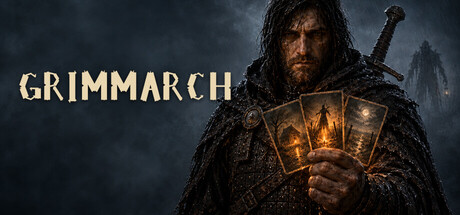
Grimmarch's art, music, voice and sound effects are created or edited with generative AI tools, then selected, edited and approved by a human before shipping. That covers card and interface art, character portraits, map and scene art, the cinematic, music, character voice lines and sound effects.
Nothing is generated while you play: the game contacts no AI service at runtime, and nothing you do is sent to one.
The protagonist was entirely hand-drawn. Some of the in-game tilesets, objects, background music, and sound effects were created using generative AI, and all AI-generated assets were manually retouched and edited by me before being used in the game.No generative AI content is generated during gameplay.
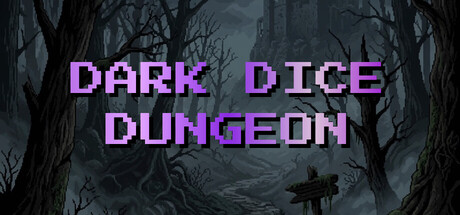
The content of Dark Dice Dungeon was produced with the help of generative AI tools: the illustrations, the music and sound effects, the in-game writing, and the English and Spanish translations. All of it was then selected, edited and assembled by hand by the developer. Nothing is generated while you play: the game ships with fixed assets and never connects to any service.
Some store and marketing images were created with generative AI tools. Parts of the in-game UI artwork were also created or assisted with generative AI, then reviewed and integrated by the developer. All other game content is human-authored or from licensed third-party assets. No generative AI content is created live during gameplay.
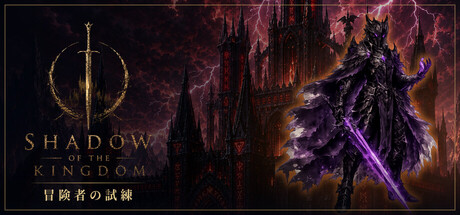
This game uses generative AI in the creation of the following content:
- Parts of the ending animations and still illustrations
- Parts of the scenario text
- UI artwork
- Store page assets such as the logo and key visual
- Store page text in languages other than Japanese
All generated assets were reviewed, selected and edited by our team before being included in the final build. No content is generated by AI while the game is running.
Generative AI was used only for the character portrait artwork currently included in the demo. No generative AI was used for gameplay, programming, game assets, localization, or other game content.
Spellchainer is made by a solo developer. I used generative AI sporadically to help fill gaps in artwork and textures, including selected in-game and marketing visuals. These assets were reviewed and edited before inclusion. No content is generated by AI during gameplay.
I use generative technologies strictly in a supporting role, including: brain-storming; editing text; altering images; research; transcription…
Generated assets are never the first seed nor the last product of any content in my games.
Some of the visual assets in Sacrificium — creature sprites, animations and background art — were created with the help of generative AI tools, then reviewed, edited and integrated by hand. All generative AI content is pre-generated; nothing is generated at runtime while you play. Game design, code, systems and all in-game text were written entirely by a human.
This game uses generative AI tools to assist in the creation of pre-rendered visual assets (concept art, textures, background illustrations, key visuals), sound effects, and background music. All AI-generated content is reviewed, edited, and curated by the developer before being included in the final build. No AI generation occurs during gameplay, and no external AI services are connected at runtime.
Generative AI tools were used throughout development: the game's code and its in-game text, the paintings, achievement icons and interface art, the 3D models, and the music and sound effects. Everything was reviewed, edited and tested, and ships as fixed content. Nothing is generated while you play: the game runs no model and makes no network call.
AI translation tools were used to assist with localization from English to other languages.
The original English script was hand written, and no generative AI art, sound, or music was used in the game or promo materials.
Generative AI was used to assist in the creation of certain promotional and store page artwork. All gameplay, programming, game design, pixel art, and in-game content were created and reviewed by the developer.
Pre-generated content: part of the game's art (backgrounds, character and enemy sprites, portraits, props, key art and capsule images) was created with generative image tools (Google Gemini, PixelLab) and then reviewed, cut, edited and assembled by hand by the developer. Some sound effects were produced with AI audio tools (ElevenLabs). Parts of the source code were written with the assistance of an AI coding assistant (Anthropic Claude) under the developer's direction and review. The story, game design, world, dialogue and puzzles are the developer's own work.
Live-generated content: none. The game does not generate any content with AI while it is running.
Guildmaster Simulator is developed independently, and I use generative AI as one of the tools that helps me bring the game to life. As I am not a professional graphic designer or illustrator, AI-assisted tools have helped me create selected visual assets, character artwork, interface elements and promotional imagery that I can then review, refine and adapt to fit the game’s established style.
Generative AI has also assisted with portions of the game’s written content, including some quest, event and narrative text. All AI-assisted content is reviewed, edited and shaped by me before being included in the game to ensure it fits the world, characters, gameplay systems and overall creative direction of Guildmaster Simulator.
No generative AI is used during gameplay. All AI-assisted content is created during development and is fixed within the shipped game.
Generative AI was used during development for visual assets, music, and small portions of text, as well as the store artwork. These are pre-generated assets included with the game. No content is generated by AI during play, and the game does not connect to an AI service.
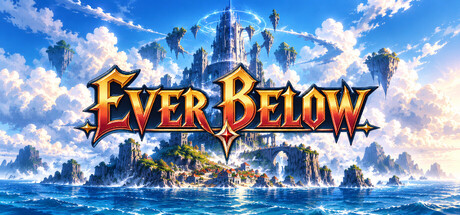
EVER BELOW was created with the assistance of generative AI across parts of its content creation and development process, including visual assets and marketing materials. All AI-assisted content was manually reviewed, selected, edited where necessary, and all final creative and development decisions were made by the developer.
Generative AI was used during development for some visual and audio assets.
During gameplay, narrative text and character dialogue are generated in real time by a third-party AI model selected and configured by the player.
The game contains AI generated visuals, which will be removed through further development. Replacement of AI generated contents will be announced and after full replacement the Generative Artificial Intelligence notice in the store page will be removed together.
Generative AI tools assisted in creating pixel-art visuals, interface and narrative text, and Steam marketing artwork. This material is prepared in advance and integrated into the game and store page. The game does not generate content while running.
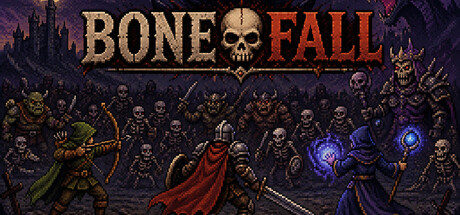
Some art in Bonefall was made with generative AI tools and then cut, edited and fitted into the game by hand: the opening cinematic, the title-screen key art, the store and marketing art, and parts of the environment (the graveyard floor and scenery, the boss pillars). The Russian, Korean and Simplified Chinese translations were drafted with AI assistance. The heroes and monsters are human-made open-licensed pixel art (the Liberated Pixel Cup collection, credited in the game), and the sound effects are CC0 recordings. Nothing is generated while you play.
Parts of the soundtrack were created with AI-assisted music generation, then edited, mixed and mastered by hand. Some of the game's code and store text were also written with AI assistance. All art, level design and gameplay are hand-made. No content is generated while you play.
Some of the assets in this game were created using generative AI tools. Generated assets were reviewed by the developer and edited where necessary before use. The game itself does not use AI to generate content or code while it is running, and it does not connect to any external AI service.
We used Generative AI tools solely to assist in creating capsule art and marketing assets for the store page. No AI content is generated live during gameplay.
Some auxiliary art assets (the overworld map background) used AI tools for concept assistance in the early stage of creation. The developer then conducted extensive manual secondary design and reconstruction, including hand-drawn routes, level node layout, color unification, and UI interaction design.
The core gameplay, unit system, combat numerical balance, battle log system, and all strategic logic are purely hand-designed by the developer and do not use AI generation. This is a solo-developed strategy game; AI was only used to improve the efficiency of specific art assets. Thank you for your understanding
Some of Tessera's assets - including monster and character artwork, background art, gem and tile art, certain UI icons, and some audio - were created with the assistance of generative AI tools (Google Gemini) during development. These assets were reviewed, edited, curated, and integrated by the developer. Tessera does NOT generate any AI content live during gameplay; all AI-assisted content is pre-made and fixed in the build.
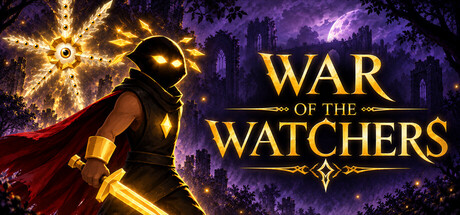
War of the Watchers uses generative AI in two places. Both are pre-generated before release and ship as fixed files; nothing is generated while you play.
Character dialogue is voiced using AI text-to-speech. Every line was written by the developer, and the tool performs those written lines. Each take is recorded before release and ships as an audio file.
Some promotional artwork, including the key art and store capsules, was produced with AI image tools and then edited by the developer.
Game code, level design and all in-game visuals are hand-authored. No content is generated during gameplay.
This game and its store page use generative AI-assisted content, including artwork, music, sound, and other creative assets. Assets are created or assisted with AI tools, then curated and implemented by the developer. No live AI-generated player content is used during gameplay.
This game uses generative AI to help create pre-generated content. Artwork (character art, backgrounds, card illustrations, icons) is produced with AI image generation as base material, then hand-curated, edited and integrated by the developer before it is finalized. Text is drafted with AI assistance and edited by hand. Cinematics and store videos are assembled from AI-generated footage and edited by hand. Background music and stingers are produced with AI music generation and hand-selected. The game contains no AI content generated at runtime and does not connect to any external AI service.
We use AI to generate combat simulation tests, placeholder artwork, and agentic workflows for game logic. AI is a tool and not something to replace humans with. A lot of human hours have been put into the game too.
Generative AI tools were used during development to assist with the creation of some pre-generated visual assets. AI tools were also used as development assistance for programming. No content is generated by AI during gameplay.
Some 3D models in the game were created with the assistance of generative AI tools. The generated models were used as part of the art production process, with their final appearance, materials, placement, and artistic direction determined by the developer.
Generative AI was used solely to create placeholder card artwork during development, allowing the team to focus on refining the gameplay. The final card artwork will be created by human artists.
Generative AI was used to generate in-game card illustrations, graphical assets, and all programming code. The game design, world-building, and lore were created directly by the developer.
(게임 내 카드 일러스트와 그래픽 에셋 제작, 그리고 프로그래밍 코딩 전반에 생성형 AI를 활용했습니다. 게임 기획 및 배경 세계관 설정은 직접 작성했습니다.)
Some of the game's artwork was created with the help of an AI image model and then curated, edited and composited by the developer: companion and character portraits, boss and zone art, and the store page key art. Some in-game item and companion descriptions and patch notes were drafted with AI writing assistance and reviewed by the developer. The game does not generate content with AI while you play and does not connect to any AI service during gameplay.
Grimmarch's art, music, voice and sound effects are created or edited with generative AI tools, then selected, edited and approved by a human before shipping. That covers card and interface art, character portraits, map and scene art, the cinematic, music, character voice lines and sound effects.
Nothing is generated while you play: the game contacts no AI service at runtime, and nothing you do is sent to one.
The protagonist was entirely hand-drawn. Some of the in-game tilesets, objects, background music, and sound effects were created using generative AI, and all AI-generated assets were manually retouched and edited by me before being used in the game.No generative AI content is generated during gameplay.
The content of Dark Dice Dungeon was produced with the help of generative AI tools: the illustrations, the music and sound effects, the in-game writing, and the English and Spanish translations. All of it was then selected, edited and assembled by hand by the developer. Nothing is generated while you play: the game ships with fixed assets and never connects to any service.
Some store and marketing images were created with generative AI tools. Parts of the in-game UI artwork were also created or assisted with generative AI, then reviewed and integrated by the developer. All other game content is human-authored or from licensed third-party assets. No generative AI content is created live during gameplay.
This game uses generative AI in the creation of the following content:
- Parts of the ending animations and still illustrations
- Parts of the scenario text
- UI artwork
- Store page assets such as the logo and key visual
- Store page text in languages other than Japanese
All generated assets were reviewed, selected and edited by our team before being included in the final build. No content is generated by AI while the game is running.
Generative AI was used only for the character portrait artwork currently included in the demo. No generative AI was used for gameplay, programming, game assets, localization, or other game content.
Spellchainer is made by a solo developer. I used generative AI sporadically to help fill gaps in artwork and textures, including selected in-game and marketing visuals. These assets were reviewed and edited before inclusion. No content is generated by AI during gameplay.
I use generative technologies strictly in a supporting role, including: brain-storming; editing text; altering images; research; transcription…
Generated assets are never the first seed nor the last product of any content in my games.
Some of the visual assets in Sacrificium — creature sprites, animations and background art — were created with the help of generative AI tools, then reviewed, edited and integrated by hand. All generative AI content is pre-generated; nothing is generated at runtime while you play. Game design, code, systems and all in-game text were written entirely by a human.
This game uses generative AI tools to assist in the creation of pre-rendered visual assets (concept art, textures, background illustrations, key visuals), sound effects, and background music. All AI-generated content is reviewed, edited, and curated by the developer before being included in the final build. No AI generation occurs during gameplay, and no external AI services are connected at runtime.
Generative AI tools were used throughout development: the game's code and its in-game text, the paintings, achievement icons and interface art, the 3D models, and the music and sound effects. Everything was reviewed, edited and tested, and ships as fixed content. Nothing is generated while you play: the game runs no model and makes no network call.
AI translation tools were used to assist with localization from English to other languages.
The original English script was hand written, and no generative AI art, sound, or music was used in the game or promo materials.
Generative AI was used to assist in the creation of certain promotional and store page artwork. All gameplay, programming, game design, pixel art, and in-game content were created and reviewed by the developer.
Pre-generated content: part of the game's art (backgrounds, character and enemy sprites, portraits, props, key art and capsule images) was created with generative image tools (Google Gemini, PixelLab) and then reviewed, cut, edited and assembled by hand by the developer. Some sound effects were produced with AI audio tools (ElevenLabs). Parts of the source code were written with the assistance of an AI coding assistant (Anthropic Claude) under the developer's direction and review. The story, game design, world, dialogue and puzzles are the developer's own work.
Live-generated content: none. The game does not generate any content with AI while it is running.
Guildmaster Simulator is developed independently, and I use generative AI as one of the tools that helps me bring the game to life. As I am not a professional graphic designer or illustrator, AI-assisted tools have helped me create selected visual assets, character artwork, interface elements and promotional imagery that I can then review, refine and adapt to fit the game’s established style.
Generative AI has also assisted with portions of the game’s written content, including some quest, event and narrative text. All AI-assisted content is reviewed, edited and shaped by me before being included in the game to ensure it fits the world, characters, gameplay systems and overall creative direction of Guildmaster Simulator.
No generative AI is used during gameplay. All AI-assisted content is created during development and is fixed within the shipped game.
Generative AI was used during development for visual assets, music, and small portions of text, as well as the store artwork. These are pre-generated assets included with the game. No content is generated by AI during play, and the game does not connect to an AI service.
EVER BELOW was created with the assistance of generative AI across parts of its content creation and development process, including visual assets and marketing materials. All AI-assisted content was manually reviewed, selected, edited where necessary, and all final creative and development decisions were made by the developer.
Generative AI was used during development for some visual and audio assets.
During gameplay, narrative text and character dialogue are generated in real time by a third-party AI model selected and configured by the player.
The game contains AI generated visuals, which will be removed through further development. Replacement of AI generated contents will be announced and after full replacement the Generative Artificial Intelligence notice in the store page will be removed together.
Generative AI tools assisted in creating pixel-art visuals, interface and narrative text, and Steam marketing artwork. This material is prepared in advance and integrated into the game and store page. The game does not generate content while running.
Some art in Bonefall was made with generative AI tools and then cut, edited and fitted into the game by hand: the opening cinematic, the title-screen key art, the store and marketing art, and parts of the environment (the graveyard floor and scenery, the boss pillars). The Russian, Korean and Simplified Chinese translations were drafted with AI assistance. The heroes and monsters are human-made open-licensed pixel art (the Liberated Pixel Cup collection, credited in the game), and the sound effects are CC0 recordings. Nothing is generated while you play.
Parts of the soundtrack were created with AI-assisted music generation, then edited, mixed and mastered by hand. Some of the game's code and store text were also written with AI assistance. All art, level design and gameplay are hand-made. No content is generated while you play.
Some of the assets in this game were created using generative AI tools. Generated assets were reviewed by the developer and edited where necessary before use. The game itself does not use AI to generate content or code while it is running, and it does not connect to any external AI service.
We used Generative AI tools solely to assist in creating capsule art and marketing assets for the store page. No AI content is generated live during gameplay.
Some auxiliary art assets (the overworld map background) used AI tools for concept assistance in the early stage of creation. The developer then conducted extensive manual secondary design and reconstruction, including hand-drawn routes, level node layout, color unification, and UI interaction design.
The core gameplay, unit system, combat numerical balance, battle log system, and all strategic logic are purely hand-designed by the developer and do not use AI generation. This is a solo-developed strategy game; AI was only used to improve the efficiency of specific art assets. Thank you for your understanding
Some of Tessera's assets - including monster and character artwork, background art, gem and tile art, certain UI icons, and some audio - were created with the assistance of generative AI tools (Google Gemini) during development. These assets were reviewed, edited, curated, and integrated by the developer. Tessera does NOT generate any AI content live during gameplay; all AI-assisted content is pre-made and fixed in the build.
War of the Watchers uses generative AI in two places. Both are pre-generated before release and ship as fixed files; nothing is generated while you play.
Character dialogue is voiced using AI text-to-speech. Every line was written by the developer, and the tool performs those written lines. Each take is recorded before release and ships as an audio file.
Some promotional artwork, including the key art and store capsules, was produced with AI image tools and then edited by the developer.
Game code, level design and all in-game visuals are hand-authored. No content is generated during gameplay.
This game and its store page use generative AI-assisted content, including artwork, music, sound, and other creative assets. Assets are created or assisted with AI tools, then curated and implemented by the developer. No live AI-generated player content is used during gameplay.