Public Steam disclosure research25,376 disclosures tracked
Where do games disclose AI use?
Search developers’ Steam disclosures, compare classified AI use across
games, and follow recorded changes.
This index adds cross-game classifications and statistics to
statements published on individual store pages.
Groups reflect automatic analysis of public disclosures; mature records are excluded. These counts do not measure AI use across all of Steam.
Missing or unclear statements cannot establish whether a game uses AI.
Generative AI was used during development to create some pre-rendered artwork and music, as well as store and promotional artwork. These are pre-created assets. The game does not generate AI content or connect to external AI services during gameplay.
Runecast’s illustrations were generated with AI tools, then curated, edited and integrated by hand. The soundtrack was generated with Suno under a commercial license. The game’s design and code were developed with AI assistance, directed and reviewed by the developer.
Generative AI was used to generate in-game card illustrations, graphical assets, and all programming code. The game design, world-building, and lore were created directly by the developer.
(게임 내 카드 일러스트와 그래픽 에셋 제작, 그리고 프로그래밍 코딩 전반에 생성형 AI를 활용했습니다. 게임 기획 및 배경 세계관 설정은 직접 작성했습니다.)
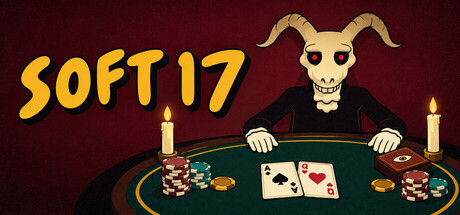
SOFT 17's visuals and audio are generated procedurally from code: the dealers, the
cards, the table and every sound are drawn and synthesized while you play, rather than
imported as files.
Generative AI contributed to some of the content that ships with the game: eight
interface icons in the main menu, the artwork used on this store page, and part of the
in-game text and its English translation. All of it was produced from written briefs,
then reviewed, edited and assembled by hand.
AI was used throughout development for assistance with artwork, audio, code, and prototyping, as a tool, not a magic wand. Everything is directed, edited, assembled, and ultimately blamed on one questionably qualified human developer.
No AI runs during gameplay. It already costs me enough when the game isn't running.
The token bill remains undefeated.
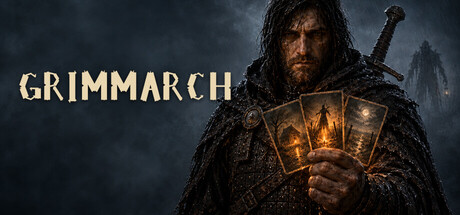
Grimmarch's art, music, voice and sound effects are created or edited with generative AI tools, then selected, edited and approved by a human before shipping. That covers card and interface art, character portraits, map and scene art, the cinematic, music, character voice lines and sound effects.
Nothing is generated while you play: the game contacts no AI service at runtime, and nothing you do is sent to one.
The game utilizes AI-generated content (such as concept illustrations, capsule art, and certain user interface asset variations) during the development process to enhance visual presentation.
This game uses pre-generated AI-assisted artwork for character portraits, store images, and some illustrations. No AI content is generated during gameplay.
Pre-generated content only, nothing is generated while you play. All image motifs (130 modifier cards, 44 enemy portraits, 24 dice, 5 items, 7 set emblems, the title logo) were generated with Google's Gemini image model from written prompts and then hand-reduced to the game's palette and pixel size. Music: the fight track was generated with Suno, the title, boss and shop tracks with Eleven Music (ElevenLabs). Thirteen sound effects (boss entrance, curse, win, loss, dice shaking, dice landing, clicks, coins) were generated with ElevenLabs Sound Generation; all remaining sounds are synthesized in code. Rules, code, texts and translations were written by the developer, with AI assistance during development.
Generative AI tools were used during development to create pre-generated content, including artwork and text for the game and its store materials. Content is prepared in advance. The game does not generate AI content during play or connect to an external AI service during gameplay.
Some art, music and the non-English translations were created with the help of AI tools during development, then edited by hand. Everything ships as static files; nothing is generated while you play.
Generative AI tools were used during development to assist with artwork (item illustrations, backgrounds and UI art), audio, and localisation. All AI-assisted content is pre-generated and reviewed, edited and finished by the developer before it ships. Nothing is generated at runtime, and the game contains no AI features while you play.
I use generative technologies strictly in a supporting role, including: brain-storming; editing text; altering images; research; transcription…
Generated assets are never the first seed nor the last product of any content in my games.
This game uses generative AI as part of the development process. ChatGPT was used for planning, specification review, and the creation of some base visual assets, while Codex was used to assist with code generation, implementation, and testing.
Some visual assets were generated as base material and then edited and refined in tools such as Photoshop. SOUNDRAW was used for some background music, and ElevenLabs was used for some sound effects.
All AI-generated content was created during development. The game does not use generative AI to create content in real time during gameplay. Final design, editing, implementation, and selection decisions were made by the developer.
Card Monarchy was made using AI tools.
PRE-GENERATED CONTENT
- Artwork. The card art, character portraits, backgrounds and store images are AI-generated from hand-written prompts, then selected, cropped, composited and corrected by hand against a written art bible. Curation and prompt iteration are entirely at the hands of the producer until the style and output matches the vision.
- Music, voice and sound. Generated with ElevenLabs under a commercial license. Every generation is logged with its ID and date. Many of the sound effects were hand created. Some of the music has been sourced from free for commercial use sources.
NOTHING IS GENERATED WHILE YOU PLAY
The game makes no network calls of any kind and creates no content at runtime. Your opponent is not a machine-learning model. The play engine was generated by AI with extensive prompting and tuning by actual an actual programmer. The developer authored and tuned against millions of simulated battles and test harnesses to make the card battle combat feel challenging and fair.
This game uses generative AI to assist in the creation of some visual assets, including character illustrations, backgrounds, UI elements, and event artwork, as well as in the creation, editing, and localization of some text content. AI-generated content is reviewed, selected, adjusted, and edited by the developer before being included in the game.
The game does not use generative AI to create content in real time during gameplay.
Generative AI was used during development to create some visual artwork and background music. The generated content was reviewed by the development team before being included in the game. The game does not generate AI content during gameplay.
Generative AI is currently used during development for temporary placeholder music and artwork, including some Steam store page and marketing materials. These assets are temporary and will be replaced before release. The final version of the game and its final store and marketing materials will not use AI-generated content.
Game illustrations and some sound effects, as well as part of the text and localization, are created using generative AI tools, then manually refined and validated. No content is generated by AI in real time, and the game design is human-made.
Generative AI tools were used during development to assist with some pre-generated text, localization, and promotional/store materials. All AI-assisted content was reviewed and edited by the developer. Hexed Hand does not generate AI content during gameplay and does not connect to external AI services.
This game uses artwork, audio, and other assets created with generative AI during development. These assets are generated in advance and included in the game installation. Generative AI is also used to create Steam store artwork. The game does not generate AI content during gameplay or connect to external AI services.
Generative AI tools were used during development to assist with the creation of some pre-generated 2D visual assets, illustrations, and written content drafts. All AI-assisted content is reviewed, edited, and curated by the development team before being included in the game or promotional materials. The game does not use generative AI to create content in real time during gameplay.
The game contains AI generated visuals, which will be removed through further development. Replacement of AI generated contents will be announced and after full replacement the Generative Artificial Intelligence notice in the store page will be removed together.
We conducted game testing with AI bots and fine-tuned the balance.
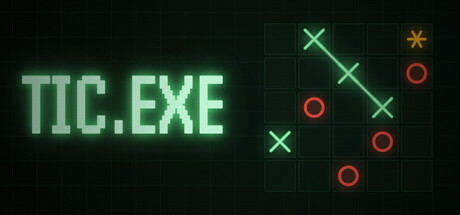
TIC.EXE does not use AI while you play. The procedurally generated boards, runs and the chiptune soundtrack are all produced by hand-written algorithms, and no content is generated at runtime.
Visual assets and translations were created with the assistance of generative AI tools.
All assets and translations were reviewed, edited, and incorporated by the developer to align with the game’s established art direction.
Some of the game's assets were created with generative AI tools during development and are pre-generated: card illustrations, character portraits and UI artwork (image generation), several 3D character models (Meshy), sound effects, music and the narrated story panels (ElevenLabs). Parts of the code were written with AI coding assistants. All of this content was reviewed and integrated by the developer. The game does not generate any content while you play.
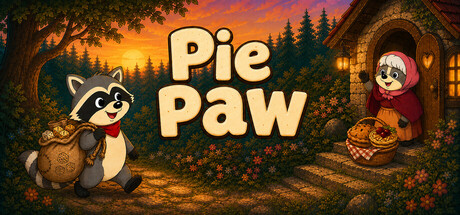
Pie Paw includes pre-generated, AI-assisted artwork used in the game and on the Steam store page. All such content is created before release, then reviewed, selected, and edited by the development team. The game does not use generative AI during gameplay and does not connect to external AI services.
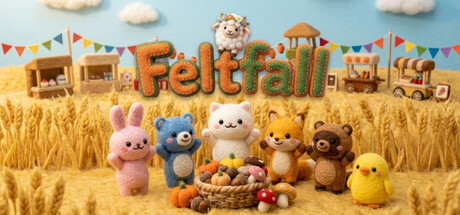
Feltfall uses pre-generated AI content. The felt-style illustrations (characters, animals, cards, backgrounds and key visuals), enemy sprite animations, the logo and parts of the promotional videos were generated with generative AI image and video tools, then selected, retouched and composited by the developer. Some of the source code was written with the help of AI coding assistants and reviewed by the developer. No content is generated by AI while you play, and the game does not connect to any external AI service.
This game uses generative AI tools during development to assist with art assets, soundtrack production, code drafting and text localization. All in-game content is pre-generated, manually reviewed, refined and finalized by the development team. No content is generated in real time during gameplay.
This game and its store page use generative AI-assisted content, including artwork, music, sound, and other creative assets. Assets are created or assisted with AI tools, then curated and implemented by the developer. No live AI-generated player content is used during gameplay.
The store and library capsule images and the logo were created with AI image generation tools and edited by hand; AI also assisted with the store description and the in-game translations. The game itself contains no AI-generated content and generates nothing while you play. All screenshots and trailer footage come from the actual game.
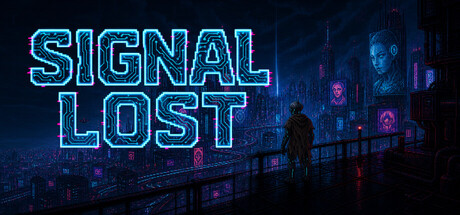
SignalLost uses generative AI only during development to create and refine selected 2D artwork, promotional images, and trailer assets. No AI content is generated during gameplay, and the game does not connect to external AI services. All shipped assets are reviewed, edited, and integrated by the developer before release.
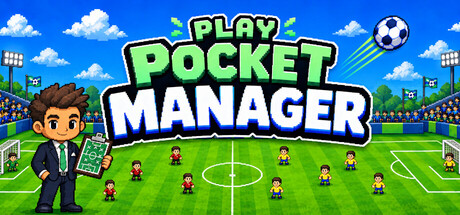
Pocket Manager is designed and directed by one person. Generative AI was used as a production tool throughout development: the game's code was written with AI assistance under direct human design and review, and some visual and audio assets were AI-generated before being selected and hand-edited to fit the game's art direction.
Every system, rule and piece of content was specified, tested and signed off by a human before shipping. Nothing is generated while you play — the build is fixed and identical for every player.
Generative AI was used during development to create some pre-rendered artwork and music, as well as store and promotional artwork. These are pre-created assets. The game does not generate AI content or connect to external AI services during gameplay.
Runecast’s illustrations were generated with AI tools, then curated, edited and integrated by hand. The soundtrack was generated with Suno under a commercial license. The game’s design and code were developed with AI assistance, directed and reviewed by the developer.
Generative AI was used to generate in-game card illustrations, graphical assets, and all programming code. The game design, world-building, and lore were created directly by the developer.
(게임 내 카드 일러스트와 그래픽 에셋 제작, 그리고 프로그래밍 코딩 전반에 생성형 AI를 활용했습니다. 게임 기획 및 배경 세계관 설정은 직접 작성했습니다.)
SOFT 17's visuals and audio are generated procedurally from code: the dealers, the
cards, the table and every sound are drawn and synthesized while you play, rather than
imported as files.
Generative AI contributed to some of the content that ships with the game: eight
interface icons in the main menu, the artwork used on this store page, and part of the
in-game text and its English translation. All of it was produced from written briefs,
then reviewed, edited and assembled by hand.
AI was used throughout development for assistance with artwork, audio, code, and prototyping, as a tool, not a magic wand. Everything is directed, edited, assembled, and ultimately blamed on one questionably qualified human developer.
No AI runs during gameplay. It already costs me enough when the game isn't running.
The token bill remains undefeated.
Grimmarch's art, music, voice and sound effects are created or edited with generative AI tools, then selected, edited and approved by a human before shipping. That covers card and interface art, character portraits, map and scene art, the cinematic, music, character voice lines and sound effects.
Nothing is generated while you play: the game contacts no AI service at runtime, and nothing you do is sent to one.
The game utilizes AI-generated content (such as concept illustrations, capsule art, and certain user interface asset variations) during the development process to enhance visual presentation.
This game uses pre-generated AI-assisted artwork for character portraits, store images, and some illustrations. No AI content is generated during gameplay.
Pre-generated content only, nothing is generated while you play. All image motifs (130 modifier cards, 44 enemy portraits, 24 dice, 5 items, 7 set emblems, the title logo) were generated with Google's Gemini image model from written prompts and then hand-reduced to the game's palette and pixel size. Music: the fight track was generated with Suno, the title, boss and shop tracks with Eleven Music (ElevenLabs). Thirteen sound effects (boss entrance, curse, win, loss, dice shaking, dice landing, clicks, coins) were generated with ElevenLabs Sound Generation; all remaining sounds are synthesized in code. Rules, code, texts and translations were written by the developer, with AI assistance during development.
Generative AI tools were used during development to create pre-generated content, including artwork and text for the game and its store materials. Content is prepared in advance. The game does not generate AI content during play or connect to an external AI service during gameplay.
Some art, music and the non-English translations were created with the help of AI tools during development, then edited by hand. Everything ships as static files; nothing is generated while you play.
Generative AI tools were used during development to assist with artwork (item illustrations, backgrounds and UI art), audio, and localisation. All AI-assisted content is pre-generated and reviewed, edited and finished by the developer before it ships. Nothing is generated at runtime, and the game contains no AI features while you play.
I use generative technologies strictly in a supporting role, including: brain-storming; editing text; altering images; research; transcription…
Generated assets are never the first seed nor the last product of any content in my games.
This game uses generative AI as part of the development process. ChatGPT was used for planning, specification review, and the creation of some base visual assets, while Codex was used to assist with code generation, implementation, and testing.
Some visual assets were generated as base material and then edited and refined in tools such as Photoshop. SOUNDRAW was used for some background music, and ElevenLabs was used for some sound effects.
All AI-generated content was created during development. The game does not use generative AI to create content in real time during gameplay. Final design, editing, implementation, and selection decisions were made by the developer.
Card Monarchy was made using AI tools.
PRE-GENERATED CONTENT
- Artwork. The card art, character portraits, backgrounds and store images are AI-generated from hand-written prompts, then selected, cropped, composited and corrected by hand against a written art bible. Curation and prompt iteration are entirely at the hands of the producer until the style and output matches the vision.
- Music, voice and sound. Generated with ElevenLabs under a commercial license. Every generation is logged with its ID and date. Many of the sound effects were hand created. Some of the music has been sourced from free for commercial use sources.
NOTHING IS GENERATED WHILE YOU PLAY
The game makes no network calls of any kind and creates no content at runtime. Your opponent is not a machine-learning model. The play engine was generated by AI with extensive prompting and tuning by actual an actual programmer. The developer authored and tuned against millions of simulated battles and test harnesses to make the card battle combat feel challenging and fair.
This game uses generative AI to assist in the creation of some visual assets, including character illustrations, backgrounds, UI elements, and event artwork, as well as in the creation, editing, and localization of some text content. AI-generated content is reviewed, selected, adjusted, and edited by the developer before being included in the game.
The game does not use generative AI to create content in real time during gameplay.
Generative AI was used during development to create some visual artwork and background music. The generated content was reviewed by the development team before being included in the game. The game does not generate AI content during gameplay.
Generative AI is currently used during development for temporary placeholder music and artwork, including some Steam store page and marketing materials. These assets are temporary and will be replaced before release. The final version of the game and its final store and marketing materials will not use AI-generated content.
Game illustrations and some sound effects, as well as part of the text and localization, are created using generative AI tools, then manually refined and validated. No content is generated by AI in real time, and the game design is human-made.
Generative AI tools were used during development to assist with some pre-generated text, localization, and promotional/store materials. All AI-assisted content was reviewed and edited by the developer. Hexed Hand does not generate AI content during gameplay and does not connect to external AI services.
This game uses artwork, audio, and other assets created with generative AI during development. These assets are generated in advance and included in the game installation. Generative AI is also used to create Steam store artwork. The game does not generate AI content during gameplay or connect to external AI services.
Generative AI tools were used during development to assist with the creation of some pre-generated 2D visual assets, illustrations, and written content drafts. All AI-assisted content is reviewed, edited, and curated by the development team before being included in the game or promotional materials. The game does not use generative AI to create content in real time during gameplay.
The game contains AI generated visuals, which will be removed through further development. Replacement of AI generated contents will be announced and after full replacement the Generative Artificial Intelligence notice in the store page will be removed together.
We conducted game testing with AI bots and fine-tuned the balance.
TIC.EXE does not use AI while you play. The procedurally generated boards, runs and the chiptune soundtrack are all produced by hand-written algorithms, and no content is generated at runtime.
Visual assets and translations were created with the assistance of generative AI tools.
All assets and translations were reviewed, edited, and incorporated by the developer to align with the game’s established art direction.
Some of the game's assets were created with generative AI tools during development and are pre-generated: card illustrations, character portraits and UI artwork (image generation), several 3D character models (Meshy), sound effects, music and the narrated story panels (ElevenLabs). Parts of the code were written with AI coding assistants. All of this content was reviewed and integrated by the developer. The game does not generate any content while you play.
Pie Paw includes pre-generated, AI-assisted artwork used in the game and on the Steam store page. All such content is created before release, then reviewed, selected, and edited by the development team. The game does not use generative AI during gameplay and does not connect to external AI services.
Feltfall uses pre-generated AI content. The felt-style illustrations (characters, animals, cards, backgrounds and key visuals), enemy sprite animations, the logo and parts of the promotional videos were generated with generative AI image and video tools, then selected, retouched and composited by the developer. Some of the source code was written with the help of AI coding assistants and reviewed by the developer. No content is generated by AI while you play, and the game does not connect to any external AI service.
This game uses generative AI tools during development to assist with art assets, soundtrack production, code drafting and text localization. All in-game content is pre-generated, manually reviewed, refined and finalized by the development team. No content is generated in real time during gameplay.
This game and its store page use generative AI-assisted content, including artwork, music, sound, and other creative assets. Assets are created or assisted with AI tools, then curated and implemented by the developer. No live AI-generated player content is used during gameplay.
The store and library capsule images and the logo were created with AI image generation tools and edited by hand; AI also assisted with the store description and the in-game translations. The game itself contains no AI-generated content and generates nothing while you play. All screenshots and trailer footage come from the actual game.
SignalLost uses generative AI only during development to create and refine selected 2D artwork, promotional images, and trailer assets. No AI content is generated during gameplay, and the game does not connect to external AI services. All shipped assets are reviewed, edited, and integrated by the developer before release.
Pocket Manager is designed and directed by one person. Generative AI was used as a production tool throughout development: the game's code was written with AI assistance under direct human design and review, and some visual and audio assets were AI-generated before being selected and hand-edited to fit the game's art direction.
Every system, rule and piece of content was specified, tested and signed off by a human before shipping. Nothing is generated while you play — the build is fixed and identical for every player.