








Disclosure
The game includes two AI generated music tracks and all Non-English text was translated using AI translation tools.
- Creator
- Dominick Favata
- Reviews
- -
- Added
- Oct 3, 2026
Public Steam disclosure research 25,376 disclosures tracked
Search developers’ Steam disclosures, compare classified AI use across games, and follow recorded changes. This index adds cross-game classifications and statistics to statements published on individual store pages.
Code help, debugging and other development work.
Capsule art, trailers and promotional material.
Pre-made art, audio, writing and other game assets.
Interactive or runtime AI features disclosed by the developer.
Groups reflect automatic analysis of public disclosures; mature records are excluded. These counts do not measure AI use across all of Steam. Missing or unclear statements cannot establish whether a game uses AI.
The game includes two AI generated music tracks and all Non-English text was translated using AI translation tools.
Some of this game's art, music, sound effects, 3D models, and translations were created with the help of generative AI. No content is generated by AI during gameplay.
Used on capsule photos
Generative AI tools were used during the development of MEAM Launcher and some of the included games. AI-assisted and AI-generated content may include character and environment concepts, images, textures, 3D models, visual assets, music, sound effects, text, dialogue, code, and other development assets. AI tools were also used to assist with programming, prototyping, troubleshooting, game development, and general creative development. All AI-generated or AI-assisted content was reviewed, selected, edited, implemented, and/or further developed by the developer before being included in the final product. MEAM Launcher does not use generative AI to create content dynamically during gameplay. The AI usage described above relates to content and development work created before distribution of the software.
Most of the game's code and the Steam page artwork were made with the help of AI. The farm animal 3D models were made in Blender with the help of AI tools (Astra and Claude). The game does not generate any AI content while you play.
Localization of store page description
Misty and the Last Breeze is a solo-developed game made with a lot of AI assistance. Here is how AI was used. Code. The game is built in Godot. Most of the gameplay code, tooling and automated tests were written with AI coding assistants (Claude Code and Codex), working from my design direction, and reviewed, playtested and revised by me. Design decisions, level layouts, movement feel and what ships are mine; the assistants do much of the typing. 3D models and art. Many in-game models and textures were made in Blender through scripts written with AI assistance, often rebuilt from concept images. Some of those reference images were generated with AI image tools. Other visuals, such as shaders, UI and effects, are authored in code. Painting and key-art images in the game that began as AI-generated images are kept as AI-assisted work. Music. Music is generated with Suno and then selected, arranged and edited by me. Ambience and sound effects are mostly synthesized in code (procedural audio) rather than sampled from other artists. Mockups and planning. I use ChatGPT's image generation for mockups, mood boards, UI layouts and promotional concepts while planning. These are for exploring ideas; they are not meant to ship as finished art unless noted above. What is not AI. The game itself has no runtime AI: every enemy, NPC, line of dialogue and level is fixed content that I designed and authored. Nothing is generated or adapted while you play.
AI was used for coding, translations and achievements. The map, airports and countries come from public datasets. Nothing is generated by AI while you play.
Hardpack Rally is made by solo developer Andre Gomes with assistance from AI tools, including Claude, ChatGPT and Codex. These tools help write game code and scripts that create the cars and scenery. No AI generates content while you play.
Parts of Howling Woods were made with generative AI during development: its music and sound effects, its interface icons and store art, some of its set-piece models, and parts of its code. All of it was reviewed and reworked by hand, and nothing is generated while you play.
Pre-generated AI artwork, music and sound effects. No live AI generation during gameplay.
Parts of the in-game text, its translation, and the store page text were drafted with AI assistance and edited by hand.
Generative AI tools were used during development to create pre-generated character voices, music, and store artwork, and to assist with writing. These assets are prepared in advance. The game does not generate AI content or connect to third-party AI services during gameplay.
Some visual assets and the music in Roadweave were created with the help of generative AI tools during development: the key art, logo, store and library artwork, icons and achievement badges were made with image tools, and the soundtrack with a music tool. Every asset was selected and edited by the developer before release. Generative AI is not used while you play. Maps are built by the game's own procedural generator from a seed — ordinary game code, not AI.
Parts of this game were made with the help of AI tools: the store page text, the Turkish and Simplified Chinese translations, and some of the 3D models, UI graphics and store images. The game does not generate any content with AI while you play.
Some assets in this game were created with generative AI tools during development and then selected and edited by hand: the store key art and capsule images, some in-game images (UI decorations, stage backgrounds and some illustrations), and the background music and jingles. No generative AI is used while you play: the stats and skills of your drawing are decided by deterministic on-device image processing, and nothing is sent to an AI service.
Trivia Mania was designed, directed, reviewed and tested by a solo developer. AI tools supported the drafting, editing and fact-checking of the questions and answers, and helped make the game's art and sound. No AI is embedded in the game and nothing is generated while you play.
Hero Football Manager was made by one developer working with AI tools. AI helped write the game's code, including the code that draws the pixel art and synthesizes many of the sounds and music tracks. AI also helped write and translate the in-game text and this store page. The developer directed, reviewed and tested all of it. The game does not use AI while you play.
Generative AI tools were used during development to create visual assets, including character and enemy artwork, environmental backgrounds, user interface graphics, item textures, and promotional artwork. ChatGPT also assisted with dialogue and educational text. The developer directed, selected, and reviewed this content for inclusion in the game. All AI-generated content was created before release; the game does not generate AI content during gameplay.
Generative AI was used for the cards, interface icons, translations and the store page text. All generated content was selected and checked by hand before it went into the game. No AI is used at runtime.
RoomFolk used generative AI during development to assist with drafting and debugging parts of its source code and text.
Some sound effects included in the game were generated using generative AI tools. The game's non-English translations were machine-generated. The game contains no live-generated AI content. Visual assets and UI are generated procedurally by conventional game code.
Generative AI tools were used to make the game's artwork, music and sound effects, including the store page images.
Localization was produced with AI-assisted
This game is designed, developed, and published by an independent developer, with AI tools used to assist during development: Written text was drafted with AI assistance and reviewed and edited by the developer. The gameplay, the art style, and every revision were decided by the developer. Some visuals and animations are drawn by code and were reviewed and revised version by version; no AI image-generation models were used. Map tiles and furniture are human-created licensed assets. Music and sound effects are human-created licensed assets. The store capsule artwork was commissioned from a human artist; its background may contain AI-generated elements. The game does not use AI to generate any content at runtime.
Generative AI was used to assist with artwork, UI elements and sound effects. No AI content is generated during gameplay.
Some of the game's graphics were generated using AI tools and then manually retouched to match our artistic vision.
We used AI-assisted tools to help create and refine a small selection of visual assets. Each one was reviewed and adjusted by hand before it was used. AI also helped us tidy up the grammar and wording in a small amount of in-game and store-page text. We checked and edited every final line ourselves. For us, AI is simply a supporting tool. Dino Dome: Tidy Up! is still shaped by our own ideas, judgement, and hands-on creative work.
Some of the game's 3D models, some of its music tracks and parts of the user interface were created with the help of generative AI tools, then selected, edited and integrated by our team. Some of the artwork on this store page (capsule and promotional images) was also created with the help of generative AI and edited by our team. AI coding assistants were also used during programming, with all code reviewed and directed by our team. Everything else (game design, level design and the remaining art, music and sound effects) was made by the Domp Studio team. No AI is used to generate content while you play.
The music under the trailer is generated by Suno. That's it. I ain't a musician.
This game uses generative AI to create some of its audio content. Background music tracks were generated using Suno, and sound effects (SFX) for menus were generated using ElevenLabs. All AI-generated audio was reviewed and curated by the developer. No gameplay code or puzzle logic is generated by AI at runtime; the use of AI is limited to pre-generated audio content included in the build.
The game's translation and some visual and marketing elements may have been created with the assistance of AI.
The in-game text and the store page text, including the Korean, Japanese and Simplified Chinese translations, were written with the help of AI. Nothing is generated by AI while you play.
Some 2D art assets were created with the assistance of generative AI image tools and then heavily edited and cleaned up by hand before being used in the game. This includes the logo, some animals, the main menu background, and icon artwork. All such content is pre-generated and baked into the build; the game does not generate any content at runtime. While every mission, achievement, perk, story beat and game mode was designed and built by hand, one at a time.
The game to contain art assets generated by artificial intelligence
Pre-Generated: the music was generated with AI tools.
This game was made possible due to generative AI coding. It uses generative AI for the code base and procedural environmental generation but is limited to that. Models and music have been manually created.
This game includes pre-generated visual and auditory assets created with the assistance of generative AI. These assets have been reviewed, edited, and integrated by the development team. The game does not use generative AI to create content while players are playing.
We used AI as a supporting tool to translate and proofread the in-game text. Every translation was reviewed and adjusted by our team before it went into the game.
Some 3D models and textures in MemTown were created or converted with the assistance of generative AI during development. These assets are used for certain tools, capture capsules, resource objects, and production facilities in the territory.
we have use ai to develop this game
Translations to all languages except English and Spanish were generated by AI.
AI assistance was used. All in-game art, music, and sound were made by people.
Generative AI tools were used during development to assist with the creation of selected visual, audio and creative assets. All content included in the final game was reviewed and selected by the developer.
Pre-generated AI tools were used during development to create portions of the game's static 2D artwork and music, including some environment and character images, store marketing art, and achievement icons. The outputs were selected, edited, integrated, and reviewed by the developer. No content is generated while the game is running, and the game does not send player prompts or player data to any AI service.
AI was used for localization, generating achievement textures, and the title card in the trailer.
Pre-generated content only. No AI generated content is produced at runtime during gameplay. Some in-game text and its English localization were drafted with AI assistance and edited by the team. All art, including card art, backgrounds, icons and UI, is created by our artist. AI image tools were used as visual reference during concept work only; no AI generated image ships in the game. No AI models are used for music or sound effects.
Generative AI tools were used during the development of SCRAPBOX to assist with programming, UI design, voice acting, music, and the creation of some 3D models and other game assets. The game does not generate AI content during gameplay.
As a solo developer with a big dream and limited resources, I want to be entirely upfront how this game was built. The vast majority of this game is completely human-made: I crafted the pixel characters, animations, code, and story over the past 10 years. I also utilized incredible royalty-free and purchased assets from human creators like gyvr, Eunity, RafaelMatos, penusbmic, Winlu, Geoff Harvey. The use of generative AI was for touching up and refining the marketing capsule images using Adobe Photoshop tools.
AI tools helped write the store page text and translate the game's text into other languages. The game's artwork and gameplay are not AI-generated, and nothing is generated by AI while you play.
| Title⇅ | Disclosure | Creator⇅ | Src | Reviews⇅ | Added↓ |
|---|---|---|---|---|---|
 Auto Ball In-game content audiotext | The game includes two AI generated music tracks and all Non-English text was translated using AI translation tools. | Dominick Favata | - | Oct 3, 2026 | |
 Cirno’s Snowball In-game content artaudiotext | Some of this game's art, music, sound effects, 3D models, and translations were created with the help of generative AI. No content is generated by AI during gameplay. | FIVE DUCK GAMES | - | Oct 3, 2026 | |
 Arctic Shop Simulator Store/marketing art | Used on capsule photos | PotDev | - | Oct 3, 2026 | |
 MEAM Launcher In-game content artaudiotextcode | Generative AI tools were used during the development of MEAM Launcher and some of the included games.
AI-assisted and AI-generated content may include character and environment concepts, images, textures, 3D models, visual assets, music, sound effects, text, dialogue, code, and other development assets. AI tools were also used to assist with programming, prototyping, troubleshooting, game development, and general creative development.
All AI-generated or AI-assisted content was reviewed, selected, edited, implemented, and/or further developed by the developer before being included in the final product.
MEAM Launcher does not use generative AI to create content dynamically during gameplay. The AI usage described above relates to content and development work created before distribution of the software. | Mor10 Productions | - | Oct 2, 2026 | |
 Bones will Fly: Tower Defense In-game content artcode | Most of the game's code and the Steam page artwork were made with the help of AI. The farm animal 3D models were made in Blender with the help of AI tools (Astra and Claude). The game does not generate any AI content while you play. | Nonna's Oven Games | - | Oct 2, 2026 | |
 My Little Bento Shop Store/marketing text | Localization of store page description | Lui Labs | - | Oct 2, 2026 | |
 Misty and the Last Breeze In-game content artaudiocodetext | Misty and the Last Breeze is a solo-developed game made with a lot of AI assistance. Here is how AI was used.
Code. The game is built in Godot. Most of the gameplay code, tooling and automated tests were written with AI coding assistants (Claude Code and Codex), working from my design direction, and reviewed, playtested and revised by me. Design decisions, level layouts, movement feel and what ships are mine; the assistants do much of the typing.
3D models and art. Many in-game models and textures were made in Blender through scripts written with AI assistance, often rebuilt from concept images. Some of those reference images were generated with AI image tools. Other visuals, such as shaders, UI and effects, are authored in code. Painting and key-art images in the game that began as AI-generated images are kept as AI-assisted work.
Music. Music is generated with Suno and then selected, arranged and edited by me. Ambience and sound effects are mostly synthesized in code (procedural audio) rather than sampled from other artists.
Mockups and planning. I use ChatGPT's image generation for mockups, mood boards, UI layouts and promotional concepts while planning. These are for exploring ideas; they are not meant to ship as finished art unless noted above.
What is not AI. The game itself has no runtime AI: every enemy, NPC, line of dialogue and level is fixed content that I designed and authored. Nothing is generated or adapted while you play. | Ilia Reingold | - | Oct 1, 2026 | |
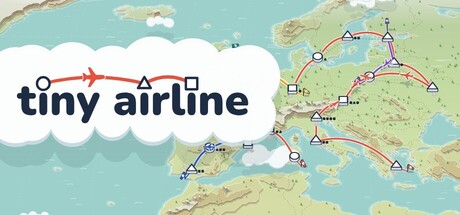 Tiny Airline In-game content text | AI was used for coding, translations and achievements. The map, airports and countries come from public datasets. Nothing is generated by AI while you play. | Inner Core Studios | - | Oct 1, 2026 | |
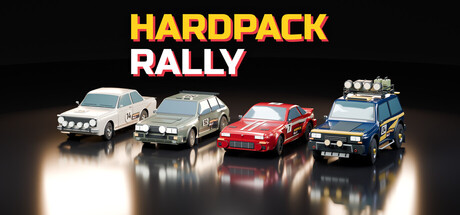 Hardpack Rally In-game content codeart | Hardpack Rally is made by solo developer Andre Gomes with assistance from AI tools, including Claude, ChatGPT and Codex. These tools help write game code and scripts that create the cars and scenery. No AI generates content while you play. | Andre Gomes | - | Oct 1, 2026 | |
 Howling Woods In-game content artaudiocode | Parts of Howling Woods were made with generative AI during development: its music and sound effects, its interface icons and store art, some of its set-piece models, and parts of its code. All of it was reviewed and reworked by hand, and nothing is generated while you play. | Clackety Rock LLC | - | Oct 1, 2026 | |
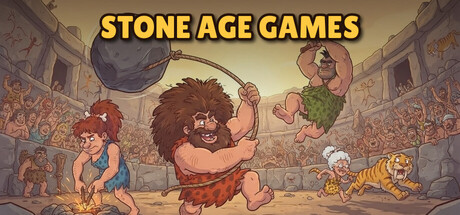 Stone Age Games In-game content artaudio | Pre-generated AI artwork, music and sound effects. No live AI generation during gameplay. | chi yin so | - | Oct 1, 2026 | |
 Grand Ouvert In-game content text | Parts of the in-game text, its translation, and the store page text were drafted with AI assistance and edited by hand. | DASPRiD | - | Oct 1, 2026 | |
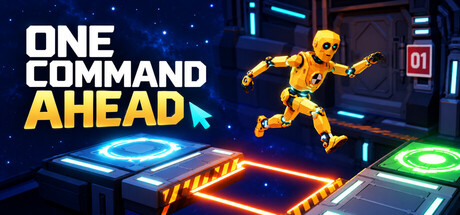 One Command Ahead In-game content audiotextart | Generative AI tools were used during development to create pre-generated character voices, music, and store artwork, and to assist with writing. These assets are prepared in advance. The game does not generate AI content or connect to third-party AI services during gameplay. | Newtro Studios | - | Oct 1, 2026 | |
 Roadweave In-game content artaudio | Some visual assets and the music in Roadweave were created with the help of generative AI tools during development: the key art, logo, store and library artwork, icons and achievement badges were made with image tools, and the soundtrack with a music tool. Every asset was selected and edited by the developer before release.
Generative AI is not used while you play. Maps are built by the game's own procedural generator from a seed — ordinary game code, not AI. | AppGX | - | Oct 1, 2026 | |
 CozyDuck Idle In-game content textart | Parts of this game were made with the help of AI tools: the store page text, the Turkish and Simplified Chinese translations, and some of the 3D models, UI graphics and store images. The game does not generate any content with AI while you play. | Eren Kurular | - | Oct 1, 2026 | |
 らくがきスマッシュ / Doodle Smash In-game content artaudio | Some assets in this game were created with generative AI tools during development and then selected and edited by hand: the store key art and capsule images, some in-game images (UI decorations, stage backgrounds and some illustrations), and the background music and jingles. No generative AI is used while you play: the stats and skills of your drawing are decided by deterministic on-device image processing, and nothing is sent to an AI service. | 白鳥のぞみ | - | Oct 1, 2026 | |
 Trivia Mania Dev only textartaudio | Trivia Mania was designed, directed, reviewed and tested by a solo developer. AI tools supported the drafting, editing and fact-checking of the questions and answers, and helped make the game's art and sound. No AI is embedded in the game and nothing is generated while you play. | Trivia Mania | - | Oct 1, 2026 | |
 Hero Football Manager In-game content codeartaudiotext | Hero Football Manager was made by one developer working with AI tools. AI helped write the game's code, including the code that draws the pixel art and synthesizes many of the sounds and music tracks. AI also helped write and translate the in-game text and this store page. The developer directed, reviewed and tested all of it. The game does not use AI while you play. | Joseph Vu | - | Oct 1, 2026 | |
 The Liberty League In-game content arttext | Generative AI tools were used during development to create visual assets, including character and enemy artwork, environmental backgrounds, user interface graphics, item textures, and promotional artwork. ChatGPT also assisted with dialogue and educational text. The developer directed, selected, and reviewed this content for inclusion in the game. All AI-generated content was created before release; the game does not generate AI content during gameplay. | Michael Giaccotto | - | Oct 1, 2026 | |
 PULLFINITY In-game content arttext | Generative AI was used for the cards, interface icons, translations and the store page text.
All generated content was selected and checked by hand before it went into the game. No AI is used at runtime. | Nicholas Schmitz | - | Oct 1, 2026 | |
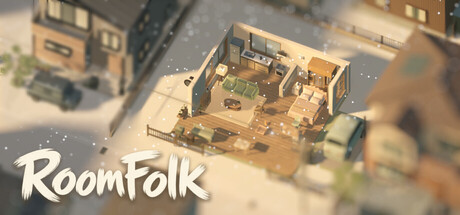 方寸小家 RoomFolk Dev only codetext | RoomFolk used generative AI during development to assist with drafting and debugging parts of its source code and text. | Minumote Studio | - | Oct 1, 2026 | |
 How to Wait for the Bus In-game content audiotext | Some sound effects included in the game were generated using generative AI tools. The game's non-English translations were machine-generated. The game contains no live-generated AI content. Visual assets and UI are generated procedurally by conventional game code. | Benevolent Anarchy | - | Oct 1, 2026 | |
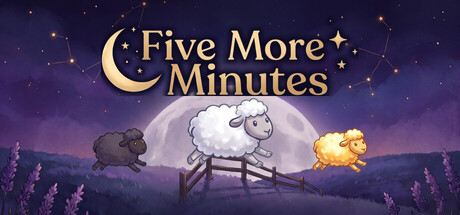 Five More Minutes In-game content artaudio | Generative AI tools were used to make the game's artwork, music and sound effects, including the store page images. | Kristo Eevardi | - | Oct 1, 2026 | |
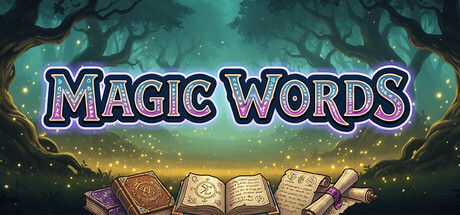 Magic Words In-game content text | Localization was produced with AI-assisted | Maboy Games | - | Oct 1, 2026 | |
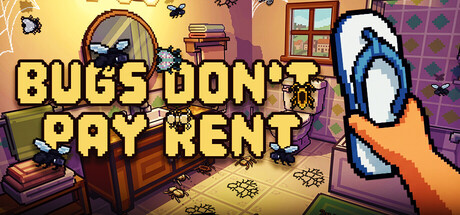 Bugs Don't Pay Rent Store/marketing textart | This game is designed, developed, and published by an independent developer, with AI tools used to assist during development:
Written text was drafted with AI assistance and reviewed and edited by the developer.
The gameplay, the art style, and every revision were decided by the developer.
Some visuals and animations are drawn by code and were reviewed and revised version by version; no AI image-generation models were used.
Map tiles and furniture are human-created licensed assets.
Music and sound effects are human-created licensed assets.
The store capsule artwork was commissioned from a human artist; its background may contain AI-generated elements.
The game does not use AI to generate any content at runtime. | MazeSteps Studio | - | Oct 1, 2026 | |
 Cook Or Get Cooked In-game content artaudio | Generative AI was used to assist with artwork, UI elements and sound effects. No AI content is generated during gameplay. | Fruitdish | - | Oct 1, 2026 | |
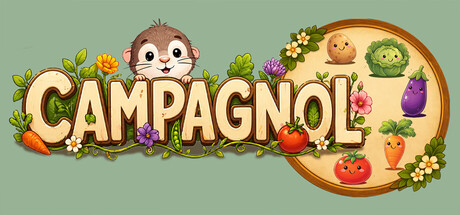 Campagnol In-game content art | Some of the game's graphics were generated using AI tools and then manually retouched to match our artistic vision. | Adopt Game | - | Oct 1, 2026 | |
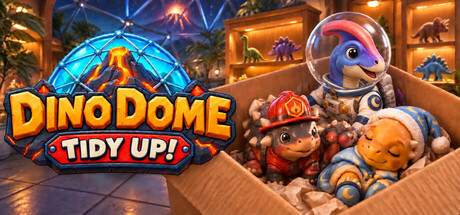 Dino Dome: Tidy Up! In-game content arttext | We used AI-assisted tools to help create and refine a small selection of visual assets. Each one was reviewed and adjusted by hand before it was used.
AI also helped us tidy up the grammar and wording in a small amount of in-game and store-page text. We checked and edited every final line ourselves.
For us, AI is simply a supporting tool. Dino Dome: Tidy Up! is still shaped by our own ideas, judgement, and hands-on creative work. | Obsessive Games | - | Oct 1, 2026 | |
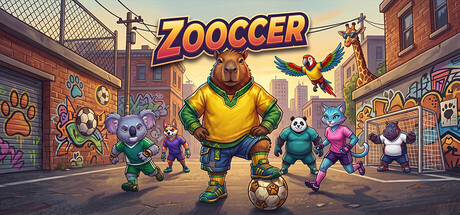 Zooccer In-game content artaudiotextcode | Some of the game's 3D models, some of its music tracks and parts of the user interface were created with the help of generative AI tools, then selected, edited and integrated by our team. Some of the artwork on this store page (capsule and promotional images) was also created with the help of generative AI and edited by our team. AI coding assistants were also used during programming, with all code reviewed and directed by our team. Everything else (game design, level design and the remaining art, music and sound effects) was made by the Domp Studio team. No AI is used to generate content while you play. | Domp Studio | - | Oct 1, 2026 | |
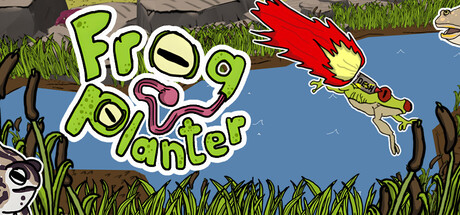 Frog Planter Store/marketing audio | The music under the trailer is generated by Suno. That's it. I ain't a musician. | Lazy Platypus Kft. | - | Oct 1, 2026 | |
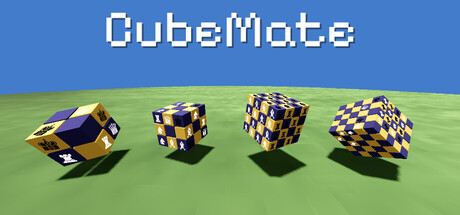 CubeMate In-game content audio | This game uses generative AI to create some of its audio content. Background music tracks were generated using Suno, and sound effects (SFX) for menus were generated using ElevenLabs. All AI-generated audio was reviewed and curated by the developer. No gameplay code or puzzle logic is generated by AI at runtime; the use of AI is limited to pre-generated audio content included in the build. | Bartosz Woźniak Solutions | - | Oct 1, 2026 | |
 Joker Chess In-game content textart | The game's translation and some visual and marketing elements may have been created with the assistance of AI. | Join Digital Land | - | Sep 30, 2026 | |
 Desklings In-game content text | The in-game text and the store page text, including the Korean, Japanese and Simplified Chinese translations, were written with the help of AI. Nothing is generated by AI while you play. | Doodle Nest | - | Sep 30, 2026 | |
 Nanna's Farm In-game content art | Some 2D art assets were created with the assistance of generative AI image tools and then heavily edited and cleaned up by hand before being used in the game. This includes the logo, some animals, the main menu background, and icon artwork. All such content is pre-generated and baked into the build; the game does not generate any content at runtime.
While every mission, achievement, perk, story beat and game mode was designed and built by hand, one at a time. | ChabibiGames | - | Sep 30, 2026 | |
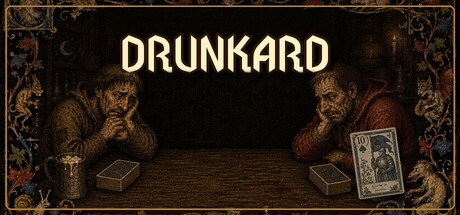 DRUNKARD In-game content art | The game to contain art assets generated by artificial intelligence | Playing Middle Ages | - | Sep 30, 2026 | |
 Dirt Ruckus In-game content audio | Pre-Generated: the music was generated with AI tools. | PapaBazar Games | - | Sep 30, 2026 | |
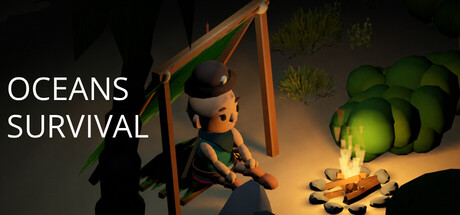 Oceans - Survival In-game content codeart | This game was made possible due to generative AI coding. It uses generative AI for the code base and procedural environmental generation but is limited to that. Models and music have been manually created. | Albin Renlund | - | Sep 30, 2026 | |
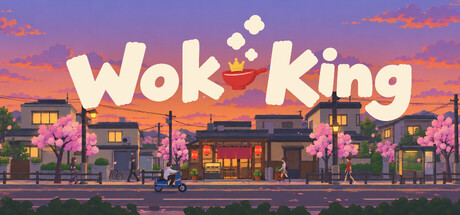 中华料理大王 In-game content artaudio | This game includes pre-generated visual and auditory
assets created with the assistance of generative AI. These assets have been reviewed, edited, and integrated by the development team. The game does not use generative AI to create content while players are playing. | Dawang Games | - | Sep 30, 2026 | |
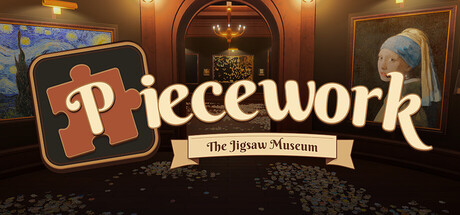 Piecework: The Jigsaw Museum In-game content text | We used AI as a supporting tool to translate and proofread the in-game text. Every translation was reviewed and adjusted by our team before it went into the game. | Warbyte Studios | - | Sep 30, 2026 | |
 MemTown In-game content art | Some 3D models and textures in MemTown were created or converted with the assistance of generative AI during development. These assets are used for certain tools, capture capsules, resource objects, and production facilities in the territory. | Mememememem | - | Sep 30, 2026 | |
 GroundHog Simulator Unclear | we have use ai to develop this game | groundhogheist | - | Sep 30, 2026 | |
 Golden Trivia Show In-game content text | Translations to all languages except English and Spanish were generated by AI. | Majorariatto | - | Sep 30, 2026 | |
 Pomo Valley In-game content artaudio | AI assistance was used. All in-game art, music, and sound were made by people. | Four Games | - | Sep 30, 2026 | |
 Nut Runner In-game content artaudio | Generative AI tools were used during development to assist with the creation of selected visual, audio and creative assets. All content included in the final game was reviewed and selected by the developer. | Boltwork Studios | - | Sep 30, 2026 | |
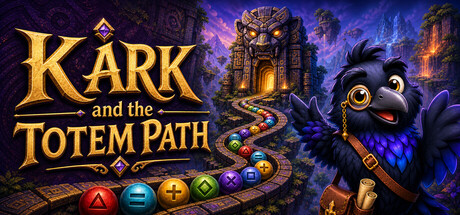 Kark and the Totem Path In-game content artaudio | Pre-generated AI tools were used during development to create portions of the game's static 2D artwork and music, including some environment and character images, store marketing art, and achievement icons. The outputs were selected, edited, integrated, and reviewed by the developer. No content is generated while the game is running, and the game does not send player prompts or player data to any AI service. | Moreman Games | - | Sep 30, 2026 | |
 Black Hole Simulator In-game content textart | AI was used for localization, generating achievement textures, and the title card in the trailer. | Black Hole Simulator | - | Sep 30, 2026 | |
 DiceZ Royale In-game content textart | Pre-generated content only. No AI generated content is produced at runtime during gameplay.
Some in-game text and its English localization were drafted with AI assistance and edited by the team.
All art, including card art, backgrounds, icons and UI, is created by our artist. AI image tools were used as visual reference during concept work only; no AI generated image ships in the game. No AI models are used for music or sound effects. | Zeroot Studios | - | Sep 30, 2026 | |
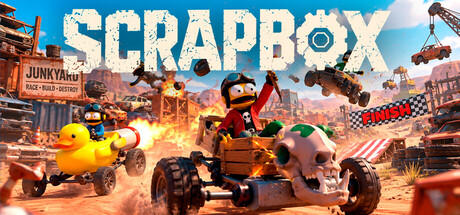 SCRAPBOX In-game content artaudiocode | Generative AI tools were used during the development of SCRAPBOX to assist with programming, UI design, voice acting, music, and the creation of some 3D models and other game assets. The game does not generate AI content during gameplay. | HFM Games | - | Sep 29, 2026 | |
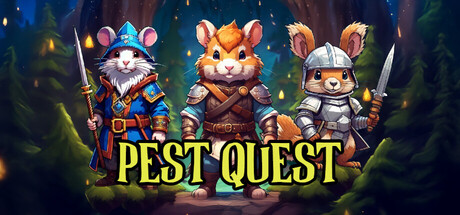 Pest Quest Store/marketing art | As a solo developer with a big dream and limited resources, I want to be entirely upfront how this game was built. The vast majority of this game is completely human-made: I crafted the pixel characters, animations, code, and story over the past 10 years. I also utilized incredible royalty-free and purchased assets from human creators like gyvr, Eunity, RafaelMatos, penusbmic, Winlu, Geoff Harvey.
The use of generative AI was for touching up and refining the marketing capsule images using Adobe Photoshop tools. | AzamaruStudio | - | Sep 29, 2026 | |
 SLICE SURPRISE Store/marketing text | AI tools helped write the store page text and translate the game's text into other languages. The game's artwork and gameplay are not AI-generated, and nothing is generated by AI while you play. | Teerawat Samansook | - | Sep 28, 2026 |


