Public Steam disclosure research25,376 disclosures tracked
Where do games disclose AI use?
Search developers’ Steam disclosures, compare classified AI use across
games, and follow recorded changes.
This index adds cross-game classifications and statistics to
statements published on individual store pages.
Groups reflect automatic analysis of public disclosures; mature records are excluded. These counts do not measure AI use across all of Steam.
Missing or unclear statements cannot establish whether a game uses AI.
Some visual assets and promotional artwork included in the game were created or assisted with generative AI tools during development. These assets were subsequently edited, adjusted, animated, and integrated by the developer. The game does not use generative AI to create content during gameplay.
Generative AI was used to assist with programming during development and to help draft and translate portions of the Steam store page. No AI-generated content or code is created during gameplay.
Generative AI was used during development to create some images, in-game assets, and voices. This includes artwork used on the Steam store page and in promotional materials.
Generative AI tools were used during development to create pre-generated artwork
and visual assets used in the game and its Steam store materials.
All AI-generated assets included in the final game were reviewed and selected by
the developer before use.
No generative AI content is created during gameplay, and the game does not connect
to any external AI services.
Generative AI was used to create some pre-generated artwork for the game's Steam store page and marketing materials. The game itself does not generate AI content during gameplay.
Pre-generated voice-over and minor environmental assets were created using generative AI.
All generated content was selected, edited, and integrated by the development team. No generative AI is used during gameplay.
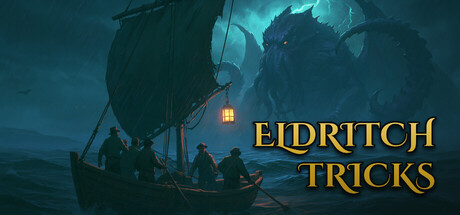
Eldritch Tricks was not dealt by human hands alone: we lean on procedural and AI-assisted tools during development to help draft what you see and hear. Every card that reaches the table is chosen, shaped, and finished by the Iron Tower Press team, and the game you play is ours.
The game includes a limited number of developer-reviewed AI-assisted 2D atmospheric illustrations used as static, non-interactive UI/background art. They are not gameplay screenshots, playable characters, dialogue, code, or user-generated content. Interactive levels, gameplay systems, text, and the in-game 3D presentation are authored or assembled by the developer using project-owned and separately tracked third-party assets.
Generative AI was used in two areas for this project: First, 2D character artwork hand-drawn by a human artist was converted into 3D models using AI-powered tools. Second, AI was used for the localization and translation of the game's text into multiple languages. All other game assets, including sound design, music, and the core story, were created entirely without the use of AI.
Generative AI was used during development to help create some of the game's 3D models, music, sound effects, and program code, as well as to draft or revise portions of the in-game text and translate in-game text into English.
The store page also includes image assets created using generative AI. Generative AI was also used to help write the store description and translate it into English.
Generative AI used for UV editing, and slight modifications to existing works. (80's arcade video game posters modified to avoid using trademarked content)
Generative AI was used during development for certain supernatural visual elements and pre-rendered video sequences, and to assist with some visual design, UI, localization, code modifications, and limited narrative design. All live-action footage of Osaka Castle Park was filmed on location. No AI-generated content is created during gameplay.
Generative AI was used during development to assist with some pre-generated artwork, audio, music, sound effects, and written content. All AI-assisted content was reviewed and edited by the developer before being included in the game. No live-generated AI is used during gameplay.
Only the game's source code was written with the assistance of an AI coding tool. All art, music, writing, and other creative assets were created by hand without generative AI.
Generative AI assisted with selected store and library artwork and some localization text. This content was created before release; the game does not use real-time AI generation.
Generative AI tools were used during development to create or assist with 3D models, voice audio, and translations/localization. Generative AI was also used to create and edit promotional artwork for the Steam store and library, including capsule images, backgrounds, and logo artwork.
Generative AI was used to assist with drafting and editing store-page text and localization. All generated text was reviewed and edited by the developer before publication. No generative AI is used during gameplay.
Generative AI tools were used during the development of LOCKDOWN to assist in the creation of some artwork and music featured in the game. All AI-assisted content was reviewed, selected, edited, and integrated by the development team. Generative AI is not used to generate content in real time during gameplay.
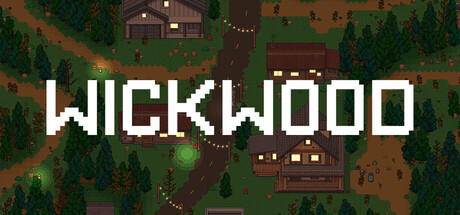
Wickwood is made by one developer, and generative AI was used openly in its production. Here is exactly where:
- Code: the game's GDScript code, the pixel-drawing scripts and the build/test tools were written with Claude (Anthropic) under the developer's design, direction and review.
- Text: the in-game notes and place descriptions, the ending credits and the store page copy were drafted with Claude and edited and approved by the developer.
- Music: all music tracks (world, main menu, finale) were generated with Google's Lyria from prompts written by the developer.
- Artwork: tilesets, characters and creatures are hand-drawn commercial pixel-art packs (credited in-game), not AI-generated. Some landmark props (the standing stones, the cave interiors, the bunker hatch and similar pieces) were drawn or assembled pixel by pixel by scripts written with Claude, using the palettes and parts of those packs.
- Sound effects were sourced from Freesound and Kenney's sound packs.
- Store art (capsules, logo, icons) was made by hand; screenshots and video are captured from the game itself.
No AI runs during gameplay: nothing is generated live, and the game does not connect to any online AI service.
All output was reviewed and hand-edited by our artists before shipping. Every 3D model and character in the game was sculpted by human artists. We also use AI coding assistants during development; no AI-generated content is produced while the game is running.
Our team uses AI tools to assist development of some in-game content. The final product reflects the creativity and expression of our own development team.
Some of the image and audio assets were created with the help of generative AI.
All final design adjustments and processing were done by hand by the developer.
Some 3D props, textures and ambient voice audio were pre-generated with AI tools during development and then edited by hand. The game does not generate any content with AI while you play.
I built every environment, HUD and system in MOGGED by hand over months. I even placed the individual pingpong balls and the patches of grass myself.
But two things did involve AI: A few decals and icons, made for comedic effect. And several voice lines: narrator and NPC barks. If the game does well, I'm hiring proper voice acting.
Everything I did not make myself is properly licensed and credited to the people who did.
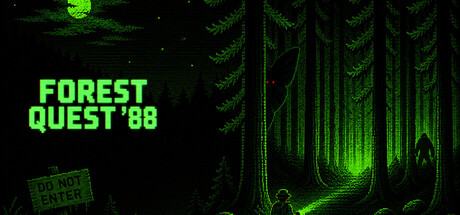
The branching narrative in FOREST QUEST '88 was generated during development using a locally-run AI language model (an offline Dolphin/LLaMA-family model via Ollama). All AI-generated text was produced ahead of time, then reviewed, edited, and curated by the developer before being baked into the finished game as fixed, hand-checked content. The shipped game contains no live AI generation — it plays back a static, pre-authored story. No player data is sent to any AI service; the game runs fully offline.
Below The Loop uses generative AI-assisted tools during development to create some visual assets and marketing artwork. These assets are pre-generated and reviewed and edited as part of the development process. The game does not use AI to generate content in real time during gameplay.
AI is used in early visual concept explorations for certain environments.
Every aspect of the game at runtime including the story, visuals, environments, dialogues and music is all handcrafted with utmost human care.
Generative AI was used extensively during development to assist with localization, text review, and selected production/reference workflows. All code and most image assets and models were created with generative AI. All AI-assisted content included in the game was reviewed and curated by the developer. The game does not use live generative AI during gameplay.
Generative AI tools were used purely in the background to assist and speed up the production workflow as a solo developer, serving only as an aid during development.
The game itself including all gameplay, story, and core content is 100 percent created by human developers, with no AI generated content produced live.
This game uses generative AI tools to assist with the creation of some visual assets, promotional images, sound effects, and localization drafts. All AI-assisted content is reviewed, edited, and integrated by the developer before release. The game does not use generative AI to create real-time user-facing content during gameplay.
Some visual assets and promotional artwork included in the game were created or assisted with generative AI tools during development. These assets were subsequently edited, adjusted, animated, and integrated by the developer. The game does not use generative AI to create content during gameplay.
Generative AI was used to assist with programming during development and to help draft and translate portions of the Steam store page. No AI-generated content or code is created during gameplay.
Generative AI was used during development to create some images, in-game assets, and voices. This includes artwork used on the Steam store page and in promotional materials.
Generative AI tools were used during development to create pre-generated artwork
and visual assets used in the game and its Steam store materials.
All AI-generated assets included in the final game were reviewed and selected by
the developer before use.
No generative AI content is created during gameplay, and the game does not connect
to any external AI services.
Generative AI was used to create some pre-generated artwork for the game's Steam store page and marketing materials. The game itself does not generate AI content during gameplay.
Pre-generated voice-over and minor environmental assets were created using generative AI.
All generated content was selected, edited, and integrated by the development team. No generative AI is used during gameplay.
Eldritch Tricks was not dealt by human hands alone: we lean on procedural and AI-assisted tools during development to help draft what you see and hear. Every card that reaches the table is chosen, shaped, and finished by the Iron Tower Press team, and the game you play is ours.
The game includes a limited number of developer-reviewed AI-assisted 2D atmospheric illustrations used as static, non-interactive UI/background art. They are not gameplay screenshots, playable characters, dialogue, code, or user-generated content. Interactive levels, gameplay systems, text, and the in-game 3D presentation are authored or assembled by the developer using project-owned and separately tracked third-party assets.
Generative AI was used in two areas for this project: First, 2D character artwork hand-drawn by a human artist was converted into 3D models using AI-powered tools. Second, AI was used for the localization and translation of the game's text into multiple languages. All other game assets, including sound design, music, and the core story, were created entirely without the use of AI.
Generative AI was used during development to help create some of the game's 3D models, music, sound effects, and program code, as well as to draft or revise portions of the in-game text and translate in-game text into English.
The store page also includes image assets created using generative AI. Generative AI was also used to help write the store description and translate it into English.
Generative AI used for UV editing, and slight modifications to existing works. (80's arcade video game posters modified to avoid using trademarked content)
Generative AI was used during development for certain supernatural visual elements and pre-rendered video sequences, and to assist with some visual design, UI, localization, code modifications, and limited narrative design. All live-action footage of Osaka Castle Park was filmed on location. No AI-generated content is created during gameplay.
Generative AI was used during development to assist with some pre-generated artwork, audio, music, sound effects, and written content. All AI-assisted content was reviewed and edited by the developer before being included in the game. No live-generated AI is used during gameplay.
Only the game's source code was written with the assistance of an AI coding tool. All art, music, writing, and other creative assets were created by hand without generative AI.
Generative AI assisted with selected store and library artwork and some localization text. This content was created before release; the game does not use real-time AI generation.
Generative AI tools were used during development to create or assist with 3D models, voice audio, and translations/localization. Generative AI was also used to create and edit promotional artwork for the Steam store and library, including capsule images, backgrounds, and logo artwork.
Generative AI was used to assist with drafting and editing store-page text and localization. All generated text was reviewed and edited by the developer before publication. No generative AI is used during gameplay.
Generative AI tools were used during the development of LOCKDOWN to assist in the creation of some artwork and music featured in the game. All AI-assisted content was reviewed, selected, edited, and integrated by the development team. Generative AI is not used to generate content in real time during gameplay.
Wickwood is made by one developer, and generative AI was used openly in its production. Here is exactly where:
- Code: the game's GDScript code, the pixel-drawing scripts and the build/test tools were written with Claude (Anthropic) under the developer's design, direction and review.
- Text: the in-game notes and place descriptions, the ending credits and the store page copy were drafted with Claude and edited and approved by the developer.
- Music: all music tracks (world, main menu, finale) were generated with Google's Lyria from prompts written by the developer.
- Artwork: tilesets, characters and creatures are hand-drawn commercial pixel-art packs (credited in-game), not AI-generated. Some landmark props (the standing stones, the cave interiors, the bunker hatch and similar pieces) were drawn or assembled pixel by pixel by scripts written with Claude, using the palettes and parts of those packs.
- Sound effects were sourced from Freesound and Kenney's sound packs.
- Store art (capsules, logo, icons) was made by hand; screenshots and video are captured from the game itself.
No AI runs during gameplay: nothing is generated live, and the game does not connect to any online AI service.
All output was reviewed and hand-edited by our artists before shipping. Every 3D model and character in the game was sculpted by human artists. We also use AI coding assistants during development; no AI-generated content is produced while the game is running.
Our team uses AI tools to assist development of some in-game content. The final product reflects the creativity and expression of our own development team.
Some of the image and audio assets were created with the help of generative AI.
All final design adjustments and processing were done by hand by the developer.
Some 3D props, textures and ambient voice audio were pre-generated with AI tools during development and then edited by hand. The game does not generate any content with AI while you play.
I built every environment, HUD and system in MOGGED by hand over months. I even placed the individual pingpong balls and the patches of grass myself.
But two things did involve AI: A few decals and icons, made for comedic effect. And several voice lines: narrator and NPC barks. If the game does well, I'm hiring proper voice acting.
Everything I did not make myself is properly licensed and credited to the people who did.
The branching narrative in FOREST QUEST '88 was generated during development using a locally-run AI language model (an offline Dolphin/LLaMA-family model via Ollama). All AI-generated text was produced ahead of time, then reviewed, edited, and curated by the developer before being baked into the finished game as fixed, hand-checked content. The shipped game contains no live AI generation — it plays back a static, pre-authored story. No player data is sent to any AI service; the game runs fully offline.
Below The Loop uses generative AI-assisted tools during development to create some visual assets and marketing artwork. These assets are pre-generated and reviewed and edited as part of the development process. The game does not use AI to generate content in real time during gameplay.
AI is used in early visual concept explorations for certain environments.
Every aspect of the game at runtime including the story, visuals, environments, dialogues and music is all handcrafted with utmost human care.
Generative AI was used extensively during development to assist with localization, text review, and selected production/reference workflows. All code and most image assets and models were created with generative AI. All AI-assisted content included in the game was reviewed and curated by the developer. The game does not use live generative AI during gameplay.
Generative AI tools were used purely in the background to assist and speed up the production workflow as a solo developer, serving only as an aid during development.
The game itself including all gameplay, story, and core content is 100 percent created by human developers, with no AI generated content produced live.
This game uses generative AI tools to assist with the creation of some visual assets, promotional images, sound effects, and localization drafts. All AI-assisted content is reviewed, edited, and integrated by the developer before release. The game does not use generative AI to create real-time user-facing content during gameplay.