Public Steam disclosure research25,376 disclosures tracked
Where do games disclose AI use?
Search developers’ Steam disclosures, compare classified AI use across
games, and follow recorded changes.
This index adds cross-game classifications and statistics to
statements published on individual store pages.
Groups reflect automatic analysis of public disclosures; mature records are excluded. These counts do not measure AI use across all of Steam.
Missing or unclear statements cannot establish whether a game uses AI.
During the development process, we leverage AI tools to support the generation of specific art assets and the creation of procedural content. This approach is primarily driven by resource limitations within our art team and the need to address schedule constraints. AI assists us in rapidly prototyping 3D model foundations, generating initial environmental textures, and sketching concept art, enabling our artists to focus on high-value creative tasks such as refining character expressions, animating skill VFX, and unifying the artistic vision. It is important to note that none of our key visual elements (including core 3D characters, environments, and dynamic effects) are directly AI-generated final products. Instead, AI outputs are used as starting points that undergo extensive manual refinement, detail sculpting, and artistic reinterpretation by our dedicated art team. We are committed to rejecting any shortcuts of using AI-generated 2D imagery to compromise player experience; instead, we prioritise "AI boosting efficiency, humans defining quality". The final game's visuals are a testament to our artists' craftsmanship and aesthetic rigor. Additionally, AI streamlines our workflow management, allowing our limited resources to prioritise gameplay strategy and combat tuning. Player privacy and the responsible use of AI remain paramount: No player data is used for training or shared externally without consent.
Some visual assets in this game are created with the assistance of generative AI during development. This includes portions of the card artwork, some environmental/scenery visuals, and some character illustrations. These AI-assisted assets are curated, edited, and integrated by the developer as part of the game’s art pipeline. No live-generated AI content is used during gameplay.
Some illustrations used in the Arcade Mode (beta version) were created using a hybrid workflow that combines hand-drawn artwork and generative AI-assisted editing.
The developer first creates original pencil sketches by hand, then digitizes and edits them on PC. Generative AI is used only to assist with draft refinement and background adjustments, followed by additional manual editing in image software.
It has not yet been decided whether these illustrations will be replaced with fully hand-crafted versions during or after Early Access development.
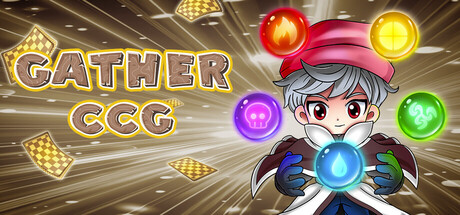
A portion of the card art in Gather CCG was created with the assistance of generative AI. Every piece of AI-generated content has been hand-selected and verified by the developer to maintain high quality and ensure full compliance with copyright standards.
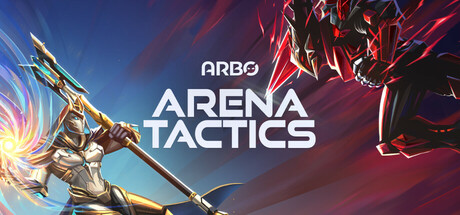
Our game was hand-crafted with love, however we use newer AI technologies, limited to the Arena Tactics' Enhanced Auto Battler mode, to enable a feature whereby players can write plain-text instructions to inform the Computer/AI's realtime gameplay.
During the development process, we may use procedural- and AI-based tools to assist with content creation. In all such cases, the final product reflects the creativity and expression of our own development team.
2D Visual Assets: All in-game card illustrations—including the retro pixel art items, weapons, and relics and any images, as well as the main "Divide TCG" promotional logo art, were pre-generated using AI image generation tools.
Code and UI Assistance: AI text models were used as a collaborative programming assistant to help write, structure, and troubleshoot the game's HTML and CSS user interface, including the card binder layouts, responsive grids, and visual effects.
Marketing Copy: AI text models were utilized to help draft and refine portions of the text and descriptions found on this Steam store page.
Some temporary art and sound assets were created with the assistance of AI. These are placeholder assets used to help prototype the game and will be replaced with original content in future updates.
Generative AI Disclosure:
In the development of PredaDeck, we have utilized generative AI tools to enhance the gaming experience and ensure high-quality content:
Visual Assets: Some sprites and environmental art elements were generated or refined using AI to maintain a vibrant and diverse ecosystem.
Scripts & Narrative: AI tools assisted in drafting certain gameplay scripts and refining in-game dialogue to ensure consistency and creative depth.
Localization & Text: AI was used to assist in translating game text into multiple languages and polishing descriptions to ensure clarity for players worldwide.
All AI-generated content has been manually reviewed, edited, and integrated by our team to ensure it meets our creative standards and copyright requirements.
AI-Generated Content
Some of the visual content in Oink & Collect was created with the assistance of AI tools.
This includes individual card artwork, booster pack illustrations, and in-game graphical elements.
All AI-generated content has been reviewed, adjusted, and curated by the developer to ensure style, quality, and consistency within the game.
No AI systems are used to generate player-generated content, and no dynamic AI content creation occurs during gameplay.
Our team uses generative AI tools to help develop some in-game assets. All AI outputs were reviewed and curated by our team to meet our quality standards. No AI outputs are used to replace core gameplay design decisions or narrative direction.
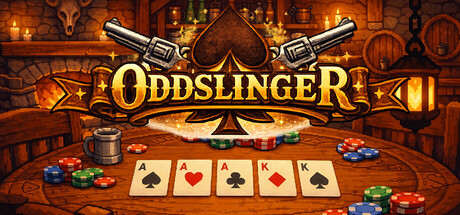
Some 2D visuals in Oddslinger were created with the help of generative AI tools (primarily background art and a small number of UI icons, such as card suit symbols) and then curated/edited by the developer
This game contains art assets that were created with the assistance of generative AI tools. All AI-generated content was heavily curated, edited, and modified by our human art team to ensure it aligns with the game's unique artistic vision and quality standards. We affirm that we have the appropriate rights to all assets, both AI-generated and human-created, used in our game.
Some images in the game were created with the help of artificial intelligence to enhance the atmosphere and the visual design of cards and environments. The AI was used only for artistic purposes and does not affect gameplay.
AI was used during development to help create some visual assets, including certain textures, logo elements, and background images. These assets were reviewed, edited, and integrated by the developer before being used in the game. The game does not use live AI generation during gameplay.
Artificial intelligence was used in the creation of in-game artworks. These assets were curated, reviewed, and integrated to ensure consistency with the game’s artistic direction and quality standards.
All cards in the game that currently have art are created using various AI generators and models. All AI artwork contained within this game is to be considered temporary over a long term period of time. Some AI generated artworks may be replaced by human-made artwork of the course of this game's existence. New cards added into the game may or may not contain AI artworks. Any replacements of AI to human-made artworks will always be announced in the game's Discord server.
The visual assets for the cards used in the game were created using generative AI tools during the development process. All generated content has been manually reviewed, edited, and approved by the developer to ensure it aligns with the game's artistic vision and standards. The game code was developed with the assistance of AI coding tools but contains no real-time AI generation mechanics for the player.
Board/scene backgrounds, some video footage and a few character variations are made with the help of generative AI.
Video voiceovers are made with AI-powered text-to-speech services.
AI was used as a tool to support the creative and technical process, not as a replacement for design, implementation, or artistic decision-making.
AI was used to assist with programming tasks, such as problem-solving, code structuring, and iteration during development. All final code was reviewed, adapted, and integrated manually by the developer.
AI was also used to generate early visual concepts and rough art sketches. These assets were not used directly in the final game; instead, they served as references and inspiration. All final visuals were manually reviewed, refined, and adjusted to fit the game’s art direction and technical constraints.
This game does not use AI to generate content during gameplay. All gameplay systems, visuals, audio, and text are handcrafted and included as part of the game.
AI tools were used during development in a limited way to assist the developer with prototyping, debugging, and refining code. These tools acted as a productivity aid only. All final decisions, implementations, and content were created and reviewed manually.
There are no AI-driven characters, dynamic content generation, or systems that learn from player behavior. The game does not connect to external AI services, collect player data, or use AI to influence gameplay, difficulty, or monetization.
Players can expect a traditional, deterministic game experience without AI-generated content during play.
This game features an optional AI integration known as "The Oracle," which utilizes generative text technology to provide dynamic narrative commentary and sarcastic tactical analysis based on your real-time gameplay actions. This feature is powered by the Gemini API and operates on a "Bring Your Own Key" (BYOK) architecture, meaning users must provide their own personal API Key to enable this specific functionality. The AI generation is strictly cosmetic, text-based, and completely optional, ensuring that the core gameplay experience, mechanics, and balance remain fully intact and enjoyable whether or not the feature is active.
Generative AI was used in the prototyping stage to develop card art concept alternatives and communicate with human artists on our intentions for each finished piece. These images have all been replaced with human-created artwork.
AI is not used to live-generate content or code during gameplay.
As a solo developer some art assets used during the development of the game are generated using AI models with art references. Should the game be successful it is my hope to slowly replace these generated assets.
I'm not a corporation that can afford help designing and creating art for this game. I'm just a guy making a game I wanted to create.
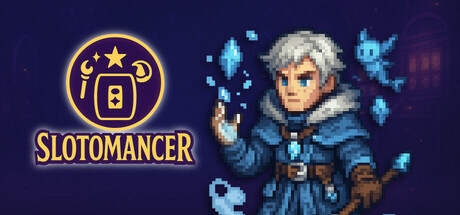
So, this game uses generated assets for symbol art and wizard portraits to mitigate up-front development costs.
I am committed to supporting human artists and will replace any AI generated art with real artist work if the game becomes successful.
This game was developed with the assistance of Artificial Intelligence tools. AI was used to generate some visual elements such as concept art, textures, and 3D models, and to support parts of the programming process. All AI-generated content was reviewed, refined, and integrated by the developer to ensure consistency with the game’s artistic direction and design.
Libra Apocrypha combines traditional art creation methods with generative AI practices to create hybrid designs for some 2D artworks featured within the game. Typically this is used to conform existing artworks to an aesthetic style by using AI-based tools to recolour and adjust composition of pre-rendered shots of characters, locations and effects, most notably present in current card designs.
During the development process, we leverage AI tools to support the generation of specific art assets and the creation of procedural content. This approach is primarily driven by resource limitations within our art team and the need to address schedule constraints. AI assists us in rapidly prototyping 3D model foundations, generating initial environmental textures, and sketching concept art, enabling our artists to focus on high-value creative tasks such as refining character expressions, animating skill VFX, and unifying the artistic vision. It is important to note that none of our key visual elements (including core 3D characters, environments, and dynamic effects) are directly AI-generated final products. Instead, AI outputs are used as starting points that undergo extensive manual refinement, detail sculpting, and artistic reinterpretation by our dedicated art team. We are committed to rejecting any shortcuts of using AI-generated 2D imagery to compromise player experience; instead, we prioritise "AI boosting efficiency, humans defining quality". The final game's visuals are a testament to our artists' craftsmanship and aesthetic rigor. Additionally, AI streamlines our workflow management, allowing our limited resources to prioritise gameplay strategy and combat tuning. Player privacy and the responsible use of AI remain paramount: No player data is used for training or shared externally without consent.
Some visual assets in this game are created with the assistance of generative AI during development. This includes portions of the card artwork, some environmental/scenery visuals, and some character illustrations. These AI-assisted assets are curated, edited, and integrated by the developer as part of the game’s art pipeline. No live-generated AI content is used during gameplay.
Some illustrations used in the Arcade Mode (beta version) were created using a hybrid workflow that combines hand-drawn artwork and generative AI-assisted editing.
The developer first creates original pencil sketches by hand, then digitizes and edits them on PC. Generative AI is used only to assist with draft refinement and background adjustments, followed by additional manual editing in image software.
It has not yet been decided whether these illustrations will be replaced with fully hand-crafted versions during or after Early Access development.
A portion of the card art in Gather CCG was created with the assistance of generative AI. Every piece of AI-generated content has been hand-selected and verified by the developer to maintain high quality and ensure full compliance with copyright standards.
Our game was hand-crafted with love, however we use newer AI technologies, limited to the Arena Tactics' Enhanced Auto Battler mode, to enable a feature whereby players can write plain-text instructions to inform the Computer/AI's realtime gameplay.
During the development process, we may use procedural- and AI-based tools to assist with content creation. In all such cases, the final product reflects the creativity and expression of our own development team.
2D Visual Assets: All in-game card illustrations—including the retro pixel art items, weapons, and relics and any images, as well as the main "Divide TCG" promotional logo art, were pre-generated using AI image generation tools.
Code and UI Assistance: AI text models were used as a collaborative programming assistant to help write, structure, and troubleshoot the game's HTML and CSS user interface, including the card binder layouts, responsive grids, and visual effects.
Marketing Copy: AI text models were utilized to help draft and refine portions of the text and descriptions found on this Steam store page.
Some temporary art and sound assets were created with the assistance of AI. These are placeholder assets used to help prototype the game and will be replaced with original content in future updates.
Generative AI Disclosure:
In the development of PredaDeck, we have utilized generative AI tools to enhance the gaming experience and ensure high-quality content:
Visual Assets: Some sprites and environmental art elements were generated or refined using AI to maintain a vibrant and diverse ecosystem.
Scripts & Narrative: AI tools assisted in drafting certain gameplay scripts and refining in-game dialogue to ensure consistency and creative depth.
Localization & Text: AI was used to assist in translating game text into multiple languages and polishing descriptions to ensure clarity for players worldwide.
All AI-generated content has been manually reviewed, edited, and integrated by our team to ensure it meets our creative standards and copyright requirements.
AI-Generated Content
Some of the visual content in Oink & Collect was created with the assistance of AI tools.
This includes individual card artwork, booster pack illustrations, and in-game graphical elements.
All AI-generated content has been reviewed, adjusted, and curated by the developer to ensure style, quality, and consistency within the game.
No AI systems are used to generate player-generated content, and no dynamic AI content creation occurs during gameplay.
Our team uses generative AI tools to help develop some in-game assets. All AI outputs were reviewed and curated by our team to meet our quality standards. No AI outputs are used to replace core gameplay design decisions or narrative direction.
Some 2D visuals in Oddslinger were created with the help of generative AI tools (primarily background art and a small number of UI icons, such as card suit symbols) and then curated/edited by the developer
This game contains art assets that were created with the assistance of generative AI tools. All AI-generated content was heavily curated, edited, and modified by our human art team to ensure it aligns with the game's unique artistic vision and quality standards. We affirm that we have the appropriate rights to all assets, both AI-generated and human-created, used in our game.
Some images in the game were created with the help of artificial intelligence to enhance the atmosphere and the visual design of cards and environments. The AI was used only for artistic purposes and does not affect gameplay.
AI was used during development to help create some visual assets, including certain textures, logo elements, and background images. These assets were reviewed, edited, and integrated by the developer before being used in the game. The game does not use live AI generation during gameplay.
Artificial intelligence was used in the creation of in-game artworks. These assets were curated, reviewed, and integrated to ensure consistency with the game’s artistic direction and quality standards.
All cards in the game that currently have art are created using various AI generators and models. All AI artwork contained within this game is to be considered temporary over a long term period of time. Some AI generated artworks may be replaced by human-made artwork of the course of this game's existence. New cards added into the game may or may not contain AI artworks. Any replacements of AI to human-made artworks will always be announced in the game's Discord server.
The visual assets for the cards used in the game were created using generative AI tools during the development process. All generated content has been manually reviewed, edited, and approved by the developer to ensure it aligns with the game's artistic vision and standards. The game code was developed with the assistance of AI coding tools but contains no real-time AI generation mechanics for the player.
Board/scene backgrounds, some video footage and a few character variations are made with the help of generative AI.
Video voiceovers are made with AI-powered text-to-speech services.
AI was used as a tool to support the creative and technical process, not as a replacement for design, implementation, or artistic decision-making.
AI was used to assist with programming tasks, such as problem-solving, code structuring, and iteration during development. All final code was reviewed, adapted, and integrated manually by the developer.
AI was also used to generate early visual concepts and rough art sketches. These assets were not used directly in the final game; instead, they served as references and inspiration. All final visuals were manually reviewed, refined, and adjusted to fit the game’s art direction and technical constraints.
This game does not use AI to generate content during gameplay. All gameplay systems, visuals, audio, and text are handcrafted and included as part of the game.
AI tools were used during development in a limited way to assist the developer with prototyping, debugging, and refining code. These tools acted as a productivity aid only. All final decisions, implementations, and content were created and reviewed manually.
There are no AI-driven characters, dynamic content generation, or systems that learn from player behavior. The game does not connect to external AI services, collect player data, or use AI to influence gameplay, difficulty, or monetization.
Players can expect a traditional, deterministic game experience without AI-generated content during play.
This game features an optional AI integration known as "The Oracle," which utilizes generative text technology to provide dynamic narrative commentary and sarcastic tactical analysis based on your real-time gameplay actions. This feature is powered by the Gemini API and operates on a "Bring Your Own Key" (BYOK) architecture, meaning users must provide their own personal API Key to enable this specific functionality. The AI generation is strictly cosmetic, text-based, and completely optional, ensuring that the core gameplay experience, mechanics, and balance remain fully intact and enjoyable whether or not the feature is active.
Generative AI was used in the prototyping stage to develop card art concept alternatives and communicate with human artists on our intentions for each finished piece. These images have all been replaced with human-created artwork.
AI is not used to live-generate content or code during gameplay.
As a solo developer some art assets used during the development of the game are generated using AI models with art references. Should the game be successful it is my hope to slowly replace these generated assets.
I'm not a corporation that can afford help designing and creating art for this game. I'm just a guy making a game I wanted to create.
So, this game uses generated assets for symbol art and wizard portraits to mitigate up-front development costs.
I am committed to supporting human artists and will replace any AI generated art with real artist work if the game becomes successful.
This game was developed with the assistance of Artificial Intelligence tools. AI was used to generate some visual elements such as concept art, textures, and 3D models, and to support parts of the programming process. All AI-generated content was reviewed, refined, and integrated by the developer to ensure consistency with the game’s artistic direction and design.
Libra Apocrypha combines traditional art creation methods with generative AI practices to create hybrid designs for some 2D artworks featured within the game. Typically this is used to conform existing artworks to an aesthetic style by using AI-based tools to recolour and adjust composition of pre-rendered shots of characters, locations and effects, most notably present in current card designs.