Public Steam disclosure research25,376 disclosures tracked
Where do games disclose AI use?
Search developers’ Steam disclosures, compare classified AI use across
games, and follow recorded changes.
This index adds cross-game classifications and statistics to
statements published on individual store pages.
Groups reflect automatic analysis of public disclosures; mature records are excluded. These counts do not measure AI use across all of Steam.
Missing or unclear statements cannot establish whether a game uses AI.
Generative AI tools were used during development to create some visual assets, including card and encounter illustrations, the game icon, and certain visual effects, as well as music and some sound effects. AI tools also assisted with in-game text, localization, and store-page copy. This content is prepared before release. The game does not use generative AI to create content during gameplay.
Shogi: Magic & Mischief was developed with the assistance of generative AI tools in the following areas.
■ Illustrations and images
Generative AI was used to create 2D visual assets, including character portraits, backgrounds, title illustrations, and other game and promotional artwork. The developer directed the visual concepts, character designs, composition, and colors, and selected the images for inclusion, with editing, cropping, and compositing where needed.
■ Music
Background music was created using music generation AI. The developer defined the intended mood, generated candidates, and selected and edited tracks for the game.
■ Voices
The male voice assets are pre-existing human-recorded audio from T-Sta. The female voice assets were created using audio generation AI and selected and edited by the developer. These descriptions refer to the voice asset sets, rather than the gender of every character using them.
■ Text
AI writing assistance was used to draft or revise some character descriptions and store-page text, including English promotional text. The developer determines the final wording.
■ Program code
AI coding assistance tools were used during implementation, debugging, and testing.
■ Non-AI assets
Sound effects are pre-existing human-created audio assets from providers including Soundeffect Lab, Kurage Kosho, T-Sta, and DOVA-SYNDROME, rather than AI-generated sound effects. The game uses the fonts Zen Kaku Gothic New and Shippori Mincho, distributed under the SIL Open Font License 1.1.
■ How AI is used
Generative AI is used during development, not to generate new artwork, music, voices, or dialogue during gameplay. The computer-controlled shogi opponents use game logic and move-search algorithms; they are separate from the generative AI tools used to develop the game.
■ Developer responsibility
The developer is responsible for the content included in the game, reviewing it for inappropriate or potentially infringing material, and checking the applicable licenses and terms of use for third-party assets and AI tools.
Some of this game's art was stylized or created with AI image generation tools from original prompts and project reference material: character portraits, tables, backgrounds, and Steam store and community artwork. Initial translations were AI-assisted. All of it was edited and reviewed before shipping. The soundtrack is chip-synth music generated at build time by the game's own code, no audio model and no sampled audio in the shipped files. Several tracks are AI-stylized arrangements of original songs written by a member of the development team; others were composed with AI assistance to our direction. Nothing is generated by AI while you play.
Generative AI tools were used during development to help create artwork, including character and environment art, music, voice narration, story text, and promotional materials. These are pre-generated assets included in the game or its marketing. The game does not generate AI content during gameplay or connect to external AI services while playing.
This game was created as a personal challenge to myself to see if i could solo dev a game and release it the same day as GTA 6.
I wanted to see what the highest quality final release consumer ready product I could create with only 69 days and a 200 dollar per month codex pro plan as the budget.
While the majority of implementation and art assets were llm derived, the architecture, game design, card concepts and overall vision of the project remain the product of my own efforts.
Some 2D artwork and visual assets in Tank Commander: Major FOE were created with the assistance of generative AI tools. These assets were reviewed, selected, edited, and integrated by the developer. The game does not generate AI content during gameplay and does not connect to external AI services while being played.
Generative AI tools were used during development to create pre-rendered assets: creature and building artwork, icons, 3D models and parts of the store graphics. All assets were selected, edited and integrated by the developers. The game does not generate any content with AI while it is running.
Some cosmetic artwork and icons, and the original music soundtrack, were created with generative AI tools during development. These assets are pre-generated. The game does not generate AI content during gameplay or connect to an AI service.
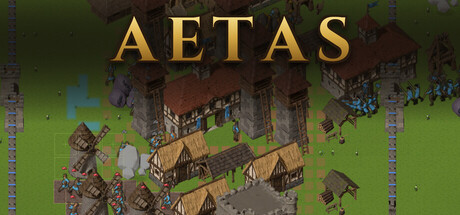
Aetas is designed, directed and built by a single developer. Generative AI was used as a development assistant: it helped write code and tools, the in-game texts and their English/Dutch localization, and the store page texts, all under the developer's direction and review. No AI image generation was used: all sprites and tiles are hand-drawn Liberated Pixel Cup art by human artists (credited in the game folder), or assembled programmatically from that art. The trailer music was produced by a synthesis script. The game does not generate any content with AI during gameplay and does not connect to any AI service.
Pre-generated content only. The game contains no live or runtime AI generation and makes no network connection.
Visual art: the pixel art in this game — sprites, backgrounds, key art, banners and icons — was produced with the assistance of generative AI image tools and then edited, composited, recoloured and assembled by hand for use in the game.
Written content and store text: the encounter text and the store description were written with AI assistance and edited by the developer.
Everything shipped was reviewed by a human before it went in. No content is generated while the game is running.
During development, we used generative AI to assist with some character art assets and early UI concepts. All related assets were subsequently refined and manually adjusted extensively by professional artists and other team members to ensure the finished work matched the game's distinctive style and quality standards.
Generative AI was used solely to create placeholder card artwork during development, allowing the team to focus on refining the gameplay. The final card artwork will be created by human artists.
Generative AI was used to generate in-game card illustrations, graphical assets, and all programming code. The game design, world-building, and lore were created directly by the developer.
(게임 내 카드 일러스트와 그래픽 에셋 제작, 그리고 프로그래밍 코딩 전반에 생성형 AI를 활용했습니다. 게임 기획 및 배경 세계관 설정은 직접 작성했습니다.)
This game includes AI-generated content created during development.
Character portraits, illustrations and store artwork were generated with an image model and curated by the developer. Background music was generated with Google Lyria and contains SynthID watermarking.
Translations were produced with AI assistance. No AI content is generated while you play.
Some visual assets and store-related materials for this game were created with generative AI assistance, then reviewed and edited by humans before inclusion. In-game opponents use traditional search and position evaluation; moves are not generated by generative AI at runtime.
AI was used throughout development for assistance with artwork, audio, code, and prototyping, as a tool, not a magic wand. Everything is directed, edited, assembled, and ultimately blamed on one questionably qualified human developer.
No AI runs during gameplay. It already costs me enough when the game isn't running.
The token bill remains undefeated.
I use generative technologies strictly in a supporting role, including: brain-storming; editing text; altering images; research; transcription…
Generated assets are never the first seed nor the last product of any content in my games.
This game does not generate any content with AI during play.
During development, generative AI tools were used under human direction to help create some player-facing content:
- Store and marketing artwork (capsule images and similar key art). Outputs were prompted, selected, cropped, and edited by the developer to match the game’s clay board look.
- Some written text, including light in-game story dialogue and store-page copy. All text was reviewed and edited before shipping.
The playable game itself is a hand-authored, turn-based puzzle: boards, rules, 3D presentation, and sound effects are implemented in code (Three.js meshes and materials; synthesized SFX). Puzzle layouts are designed and verified with a traditional search solver, not a generative model.
No third-party likenesses, copyrighted characters, or illegal content are used. All AI-assisted output is reviewed before it appears on the store page or in the game.
Some art assets in this game — including scene backgrounds, character portraits, promotional images, and music — were created with the assistance of generative AI tools during development, and were manually selected, retouched, and integrated by the developer.
Generative AI was used to assist in creating certain visual assets for this game, including artwork used for promotional and marketing purposes. The game does not use generative AI to generate content during gameplay.
Part of this game's written content was drafted with generative AI tools — some of the in-game text and the English and Japanese localisations — and was then reviewed and edited by the developer. All of it is pre-generated: the game calls no AI model at runtime, nothing is created live by AI while you play, and the computer-controlled opponents are a hand-written, rule-based system. In-game art is original procedural drawing or licensed third-party assets (a third-party icon library under CC BY 3.0); music is licensed from Kevin MacLeod (CC BY 3.0); sound effects are CC0; and the store capsule images are drawn procedurally inside the engine. Full asset credits are shown in the game's "Assets & License" screen.
Eldritch Tricks was not dealt by human hands alone: we lean on procedural and AI-assisted tools during development to help draft what you see and hear. Every card that reaches the table is chosen, shaped, and finished by the Iron Tower Press team, and the game you play is ours.
Pre-generated content only, nothing is generated while you play. All image motifs (130 modifier cards, 44 enemy portraits, 24 dice, 5 items, 7 set emblems, the title logo) were generated with Google's Gemini image model from written prompts and then hand-reduced to the game's palette and pixel size. Music: the fight track was generated with Suno, the title, boss and shop tracks with Eleven Music (ElevenLabs). Thirteen sound effects (boss entrance, curse, win, loss, dice shaking, dice landing, clicks, coins) were generated with ElevenLabs Sound Generation; all remaining sounds are synthesized in code. Rules, code, texts and translations were written by the developer, with AI assistance during development.
AstralX uses generative AI only for some 2D illustrative images, primarily certain biome visuals and depictions of some races/species. The game contains well over 1,000 such visual elements, which is why generative AI was used to assist with part of this 2D artwork.
Generative AI is not used for the game's simulation, mathematical calculations, gameplay rules, mechanics, or underlying systems. These elements were designed and developed manually by the developer. 3D content is also not generated using AI.
The music was composed manually and performed by a real pianist. The sound design was likewise created through traditional human production rather than generative AI.
No generative AI is used dynamically during gameplay.
Some art, music and the non-English translations were created with the help of AI tools during development, then edited by hand. Everything ships as static files; nothing is generated while you play.
Generative AI tools were used during development to assist in creating some visual assets, music, sound effects, and voice-over content. All AI-generated content was created and reviewed prior to its inclusion in the game. The game does not generate AI content during gameplay.
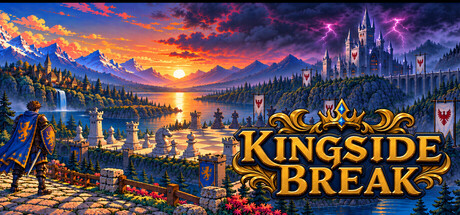
Pre-generated AI-assisted content is present for background art, portions of the Steam/Windows key art and logo derivatives. Kingside Break contains no runtime generative-AI system or live AI-content generation. Its chess opponent is conventional gameplay AI, not generative AI.
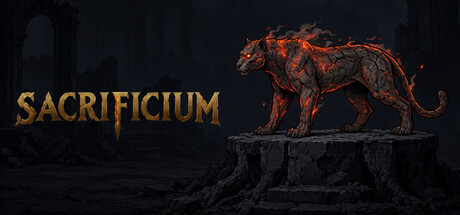
Some of the visual assets in Sacrificium — creature sprites, animations and background art — were created with the help of generative AI tools, then reviewed, edited and integrated by hand. All generative AI content is pre-generated; nothing is generated at runtime while you play. Game design, code, systems and all in-game text were written entirely by a human.
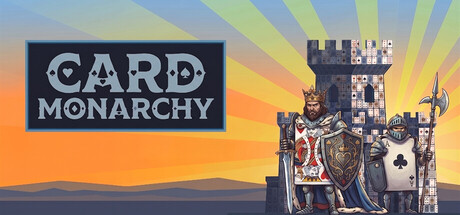
Card Monarchy was made using AI tools.
PRE-GENERATED CONTENT
- Artwork. The card art, character portraits, backgrounds and store images are AI-generated from hand-written prompts, then selected, cropped, composited and corrected by hand against a written art bible. Curation and prompt iteration are entirely at the hands of the producer until the style and output matches the vision.
- Music, voice and sound. Generated with ElevenLabs under a commercial license. Every generation is logged with its ID and date. Many of the sound effects were hand created. Some of the music has been sourced from free for commercial use sources.
NOTHING IS GENERATED WHILE YOU PLAY
The game makes no network calls of any kind and creates no content at runtime. Your opponent is not a machine-learning model. The play engine was generated by AI with extensive prompting and tuning by actual an actual programmer. The developer authored and tuned against millions of simulated battles and test harnesses to make the card battle combat feel challenging and fair.
This game was developed with the assistance of generative AI tools during development. AI was used to assist with source code generation, modification, debugging, and refactoring. No generative AI is used at runtime, and the game does not provide any AI-generated content or AI generation features to players.
This game uses generative AI to assist in the creation of some visual assets, including character illustrations, backgrounds, UI elements, and event artwork, as well as in the creation, editing, and localization of some text content. AI-generated content is reviewed, selected, adjusted, and edited by the developer before being included in the game.
The game does not use generative AI to create content in real time during gameplay.
All visual artwork used in the game was created directly by the developer.
Generative AI tools were used as part of the production process for certain audio assets and for translation/localization assistance. AI-generated or AI-assisted outputs were reviewed and edited by the developer before being included in the final game.
Generative AI was used during development to create some visual artwork and background music. The generated content was reviewed by the development team before being included in the game. The game does not generate AI content during gameplay.
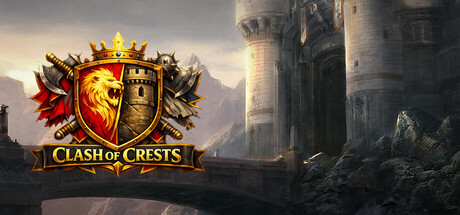
Some of the artwork in Clash of Crests was produced with generative AI image tools and then cropped, composited, retouched and finished by the developer. This includes unit and character portraits, faction crests, campaign banners and key art, and some environment and prop art. Parts of the in-game lore and flavour text were drafted with AI assistance and then edited by the developer. Nothing is generated by AI while you play: all content ships with the game as fixed, pre-made assets.
The game includes pre-generated AI-assisted content, including some character and card illustrations, boss videos, and portions of localized text. These assets are produced during development and included with the game. The game does not request new images, text, or voices from generative AI services during play.
Generative AI tools were used during development to create some visual assets, including card and encounter illustrations, the game icon, and certain visual effects, as well as music and some sound effects. AI tools also assisted with in-game text, localization, and store-page copy. This content is prepared before release. The game does not use generative AI to create content during gameplay.
Shogi: Magic & Mischief was developed with the assistance of generative AI tools in the following areas.
■ Illustrations and images
Generative AI was used to create 2D visual assets, including character portraits, backgrounds, title illustrations, and other game and promotional artwork. The developer directed the visual concepts, character designs, composition, and colors, and selected the images for inclusion, with editing, cropping, and compositing where needed.
■ Music
Background music was created using music generation AI. The developer defined the intended mood, generated candidates, and selected and edited tracks for the game.
■ Voices
The male voice assets are pre-existing human-recorded audio from T-Sta. The female voice assets were created using audio generation AI and selected and edited by the developer. These descriptions refer to the voice asset sets, rather than the gender of every character using them.
■ Text
AI writing assistance was used to draft or revise some character descriptions and store-page text, including English promotional text. The developer determines the final wording.
■ Program code
AI coding assistance tools were used during implementation, debugging, and testing.
■ Non-AI assets
Sound effects are pre-existing human-created audio assets from providers including Soundeffect Lab, Kurage Kosho, T-Sta, and DOVA-SYNDROME, rather than AI-generated sound effects. The game uses the fonts Zen Kaku Gothic New and Shippori Mincho, distributed under the SIL Open Font License 1.1.
■ How AI is used
Generative AI is used during development, not to generate new artwork, music, voices, or dialogue during gameplay. The computer-controlled shogi opponents use game logic and move-search algorithms; they are separate from the generative AI tools used to develop the game.
■ Developer responsibility
The developer is responsible for the content included in the game, reviewing it for inappropriate or potentially infringing material, and checking the applicable licenses and terms of use for third-party assets and AI tools.
Some of this game's art was stylized or created with AI image generation tools from original prompts and project reference material: character portraits, tables, backgrounds, and Steam store and community artwork. Initial translations were AI-assisted. All of it was edited and reviewed before shipping. The soundtrack is chip-synth music generated at build time by the game's own code, no audio model and no sampled audio in the shipped files. Several tracks are AI-stylized arrangements of original songs written by a member of the development team; others were composed with AI assistance to our direction. Nothing is generated by AI while you play.
Generative AI tools were used during development to help create artwork, including character and environment art, music, voice narration, story text, and promotional materials. These are pre-generated assets included in the game or its marketing. The game does not generate AI content during gameplay or connect to external AI services while playing.
This game was created as a personal challenge to myself to see if i could solo dev a game and release it the same day as GTA 6.
I wanted to see what the highest quality final release consumer ready product I could create with only 69 days and a 200 dollar per month codex pro plan as the budget.
While the majority of implementation and art assets were llm derived, the architecture, game design, card concepts and overall vision of the project remain the product of my own efforts.
Some 2D artwork and visual assets in Tank Commander: Major FOE were created with the assistance of generative AI tools. These assets were reviewed, selected, edited, and integrated by the developer. The game does not generate AI content during gameplay and does not connect to external AI services while being played.
Generative AI tools were used during development to create pre-rendered assets: creature and building artwork, icons, 3D models and parts of the store graphics. All assets were selected, edited and integrated by the developers. The game does not generate any content with AI while it is running.
Some cosmetic artwork and icons, and the original music soundtrack, were created with generative AI tools during development. These assets are pre-generated. The game does not generate AI content during gameplay or connect to an AI service.
Aetas is designed, directed and built by a single developer. Generative AI was used as a development assistant: it helped write code and tools, the in-game texts and their English/Dutch localization, and the store page texts, all under the developer's direction and review. No AI image generation was used: all sprites and tiles are hand-drawn Liberated Pixel Cup art by human artists (credited in the game folder), or assembled programmatically from that art. The trailer music was produced by a synthesis script. The game does not generate any content with AI during gameplay and does not connect to any AI service.
Pre-generated content only. The game contains no live or runtime AI generation and makes no network connection.
Visual art: the pixel art in this game — sprites, backgrounds, key art, banners and icons — was produced with the assistance of generative AI image tools and then edited, composited, recoloured and assembled by hand for use in the game.
Written content and store text: the encounter text and the store description were written with AI assistance and edited by the developer.
Everything shipped was reviewed by a human before it went in. No content is generated while the game is running.
During development, we used generative AI to assist with some character art assets and early UI concepts. All related assets were subsequently refined and manually adjusted extensively by professional artists and other team members to ensure the finished work matched the game's distinctive style and quality standards.
Generative AI was used solely to create placeholder card artwork during development, allowing the team to focus on refining the gameplay. The final card artwork will be created by human artists.
Generative AI was used to generate in-game card illustrations, graphical assets, and all programming code. The game design, world-building, and lore were created directly by the developer.
(게임 내 카드 일러스트와 그래픽 에셋 제작, 그리고 프로그래밍 코딩 전반에 생성형 AI를 활용했습니다. 게임 기획 및 배경 세계관 설정은 직접 작성했습니다.)
This game includes AI-generated content created during development.
Character portraits, illustrations and store artwork were generated with an image model and curated by the developer. Background music was generated with Google Lyria and contains SynthID watermarking.
Translations were produced with AI assistance. No AI content is generated while you play.
Some visual assets and store-related materials for this game were created with generative AI assistance, then reviewed and edited by humans before inclusion. In-game opponents use traditional search and position evaluation; moves are not generated by generative AI at runtime.
AI was used throughout development for assistance with artwork, audio, code, and prototyping, as a tool, not a magic wand. Everything is directed, edited, assembled, and ultimately blamed on one questionably qualified human developer.
No AI runs during gameplay. It already costs me enough when the game isn't running.
The token bill remains undefeated.
I use generative technologies strictly in a supporting role, including: brain-storming; editing text; altering images; research; transcription…
Generated assets are never the first seed nor the last product of any content in my games.
This game does not generate any content with AI during play.
During development, generative AI tools were used under human direction to help create some player-facing content:
- Store and marketing artwork (capsule images and similar key art). Outputs were prompted, selected, cropped, and edited by the developer to match the game’s clay board look.
- Some written text, including light in-game story dialogue and store-page copy. All text was reviewed and edited before shipping.
The playable game itself is a hand-authored, turn-based puzzle: boards, rules, 3D presentation, and sound effects are implemented in code (Three.js meshes and materials; synthesized SFX). Puzzle layouts are designed and verified with a traditional search solver, not a generative model.
No third-party likenesses, copyrighted characters, or illegal content are used. All AI-assisted output is reviewed before it appears on the store page or in the game.
Some art assets in this game — including scene backgrounds, character portraits, promotional images, and music — were created with the assistance of generative AI tools during development, and were manually selected, retouched, and integrated by the developer.
Generative AI was used to assist in creating certain visual assets for this game, including artwork used for promotional and marketing purposes. The game does not use generative AI to generate content during gameplay.
Part of this game's written content was drafted with generative AI tools — some of the in-game text and the English and Japanese localisations — and was then reviewed and edited by the developer. All of it is pre-generated: the game calls no AI model at runtime, nothing is created live by AI while you play, and the computer-controlled opponents are a hand-written, rule-based system. In-game art is original procedural drawing or licensed third-party assets (a third-party icon library under CC BY 3.0); music is licensed from Kevin MacLeod (CC BY 3.0); sound effects are CC0; and the store capsule images are drawn procedurally inside the engine. Full asset credits are shown in the game's "Assets & License" screen.
Eldritch Tricks was not dealt by human hands alone: we lean on procedural and AI-assisted tools during development to help draft what you see and hear. Every card that reaches the table is chosen, shaped, and finished by the Iron Tower Press team, and the game you play is ours.
Pre-generated content only, nothing is generated while you play. All image motifs (130 modifier cards, 44 enemy portraits, 24 dice, 5 items, 7 set emblems, the title logo) were generated with Google's Gemini image model from written prompts and then hand-reduced to the game's palette and pixel size. Music: the fight track was generated with Suno, the title, boss and shop tracks with Eleven Music (ElevenLabs). Thirteen sound effects (boss entrance, curse, win, loss, dice shaking, dice landing, clicks, coins) were generated with ElevenLabs Sound Generation; all remaining sounds are synthesized in code. Rules, code, texts and translations were written by the developer, with AI assistance during development.
AstralX uses generative AI only for some 2D illustrative images, primarily certain biome visuals and depictions of some races/species. The game contains well over 1,000 such visual elements, which is why generative AI was used to assist with part of this 2D artwork.
Generative AI is not used for the game's simulation, mathematical calculations, gameplay rules, mechanics, or underlying systems. These elements were designed and developed manually by the developer. 3D content is also not generated using AI.
The music was composed manually and performed by a real pianist. The sound design was likewise created through traditional human production rather than generative AI.
No generative AI is used dynamically during gameplay.
Some art, music and the non-English translations were created with the help of AI tools during development, then edited by hand. Everything ships as static files; nothing is generated while you play.
Generative AI tools were used during development to assist in creating some visual assets, music, sound effects, and voice-over content. All AI-generated content was created and reviewed prior to its inclusion in the game. The game does not generate AI content during gameplay.
Pre-generated AI-assisted content is present for background art, portions of the Steam/Windows key art and logo derivatives. Kingside Break contains no runtime generative-AI system or live AI-content generation. Its chess opponent is conventional gameplay AI, not generative AI.
Some of the visual assets in Sacrificium — creature sprites, animations and background art — were created with the help of generative AI tools, then reviewed, edited and integrated by hand. All generative AI content is pre-generated; nothing is generated at runtime while you play. Game design, code, systems and all in-game text were written entirely by a human.
Card Monarchy was made using AI tools.
PRE-GENERATED CONTENT
- Artwork. The card art, character portraits, backgrounds and store images are AI-generated from hand-written prompts, then selected, cropped, composited and corrected by hand against a written art bible. Curation and prompt iteration are entirely at the hands of the producer until the style and output matches the vision.
- Music, voice and sound. Generated with ElevenLabs under a commercial license. Every generation is logged with its ID and date. Many of the sound effects were hand created. Some of the music has been sourced from free for commercial use sources.
NOTHING IS GENERATED WHILE YOU PLAY
The game makes no network calls of any kind and creates no content at runtime. Your opponent is not a machine-learning model. The play engine was generated by AI with extensive prompting and tuning by actual an actual programmer. The developer authored and tuned against millions of simulated battles and test harnesses to make the card battle combat feel challenging and fair.
This game was developed with the assistance of generative AI tools during development. AI was used to assist with source code generation, modification, debugging, and refactoring. No generative AI is used at runtime, and the game does not provide any AI-generated content or AI generation features to players.
This game uses generative AI to assist in the creation of some visual assets, including character illustrations, backgrounds, UI elements, and event artwork, as well as in the creation, editing, and localization of some text content. AI-generated content is reviewed, selected, adjusted, and edited by the developer before being included in the game.
The game does not use generative AI to create content in real time during gameplay.
All visual artwork used in the game was created directly by the developer.
Generative AI tools were used as part of the production process for certain audio assets and for translation/localization assistance. AI-generated or AI-assisted outputs were reviewed and edited by the developer before being included in the final game.
Generative AI was used during development to create some visual artwork and background music. The generated content was reviewed by the development team before being included in the game. The game does not generate AI content during gameplay.
Some of the artwork in Clash of Crests was produced with generative AI image tools and then cropped, composited, retouched and finished by the developer. This includes unit and character portraits, faction crests, campaign banners and key art, and some environment and prop art. Parts of the in-game lore and flavour text were drafted with AI assistance and then edited by the developer. Nothing is generated by AI while you play: all content ships with the game as fixed, pre-made assets.
The game includes pre-generated AI-assisted content, including some character and card illustrations, boss videos, and portions of localized text. These assets are produced during development and included with the game. The game does not request new images, text, or voices from generative AI services during play.