Public Steam disclosure research25,508 disclosures tracked
Where do games disclose AI use?
Search developers’ Steam disclosures, compare classified AI use across
games, and follow recorded changes.
This index adds cross-game classifications and statistics to
statements published on individual store pages.
Groups reflect automatic analysis of public disclosures; mature records are excluded. These counts do not measure AI use across all of Steam.
Missing or unclear statements cannot establish whether a game uses AI.
No major content was directly created with AI. No graphic assets (store page or in game) were created with AI. Only used to help with creating shaders, database scripts, animations, and some balancing/debugging.
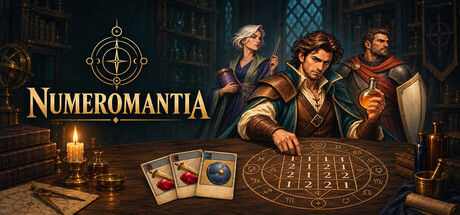
Pre-generated content only, nothing is generated while you play. All image motifs (130 modifier cards, 44 enemy portraits, 24 dice, 5 items, 7 set emblems, the title logo) were generated with Google's Gemini image model from written prompts and then hand-reduced to the game's palette and pixel size. Music: the fight track was generated with Suno, the title, boss and shop tracks with Eleven Music (ElevenLabs). Thirteen sound effects (boss entrance, curse, win, loss, dice shaking, dice landing, clicks, coins) were generated with ElevenLabs Sound Generation; all remaining sounds are synthesized in code. Rules, code, texts and translations were written by the developer, with AI assistance during development.
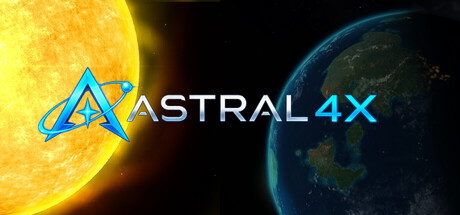
AstralX uses generative AI only for some 2D illustrative images, primarily certain biome visuals and depictions of some races/species. The game contains well over 1,000 such visual elements, which is why generative AI was used to assist with part of this 2D artwork.
Generative AI is not used for the game's simulation, mathematical calculations, gameplay rules, mechanics, or underlying systems. These elements were designed and developed manually by the developer. 3D content is also not generated using AI.
The music was composed manually and performed by a real pianist. The sound design was likewise created through traditional human production rather than generative AI.
No generative AI is used dynamically during gameplay.
Generative AI tools were used during development to create pre-generated content, including artwork and text for the game and its store materials. Content is prepared in advance. The game does not generate AI content during play or connect to an external AI service during gameplay.
This game was made with the help of generative AI tools, which were used for its art, music, sound, text and marketing materials. Nothing is generated by AI while you play.
Generative AI tools were used to assist with some visual assets and localization. All AI-assisted content was reviewed and edited by the development team before being included in the final game.
Generative AI was used during development to assist with programming and to create most of the game's visual assets. The player character artwork was created without generative AI.
The soundtrack was composed with Suno, and the sound effects and unit/announcer voice lines were generated with ElevenLabs; all were selected, edited and mixed by the developer. The title logo illustration was drafted with an AI image tool and finished by hand. The UI frame art is a licensed commercial kit (not AI). No AI content is generated while the game runs.
Generative AI was used during development to create pre-made content: concept and reference images, character sprites, textures and UI graphics (OpenAI image generation), the game logo (Google Gemini), some 3D model drafts (Tripo) and sound effects (ElevenLabs). All AI-generated material was selected, edited, modelled and integrated by the developer in Blender and Unity. The game does not generate any content with AI while you play and does not connect to AI services.
Some 3D character and prop models were generated with 3D AI Studio during development. Some player-facing text was drafted with AI assistance. All content is prepared in advance; no generative AI runs during gameplay.
Generative AI tools were used during development to assist with selected text content and localization. All AI-assisted content was reviewed and edited by the developer before inclusion. The game does not generate AI content during gameplay.
Part of the game's artwork - backgrounds, character illustrations, and CG images - was created with the assistance of generative AI tools, and some background music tracks and character voice lines were produced using AI music and AI speech generation services. All AI-assisted assets were reviewed and selected by the developer. The story, characters, and writing were authored by the developer. The game also includes an optional runtime AI dialogue feature that runs on a local model bundled with the game, fully offline; it generates short character replies only and cannot change the story or endings.
Generative AI tools were used throughout the development of this game to assist in the creation of visual assets, audio, and other content. All AI-generated outputs underwent extensive manual curation, review, and post-processing by our team.
This game contains content created with the assistance of AI tools. AI was used during development to assist with programming, visual assets, and other creative elements. All generated content was reviewed, edited, and integrated by the dev.
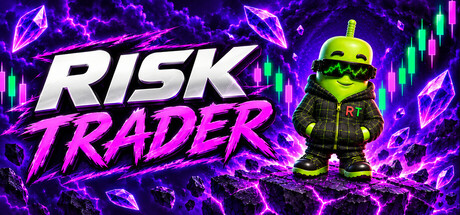
Generative AI tools were used during development, under our creative direction, to help create the game’s artwork, written content and marketing materials. AI tools also assisted with programming. This content was prepared before release. Risk Trader does not generate AI content during gameplay or connect to an external AI service; its in-game coach uses locally stored rules and messages.
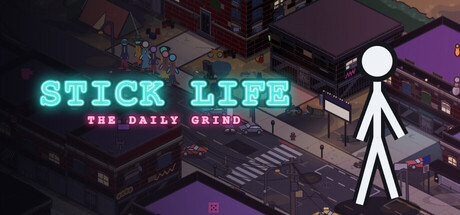
Stick Life is designed and directed by a solo developer. Some of the game's code, its in-game writing, the artwork the game draws, the achievement icons and parts of this store page were made with the help of generative AI tools, then played, reviewed and edited by the developer. Nothing is generated by AI while you play.
AI (Images v.2.5 by OpenAI: chatGPT v.5.6) was used to:
- generate the game logo;
- generate textures for physical materials (bricks, stones, etc.);
- generate backgrounds;
- generate diamonds, balls, stands, teleports;
- generate text labels;
This game does not use AI to live-generate content or code during gameplay.
All AI assets have undergone human post-processing.
Generative AI tools were used during development to help refine some of the game's content and development tasks. No content is generated by AI in real-time during gameplay.
Generative AI tools were used during development to assist with the creation of some visual assets, textures, and promotional artwork. All AI-assisted content was reviewed, selected, edited where appropriate, and integrated by the developer.
Generative AI tools assisted in creating some of Purrtaliation’s character artwork, textures, promotional images, story, dialogue, and original music, as well as portions of its code and procedural 3D models and animations. This content was created during development. The game does not use generative AI to create new content during gameplay or send player input to generative AI services.
Some art, music and the non-English translations were created with the help of AI tools during development, then edited by hand. Everything ships as static files; nothing is generated while you play.
This game uses AI tools in the following ways:
Music: Composed using Suno.
Code: Written and debugged with AI assistance.
Art: Created with AI assistance.
All AI-assisted content was reviewed, edited, and finalized by the developer.
Made by one person. Written, directed and built by me, with generative AI used as a supplementary tool for some of the game's assets, all of it reviewed and refined by hand.
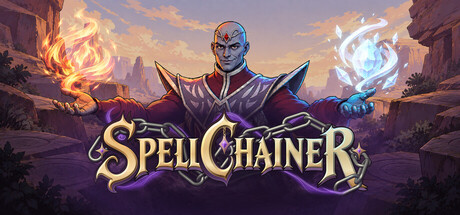
Spellchainer is made by a solo developer. I used generative AI sporadically to help fill gaps in artwork and textures, including selected in-game and marketing visuals. These assets were reviewed and edited before inclusion. No content is generated by AI during gameplay.
Generative AI tools were used during development to assist with artwork (item illustrations, backgrounds and UI art), audio, and localisation. All AI-assisted content is pre-generated and reviewed, edited and finished by the developer before it ships. Nothing is generated at runtime, and the game contains no AI features while you play.
During development, generative artificial intelligence tools were used to create some pre-rendered static images featured in the game and in the Store page materials (illustrations and promotional graphics).
All content was selected, reviewed and integrated manually by the developer.
The game does not use generative AI during gameplay and does not generate content in real time.
The game's icon and the promotional images were made with generative AI; the store page text and its translations were drafted with an AI assistant and checked by the developer. Nothing is generated by AI while you play.
Generative AI tools were used during development to assist with visual assets, music and programming. Generated outputs were reviewed, edited and integrated by the developer to fit the game’s design and creative direction.
Generative AI tools were used to help create some of our promotional artwork, such as the store capsule and key art. AI is used to develop intelligence of the enemy bot players in the arena. It was reviewed and selected by our team. No AI content is generated during gameplay.
SMASH & GRAB uses generative AI for pre-generated content that is reviewed and edited by the team before it ships. Card portraits and their collectible variants, the rival figures and props, the key art, and the store capsules were produced with image and 3D generation tools (Meshy, OpenArt) from our own prompts and references. Voice lines use synthetic voices from ElevenLabs; no real person's voice was cloned. The music beds were generated with ElevenLabs, and the store trailer was assembled from AI-generated clips (Kling via OpenArt). Card names, bios, and other in-game text were drafted with a large language model and edited by the team. Nothing is generated while you play: the game does not create content live.
Generative AI tools were used during development to create some artwork, music, text and translations, including promotional material. This content is prepared in advance. The game does not generate AI content or connect to AI services while you play.
Generative AI tools were used during development to assist in creating some visual assets, music, sound effects, and voice-over content. All AI-generated content was created and reviewed prior to its inclusion in the game. The game does not generate AI content during gameplay.
No major content was directly created with AI. No graphic assets (store page or in game) were created with AI. Only used to help with creating shaders, database scripts, animations, and some balancing/debugging.
Pre-generated content only, nothing is generated while you play. All image motifs (130 modifier cards, 44 enemy portraits, 24 dice, 5 items, 7 set emblems, the title logo) were generated with Google's Gemini image model from written prompts and then hand-reduced to the game's palette and pixel size. Music: the fight track was generated with Suno, the title, boss and shop tracks with Eleven Music (ElevenLabs). Thirteen sound effects (boss entrance, curse, win, loss, dice shaking, dice landing, clicks, coins) were generated with ElevenLabs Sound Generation; all remaining sounds are synthesized in code. Rules, code, texts and translations were written by the developer, with AI assistance during development.
AstralX uses generative AI only for some 2D illustrative images, primarily certain biome visuals and depictions of some races/species. The game contains well over 1,000 such visual elements, which is why generative AI was used to assist with part of this 2D artwork.
Generative AI is not used for the game's simulation, mathematical calculations, gameplay rules, mechanics, or underlying systems. These elements were designed and developed manually by the developer. 3D content is also not generated using AI.
The music was composed manually and performed by a real pianist. The sound design was likewise created through traditional human production rather than generative AI.
No generative AI is used dynamically during gameplay.
Generative AI tools were used during development to create pre-generated content, including artwork and text for the game and its store materials. Content is prepared in advance. The game does not generate AI content during play or connect to an external AI service during gameplay.
This game was made with the help of generative AI tools, which were used for its art, music, sound, text and marketing materials. Nothing is generated by AI while you play.
Generative AI tools were used to assist with some visual assets and localization. All AI-assisted content was reviewed and edited by the development team before being included in the final game.
Generative AI was used during development to assist with programming and to create most of the game's visual assets. The player character artwork was created without generative AI.
The soundtrack was composed with Suno, and the sound effects and unit/announcer voice lines were generated with ElevenLabs; all were selected, edited and mixed by the developer. The title logo illustration was drafted with an AI image tool and finished by hand. The UI frame art is a licensed commercial kit (not AI). No AI content is generated while the game runs.
Generative AI was used during development to create pre-made content: concept and reference images, character sprites, textures and UI graphics (OpenAI image generation), the game logo (Google Gemini), some 3D model drafts (Tripo) and sound effects (ElevenLabs). All AI-generated material was selected, edited, modelled and integrated by the developer in Blender and Unity. The game does not generate any content with AI while you play and does not connect to AI services.
Some 3D character and prop models were generated with 3D AI Studio during development. Some player-facing text was drafted with AI assistance. All content is prepared in advance; no generative AI runs during gameplay.
Generative AI tools were used during development to assist with selected text content and localization. All AI-assisted content was reviewed and edited by the developer before inclusion. The game does not generate AI content during gameplay.
Part of the game's artwork - backgrounds, character illustrations, and CG images - was created with the assistance of generative AI tools, and some background music tracks and character voice lines were produced using AI music and AI speech generation services. All AI-assisted assets were reviewed and selected by the developer. The story, characters, and writing were authored by the developer. The game also includes an optional runtime AI dialogue feature that runs on a local model bundled with the game, fully offline; it generates short character replies only and cannot change the story or endings.
Generative AI tools were used throughout the development of this game to assist in the creation of visual assets, audio, and other content. All AI-generated outputs underwent extensive manual curation, review, and post-processing by our team.
This game contains content created with the assistance of AI tools. AI was used during development to assist with programming, visual assets, and other creative elements. All generated content was reviewed, edited, and integrated by the dev.
Generative AI tools were used during development, under our creative direction, to help create the game’s artwork, written content and marketing materials. AI tools also assisted with programming. This content was prepared before release. Risk Trader does not generate AI content during gameplay or connect to an external AI service; its in-game coach uses locally stored rules and messages.
Stick Life is designed and directed by a solo developer. Some of the game's code, its in-game writing, the artwork the game draws, the achievement icons and parts of this store page were made with the help of generative AI tools, then played, reviewed and edited by the developer. Nothing is generated by AI while you play.
AI (Images v.2.5 by OpenAI: chatGPT v.5.6) was used to:
- generate the game logo;
- generate textures for physical materials (bricks, stones, etc.);
- generate backgrounds;
- generate diamonds, balls, stands, teleports;
- generate text labels;
This game does not use AI to live-generate content or code during gameplay.
All AI assets have undergone human post-processing.
Generative AI tools were used during development to help refine some of the game's content and development tasks. No content is generated by AI in real-time during gameplay.
Generative AI tools were used during development to assist with the creation of some visual assets, textures, and promotional artwork. All AI-assisted content was reviewed, selected, edited where appropriate, and integrated by the developer.
Generative AI tools assisted in creating some of Purrtaliation’s character artwork, textures, promotional images, story, dialogue, and original music, as well as portions of its code and procedural 3D models and animations. This content was created during development. The game does not use generative AI to create new content during gameplay or send player input to generative AI services.
Some art, music and the non-English translations were created with the help of AI tools during development, then edited by hand. Everything ships as static files; nothing is generated while you play.
This game uses AI tools in the following ways:
Music: Composed using Suno.
Code: Written and debugged with AI assistance.
Art: Created with AI assistance.
All AI-assisted content was reviewed, edited, and finalized by the developer.
Made by one person. Written, directed and built by me, with generative AI used as a supplementary tool for some of the game's assets, all of it reviewed and refined by hand.
Spellchainer is made by a solo developer. I used generative AI sporadically to help fill gaps in artwork and textures, including selected in-game and marketing visuals. These assets were reviewed and edited before inclusion. No content is generated by AI during gameplay.
Generative AI tools were used during development to assist with artwork (item illustrations, backgrounds and UI art), audio, and localisation. All AI-assisted content is pre-generated and reviewed, edited and finished by the developer before it ships. Nothing is generated at runtime, and the game contains no AI features while you play.
During development, generative artificial intelligence tools were used to create some pre-rendered static images featured in the game and in the Store page materials (illustrations and promotional graphics).
All content was selected, reviewed and integrated manually by the developer.
The game does not use generative AI during gameplay and does not generate content in real time.
The game's icon and the promotional images were made with generative AI; the store page text and its translations were drafted with an AI assistant and checked by the developer. Nothing is generated by AI while you play.
Generative AI tools were used during development to assist with visual assets, music and programming. Generated outputs were reviewed, edited and integrated by the developer to fit the game’s design and creative direction.
Generative AI tools were used to help create some of our promotional artwork, such as the store capsule and key art. AI is used to develop intelligence of the enemy bot players in the arena. It was reviewed and selected by our team. No AI content is generated during gameplay.
SMASH & GRAB uses generative AI for pre-generated content that is reviewed and edited by the team before it ships. Card portraits and their collectible variants, the rival figures and props, the key art, and the store capsules were produced with image and 3D generation tools (Meshy, OpenArt) from our own prompts and references. Voice lines use synthetic voices from ElevenLabs; no real person's voice was cloned. The music beds were generated with ElevenLabs, and the store trailer was assembled from AI-generated clips (Kling via OpenArt). Card names, bios, and other in-game text were drafted with a large language model and edited by the team. Nothing is generated while you play: the game does not create content live.
Generative AI tools were used during development to create some artwork, music, text and translations, including promotional material. This content is prepared in advance. The game does not generate AI content or connect to AI services while you play.
Generative AI tools were used during development to assist in creating some visual assets, music, sound effects, and voice-over content. All AI-generated content was created and reviewed prior to its inclusion in the game. The game does not generate AI content during gameplay.