Public Steam disclosure research25,514 disclosures tracked
Where do games disclose AI use?
Search developers’ Steam disclosures, compare classified AI use across
games, and follow recorded changes.
This index adds cross-game classifications and statistics to
statements published on individual store pages.
Groups reflect automatic analysis of public disclosures; mature records are excluded. These counts do not measure AI use across all of Steam.
Missing or unclear statements cannot establish whether a game uses AI.
Generative AI tools were used during development to create background music with Suno, application and shortcut icon artwork, and Steam store and library artwork. They were also used to assist with programming and player-facing text, including Steam store descriptions and localization. All included AI-assisted outputs were reviewed and approved by the developer before inclusion. The game does not use live-generated AI.
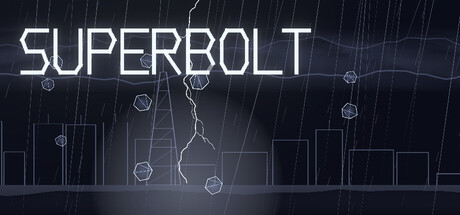
SUPERBOLT is built almost entirely from code: the lightning, the effects, the interface and the audio are generated by the game as it runs. Generative AI was used during production to help prepare some supporting artwork — background layers and achievement icons — and to draft some of the written text. Nothing is generated by AI while you play, and the game connects to no AI service.
Portions of the game's written content (event texts, character letters, narrative descriptions) and the English localization were created with the assistance of generative AI tools, under the developer's direction, with human review and editing of all content. Some artwork was created with AI image tools and manually edited. No content is generated by AI at runtime.
LIMP MODE is made by a solo developer who uses generative AI as a tool during production.
Where AI was used: the game's code, the cover artwork that all store page capsule images are built from, the songs played on the in-game radio, the spoken lines of one story character (text-to-speech), parts of the in-game visual and audio assets, and the drafting of the English store page and marketing texts. The player character's voice lines are recorded by the developer himself and are not AI-generated.
All game design, mechanics, balancing and creative direction come from the developer. Every AI-assisted result was reviewed and edited by the developer before it shipped.
The game does not generate any content while it is running and does not connect to any AI service during gameplay.
Parts of this game's development — including some code, scene layouts, texts and translations — were created with the assistance of generative AI tools under developer supervision. No content is generated by AI at runtime; everything was prepared in advance and reviewed by hand.
Generative AI was used during development to assist with programming and to help
produce some 3D models and logo artwork, all reviewed and integrated by the developer.
No AI runs while you play: the game is fully offline and generates no content at runtime.
Localizations other than Italian are AI-assisted, with human and community review ongoing during development. All game design, writing, and art direction are human-made.
Parts of the artwork (customer portraits, studio backgrounds, skin imagery, some tattoo motifs), the background music, and some store page images were created with generative AI tools and then edited and integrated by the developer. Game design, mechanics and game logic are the developer's own work. No content is generated while the game is running.
Some of the 3D models used for the table and room background in this game were created with the assistance of a generative AI (text-to-3D) tool, and were then adjusted and integrated by the developer. All other assets — including the dictionary data, UI artwork, sound, and all in-game text — were produced without generative AI. No content is generated by AI while you play.
At Dual Horizon Games, generative AI was one tool used during development as part of a broader creative process led by our team. No AI-generated content is created during gameplay.
Generative AI was used to assist in the creation of pre-rendered 2D assets, including the store page capsule art, library images, trailer assets, and in-game loading screens.
Some visual assets, branding exploration, and first-pass localization drafts were created or assisted with generative AI tools. All content is reviewed, edited, and integrated by the developer before being included in the game or store materials. The game does not generate AI content in real time during gameplay.
Generative AI was used during development to assist in creating some pre-generated 2D visual assets used in the game. All such content was generated and reviewed during development and is included as static game assets. No content is generated by AI during gameplay.
This game uses generative AI to create visual art assets (plants, scenery, animals, UI, etc.) during development. In-game, the cat companion's chat dialogue is generated in real time by a local AI model that runs entirely offline on the player's device; no player input is sent to any external service.
The images shown on the monster reveal screen after an egg is cracked, and the artwork used on the daily report screen, were created with generative AI.
I use AI to convert game screenshots into artwork for my store page, as well as my game splash screen. I create buttons with AI. I do not use AI inside of the gameplay itself.
This game uses pre-generated AI content. Some character art, key art, and Steam store graphics were created with generative AI image tools and then selected, cropped, and composited by the developer. English and Simplified Chinese text (in-game localization and store copy) was drafted with generative AI and then reviewed and edited. The game does not use live AI generation during gameplay.
Generative AI tools were used during development to create and assist with some pre-generated artwork, localization, and store/marketing assets. All AI-assisted content was reviewed and edited by the developer before inclusion in the final product. The game does not generate AI content during gameplay.
American Gold Rush uses limited AI-generated art in a small number of places, all of it pre-generated during development. No AI is used while you play, and nothing about the game changes at runtime.
AI-generated: the title artwork, some background pieces like the sky.
Not AI-generated: all pixel art, all sound effects, all music, all game code and all writing. These are human-made, by named people paid for the work.
Generative AI tools were used during development to assist with some pre-generated visual assets, written content, and development-related creative work. All AI-assisted content included in the final game and store materials is reviewed by the developer before release. The game does not generate AI content during gameplay and does not connect to external AI services while running.
Root Cause is utilizes AI assets in the game. This content, when utilized, is generated during development, then curated, edited, and committed to the project before release. Nothing is generated while the game is running.
Items that may be generated:
Illustrated art.
UI/Interfaces
Icon Sets
Sounds and Music
Dialogue, case briefings, case content, and interface copy
The visual art in Gearbound is made with PixelLab, an AI pixel-art tool. Every sprite, animation, tileset, background, prop, interface element and piece of marketing art was generated with PixelLab and then directed, edited and assembled by us.
The music and sound effects are rendered by synthesis scripts that were written with AI assistance. No generative audio model was used, and nothing was sourced from a music-generation service.
Nothing is generated by AI while you play. Every asset is finished and baked into the build before it ships, and the game makes no AI calls at runtime.
Generative AI was used to create in-game CCTV camera footage images and English voiceovers.
All AI-generated assets have been reviewed and edited to fit the game's atmosphere and quality standards.
Generative AI tools were used for localization assistance and for the creation or editing of certain promotional/marketing assets. The game itself does not contain AI-generated content, and no generative AI systems are used during gameplay.
Generative AI tools were used during development to create background music with Suno, application and shortcut icon artwork, and Steam store and library artwork. They were also used to assist with programming and player-facing text, including Steam store descriptions and localization. All included AI-assisted outputs were reviewed and approved by the developer before inclusion. The game does not use live-generated AI.
SUPERBOLT is built almost entirely from code: the lightning, the effects, the interface and the audio are generated by the game as it runs. Generative AI was used during production to help prepare some supporting artwork — background layers and achievement icons — and to draft some of the written text. Nothing is generated by AI while you play, and the game connects to no AI service.
Portions of the game's written content (event texts, character letters, narrative descriptions) and the English localization were created with the assistance of generative AI tools, under the developer's direction, with human review and editing of all content. Some artwork was created with AI image tools and manually edited. No content is generated by AI at runtime.
LIMP MODE is made by a solo developer who uses generative AI as a tool during production.
Where AI was used: the game's code, the cover artwork that all store page capsule images are built from, the songs played on the in-game radio, the spoken lines of one story character (text-to-speech), parts of the in-game visual and audio assets, and the drafting of the English store page and marketing texts. The player character's voice lines are recorded by the developer himself and are not AI-generated.
All game design, mechanics, balancing and creative direction come from the developer. Every AI-assisted result was reviewed and edited by the developer before it shipped.
The game does not generate any content while it is running and does not connect to any AI service during gameplay.
Parts of this game's development — including some code, scene layouts, texts and translations — were created with the assistance of generative AI tools under developer supervision. No content is generated by AI at runtime; everything was prepared in advance and reviewed by hand.
Generative AI was used during development to assist with programming and to help
produce some 3D models and logo artwork, all reviewed and integrated by the developer.
No AI runs while you play: the game is fully offline and generates no content at runtime.
Localizations other than Italian are AI-assisted, with human and community review ongoing during development. All game design, writing, and art direction are human-made.
Parts of the artwork (customer portraits, studio backgrounds, skin imagery, some tattoo motifs), the background music, and some store page images were created with generative AI tools and then edited and integrated by the developer. Game design, mechanics and game logic are the developer's own work. No content is generated while the game is running.
Some of the 3D models used for the table and room background in this game were created with the assistance of a generative AI (text-to-3D) tool, and were then adjusted and integrated by the developer. All other assets — including the dictionary data, UI artwork, sound, and all in-game text — were produced without generative AI. No content is generated by AI while you play.
At Dual Horizon Games, generative AI was one tool used during development as part of a broader creative process led by our team. No AI-generated content is created during gameplay.
Generative AI was used to assist in the creation of pre-rendered 2D assets, including the store page capsule art, library images, trailer assets, and in-game loading screens.
Some visual assets, branding exploration, and first-pass localization drafts were created or assisted with generative AI tools. All content is reviewed, edited, and integrated by the developer before being included in the game or store materials. The game does not generate AI content in real time during gameplay.
Generative AI was used during development to assist in creating some pre-generated 2D visual assets used in the game. All such content was generated and reviewed during development and is included as static game assets. No content is generated by AI during gameplay.
This game uses generative AI to create visual art assets (plants, scenery, animals, UI, etc.) during development. In-game, the cat companion's chat dialogue is generated in real time by a local AI model that runs entirely offline on the player's device; no player input is sent to any external service.
The images shown on the monster reveal screen after an egg is cracked, and the artwork used on the daily report screen, were created with generative AI.
I use AI to convert game screenshots into artwork for my store page, as well as my game splash screen. I create buttons with AI. I do not use AI inside of the gameplay itself.
This game uses pre-generated AI content. Some character art, key art, and Steam store graphics were created with generative AI image tools and then selected, cropped, and composited by the developer. English and Simplified Chinese text (in-game localization and store copy) was drafted with generative AI and then reviewed and edited. The game does not use live AI generation during gameplay.
Generative AI tools were used during development to create and assist with some pre-generated artwork, localization, and store/marketing assets. All AI-assisted content was reviewed and edited by the developer before inclusion in the final product. The game does not generate AI content during gameplay.
American Gold Rush uses limited AI-generated art in a small number of places, all of it pre-generated during development. No AI is used while you play, and nothing about the game changes at runtime.
AI-generated: the title artwork, some background pieces like the sky.
Not AI-generated: all pixel art, all sound effects, all music, all game code and all writing. These are human-made, by named people paid for the work.
Generative AI tools were used during development to assist with some pre-generated visual assets, written content, and development-related creative work. All AI-assisted content included in the final game and store materials is reviewed by the developer before release. The game does not generate AI content during gameplay and does not connect to external AI services while running.
Root Cause is utilizes AI assets in the game. This content, when utilized, is generated during development, then curated, edited, and committed to the project before release. Nothing is generated while the game is running.
Items that may be generated:
Illustrated art.
UI/Interfaces
Icon Sets
Sounds and Music
Dialogue, case briefings, case content, and interface copy
The visual art in Gearbound is made with PixelLab, an AI pixel-art tool. Every sprite, animation, tileset, background, prop, interface element and piece of marketing art was generated with PixelLab and then directed, edited and assembled by us.
The music and sound effects are rendered by synthesis scripts that were written with AI assistance. No generative audio model was used, and nothing was sourced from a music-generation service.
Nothing is generated by AI while you play. Every asset is finished and baked into the build before it ships, and the game makes no AI calls at runtime.
Generative AI was used to create in-game CCTV camera footage images and English voiceovers.
All AI-generated assets have been reviewed and edited to fit the game's atmosphere and quality standards.
Generative AI tools were used for localization assistance and for the creation or editing of certain promotional/marketing assets. The game itself does not contain AI-generated content, and no generative AI systems are used during gameplay.