Public Steam disclosure research25,508 disclosures tracked
Where do games disclose AI use?
Search developers’ Steam disclosures, compare classified AI use across
games, and follow recorded changes.
This index adds cross-game classifications and statistics to
statements published on individual store pages.
Groups reflect automatic analysis of public disclosures; mature records are excluded. These counts do not measure AI use across all of Steam.
Missing or unclear statements cannot establish whether a game uses AI.
Some assets used on the store page (including promotional images and background art) were created with the assistance of generative AI tools. All AI-generated materials have been reviewed and edited by our team to meet quality and content standards.
Some visual elements in this game, such as textures and illustrations, were partially generated or enhanced using artificial intelligence tools, and then manually refined and integrated by the development team.
Generative AI tools were used to assist in the creation of certain promotional images, store page artwork and trailer visuals. All gameplay systems, game design decisions, implementation and final game content were created, reviewed and integrated by the developer.
The art and music assets in this game were created with the assistance of generative AI technology.
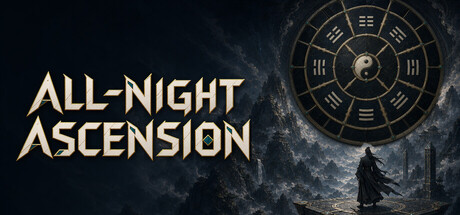
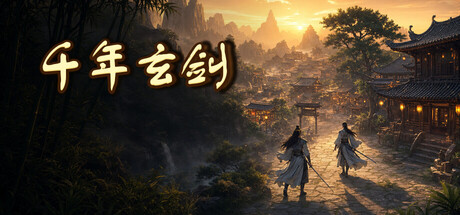
As a registered architect in my day job, I am used to using tools like CAD to aid my designs. In game development, AI plays the exact same role—it is a tool, but the soul of the design comes from the human creator. I do not allow any rough, unpolished assets into my game. Therefore, all AI-generated content has gone through my strict "manual inspection": rigorous prompt tuning, meticulous manual overpainting, and audio trimming. I carefully polish every visual and auditory "brick" to build the perfect cultivation world, pouring my true craftsmanship entirely into the core "Eight Trigrams Array" deck-building experience.
The game uses generative AI solely for the creation of certain visual and text assets.
AI does not affect gameplay, player behavior, or core game mechanics.
The game contains in-game narrative and dialogue text that was created with the assistance of generative AI and then reviewed by the developer. All artwork and music are human-created.
AI tools were used during development to assist with writing and improving the game’s C# code. All AI-assisted code was reviewed, manually adjusted, and fully tested by the developer. No AI is used during gameplay, and no AI-generated assets (such as images or sounds) are included in the final game
I use AI to summarize documentation, criticize my code, and help me make sense of error messages.
Sometimes I feel discouraged and I ask AI to write stuff for me. Seeing the garbage it produces makes me feel better, and encourages me to try again :)
We are very sorry. We have used AI assistance in the development of our code and some art assets. If any of our players feel uncomfortable with this, we fully understand.
Some background images were expanded to fit higher resolutions with the assistance of generative AI tools.
All core content and gameplay experiences were designed and created by the developer.
The developers describe how their game uses AI Generated Content like this:
During the development process, I may use procedural- and AI-based tools to assist with content creation. In all such cases, the final product reflects the creativity and expression of myself.
Some visual assets, promotional images, and store page materials may include AI-assisted generated elements that were further edited and refined by the development team. AI is not used to generate gameplay, player interactions, or real-time in-game content.
Some visual assets used in Runemoria – Blades of Memory were created with the assistance of generative AI tools and have been modified, curated, and integrated as part of the game’s development process. AI-generated content is limited to pre-rendered visual assets and does not generate gameplay content during play.
The development of Eldara incorporated AI-generated content. Specifically, AI image generation tools were used to create certain in-game visual assets, including monster portraits, pet illustrations, item icons, and character artwork.
All AI-generated assets were manually reviewed, curated, and integrated by the developer before inclusion in the final product. No real-world copyrighted artwork was intentionally used as input to the AI generation process.
No AI is used live during gameplay — all assets are pre-generated and shipped with the game. There is no live AI generation, AI dialogue, or AI-driven content while playing.
This game uses the DeepSeek AI model to generate character dialogue in real time. Based on player input, the AI responds according to preset character personalities, creating an immersive role-playing experience. All generated content is filtered through a content moderation system to prevent inappropriate or policy-violating outputs.
API and Billing Notice:
To use this feature, you need to register a DeepSeek account and add API credits at: https://platform.deepseek.com/usage
The AI service costs are charged directly by DeepSeek. The game developer does not collect any API fees.
Some UI icons, character and creature sprites, and other in-game graphics in Submission Saga were created with the assistance of generative AI image tools (including Pixellab.ai), and portions of the store page text were drafted with AI writing assistance. Portions of the game's source code were also written with the assistance of an AI coding assistant. All AI-generated content was reviewed, edited, and curated by the developer before inclusion. No AI is used to generate content live during gameplay.
Translations and text content are AI-generated. Some of the UI and game backgrounds are AI generated with manual post-processing. Some of the VFX for the animations are AI generated with post-processing.
The main theme song for Escape From Planet Pan features lyrics by Nob Studio and was composed using Suno AI.
All other assets were created traditionally.
Generative AI was used only during production for early concept exploration and the creation of some promotional asset drafts. The game does not use generative AI during gameplay. All core in-game assets were manually reviewed, edited, and reworked by human artists.
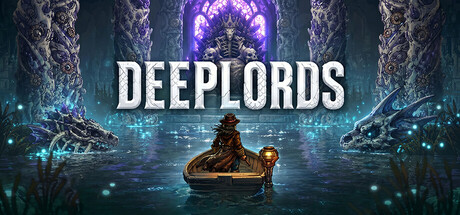
The static pixel art images of the creatures (Deeplords) and environmental elements were pre-generated using AI tools and subsequently animated with another AI tool based on the developer's specific directions. Leveraging 10 years of professional 3D modeling experience, these assets were then integrated as textures and sprites inside complex 3D environments and dioramas modeled manually by the developer in Blender and structured in Unity. The game's Unity C# scripts were pre-generated using AI co-pilot tools based on the precise gameplay logic requested by the developer, followed by extensive manual debugging, correction, and multi-turn optimization cycles. Lastly, the soundtrack and audio elements were pre-generated using AI tools based on specific genre and stylistic vibes provided by the developer, then manually reviewed and refined to perfectly fit the dark atmosphere of the individual biomes.
Some store-page and marketing visual assets may be created or assisted with generative AI. The game itself does not generate AI content during gameplay.
There's a local Large Language Model that integrates with the game's systems and is used primarily for but not limited to dialogue generation.
Several other uses are planned, including localization.
AI has been used for coding and in a limited capacity for creating placeholder assets that will be replaced at a later date.
This game uses generative artificial intelligence (AI) to create some of its visual art assets. Certain in-game images and illustrations were partially generated with the assistance of AI-based painting tools.
Some assets used on the store page (including promotional images and background art) were created with the assistance of generative AI tools. All AI-generated materials have been reviewed and edited by our team to meet quality and content standards.
Some visual elements in this game, such as textures and illustrations, were partially generated or enhanced using artificial intelligence tools, and then manually refined and integrated by the development team.
Generative AI tools were used to assist in the creation of certain promotional images, store page artwork and trailer visuals. All gameplay systems, game design decisions, implementation and final game content were created, reviewed and integrated by the developer.
The art and music assets in this game were created with the assistance of generative AI technology.
As a registered architect in my day job, I am used to using tools like CAD to aid my designs. In game development, AI plays the exact same role—it is a tool, but the soul of the design comes from the human creator. I do not allow any rough, unpolished assets into my game. Therefore, all AI-generated content has gone through my strict "manual inspection": rigorous prompt tuning, meticulous manual overpainting, and audio trimming. I carefully polish every visual and auditory "brick" to build the perfect cultivation world, pouring my true craftsmanship entirely into the core "Eight Trigrams Array" deck-building experience.
The game uses generative AI solely for the creation of certain visual and text assets.
AI does not affect gameplay, player behavior, or core game mechanics.
The game contains in-game narrative and dialogue text that was created with the assistance of generative AI and then reviewed by the developer. All artwork and music are human-created.
AI tools were used during development to assist with writing and improving the game’s C# code. All AI-assisted code was reviewed, manually adjusted, and fully tested by the developer. No AI is used during gameplay, and no AI-generated assets (such as images or sounds) are included in the final game
I use AI to summarize documentation, criticize my code, and help me make sense of error messages.
Sometimes I feel discouraged and I ask AI to write stuff for me. Seeing the garbage it produces makes me feel better, and encourages me to try again :)
We are very sorry. We have used AI assistance in the development of our code and some art assets. If any of our players feel uncomfortable with this, we fully understand.
Some background images were expanded to fit higher resolutions with the assistance of generative AI tools.
All core content and gameplay experiences were designed and created by the developer.
The developers describe how their game uses AI Generated Content like this:
During the development process, I may use procedural- and AI-based tools to assist with content creation. In all such cases, the final product reflects the creativity and expression of myself.
Some visual assets, promotional images, and store page materials may include AI-assisted generated elements that were further edited and refined by the development team. AI is not used to generate gameplay, player interactions, or real-time in-game content.
Some visual assets used in Runemoria – Blades of Memory were created with the assistance of generative AI tools and have been modified, curated, and integrated as part of the game’s development process. AI-generated content is limited to pre-rendered visual assets and does not generate gameplay content during play.
The development of Eldara incorporated AI-generated content. Specifically, AI image generation tools were used to create certain in-game visual assets, including monster portraits, pet illustrations, item icons, and character artwork.
All AI-generated assets were manually reviewed, curated, and integrated by the developer before inclusion in the final product. No real-world copyrighted artwork was intentionally used as input to the AI generation process.
No AI is used live during gameplay — all assets are pre-generated and shipped with the game. There is no live AI generation, AI dialogue, or AI-driven content while playing.
This game uses the DeepSeek AI model to generate character dialogue in real time. Based on player input, the AI responds according to preset character personalities, creating an immersive role-playing experience. All generated content is filtered through a content moderation system to prevent inappropriate or policy-violating outputs.
API and Billing Notice:
To use this feature, you need to register a DeepSeek account and add API credits at: https://platform.deepseek.com/usage
The AI service costs are charged directly by DeepSeek. The game developer does not collect any API fees.
Some UI icons, character and creature sprites, and other in-game graphics in Submission Saga were created with the assistance of generative AI image tools (including Pixellab.ai), and portions of the store page text were drafted with AI writing assistance. Portions of the game's source code were also written with the assistance of an AI coding assistant. All AI-generated content was reviewed, edited, and curated by the developer before inclusion. No AI is used to generate content live during gameplay.
Translations and text content are AI-generated. Some of the UI and game backgrounds are AI generated with manual post-processing. Some of the VFX for the animations are AI generated with post-processing.
The main theme song for Escape From Planet Pan features lyrics by Nob Studio and was composed using Suno AI.
All other assets were created traditionally.
Generative AI was used only during production for early concept exploration and the creation of some promotional asset drafts. The game does not use generative AI during gameplay. All core in-game assets were manually reviewed, edited, and reworked by human artists.
The static pixel art images of the creatures (Deeplords) and environmental elements were pre-generated using AI tools and subsequently animated with another AI tool based on the developer's specific directions. Leveraging 10 years of professional 3D modeling experience, these assets were then integrated as textures and sprites inside complex 3D environments and dioramas modeled manually by the developer in Blender and structured in Unity. The game's Unity C# scripts were pre-generated using AI co-pilot tools based on the precise gameplay logic requested by the developer, followed by extensive manual debugging, correction, and multi-turn optimization cycles. Lastly, the soundtrack and audio elements were pre-generated using AI tools based on specific genre and stylistic vibes provided by the developer, then manually reviewed and refined to perfectly fit the dark atmosphere of the individual biomes.
Some store-page and marketing visual assets may be created or assisted with generative AI. The game itself does not generate AI content during gameplay.
There's a local Large Language Model that integrates with the game's systems and is used primarily for but not limited to dialogue generation.
Several other uses are planned, including localization.
AI has been used for coding and in a limited capacity for creating placeholder assets that will be replaced at a later date.
This game uses generative artificial intelligence (AI) to create some of its visual art assets. Certain in-game images and illustrations were partially generated with the assistance of AI-based painting tools.