Public Steam disclosure research25,508 disclosures tracked
Where do games disclose AI use?
Search developers’ Steam disclosures, compare classified AI use across
games, and follow recorded changes.
This index adds cross-game classifications and statistics to
statements published on individual store pages.
Groups reflect automatic analysis of public disclosures; mature records are excluded. These counts do not measure AI use across all of Steam.
Missing or unclear statements cannot establish whether a game uses AI.
This game used generative AI tools during development: some art assets were generated with generative AI and then reviewed/curated (and adjusted when needed) by the developer; coding and refactoring were assisted by GPT-5.2, with all changes reviewed and finalized by the developer. The game does not include any in-game generative AI features for players at runtime.
This game uses generative AI to assist with parts of the asset creation process, including store/promotional images, background music assets, initial drafts/variations of the game logo, and the generation or AI-assisted creation of some in-game material textures. All such content is reviewed, curated, edited, and integrated by the developer before being used in the game.
During development, some portions of the game's code were created, corrected, or refined with the assistance of AI tools. Aside from this limited development support, the game itself does not contain AI-generated content and does not include any runtime AI features. Players do not interact with AI systems during gameplay, and no player input is sent to AI for processing or generation.
This game uses generative AI in the following ways:
• Music: Background music and audio tracks were created with AI music generation tools
• Images: Some promotional images and visual assets were created or enhanced with AI image generation
• Text: Portions of in-game text, descriptions, and dialogue were written or refined with AI assistance
All AI-generated content has been reviewed and edited by the development team to ensure quality and alignment with the game's vision. The core gameplay, puzzle design, and mechanics are human-created.
This game uses generative AI during development to assist with concept art, creature design, and prototyping. All AI-generated content is reviewed, edited, and finalized by the developer. No AI is used for real-time gameplay or player interaction.
Generative AI was used only as a support tool during development to help create some 2D art assets. No AI-generated content is created during gameplay, and the game does not use any third-party AI services at runtime.
AI coding assistants were used during development to help write and debug game code. All game content — visuals, audio, color palettes, recipes, and gameplay mechanics — is procedurally generated by the game's own algorithms, not by generative AI.
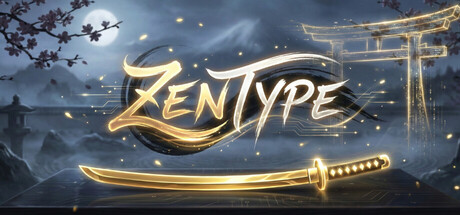
A small selection (approx. 15-20%) of the environmental wallpapers were AI-assisted to provide visual variety, while the majority of the 30+ artworks and the core 'Dojo' aesthetic are custom-designed. AI was also used to help master and refine the lofi soundtrack and assist with initial marketing drafts.
Some of the image materials in this game are generated using AI, and the code is debugged with AI assistance. There is no real-time AI content and no infringement behavior.
Some graphical assets and sounds were created using generative AI tools during development. These were manually refined to ensure quality and unique identity.
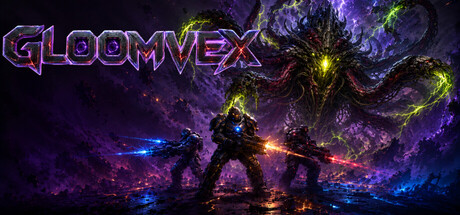
Gloomvex was developed with the help of generative AI tools during production, including assistance with programming, text drafting, and the creation/iteration of certain visual assets. Localizations/translation drafts were also AI-assisted. All AI-assisted outputs are reviewed, edited, and finalized by the developer. The game does not use generative AI at runtime.
All assets in this game were created by me, except for the background music, which is currently generated with the help of AI. The music will also be fully composed by me before release, so please stay tuned!
This game uses generative AI tools during development for limited content assistance, such as text drafting and creative reference.
All core gameplay systems, level design, mechanics, and implementation were created and designed by the developer.
No AI-generated content is dynamically created during gameplay.
Level backgrounds and logo were created using generative AI. Icons, character sprites, and music were purchased from an artist on Itch.io - if you or someone you know is able to create pixel art backgrounds that align with the game design - please reach out as I am happy to pay for their services.
AI-Generated Content
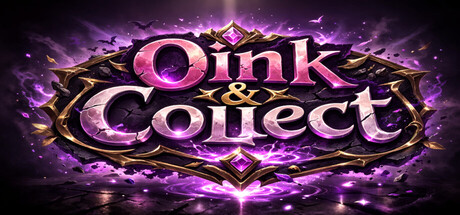
Some of the visual content in Oink & Collect was created with the assistance of AI tools.
This includes individual card artwork, booster pack illustrations, and in-game graphical elements.
All AI-generated content has been reviewed, adjusted, and curated by the developer to ensure style, quality, and consistency within the game.
No AI systems are used to generate player-generated content, and no dynamic AI content creation occurs during gameplay.
Some store page artwork and localization/translations were created with the assistance of AI tools. All core game content, including gameplay code, character artwork, and audio, was created without generative AI.
AI was used in the application to create illustrations, voiceovers, translations, and musical accompaniment. All materials have been manually reviewed and refined to ensure the quality and integrity of the application.
Some of the images in this game, especially the artwork, were created using AI tools as a visual supplement.
This creative choice allowed me to focus more time and resources on what matters most, delivering longer, more engaging, and fun gameplay.
AI generative models were used to create localization files to support languages that would otherwise be difficult for a solo developer. Placeholder AI-generated assets have been created for the Steam store splash images, with the intent of commissioning an artist if this gains community support. All in-game assets (sprites, music, sound effects, UI elements, and interactive content) were created by humans and are credited in the game credits. CPU opponents use traditional game AI algorithms, not generative AI models.
This is the third iteration of development, that was originally developed in 2019 with HTML + JS, then rebuilt in Unity, and then transferred to LOVE2D written in Lua. It was more-or-less built with a box of scraps in a cave in its first iterations, and modern software since those days have effectively blurred the line where task automation meets unethical AI consumption.
It's up to each of us to determine where that line is for ourselves in a rapidly changing digital age. As both a solo game dev and multimedia artist carrying a full-time job in neither of those fields, I feel that it's important to be educating ourselves on where AI can be a useful tool to allow new opportunities and expand capabilities for independent creators that are otherwise untenable, while keeping the human side of game dev at its core, especially in the indie genre.
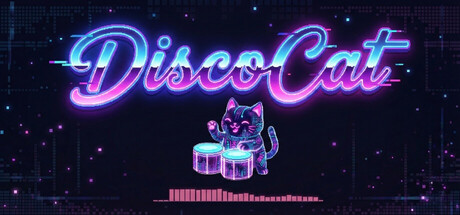
Generative AI was used during the development process to assist in creating 2D visual assets, including the character art (the cyber cat) and promotional imagery. These assets were pre-generated and are included as static files within the application.
AI was used to assist with writing/editing text (I’m a non-native English speaker), as well as for calculations and development troubleshooting. No AI-generated art, audio, or in-game writing is included in the game, and the game does not generate AI content during gameplay.
This title uses generative AI tools to assist in the creation of some written content and visual assets. All AI-assisted content is curated, edited, and finalized by the developer, and no AI-generated content is created dynamically during gameplay.
Generative AI was used to create the store page capsule images and marketing banners. All in-game vector graphics and code were created manually by the developer.
Neofold includes real-time generated AI content, such as its recommended "Infinity Mode", which uses a local diffusion model to generate infinite unique creatures in real-time using your GPU. No external servers are used. No generation happens without your prior input, ensuring stable performance during your work and gaming sessions.
Neofold includes pre-generated AI content, such as its alternate "Lite Mode", which uses a giant set of pre-generated creatures for players without a suitable video card.
We created some images in the game using AI, but most of them are handmade. The game cover has been enhanced with AI.
Some sound effects were created using AI.
This game used generative AI tools during development: some art assets were generated with generative AI and then reviewed/curated (and adjusted when needed) by the developer; coding and refactoring were assisted by GPT-5.2, with all changes reviewed and finalized by the developer. The game does not include any in-game generative AI features for players at runtime.
This game uses generative AI to assist with parts of the asset creation process, including store/promotional images, background music assets, initial drafts/variations of the game logo, and the generation or AI-assisted creation of some in-game material textures. All such content is reviewed, curated, edited, and integrated by the developer before being used in the game.
During development, some portions of the game's code were created, corrected, or refined with the assistance of AI tools. Aside from this limited development support, the game itself does not contain AI-generated content and does not include any runtime AI features. Players do not interact with AI systems during gameplay, and no player input is sent to AI for processing or generation.
This game uses generative AI in the following ways:
• Music: Background music and audio tracks were created with AI music generation tools
• Images: Some promotional images and visual assets were created or enhanced with AI image generation
• Text: Portions of in-game text, descriptions, and dialogue were written or refined with AI assistance
All AI-generated content has been reviewed and edited by the development team to ensure quality and alignment with the game's vision. The core gameplay, puzzle design, and mechanics are human-created.
This game uses generative AI during development to assist with concept art, creature design, and prototyping. All AI-generated content is reviewed, edited, and finalized by the developer. No AI is used for real-time gameplay or player interaction.
Generative AI was used only as a support tool during development to help create some 2D art assets. No AI-generated content is created during gameplay, and the game does not use any third-party AI services at runtime.
AI coding assistants were used during development to help write and debug game code. All game content — visuals, audio, color palettes, recipes, and gameplay mechanics — is procedurally generated by the game's own algorithms, not by generative AI.
A small selection (approx. 15-20%) of the environmental wallpapers were AI-assisted to provide visual variety, while the majority of the 30+ artworks and the core 'Dojo' aesthetic are custom-designed. AI was also used to help master and refine the lofi soundtrack and assist with initial marketing drafts.
Some of the image materials in this game are generated using AI, and the code is debugged with AI assistance. There is no real-time AI content and no infringement behavior.
Some graphical assets and sounds were created using generative AI tools during development. These were manually refined to ensure quality and unique identity.
Gloomvex was developed with the help of generative AI tools during production, including assistance with programming, text drafting, and the creation/iteration of certain visual assets. Localizations/translation drafts were also AI-assisted. All AI-assisted outputs are reviewed, edited, and finalized by the developer. The game does not use generative AI at runtime.
All assets in this game were created by me, except for the background music, which is currently generated with the help of AI. The music will also be fully composed by me before release, so please stay tuned!
This game uses generative AI tools during development for limited content assistance, such as text drafting and creative reference.
All core gameplay systems, level design, mechanics, and implementation were created and designed by the developer.
No AI-generated content is dynamically created during gameplay.
Level backgrounds and logo were created using generative AI. Icons, character sprites, and music were purchased from an artist on Itch.io - if you or someone you know is able to create pixel art backgrounds that align with the game design - please reach out as I am happy to pay for their services.
AI-Generated Content
Some of the visual content in Oink & Collect was created with the assistance of AI tools.
This includes individual card artwork, booster pack illustrations, and in-game graphical elements.
All AI-generated content has been reviewed, adjusted, and curated by the developer to ensure style, quality, and consistency within the game.
No AI systems are used to generate player-generated content, and no dynamic AI content creation occurs during gameplay.
Some store page artwork and localization/translations were created with the assistance of AI tools. All core game content, including gameplay code, character artwork, and audio, was created without generative AI.
AI was used in the application to create illustrations, voiceovers, translations, and musical accompaniment. All materials have been manually reviewed and refined to ensure the quality and integrity of the application.
Some of the images in this game, especially the artwork, were created using AI tools as a visual supplement.
This creative choice allowed me to focus more time and resources on what matters most, delivering longer, more engaging, and fun gameplay.
AI generative models were used to create localization files to support languages that would otherwise be difficult for a solo developer. Placeholder AI-generated assets have been created for the Steam store splash images, with the intent of commissioning an artist if this gains community support. All in-game assets (sprites, music, sound effects, UI elements, and interactive content) were created by humans and are credited in the game credits. CPU opponents use traditional game AI algorithms, not generative AI models.
This is the third iteration of development, that was originally developed in 2019 with HTML + JS, then rebuilt in Unity, and then transferred to LOVE2D written in Lua. It was more-or-less built with a box of scraps in a cave in its first iterations, and modern software since those days have effectively blurred the line where task automation meets unethical AI consumption.
It's up to each of us to determine where that line is for ourselves in a rapidly changing digital age. As both a solo game dev and multimedia artist carrying a full-time job in neither of those fields, I feel that it's important to be educating ourselves on where AI can be a useful tool to allow new opportunities and expand capabilities for independent creators that are otherwise untenable, while keeping the human side of game dev at its core, especially in the indie genre.
Generative AI was used during the development process to assist in creating 2D visual assets, including the character art (the cyber cat) and promotional imagery. These assets were pre-generated and are included as static files within the application.
AI was used to assist with writing/editing text (I’m a non-native English speaker), as well as for calculations and development troubleshooting. No AI-generated art, audio, or in-game writing is included in the game, and the game does not generate AI content during gameplay.
This title uses generative AI tools to assist in the creation of some written content and visual assets. All AI-assisted content is curated, edited, and finalized by the developer, and no AI-generated content is created dynamically during gameplay.
Generative AI was used to create the store page capsule images and marketing banners. All in-game vector graphics and code were created manually by the developer.
Neofold includes real-time generated AI content, such as its recommended "Infinity Mode", which uses a local diffusion model to generate infinite unique creatures in real-time using your GPU. No external servers are used. No generation happens without your prior input, ensuring stable performance during your work and gaming sessions.
Neofold includes pre-generated AI content, such as its alternate "Lite Mode", which uses a giant set of pre-generated creatures for players without a suitable video card.
We created some images in the game using AI, but most of them are handmade. The game cover has been enhanced with AI.
Some sound effects were created using AI.