Public Steam disclosure research25,376 disclosures tracked
Where do games disclose AI use?
Search developers’ Steam disclosures, compare classified AI use across
games, and follow recorded changes.
This index adds cross-game classifications and statistics to
statements published on individual store pages.
Groups reflect automatic analysis of public disclosures; mature records are excluded. These counts do not measure AI use across all of Steam.
Missing or unclear statements cannot establish whether a game uses AI.
Airtaxi Coach is an AI trained game character called Diana that is trained on the latest flight manuals, as well as the latest industry knowledge on airtaxis, flying cars and the future of mobility. You can ask her any question about the game Metapilot or flight in general, and she will help you navigate the game as well as help you to earn tokens in the game and earn cool perks! Metapilot perks include invited to events, tokens you can spend on our website, and even the chance to get training to become a real airtaxi pilot!
Localisation Text for certain language options in the game were generated using the shear power of AI models to produce, no doubt, horrible/humourous/confusing results.
This is Temporary!, with updates coming in the future, If anyone wishes to provide translations/corrections, please do get in contact :)
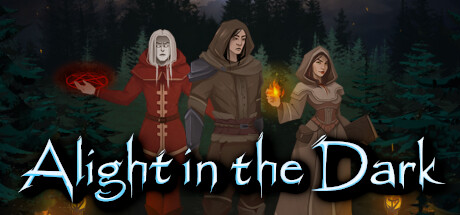
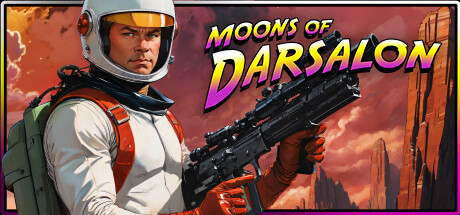
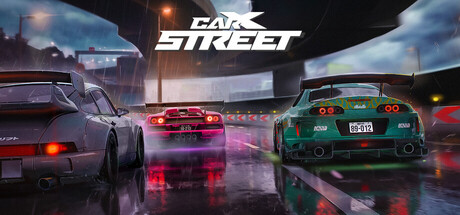
The package image of this game was created using multiple AI tools.
Part of the background image and background character: Created using Stable Diffusion and provided under the CreativeML Open RAIL-M license.
Part of the logo design: Created by Sonic-Alpha using OpenAI's generative AI, "ChatGPT," under the paid "ChatGPT Plus" plan.
No AI-generated elements are included in the main game or in-game content.
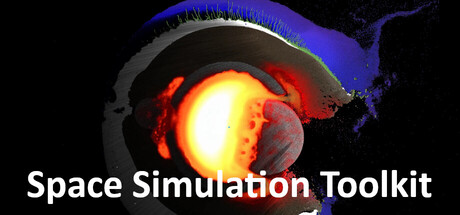
As a solo dev, I use custom-trained AI tools for a small portion of the visuals/audio, based on assets I own or created. The vast majority of my development effort goes into the realistic rocket simulation and engineering systems.
The headers for the page are made using GrokAI
as well as some of the icons and parts of the code has guidance of AI too
All of the AI generated images have been modified in big ways and due to US laws all rights are still reserved for them especially since the AI code is extremely modified and only used as a guide not as a way to slack off
Some visual assets, such as trading card artwork, were created with the assistance of generative AI tools and then reviewed and finalized by the developer. The AI-generated images were used as a base for the final artwork included in the game’s Steam trading cards.
The game includes several textures that were initially generated using AI and subsequently refined through manual editing.
There aren't many such objects in the game.
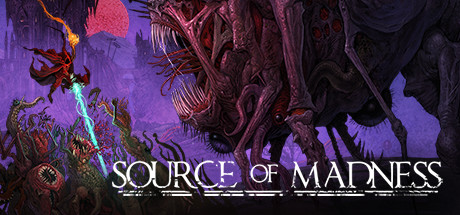
In Source of Madness, AI shapes the player experience by procedurally generating the Loam Lands, its monsters, and environments. Each encounter is unique, with neural-network-driven animations and behavior, ensuring that exploration, combat, and loot are always unpredictable and tailored to the player’s journey.
Generative AI was used to generate images for Store Capsule Assets and Library Capsule, Header, and Hero Assets. The game screenshots and gameplay footage (trailer) were not generated by AI and are unaffected by any AI.
Using LLM Code Agent for indie development speed up (no "VIBE CODING", it's originally human made project in 2012-2025, author starts using LLM as smart assistant code edit tool since December 2025)
During development, we may use AI tools to assist with character voice-overs and certain illustrations. In all such cases, AI-generated materials are treated as draft content: our team selects, edits, and combines them before approving the end result. The final product is made under the full creative control of our developers and artists and reflects their artistic vision.
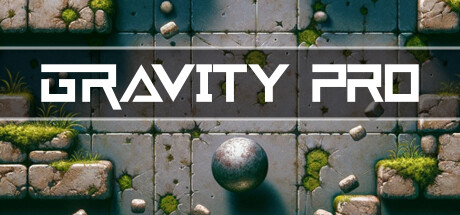
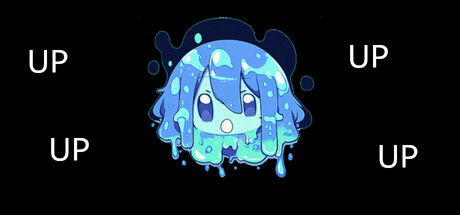
This game has used AI to partially create the following art assets:
Slime character, Chain, Ball, Slime picture from the menu's and the slime imagery on steam.
All AI content is placeholder assets until the full release. This includes: Spoken dialog (rendered via Eleven Labs), and some story-related images (generated with Midjourney). The vocals will be recorded by voice actors once the script is completely finalized, and any art will be redone by human artists before the 1.0 release.
Airtaxi Coach is an AI trained game character called Diana that is trained on the latest flight manuals, as well as the latest industry knowledge on airtaxis, flying cars and the future of mobility. You can ask her any question about the game Metapilot or flight in general, and she will help you navigate the game as well as help you to earn tokens in the game and earn cool perks! Metapilot perks include invited to events, tokens you can spend on our website, and even the chance to get training to become a real airtaxi pilot!
Localisation Text for certain language options in the game were generated using the shear power of AI models to produce, no doubt, horrible/humourous/confusing results.
This is Temporary!, with updates coming in the future, If anyone wishes to provide translations/corrections, please do get in contact :)
The package image of this game was created using multiple AI tools.
Part of the background image and background character: Created using Stable Diffusion and provided under the CreativeML Open RAIL-M license.
Part of the logo design: Created by Sonic-Alpha using OpenAI's generative AI, "ChatGPT," under the paid "ChatGPT Plus" plan.
No AI-generated elements are included in the main game or in-game content.
As a solo dev, I use custom-trained AI tools for a small portion of the visuals/audio, based on assets I own or created. The vast majority of my development effort goes into the realistic rocket simulation and engineering systems.
The headers for the page are made using GrokAI
as well as some of the icons and parts of the code has guidance of AI too
All of the AI generated images have been modified in big ways and due to US laws all rights are still reserved for them especially since the AI code is extremely modified and only used as a guide not as a way to slack off
Some visual assets, such as trading card artwork, were created with the assistance of generative AI tools and then reviewed and finalized by the developer. The AI-generated images were used as a base for the final artwork included in the game’s Steam trading cards.
The game includes several textures that were initially generated using AI and subsequently refined through manual editing.
There aren't many such objects in the game.
In Source of Madness, AI shapes the player experience by procedurally generating the Loam Lands, its monsters, and environments. Each encounter is unique, with neural-network-driven animations and behavior, ensuring that exploration, combat, and loot are always unpredictable and tailored to the player’s journey.
Generative AI was used to generate images for Store Capsule Assets and Library Capsule, Header, and Hero Assets. The game screenshots and gameplay footage (trailer) were not generated by AI and are unaffected by any AI.
Using LLM Code Agent for indie development speed up (no "VIBE CODING", it's originally human made project in 2012-2025, author starts using LLM as smart assistant code edit tool since December 2025)
During development, we may use AI tools to assist with character voice-overs and certain illustrations. In all such cases, AI-generated materials are treated as draft content: our team selects, edits, and combines them before approving the end result. The final product is made under the full creative control of our developers and artists and reflects their artistic vision.
This game has used AI to partially create the following art assets:
Slime character, Chain, Ball, Slime picture from the menu's and the slime imagery on steam.
All AI content is placeholder assets until the full release. This includes: Spoken dialog (rendered via Eleven Labs), and some story-related images (generated with Midjourney). The vocals will be recorded by voice actors once the script is completely finalized, and any art will be redone by human artists before the 1.0 release.