Public Steam disclosure research25,512 disclosures tracked
Where do games disclose AI use?
Search developers’ Steam disclosures, compare classified AI use across
games, and follow recorded changes.
This index adds cross-game classifications and statistics to
statements published on individual store pages.
Groups reflect automatic analysis of public disclosures; mature records are excluded. These counts do not measure AI use across all of Steam.
Missing or unclear statements cannot establish whether a game uses AI.
Some background sound effects and ambient audio clips used in the game were sourced from Pixabay, where they were flagged as AI-generated by their respective creators. No graphics, code, or core gameplay elements were generated by AI; all other assets were developed entirely by me.
Generative AI was used in the creation of some graphic assets. These assets were further processed using filters and adjustments to better suit the game's visual style.
AI DISCLOSURE
Crown of the Vermillion Devil uses AI-generated imagery for its location artwork. All writing, game design, systems, music, and narrative content are original human-authored work. We are a small independent project and have been transparent about this from the start. If that affects your purchasing decision, we respect it.
This game uses generative AI tools to assist in the creation of visual assets (characters, backgrounds) and narrative content. All AI-generated content has been reviewed and curated by the development team to ensure it meets our quality and safety standards.
Generative AI tools were used to assist with the creation of some 3D assets, textures, and translations. All AI-assisted content was reviewed and edited by the developer before being included in the game.
Generative AI was used to create certain visual assets, including the storefront/marketing artwork, main menu background, loading screens, image-based cutscenes, and a couple of background 3D meshes. All programming and narrative design were developed manually.
AI-Generated Content Disclosure:
Artificial intelligence technology was utilized during the development of this game to assist in the creation of in-game background art and certain cutscenes.
Some background elements were partially generated using AI.
Localization into languages other than German was carried out with the help of AI.
AI was used as a development aid (to help implement certain systems in the game).
I am a solo indie developer and wanted to tell an engaging horror story set in an anime/Japanese-inspired world. Without AI, I unfortunately would never have been able to create a project like this!
Some visual assets, promotional images, and design elements used in Dream Cola were created or assisted with generative AI tools. All AI-generated content was reviewed, modified, and integrated by the developer to fit the game's artistic direction.
Some background and environmental artwork in this game was created with the assistance of generative AI and then reviewed, edited, and integrated by the developer. All story content, dialogue, characters, and game design were created by the developer.
We used generative AI tools in a limited capacity during development: some store page descriptions and marketing texts were drafted with AI assistance and finalized with human editing. Some non-Chinese localization texts were translated using AI and reviewed by humans. All core gameplay, programming, and level design were created by the developers.Some in-game artwork / background music was created with the assistance of generative AI tools.
All core assets originate from the creativity of our human artists. The use of AI tools is strictly limited to assisting and refining the environmental background designs.
The development of this game made use of AI-generated content. Specifically, some of the in-game images, video sequences and character voice-over were created with the help of generative AI tools. All AI-generated assets were reviewed, curated and edited by the development team before inclusion in the final product
This game includes some AI-generated and AI-assisted content:
1. Some in-game sprites were adjusted or edited using AI tools.
2. AI was used to correct spelling and grammar in the game's text and on the store page.
3. Adjusting some of the chiptune tracks in the game to sound more musical by putting them all in key
4. Some Steam store and achievement assets were created with AI assistance, specifically generating the greyed-out (inactive) versions of the achievement icons from the colored originals, and producing the various required store image sizes from the original promotional artwork.
All AI-assisted content was manually reviewed before release.
Some of the background images and environmental artwork in this game were created with the assistance of generative AI tools. All generated images were subsequently edited, adjusted, and integrated manually to match the game's post-apocalyptic aesthetic.
Art assets in this game, such as achievement icons, were created with the assistance of GPT-based image generation tools. The background music was composed using Suno AI. All AI-generated content has been reviewed and approved by human developers.
This game uses text-to-speech to generate character voices, image-to-3D tools to create ship models, and image-to-video tools to produce cinematic sequences you may encounter during gameplay.
AI-generated content has been used to enhance and enrich the in-game experience.
The promotional images, image graphics, and library asset images of the game are rendered using AI, with the main elements being in-game content and only rendering the atmosphere.
Other game models, scenes, and music did not use AI.
As a small independent development team, we used generative AI as a supporting production tool during development.
All creative direction, game design, asset selection, editing, integration, and final approval were handled by the development team. AI-generated material was reviewed and modified by the developers before being included in the game.
The game does not generate AI content during gameplay.
Generative AI was used as an assistive tool during certain stages of visual asset creation. The overall design, direction, editing, and final composition of the work were created and managed by the developer.
Generative AI tools were used during the creation of certain marketing and promotional materials for the game, including concept artwork, logos, store page assets, and text drafts. All AI-generated content was reviewed, edited, and integrated by the developer before publication.
Cogfall was developed solo by Nodding Panda Studios. To bring the steampunk Clockwork Kingdom to life, AI tools were used to generate artwork and music under the creative direction of the developer. Every image and track was intentionally prompted, selected, and refined to fit the game's vision — AI served as a creative tool, not a replacement for creative decisions. All gameplay systems, code, game design, writing, and balancing were created entirely by the developer.
Generative AI is only used as a programming assistant (like code completion or text localization). It’s not used to create the art, audio, or other content that players actually see. Enemy AI and procedural map generation are done with traditional game logic, not generative AI. The art and audio released come from third-party licensed materials on itch.io, with credits given in-game. The game doesn’t call any generative AI services while running.
Generative AI tools were used during the development process to assist in writing code, creating speech, sound effects, and 3D assets. No generative AI is used during actual gameplay.
Generative AI was used to assist with localization/translation of in-game text. All translated text is pre-generated and included with the game as static content. The game does not generate AI content during gameplay. All artwork is hand-drawn, the music was created by human artists, and all programming was done manually.
AI tools were used to assist with parts of the game's code, the drafting of narrative and dialogue content, and initial translations of in-game and store page text. All AI-assisted output has been reviewed and edited by the development team.
Players can freely converse with NPCs, and the game generates dialogue in real time based on the NPCs’ personalities and memories.
The main storyline will be handled by AI agents, which will generate plots consistent with the game’s world-building.
AI assists in creating CG scenes, background images, and character portraits.
Generative AI tools were used as development assistance for code drafting/debugging and for creating some visual source materials. All AI-assisted code and visuals included in the game were reviewed, modified, edited, and integrated by the development team.
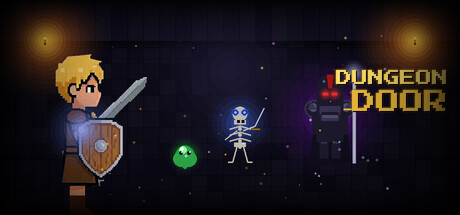
Dungeon Door utilizes generative AI to enhance creative expression and development efficiency as follows:
Artwork and Visual Assets: Generative AI was used in the conceptualization of character designs and the creation of marketing assets for the Steam store page. Every asset has been carefully reviewed and manually refined to ensure it adheres to the intended classic pixel art aesthetic.
Text and Narrative: AI tools assisted in drafting store descriptions, synopses, and localizing in-game text to provide a consistent experience across different languages.
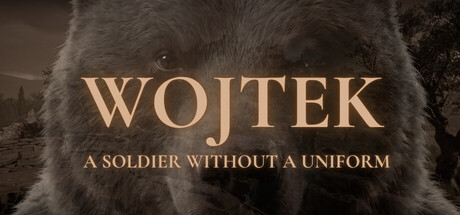
Generative AI technology was used to create high-quality voice-overs for the game's characters. This allowed this independent project to feature full voice acting, providing a more immersive narrative experience and bringing the historical journey of Wojtek the Bear to life. All AI-generated audio assets are pre-rendered and have been manually reviewed and edited to ensure high quality and consistency with the game's emotional tone.
We have carefully crafted a complete set of NPC dialogue without the use of AI. At the same time, we are experimenting with an additional feature powered by AI large language models, allowing players to freely converse with their favorite NPCs. This is an exploratory feature that exists entirely separately from the traditional game content.
These experimental elements are intended to offer players a new additional experience and will not affect the complete single-player experience. Whether this feature will be included in the final release has not yet been decided. Even if it is ultimately implemented, it will be optional rather than required.
This game uses generative AI tools to assist in creating certain environmental assets, which were then manually upscaled, recolored, and heavily edited for quality
This game uses generative AI to assist with parts of the creative process, including some artwork, voice/audio content, written text, localization, and marketing materials. AI-assisted content is reviewed, edited, and selected by the developer before being included in the game.
The overall story direction, game design, character concepts, and final creative decisions are made by the developer.
Some background sound effects and ambient audio clips used in the game were sourced from Pixabay, where they were flagged as AI-generated by their respective creators. No graphics, code, or core gameplay elements were generated by AI; all other assets were developed entirely by me.
Generative AI was used in the creation of some graphic assets. These assets were further processed using filters and adjustments to better suit the game's visual style.
AI DISCLOSURE
Crown of the Vermillion Devil uses AI-generated imagery for its location artwork. All writing, game design, systems, music, and narrative content are original human-authored work. We are a small independent project and have been transparent about this from the start. If that affects your purchasing decision, we respect it.
This game uses generative AI tools to assist in the creation of visual assets (characters, backgrounds) and narrative content. All AI-generated content has been reviewed and curated by the development team to ensure it meets our quality and safety standards.
Generative AI tools were used to assist with the creation of some 3D assets, textures, and translations. All AI-assisted content was reviewed and edited by the developer before being included in the game.
Generative AI was used to create certain visual assets, including the storefront/marketing artwork, main menu background, loading screens, image-based cutscenes, and a couple of background 3D meshes. All programming and narrative design were developed manually.
AI-Generated Content Disclosure:
Artificial intelligence technology was utilized during the development of this game to assist in the creation of in-game background art and certain cutscenes.
Some background elements were partially generated using AI.
Localization into languages other than German was carried out with the help of AI.
AI was used as a development aid (to help implement certain systems in the game).
I am a solo indie developer and wanted to tell an engaging horror story set in an anime/Japanese-inspired world. Without AI, I unfortunately would never have been able to create a project like this!
Some visual assets, promotional images, and design elements used in Dream Cola were created or assisted with generative AI tools. All AI-generated content was reviewed, modified, and integrated by the developer to fit the game's artistic direction.
Some background and environmental artwork in this game was created with the assistance of generative AI and then reviewed, edited, and integrated by the developer. All story content, dialogue, characters, and game design were created by the developer.
We used generative AI tools in a limited capacity during development: some store page descriptions and marketing texts were drafted with AI assistance and finalized with human editing. Some non-Chinese localization texts were translated using AI and reviewed by humans. All core gameplay, programming, and level design were created by the developers.Some in-game artwork / background music was created with the assistance of generative AI tools.
All core assets originate from the creativity of our human artists. The use of AI tools is strictly limited to assisting and refining the environmental background designs.
The development of this game made use of AI-generated content. Specifically, some of the in-game images, video sequences and character voice-over were created with the help of generative AI tools. All AI-generated assets were reviewed, curated and edited by the development team before inclusion in the final product
This game includes some AI-generated and AI-assisted content:
1. Some in-game sprites were adjusted or edited using AI tools.
2. AI was used to correct spelling and grammar in the game's text and on the store page.
3. Adjusting some of the chiptune tracks in the game to sound more musical by putting them all in key
4. Some Steam store and achievement assets were created with AI assistance, specifically generating the greyed-out (inactive) versions of the achievement icons from the colored originals, and producing the various required store image sizes from the original promotional artwork.
All AI-assisted content was manually reviewed before release.
Some of the background images and environmental artwork in this game were created with the assistance of generative AI tools. All generated images were subsequently edited, adjusted, and integrated manually to match the game's post-apocalyptic aesthetic.
Art assets in this game, such as achievement icons, were created with the assistance of GPT-based image generation tools. The background music was composed using Suno AI. All AI-generated content has been reviewed and approved by human developers.
This game uses text-to-speech to generate character voices, image-to-3D tools to create ship models, and image-to-video tools to produce cinematic sequences you may encounter during gameplay.
AI-generated content has been used to enhance and enrich the in-game experience.
The promotional images, image graphics, and library asset images of the game are rendered using AI, with the main elements being in-game content and only rendering the atmosphere.
Other game models, scenes, and music did not use AI.
As a small independent development team, we used generative AI as a supporting production tool during development.
All creative direction, game design, asset selection, editing, integration, and final approval were handled by the development team. AI-generated material was reviewed and modified by the developers before being included in the game.
The game does not generate AI content during gameplay.
Generative AI was used as an assistive tool during certain stages of visual asset creation. The overall design, direction, editing, and final composition of the work were created and managed by the developer.
Generative AI tools were used during the creation of certain marketing and promotional materials for the game, including concept artwork, logos, store page assets, and text drafts. All AI-generated content was reviewed, edited, and integrated by the developer before publication.
Cogfall was developed solo by Nodding Panda Studios. To bring the steampunk Clockwork Kingdom to life, AI tools were used to generate artwork and music under the creative direction of the developer. Every image and track was intentionally prompted, selected, and refined to fit the game's vision — AI served as a creative tool, not a replacement for creative decisions. All gameplay systems, code, game design, writing, and balancing were created entirely by the developer.
Generative AI is only used as a programming assistant (like code completion or text localization). It’s not used to create the art, audio, or other content that players actually see. Enemy AI and procedural map generation are done with traditional game logic, not generative AI. The art and audio released come from third-party licensed materials on itch.io, with credits given in-game. The game doesn’t call any generative AI services while running.
Generative AI tools were used during the development process to assist in writing code, creating speech, sound effects, and 3D assets. No generative AI is used during actual gameplay.
Generative AI was used to assist with localization/translation of in-game text. All translated text is pre-generated and included with the game as static content. The game does not generate AI content during gameplay. All artwork is hand-drawn, the music was created by human artists, and all programming was done manually.
AI tools were used to assist with parts of the game's code, the drafting of narrative and dialogue content, and initial translations of in-game and store page text. All AI-assisted output has been reviewed and edited by the development team.
Players can freely converse with NPCs, and the game generates dialogue in real time based on the NPCs’ personalities and memories.
The main storyline will be handled by AI agents, which will generate plots consistent with the game’s world-building.
AI assists in creating CG scenes, background images, and character portraits.
Generative AI tools were used as development assistance for code drafting/debugging and for creating some visual source materials. All AI-assisted code and visuals included in the game were reviewed, modified, edited, and integrated by the development team.
Dungeon Door utilizes generative AI to enhance creative expression and development efficiency as follows:
Artwork and Visual Assets: Generative AI was used in the conceptualization of character designs and the creation of marketing assets for the Steam store page. Every asset has been carefully reviewed and manually refined to ensure it adheres to the intended classic pixel art aesthetic.
Text and Narrative: AI tools assisted in drafting store descriptions, synopses, and localizing in-game text to provide a consistent experience across different languages.
Generative AI technology was used to create high-quality voice-overs for the game's characters. This allowed this independent project to feature full voice acting, providing a more immersive narrative experience and bringing the historical journey of Wojtek the Bear to life. All AI-generated audio assets are pre-rendered and have been manually reviewed and edited to ensure high quality and consistency with the game's emotional tone.
We have carefully crafted a complete set of NPC dialogue without the use of AI. At the same time, we are experimenting with an additional feature powered by AI large language models, allowing players to freely converse with their favorite NPCs. This is an exploratory feature that exists entirely separately from the traditional game content.
These experimental elements are intended to offer players a new additional experience and will not affect the complete single-player experience. Whether this feature will be included in the final release has not yet been decided. Even if it is ultimately implemented, it will be optional rather than required.
This game uses generative AI tools to assist in creating certain environmental assets, which were then manually upscaled, recolored, and heavily edited for quality
This game uses generative AI to assist with parts of the creative process, including some artwork, voice/audio content, written text, localization, and marketing materials. AI-assisted content is reviewed, edited, and selected by the developer before being included in the game.
The overall story direction, game design, character concepts, and final creative decisions are made by the developer.